
Living in Australia means dealing with some pretty unpredictable weather, and our homes, especially the basements, can take a beating. If you’ve ever found damp patches or that musty smell creeping in after a big rain, you know the drill. Keeping your basement dry isn’t just about making it look nice; it’s about protecting your home’s structure and your belongings. This guide is here to walk you through how to get a waterproof basement, covering everything from spotting the early signs of trouble to sorting out the best ways to keep water out for good. We’ll look at what causes the problems and what you can actually do about them, especially with our unique Aussie conditions.
Key Takeaways
- Water damage costs a lot to fix, so getting a waterproof basement is a smart move to avoid bigger bills down the track.
- Look out for common water entry points like cracks in walls and poor soil grading, as these let water in easily.
- Exterior waterproofing, like digging down and adding membranes, is often the best way to stop water before it even reaches your walls.
- Sump pumps and drainage systems are important backups, especially if water does get close, and they need to be kept clear.
- While DIY fixes can handle small jobs, professional help is usually needed for serious waterproofing to make sure it’s done right for our climate and soil types.
Understanding why your basement needs waterproofing
The impact of Australian rainfall on basements
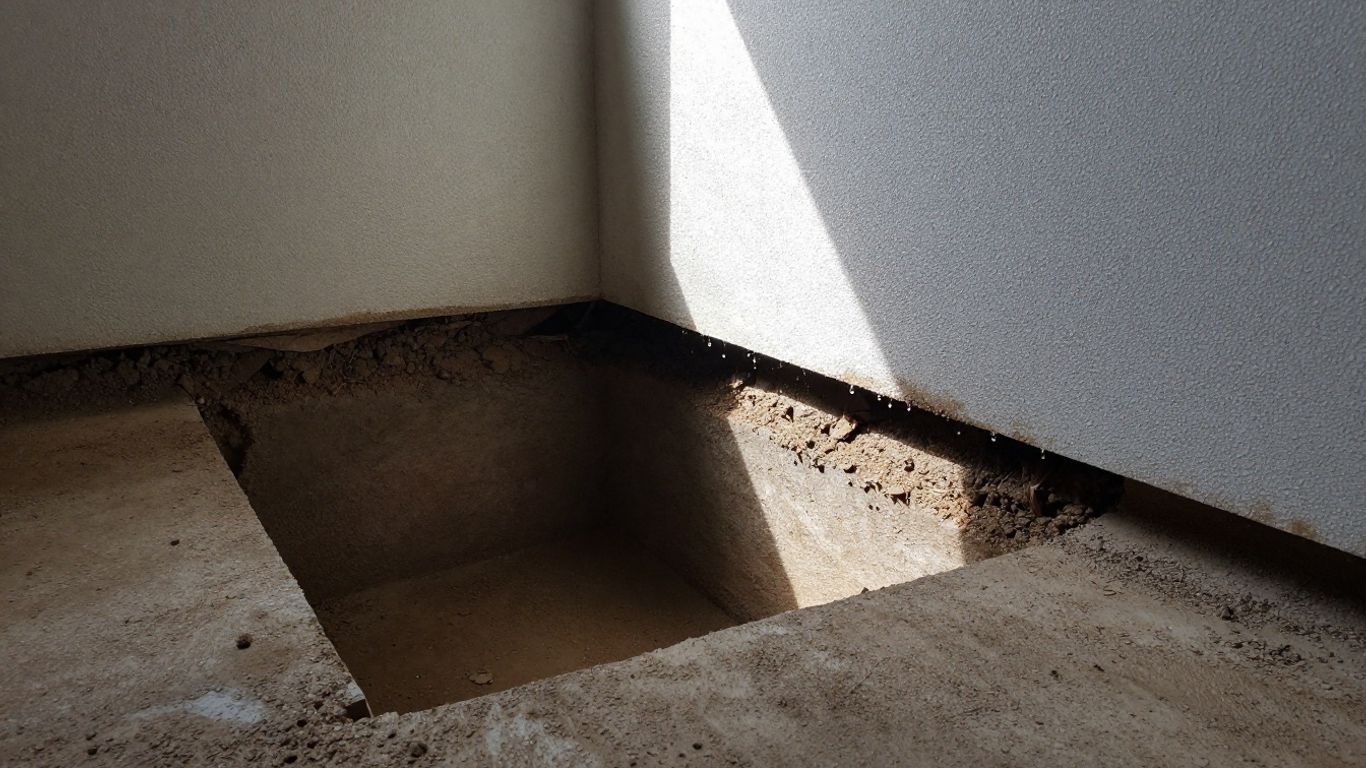
Australia’s weather can be pretty unpredictable, and that includes some serious rainfall. When heavy rain hits, especially in areas like Illawarra, it puts a lot of pressure on your home’s foundation. Basements, being the lowest part of your house, are right in the firing line. Water doesn’t need a big crack to get in; it’s pretty good at finding any weak spot. We’ve seen it happen time and again – water damage in basements can end up costing a fortune to fix.
Identifying common water entry points
Water can sneak into your basement in a few different ways. One of the most common is through cracks in the foundation walls. Even tiny ones, like those wider than 3 mm, can let water in. Over time, these cracks can get bigger, especially with the constant push and pull from soil moisture and what we call hydrostatic pressure. Another big culprit is poor grading around your house. If the ground slopes towards your foundation instead of away from it, water just pools up against the walls, forcing its way in. It’s a bit like leaving the tap running against your house. We often see issues with gutters too; if they’re overflowing or don’t extend far enough from the house, they just dump water right where you don’t want it.
The role of soil grading in water management
Soil grading is a really important, but often overlooked, part of keeping your basement dry. Basically, it’s about shaping the ground around your home so that water naturally flows away from the foundation. The general rule of thumb is that the ground should slope downwards, about one inch for every foot you move away from the house, for at least 5 to 10 feet. If your yard slopes towards the house, you’re basically creating a little pool that constantly pushes water against your basement walls. This can lead to serious problems down the track, so getting the grading right is a smart move for preventing future damage.
Assessing existing basement water issues
Before you can fix a leaky basement, you need to figure out what’s causing the problem. It’s not always obvious, and sometimes the signs are subtle. Ignoring them can lead to bigger headaches down the track, so it’s worth taking the time to look around.
Signs of water damage and moisture
Keep an eye out for anything unusual. Damp patches on walls or floors are a pretty clear indicator, especially if they’re spreading. You might also notice discolouration or even white, powdery deposits called efflorescence, which is basically minerals left behind after water has evaporated. A persistent musty smell is another red flag – it usually means mould or mildew is starting to grow. If you’re seeing warped floorboards or paint peeling off the walls, that’s water getting in somewhere.
- Damp spots or discolouration on walls and floors.
- Lingering musty odours.
- Efflorescence (white, powdery mineral deposits).
- Warped flooring or peeling paint.
- Increased humidity levels, often above 60%.
Inspecting for cracks and structural weaknesses
Water loves a good crack to sneak through. Take a good look at your basement walls and floor. Even small hairline cracks can let water in, especially when the soil outside gets saturated. Settling of the house or movement in the soil can cause these cracks to appear over time. It’s not just about the visible cracks, though. Sometimes, the problem might be with the way the ground slopes away from your house. If water is pooling near the foundation, it’s going to find a way in eventually. Checking your gutters and downpipes is also important; blockages or poor drainage here can direct water right where you don’t want it.
Water follows the path of least resistance. If your foundation has any openings, even tiny ones, water will exploit them. This is why a thorough inspection of the entire foundation structure is so important.
Understanding hydrostatic pressure
This is a big one, especially after heavy rain. Basically, when the soil around your foundation gets waterlogged, it creates a lot of pressure pushing against your basement walls and floor. Think of it like a heavy weight pressing in. This hydrostatic pressure can force water through even tiny pores in the concrete or through existing cracks. If you live in an area with a high water table or experience a lot of rainfall, this is something you definitely need to consider. Addressing this pressure is key to long-term waterproofing, and sometimes it requires looking at exterior waterproofing solutions to manage the water before it even gets near your foundation.
| Potential Cause | Description |
|---|---|
| Poor Drainage | Gutters overflowing or downpipes directing water towards foundations. |
| Foundation Cracks | Settling soil or earth movement creates entry points for water. |
| High Water Table | Groundwater levels rise during periods of heavy rain. |
| Inadequate Ventilation | Trapped humidity leads to condensation and mould growth. |
| Surface Water Pooling | Water not draining away from the foundation due to grading issues. |
If you’re unsure about what you’re seeing or suspect a serious issue, getting a professional assessment is a good idea. They have the tools and experience to pinpoint the exact source of the problem, which can save you a lot of guesswork and money in the long run. Understanding the risks associated with hydrostatic pressure is a vital part of this assessment.
Exterior waterproofing solutions for lasting protection
When we talk about keeping your basement dry for good, tackling water from the outside is really the most effective way to go. It’s all about stopping the water before it even gets a chance to push against your foundation walls. Think of it like building a strong shield around your home’s base.
Excavation and membrane application
This method involves digging around your foundation, exposing the exterior walls. Then, a waterproof membrane is applied directly to the wall. These membranes act as a physical barrier. Some are liquid-applied, while others are sheet membranes, often made from materials like synthetic rubber. The goal is to create a continuous, watertight seal. After the membrane is in place, protective layers like dimpled sheets or geofabric are added, followed by backfill. This whole process needs to be done carefully, paying attention to how the membrane is terminated above ground level and how seams are joined to ensure no water can sneak through. It’s a bit more involved than painting a wall, but it addresses the problem at its source. For lasting protection, consider high-performance membranes.
Installing external drainage systems
Even with a good membrane, managing water around your foundation is key. External drainage systems, often called French drains or weeping tiles, are installed at the footing level. These systems collect groundwater and channel it away from your home, usually to a stormwater drain or a designated discharge point. They work by having perforated pipes laid in a trench filled with gravel, all wrapped in geofabric to stop soil and silt from clogging the system. This helps relieve the pressure of water building up against your foundation. Proper slope is vital here, so the water actually moves away and doesn’t just sit there.
The benefits of stopping water at the source
Stopping water before it reaches your basement walls is the gold standard for a reason. Interior fixes, like sealants or paints, are really just treating the symptoms. They might slow down moisture for a bit, but the water pressure from the soil outside is still there, constantly pushing. This can lead to bigger problems down the track, like structural damage or mould growth that’s hard to get rid of. Exterior solutions, on the other hand, deal with the root cause. They prevent water from ever saturating your foundation, which means a drier basement and a healthier home structure overall. It’s an investment that pays off by avoiding costly repairs later on.
The effectiveness of exterior waterproofing lies in its proactive approach. By creating a barrier and managing water flow away from the foundation, it significantly reduces the risk of water ingress and the associated damage. This method is generally considered more robust and longer-lasting than interior treatments alone.
Here’s a quick look at what’s involved:
- Excavation: Digging around the foundation to expose the walls.
- Membrane Application: Installing a waterproof barrier.
- Drainage Installation: Laying pipes to collect and divert water.
- Protection Layers: Adding geofabric and drainage cells before backfilling.
While it might seem like a big job, getting exterior waterproofing done right the first time can save a lot of headaches and money in the long run. It’s about building a resilient home that can handle whatever the Australian weather throws at it.
Interior waterproofing methods and materials
While tackling water issues from the outside is generally the most effective long-term strategy, sometimes you need to focus on what’s happening inside your basement. Interior waterproofing methods and materials are often used as a secondary defence or when external work isn’t feasible. They work by managing water that has already found its way through your foundation walls or floor.
Applying sealants and masonry paints
Waterproof paints and sealants are probably the most common DIY approach for interior basement waterproofing. You can find these at most hardware stores. They’re designed to create a barrier on your interior walls, stopping minor dampness from seeping through. Think of it like putting a fresh coat of paint on a leaky bucket – it might hold a bit of water for a while, but it’s not going to fix the hole.
These products are great for dealing with light moisture or condensation. You’ll want to make sure your walls are clean and dry before you start applying them. Any dirt or old paint can stop the sealant from sticking properly. You usually need a few coats to get decent coverage. While they can make your basement look a lot nicer and help with musty smells, they don’t actually stop water pressure from the outside. So, if you’ve got a serious leak or water pushing against your foundation, these might only be a temporary fix.
The function of interior drainage systems
Interior drainage systems are a more robust solution for managing water that gets into your basement. These systems are installed around the perimeter of your basement floor. They work by collecting water that seeps through the walls or up through the floor and directing it to a sump pump, which then pumps the water away from your house. It’s a bit like installing gutters on the inside of your basement.
There are a few types, but a common one involves cutting a channel in the concrete floor around the edges. A perforated pipe is laid in this channel, covered with gravel, and then sealed over with new concrete. This pipe connects to a sump pit where the water gathers. When the water level in the pit gets high enough, the sump pump kicks in automatically. This setup is really good at managing significant water intrusion and preventing flooding. It’s a more involved process than just painting walls, and often requires professional installation to get it right.
Choosing the right waterproofing materials
When you’re looking at interior waterproofing, the materials you choose really matter. For paints and sealants, look for products specifically designed for basements and concrete. Some are cement-based, while others are acrylic or epoxy. Each has its pros and cons depending on the type of moisture you’re dealing with. For example, an epoxy coating might be tougher and more resistant to chemicals than a basic masonry paint.
For drainage systems, the quality of the pipe, gravel, and the sump pump itself is important. A good quality sump pump, for instance, is less likely to fail when you need it most. You might also consider materials that are resistant to corrosion, especially if you live in an area with mineral-rich groundwater. If you’re unsure, it’s always a good idea to get some advice from a professional. They can help you select high-quality membranes and other materials suited to your specific situation and Australian conditions. Some advanced options, like FW-11 Polyaspartic Polyurea, are known for their extreme durability and quick application, offering robust protection for your basement.
Essential drainage and water removal systems
Even with the best exterior waterproofing, sometimes water finds a way in, or your site just has a lot of groundwater. That’s where drainage and water removal systems come into play. They’re like your basement’s backup plan, working to get water out before it causes real damage.
The importance of sump pumps
A sump pump is basically a pump installed in a pit, usually at the lowest point of your basement. Its job is to collect any groundwater that seeps in and pump it away from your home. Think of it as the last line of defence against a flooded basement. For areas with heavy rainfall, like parts of Queensland, it’s a good idea to have a battery backup for your sump pump. This way, it keeps working even if the power goes out during a storm.
Maintaining external drainage effectiveness
Your external drainage system, like French drains or weeping tiles around your foundation, needs to work properly for the sump pump to be effective. This system needs to slope correctly so water naturally flows towards the collection point. Blockages from dirt, roots, or debris can stop this flow. Regularly checking and clearing these drains is key. It’s a simple task that can prevent a lot of bigger problems down the track. Keeping gutters clear is also a big part of this; overflowing gutters dump way too much water right next to your foundation.
How interior drains collect water
Interior drainage systems, often called interior perimeter drains or French drains, are installed inside your basement along the walls. They catch water that might seep through the foundation walls or floor before it can spread and pool. This collected water then flows into the sump pit, where the pump takes over. These systems are particularly useful when external excavation isn’t feasible or as an added layer of protection. They work by creating a channel for water to follow, directing it safely away from your living space. For long-term protection, combining these interior systems with exterior waterproofing methods, like a good membrane installation, provides the most robust defence against water intrusion. You can find expert help for these kinds of solutions from companies specialising in basement leak waterproofing.
Water management in a basement isn’t just about stopping water from getting in; it’s also about having a plan for the water that inevitably collects. A well-maintained drainage system, coupled with a reliable sump pump, can save your basement from significant damage and costly repairs. It’s about being prepared, especially in Australia’s varied climate.
Addressing specific Australian climate challenges
Managing moisture in humid conditions
Living in many parts of Australia means dealing with sticky, humid air, especially during the warmer months. This isn’t just uncomfortable; it’s a real problem for basements. High humidity means there’s a lot of moisture in the air, and this can lead to condensation forming on your basement walls and floors. Over time, this dampness can encourage mould and mildew growth, which is bad for your health and can damage your belongings. To combat this, good ventilation is key. Think about installing exhaust fans or even a simple air vent to keep the air moving. A dehumidifier is also a really good idea for basements in these conditions. It actively pulls moisture out of the air, keeping things dry and preventing that musty smell. Regularly checking your basement for any signs of dampness, like water stains or a musty odour, is a good habit to get into.
Dealing with reactive clay soils
Many Australian regions, particularly around Brisbane, have what we call reactive clay soils. These soils are a bit like a sponge – they swell up when they get wet and shrink when they dry out. This constant expanding and contracting puts a lot of stress on your home’s foundation. When the soil swells, it pushes against your basement walls, creating significant hydrostatic pressure. This pressure can force water through even tiny cracks in the concrete. If you have clay soil, it’s really important to make sure your exterior waterproofing is top-notch. This often involves using robust membranes and ensuring your drainage systems are working perfectly to divert water away from the foundation before the soil has a chance to absorb it. Sometimes, adding a layer of geofabric during backfilling can help prevent the soil from clogging up your drainage systems.
Extending downpipes for better water diversion
This might sound like a small thing, but it makes a huge difference. Downpipes from your gutters are designed to carry rainwater away from your house. However, if they just dump water right next to your foundation, you’re essentially creating a mini-waterfall that soaks into the ground right where you don’t want it. Properly extending your downpipes so they discharge water at least a metre, preferably more, away from your home’s foundation is a simple yet incredibly effective way to prevent water from pooling around your basement. This stops excess water from building up against your walls and reduces the load on your drainage systems. It’s a basic step that many homeowners overlook, but it’s vital for keeping your basement dry, especially during those heavy Australian downpours. It’s a proactive measure that can save a lot of trouble down the line, and it’s something you can often do yourself or have a plumber handle relatively easily. For more information on foundation waterproofing services, you might want to look into expert foundation waterproofing.
DIY versus professional basement waterproofing
Deciding whether to tackle basement waterproofing yourself or call in the pros can be a tough call. While some smaller jobs might seem manageable for a keen DIYer, many basement waterproofing projects in Australia, especially with our varied soil types and rainfall, really benefit from professional know-how.
When to consider a DIY approach
For minor issues, like sealing up a few small cracks on an interior wall, a DIY approach might be suitable. You can pick up hydraulic cement or epoxy fillers from your local hardware store. The key here is preparation: make sure the area is clean and dry before you apply the product. It’s a good idea to keep an eye on the spot afterwards to see if the problem pops up again. This kind of fix is usually more about cosmetic touch-ups than a long-term solution for serious water problems.
- Clean the affected area thoroughly.
- Apply filler or sealant according to product instructions.
- Monitor the area for any signs of recurring moisture.
The advantages of professional expertise
When you’re dealing with more significant water ingress or potential structural issues, bringing in a professional is often the smarter move. They have the experience to figure out exactly where the water is coming from and what the best way to stop it is. Professionals also have access to better tools and higher-quality materials that aren’t always available to the general public. This means they can often provide a more robust and lasting solution. Plus, they’re usually familiar with local building codes and standards, which can save you a lot of hassle down the track. For instance, understanding negative hydrostatic pressure waterproofing in Brisbane and the Gold Coast requires specific knowledge that a professional will have.
A professional assessment is key. It helps identify the full scope of the problem, including any hidden damage, before work begins. This prevents unexpected costs and ensures the right solution is applied from the start, saving you money in the long run compared to fixing bigger issues later.
Understanding the scope of professional services
Professional waterproofing services cover a wide range of solutions. They can handle everything from external excavation and membrane application to installing complex internal drainage systems and sump pumps. They’ll assess your specific situation, considering factors like soil type and the age of your home, to recommend the most effective strategy. This tailored approach means you’re not just patching a symptom; you’re addressing the root cause of the water problem. This kind of preventative work is vital for protecting your property’s structural integrity and value.
Budgeting for basement waterproofing
Figuring out the costs for waterproofing your basement can feel a bit daunting, but it’s a really important step to protect your home. Think of it as an investment rather than just an expense. The price can swing quite a bit depending on what needs to be done. For a typical basement project that involves fixing cracks, putting up a membrane, and installing some drainage, you might be looking at around $3,600 AUD. Of course, if there’s already significant structural damage, that figure will climb.
Estimating costs for different methods
When you’re looking at prices, remember that different methods have different price tags. Exterior waterproofing, which stops water before it even gets to your walls, often involves excavation and can be more costly upfront. Interior solutions, like sealants or drainage systems, might seem cheaper initially, but they often address the symptoms rather than the root cause. It’s worth getting a few quotes to compare. For instance, waterproofing costs in Sydney can range from $70 to $100 per square meter for basements, which is higher than for simpler areas like bathrooms [25d3].
Here’s a rough idea of what you might expect:
- Exterior Waterproofing: Excavation, membrane application, and drainage systems. Generally the most effective but also the most expensive upfront.
- Interior Waterproofing: Sealants, paints, and interior drainage. Can be a more budget-friendly option for minor issues, but less effective long-term.
- Drainage Systems: Sump pumps and French drains. These are often part of a larger waterproofing plan but can be installed separately.
The long-term value of preventive spending
It might be tempting to go for the cheapest option, but that often leads to more expensive repairs down the track. Water damage can cause mould, weaken your foundation, and lead to a whole host of problems that cost a fortune to fix. Spending money on proper waterproofing now can save you thousands in the long run. It’s about protecting your property value and avoiding the stress of dealing with major water damage.
Investing in professional waterproofing is about more than just preventing leaks; it’s about safeguarding the structural integrity of your home and maintaining a healthy living environment. The cost of inaction, measured in structural repairs, mould remediation, and potential health issues, far outweighs the initial investment in a quality waterproofing system.
Understanding insurance and waterproofing
Most home insurance policies don’t cover preventive waterproofing. They might cover damage caused by water leaks, but they usually won’t pay for the waterproofing itself. This is why it’s so important to budget for waterproofing as a proactive measure. It’s a bit like getting your car serviced regularly – you do it to prevent bigger, more costly breakdowns later on. If you’re looking for guidance on making these decisions, contacting a group like the Home Owners Association can provide tailored advice [41d2].
Maintaining your waterproof basement
So, you’ve gone through the effort and expense of waterproofing your basement. That’s fantastic! But here’s the thing: it’s not a ‘set it and forget it’ kind of job. Think of it like owning a car; you wouldn’t just drive it forever without any checks, right? Your basement waterproofing system needs a bit of attention too, especially here in Australia with our varied weather. Keeping things in good working order means you won’t be facing a soggy mess down the track.
Regular inspections and checks
This is probably the most straightforward part of keeping your basement dry. You don’t need to be a waterproofing expert to do this. Just a bit of your time every so often. The goal is to catch small issues before they become big, expensive problems.
Here’s a simple checklist to run through:
- Visual scan: Walk around your basement. Look for any new damp spots on walls or the floor. Check around pipes and window frames where water might try to sneak in.
- Smell test: Does it smell musty or damp? That’s a sign moisture is present, even if you can’t see it easily.
- Check the waterproofing system: If you have an interior drainage system or a sump pump, give them a quick look. Are they clear of debris? Does the sump pump look like it’s ready to go?
- Exterior check: When it’s not actively raining, take a look outside around your foundation. Is the soil sloping away from the house? Are there any obvious blockages in the drainage channels?
Doing this a couple of times a year, maybe once before the wet season and once after, can make a huge difference. It’s about being proactive, not reactive. For more on preventative maintenance, check out this guide on keeping your basement dry.
Keeping gutters and drains clear
This might sound like it belongs to general home maintenance, and it does, but it’s critically important for your basement’s dryness. Blocked gutters and downpipes are one of the most common culprits for water finding its way to your foundation. When gutters overflow, water pools right next to your house, giving it plenty of opportunity to seep into the ground and then into your basement.
- Gutters: Clear out leaves, dirt, and any other gunk that accumulates. If you have mesh guards, check those too.
- Downpipes: Make sure they aren’t blocked at the top or bottom. Water needs a clear path to flow away from your home.
- Surface drains: If you have any drains around your property, especially near the house, ensure they are clear and functioning.
It’s a simple task, but often overlooked. A quick clean-out can prevent a lot of headaches. Remember to extend your downpipes so they discharge water well away from the foundation.
Ongoing humidity control with dehumidifiers
Even with the best waterproofing systems in place, basements can sometimes be a bit damp. This is especially true in Australia’s more humid regions. High humidity can lead to condensation on walls and pipes, which can then drip and create damp spots, encouraging mould growth. This is where a dehumidifier comes in handy.
- Purpose: A dehumidifier removes excess moisture from the air, making the environment less hospitable to mould and mildew.
- Placement: Position it in the lowest part of the basement, where moisture tends to collect.
- Maintenance: Regularly empty the water tank and clean the filter according to the manufacturer’s instructions. A clogged filter won’t work efficiently.
Running a dehumidifier, particularly during humid periods, helps maintain a healthy air quality in your basement and protects your stored items. It’s a good idea to monitor the humidity levels with a simple hygrometer to know when the unit needs to run. For advice on maintaining waterproofing components, resealing grout and checking drains is a good start.
Ensuring compliance and quality in waterproofing
When it comes to keeping your basement dry, especially here in Australia, making sure the waterproofing job is done right is a big deal. It’s not just about slapping on some paint; it’s about using the right stuff and making sure it’s installed properly to meet local standards. This is where compliance and quality really come into play.
The importance of Australian standards
Australia has specific standards for waterproofing, and they’re there for a good reason. For internal wet areas like bathrooms and laundries, AS 3740 is the go-to standard. It covers things like making sure shower floors are fully waterproofed, walls are protected up to a certain height, and junctions between floors and walls are sealed tight. For external membranes, AS 4654.2 sets out the requirements. Following these standards means your waterproofing system is designed to handle our climate and building practices. It’s about preventing leaks and damage down the track, which can save you a lot of headaches and money.
Warranties on materials and workmanship
When you hire a professional for basement waterproofing, always ask about warranties. A good warranty covers both the materials used and the quality of the work itself. This gives you peace of mind knowing that if something goes wrong, the company stands by its service. Warranties can vary, so understand what’s included and for how long. For example, some might cover materials for 10 years, while workmanship might have a shorter period. It’s wise to get this in writing before any work begins. This is a key part of protecting your investment.
Choosing licensed waterproofing professionals
While some minor DIY fixes might seem tempting, for proper basement waterproofing, especially dealing with significant water issues or complex soil types common in Australia, it’s usually best to bring in the pros. Look for professionals who are licensed and have experience with basement waterproofing in your specific region. They’ll know about local building codes and the best methods for our weather conditions. A licensed professional can assess your situation accurately, recommend the right solutions, and carry out the work to a high standard, often backed by a solid warranty. They have access to better materials and techniques than most homeowners, which can make all the difference in the long run. Getting advice from your Home Owners Association can also point you in the right direction for finding quality services.
Making sure your waterproofing is done right and meets all the rules is super important. We help you get it sorted, so you don’t have to worry. Want to learn more about how we keep things up to scratch? Visit our website today!
Keeping Your Basement Dry: A Final Word
So, there you have it. Keeping your basement dry here in Australia isn’t just about avoiding a bit of dampness; it’s about protecting your home’s structure and your wallet. We’ve talked about why water gets in, from those sneaky cracks to dodgy drainage, and what you can actually do about it, whether it’s sealing things up from the inside or getting serious with exterior work. Remember, a little bit of effort now, like checking your gutters or getting a professional opinion, can save you a whole lot of hassle and money down the track. Don’t wait for the next big downpour to find out your basement isn’t up to scratch. Take these tips on board and give your home the protection it deserves.
Frequently Asked Questions
Why is basement waterproofing so important in Australia?
Australia gets some pretty heavy rain, and basements are like the bottom floor of your house, making them super vulnerable. If water gets in, it can ruin your stuff, cause mould, and even damage the building’s foundations, costing a lot to fix. Waterproofing keeps your basement dry and your home safe.
What are the main ways water gets into a basement?
Water usually sneaks in through cracks in the walls or floor, especially if the soil around your house is really wet and pushing against the walls. Sometimes, if the ground isn’t sloped away from your house properly, water just pools up and finds its way in.
Can I fix basement leaks myself?
For tiny cracks, you might be able to use a sealant yourself. But for bigger problems, like water coming through the walls because of pressure from the soil, it’s best to get a professional. They have the right tools and know-how to fix it properly so it doesn’t happen again.
What's the difference between fixing from the outside and the inside?
Fixing from the outside, like putting a special waterproof layer on the foundation walls, is usually the best way because it stops water before it even reaches your basement. Fixing from the inside, like painting walls with waterproof paint, is more like a patch-up job. It helps, but the water is still trying to get in from the outside.
How much does basement waterproofing usually cost?
The price can change a lot depending on how big your basement is and what needs to be done. Simple fixes from the inside might be cheaper at first, but fixing it properly from the outside often costs more upfront. However, it’s usually cheaper in the long run than dealing with water damage later.
How long does basement waterproofing last?
If it’s done really well, a waterproofed basement can last for about 10 to 15 years, sometimes even longer. Keeping an eye on it and doing little bits of maintenance, like cleaning out gutters, helps it last much longer.
What's a sump pump and do I need one?
A sump pump is like a little helper that sits in a pit in your basement. If water does get in, it pumps it out and away from your house. You’ll likely need one if your basement is prone to flooding, especially if you live in an area with lots of rain or a high water table.
How does the Australian climate affect basement waterproofing?
Australia has some pretty tough weather! We get heavy rain, especially in certain seasons, and some areas have soils that swell up when wet. This means more pressure on your basement walls. Also, our humid weather can cause mould if there’s any dampness, so good waterproofing and ventilation are super important.