Choosing the right waterproofing for your place in Australia can feel like a puzzle. We get a lot of sun, and then BAM! Rain. So, what’s the best way to keep the water out without creating a whole new set of problems? This guide is all about liquid waterproofing, looking at why it’s a good bet for Aussie homes and what you need to think about before you slap it on.
Key Takeaways
- Liquid waterproofing creates a solid, flexible shield that’s great for tricky spots and our changing weather.
- When picking a liquid waterproofing, think about where it’s going, how much water risk there is, and how long you need it to last.
- Our climate is harsh, so choose liquid waterproofing that can handle the heat, sun, and heavy rain we get.
- Getting the surface ready is super important for liquid waterproofing to stick properly and do its job.
- Liquid waterproofing is a top choice for bathrooms, balconies, and roofs, giving you a strong barrier against leaks.
UNDERSTANDING LIQUID WATERPROOFING SOLUTIONS
When you’re thinking about protecting your home from water damage, especially here in Australia with our varied weather, liquid waterproofing solutions are a pretty big deal. They’re basically coatings you paint or roll onto surfaces, and they dry to form a protective barrier. It’s not just about stopping leaks; it’s about keeping your home sound and preventing those annoying damp patches and mould from showing up.
THE ROLE OF LIQUID APPLIED MEMBRANES
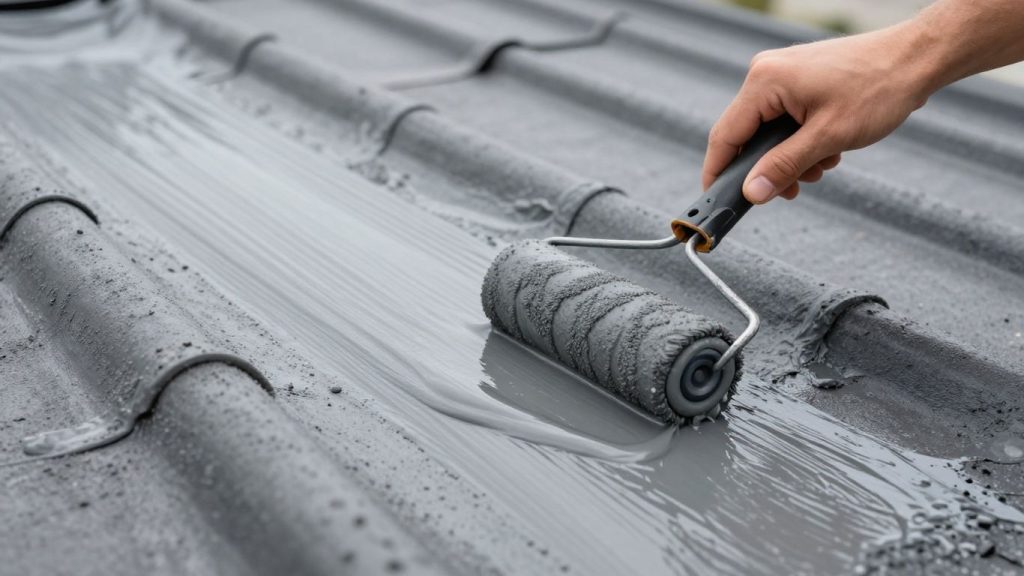
Liquid applied membranes are like a second skin for your house. They’re designed to be flexible and form a continuous, watertight layer. This is super handy because, unlike pre-formed sheets, they don’t have seams where water can sneak through. Think of it like painting a waterproof coat onto your walls or roof. They can adapt to the shape of whatever they’re covering, which is a big plus.
- They create a seamless barrier, meaning no weak spots for water to exploit.
- Flexibility is key, allowing them to handle minor building movements without cracking.
- They offer good adhesion to a variety of building materials when applied correctly.
SEAMLESS PROTECTION FOR COMPLEX SURFACES
Many parts of a house aren’t just flat walls or floors. You’ve got corners, pipes, drains, and all sorts of nooks and crannies. This is where liquid membranes really shine. Because you can apply them with a brush, roller, or spray, they can get into all those tricky spots that other waterproofing methods might miss. This means you get a more complete and reliable protection, especially in areas like bathrooms or around balconies.
Applying a liquid membrane means you’re not relying on overlapping sheets or taped joints. Instead, you’re building up a continuous film that conforms to the surface, providing a more robust defence against water ingress, particularly in areas with complex geometry.
DURABILITY AGAINST AUSTRALIAN CLIMATES
Australia’s climate can be tough on buildings. We get intense sun, heat, and sometimes heavy rain. A good liquid waterproofing solution needs to stand up to all of that. Many modern products are formulated to be UV resistant and flexible enough to cope with the expansion and contraction of building materials as temperatures change throughout the day and across the seasons. This means they’re less likely to crack or degrade over time, offering long-term protection for your home.
KEY FACTORS IN CHOOSING YOUR WATERPROOFING
ASSESSING YOUR HOME'S WATER DAMAGE RISKS
Before you even start looking at products, take a good hard look at your place. Have you noticed any damp patches on walls, especially after a big rain? Are there any musty smells lingering in certain rooms? These are all signs that water might be finding its way in where it shouldn’t be. It’s not just about the obvious leaks; sometimes, moisture can seep in through tiny cracks you can’t even see. Understanding where your home is most vulnerable is the first step to picking the right fix. Think about areas like bathrooms, laundries, and kitchens – they’re naturally wetter. Also, consider the age of your home and the materials it’s built from, as older homes might have less robust waterproofing.
CONSIDERING THE AREA OF APPLICATION
Not all waterproofing solutions are created equal, and what works brilliantly for a bathroom floor might be a disaster on a roof. You need to think about where you’re applying the product. Is it a high-traffic area like a balcony that needs to withstand people walking on it? Or is it a more static area like a wall behind a shower? The surface type also matters – concrete, timber, or brick will all have different needs. Some products are designed for horizontal surfaces, while others are better suited for vertical applications. It’s also worth noting if the area will be exposed to direct sunlight or harsh weather conditions, as this will influence the type of membrane you should choose.
EVALUATING LONG-TERM DURABILITY NEEDS
When you’re waterproofing, you’re generally looking for a solution that lasts. While it might be tempting to go for the cheapest option, it often ends up costing more in the long run when you have to repair or reapply it sooner than expected. Think about how long you want the waterproofing to last. Are you planning on selling the house in a few years, or are you settling in for the long haul? For most homeowners, a durable, long-lasting solution is preferable. This means looking at products that are flexible enough to handle the natural movement of a building due to temperature changes and don’t become brittle over time. A good quality membrane should provide protection for many years, saving you hassle and money down the track.
LIQUID WATERPROOFING FOR AUSTRALIAN HOMES
Suitability for Diverse Climates
Australia’s weather can be pretty wild, swinging from scorching heat to heavy rain, sometimes in the same week. Liquid waterproofing solutions are a good choice here because they’re designed to handle these shifts. They can cope with the expansion and contraction that happens when materials heat up and cool down, which is a big deal in places like Perth or Alice Springs. This flexibility means they’re less likely to crack or peel away when the temperature goes wild.
Adaptability to Temperature Fluctuations
Think about how hot your roof gets on a summer’s day or how cold a concrete slab can get overnight. Liquid membranes are formulated to stay pliable through these changes. Unlike rigid materials that might split when they expand or contract, these liquids cure into a flexible barrier. This adaptability is key for keeping water out, especially on surfaces that experience a lot of movement due to temperature swings. It’s about creating a shield that moves with your home, not against it.
Resistance to UV and Weathering
Our sun can be pretty harsh, and constant exposure to rain, wind, and dust takes its toll on building materials. Good quality liquid waterproofing products are made to resist this. They often have additives that protect them from the damaging effects of ultraviolet (UV) radiation, so they don’t break down or become brittle over time. This means the protection they offer lasts much longer, saving you hassle and money down the track. It’s about picking something that can stand up to the elements year after year.
APPLYING LIQUID WATERPROOFING EFFECTIVELY
Getting liquid waterproofing applied properly is pretty important if you want it to actually do its job. It’s not just about slapping it on; there’s a bit more to it than that. Proper preparation and application are key to a long-lasting, water-tight result.
EASE OF APPLICATION FOR DIY PROJECTS
Some liquid waterproofing products are designed with the home handy-person in mind. These are often water-based or single-component systems that you can apply with a brush or roller. They usually don’t require a lot of specialised gear, making them a good choice if you’re looking to tackle smaller jobs yourself. However, even with DIY-friendly products, it’s always best to read the manufacturer’s instructions carefully. They’ll tell you exactly how to mix it (if needed), how many coats to apply, and what drying times to expect between coats. For larger or more complex areas, or if you’re unsure, calling in a professional is usually the smarter move.
PREPARATION FOR OPTIMAL ADHESION
This is where a lot of people cut corners, and it’s a big mistake. The surface you’re waterproofing needs to be clean, dry, and sound. That means getting rid of any dust, dirt, grease, old paint, or loose bits. If you’re applying it to concrete, you might need to patch up any cracks or holes first. For porous surfaces like brick or concrete blocks, a primer is often recommended. This primer helps the liquid membrane stick properly and stops it from soaking into the substrate too quickly. Skipping this step can lead to the membrane peeling or failing down the track.
ENSURING A UNIFORM, WATER-TIGHT BARRIER
Once your surface is prepped and primed, it’s time for the main event. You’ll typically apply the liquid waterproofing in multiple coats. This builds up the thickness needed to create a proper barrier. It’s important to apply each coat evenly, without missing any spots. Pay extra attention to corners, edges, and any joints or penetrations – these are common weak points where water likes to sneak in. Using a roller or brush for the main areas and a smaller brush for the tricky bits usually works well. Some products can be sprayed on, which can be quicker for large areas, but requires specific equipment and skill to get an even finish. The goal is a continuous, flexible membrane with no gaps or thin spots.
SPECIFIC APPLICATIONS FOR LIQUID MEMBRANES
WATERPROOFING BATHROOMS AND WET ROOMS
When it comes to bathrooms and other wet areas in your home, like ensuites or laundry rooms, getting the waterproofing right is pretty important. Liquid-applied membranes are a top choice here because they can create a completely sealed barrier. Think about all those nooks and crannies – showers, around the bath, and where the walls meet the floor. Liquid membranes can get into all those tricky spots, forming a continuous, watertight layer. This is especially good for preventing water from seeping behind tiles and causing bigger problems down the track. They’re applied in a liquid form, often with a roller or brush, and then they cure into a flexible, rubber-like sheet. This flexibility means they can handle small movements in the building without cracking, which is a common issue with rigid materials. For bathrooms, you’ll typically see them applied up to a certain height on the walls, particularly in shower areas, and across the entire floor before tiling.
PROTECTING BALCONIES AND TERRACES
Balconies and terraces are exposed to the elements pretty much all the time. Rain, sun, and temperature changes can really take a toll. Liquid waterproofing is a great way to protect these outdoor living spaces. It forms a tough, flexible skin over the concrete or other substrate. This membrane needs to be able to handle foot traffic, so durability is key. It also needs to cope with water pooling and draining away effectively. Many liquid membranes are UV stable, meaning they won’t break down when exposed to sunlight, which is a big plus for Australian conditions. The application usually involves preparing the surface thoroughly, applying a primer, and then rolling or spraying on multiple coats of the liquid membrane. Special attention is paid to edges and drainage points to make sure water is directed away from the building structure.
SEALING ROOFS AND PODIUM DECKS
Roofs and podium decks are essentially the ‘hats’ and ‘caps’ of your home, and they need serious protection from water. Liquid membranes are really useful for these areas, especially on flat or low-slope roofs where water can sit for a while. They create a seamless, monolithic layer that water just can’t get through. Unlike some other methods, liquid membranes don’t have seams or joints that can become weak points. This is a big advantage when you’re dealing with large expanses. For roofs, you’ll want a membrane that’s not only waterproof but also resistant to UV rays and temperature extremes – think scorching summer days and cooler nights. Some systems can even be walked on, making them suitable for accessible roof areas or podium decks. The key is a good bond to the substrate and a consistent thickness across the entire surface to guarantee a long-lasting seal.
ADVANTAGES OF LIQUID APPLIED WATERPROOFING
Liquid applied waterproofing systems really do offer some solid benefits, especially when you’re trying to keep your Australian home dry and protected. They’re not just another product on the shelf; they’re a smart choice for a few key reasons.
Creating a Flexible, Crack-Resistant Membrane
One of the biggest pluses with liquid waterproofing is how it forms a continuous, flexible barrier. Unlike some other methods that rely on joining separate sheets, liquid membranes cure into a single, solid layer. This flexibility is a real game-changer, particularly in climates like ours that can experience significant temperature swings.
- Adapts to building movement: Homes settle and shift, especially with our hot summers and cooler winters. A flexible membrane can stretch and move with the building structure without cracking.
- Bridges minor cracks: If small hairline cracks appear in the substrate over time, the liquid membrane can often bridge them, maintaining its waterproof integrity.
- Reduces stress points: The continuous nature means there are fewer weak spots compared to systems with seams or overlaps.
Preventing Water Seepage Through Seams
This is where liquid waterproofing really shines. Think about all those tricky corners, pipe penetrations, and junctions in a bathroom, on a balcony, or around a roofline. Traditional methods often involve overlapping materials, and these overlaps can become weak points where water eventually finds its way through. Liquid membranes, when applied correctly, create a completely monolithic surface. This means there are no seams, no laps, and therefore, no obvious places for water to start seeping in. It’s like painting on a second skin for your building.
Offering a Long-Lasting Protective Layer
When you invest in waterproofing, you want it to last. Liquid applied membranes, particularly the polyurethane and polyurea types, are known for their resilience and longevity. They’re designed to withstand the harsh Australian environment, including prolonged exposure to UV radiation and varying weather conditions.
- Durability: They form a tough, durable surface that resists wear and tear.
- Weather resistance: Many formulations are specifically designed to handle our intense sun and rain.
- Chemical resistance: Some types also offer good resistance to common household chemicals or environmental pollutants.
Choosing a liquid waterproofing solution means you’re opting for a system that can adapt to the dynamic nature of building structures and environmental stresses. Its ability to form a continuous, unbroken barrier is a significant advantage in preventing water ingress, especially in areas prone to movement or complex detailing. This translates to a more reliable and enduring protection for your home against the elements.
While the initial application might require careful preparation and specific conditions, the long-term benefits of a seamless, flexible, and durable waterproof barrier are substantial for any Australian home owner looking to safeguard their property.
CONSIDERING POLYURETHANE LIQUID MEMBRANES
The Benefits of Polyurethane Flexibility
Polyurethane liquid membranes are a bit of a standout when it comes to waterproofing. What really sets them apart is their flexibility. Think about it – our Aussie climate can throw some serious curveballs, with temperatures swinging wildly from scorching hot to surprisingly cool. Polyurethane membranes are designed to handle this. They can expand and contract along with the building as the temperature changes, which means they’re far less likely to crack or split over time. This flexibility is a big deal for creating a truly waterproof barrier that lasts.
Suitability for Extreme Weather
Because of that inherent flexibility, polyurethane membranes are a solid choice for areas that experience harsh weather. They hold up well against things like intense UV exposure and significant temperature fluctuations, which are pretty common across many parts of Australia. This makes them a reliable option for protecting roofs, balconies, and other exposed surfaces that take a beating from the elements. They offer a robust defence against water ingress, even when conditions get tough.
Durability for Residential and Commercial Use
When you’re looking for a waterproofing solution that’s going to go the distance, polyurethane membranes are definitely worth a look. They create a tough, durable layer that resists wear and tear. This makes them suitable for all sorts of applications, from protecting your own home to larger commercial projects where longevity is key. While they might involve a bit more prep work and can be a bit pricier upfront compared to some other options, the long-term performance and peace of mind they offer are often well worth the investment.
UNDERSTANDING WATERPROOFING STANDARDS
When you’re dealing with waterproofing in Australia, there are specific rules and guidelines you need to be aware of. It’s not just about slapping on some goo and hoping for the best. These standards are in place to make sure your home is actually protected from water damage, which can get pretty serious and expensive here with our varied weather.
Navigating Australian Standards for Wet Areas
In Australia, the main document you’ll hear about is AS 3740, which is the standard for waterproofing domestic wet areas. This standard basically tells you where waterproofing needs to go and how high it needs to be in places like bathrooms, laundries, and ensuites. For instance, in a shower recess, the entire floor needs to be waterproofed, and the walls need to be sealed up to at least 1800mm, or 150mm above the shower rose, whichever is higher. It’s pretty detailed stuff, and getting it wrong can lead to big problems down the track.
The Importance of Compliance
Why bother with all these standards? Well, compliance is key for a few reasons. Firstly, it’s about making sure your home is actually protected. Following AS 3740 means you’re using a system that’s been tested and proven to work against water ingress in typical wet areas. Secondly, if you ever need to make an insurance claim related to water damage, or if you’re selling your home, having work done to the Australian Standards can be a big deal. It shows the work was done correctly and professionally. Not complying with these standards can void warranties and lead to significant repair costs later on.
Licensed Applicators and Certification
This is where things can get a bit tricky, especially if you’re thinking of doing it yourself. In many parts of Australia, particularly for new builds or major renovations, waterproofing needs to be signed off by a licensed professional. This means a qualified and licensed waterproofing applicator will do the work, and then provide you with a certificate of compliance. This certificate is your proof that the waterproofing meets the required standards. While it might seem like an extra cost, having a licensed applicator and the correct certification gives you peace of mind and protects your investment. It’s always best to check with your local council or building certifier about the specific requirements in your area before you start any work.
Understanding and adhering to waterproofing standards isn’t just a bureaucratic hurdle; it’s a fundamental step in safeguarding your home against the persistent threat of water damage. It ensures that the solutions you choose and the way they are applied provide genuine, long-lasting protection, especially important given Australia’s diverse and often harsh environmental conditions.
ADDRESSING WALL WATER LEAKAGE ISSUES
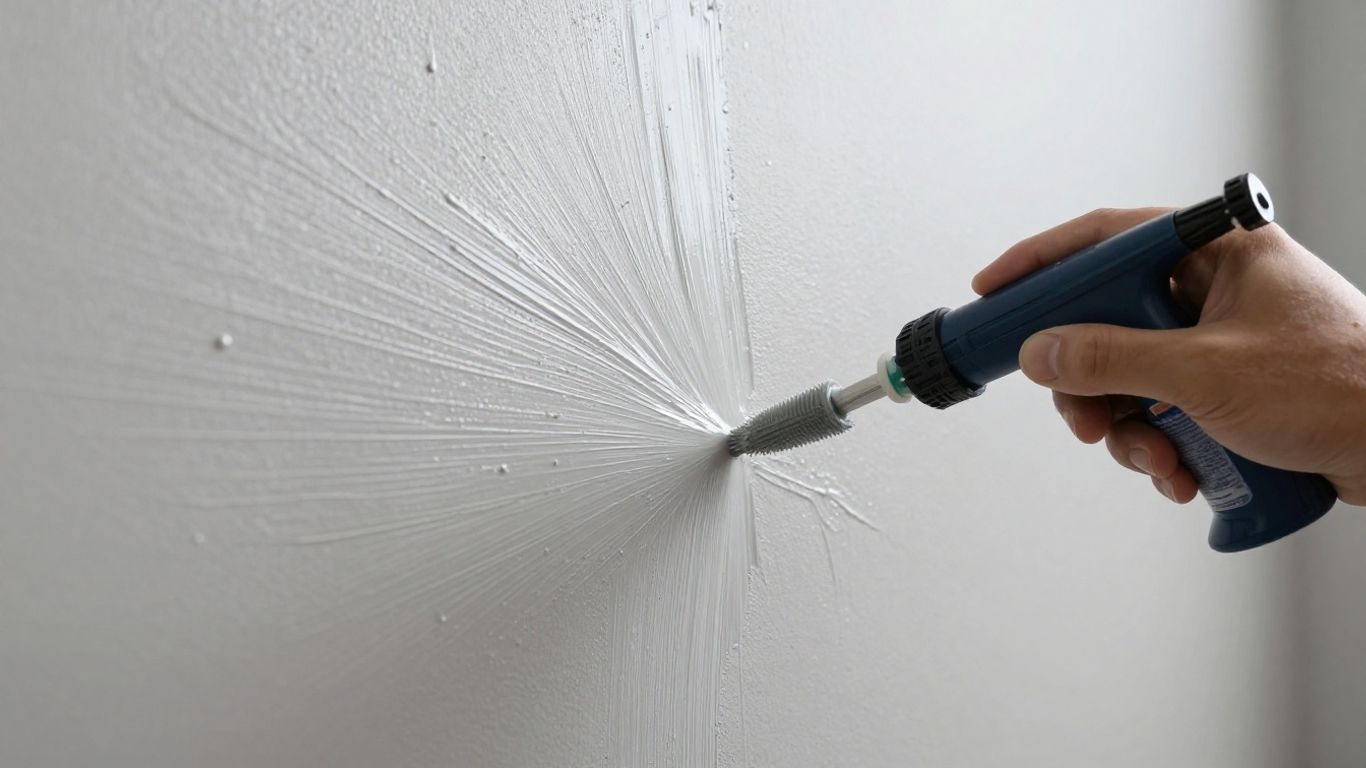
Water damage to walls can be a real headache, turning a comfortable home into a source of constant worry. It’s not just about the unsightly stains; unchecked leaks can compromise the structural integrity of your home and lead to mould growth. Understanding the common culprits behind wall seepage is the first step to tackling the problem effectively.
COMMON CAUSES OF WALL SEEPAGE
Wall leaks often stem from a combination of external and internal factors. Externally, issues with your home’s drainage system are frequent offenders. Blocked gutters or downpipes can cause water to overflow and pool around your foundations, putting pressure on walls. Poorly graded landscaping that directs water towards the house also contributes significantly. Over time, even small cracks in mortar or render can allow moisture to penetrate, especially during heavy rainfall common in many parts of Australia.
THE IMPACT OF EXTERIOR DRAINAGE
Your home’s exterior drainage is its first line of defence against water ingress. When gutters are clogged with leaves and debris, rainwater can’t flow away freely. Instead, it spills over the sides, saturating the ground near your walls. This constant dampness can weaken building materials and create pathways for water to seep into the wall cavity. Similarly, if the ground slopes towards your house, water will naturally gravitate towards your foundations and walls, exacerbating any existing vulnerabilities.
INTERIOR FACTORS CONTRIBUTING TO MOISTURE
It’s not always about what’s happening outside. Inside your home, inadequate ventilation is a major contributor to moisture buildup. In bathrooms, kitchens, and laundry areas, steam and humidity can get trapped, especially if there’s poor airflow. This moisture can condense on cooler surfaces, like behind furniture or in poorly ventilated corners, creating ideal conditions for mould and mildew. Plumbing leaks within walls, though often hidden, can also cause significant water damage over time, only becoming apparent when stains appear or damp patches form.
Identifying the root cause of wall water leakage is paramount. Simply treating the symptom, like painting over a stain, won’t solve the underlying problem and will likely lead to recurring issues. A thorough assessment, considering both external drainage and internal moisture sources, is key to selecting the right waterproofing solution.
MAINTAINING YOUR HOME'S WATERPROOFING
Keeping your home’s waterproofing in good nick is pretty important, not just for stopping leaks but for the overall health of your place. Think of it like regular check-ups for your house – they catch little issues before they turn into big, expensive headaches.
Preventing Mould Growth and Dampness
Mould and dampness aren’t just unsightly; they can actually affect the air quality inside your home and even damage building materials over time. Regular checks, especially in areas prone to moisture like bathrooms and kitchens, can help spot early signs.
- Ventilation is key: Make sure bathrooms and laundries have working exhaust fans.
- Wipe down wet surfaces: After showers, give shower screens and walls a quick wipe.
- Check for leaks: Keep an eye out for any drips or damp patches, even small ones.
Protecting Foundations from Water Infiltration
Your home’s foundations are its bedrock, literally. Water pooling around the base of your house can cause serious structural problems down the track. This is where good external drainage and well-maintained waterproofing membranes come into play.
- Clear gutters and downpipes: Ensure they’re free of leaves and debris so water can flow away from the house.
- Check soil levels: The ground around your foundation should slope away from the house.
- Inspect external walls: Look for any cracks or gaps where water might be getting in.
The Role of Waterproofing in Home Maintenance
Waterproofing isn’t a ‘set and forget’ job. It’s an ongoing part of looking after your property. Regular inspections and prompt repairs are far more cost-effective than dealing with major water damage. Think of it as an investment in your home’s longevity and your own peace of mind.
A proactive approach to waterproofing maintenance can save you a fortune in the long run. It’s about being observant and addressing minor issues before they escalate into significant structural concerns.
Keeping your home dry is super important, and that means looking after its waterproofing. Regular checks can catch small problems before they become big, leaky headaches. Don’t wait for water damage to strike; make sure your home is protected. Visit our website today to learn more about how we can help keep your home safe and dry.
Wrapping Up Your Waterproofing Choice
So, picking the right waterproofing for your place can feel like a big job, but it’s definitely worth the effort. We’ve looked at different options, from liquid membranes that seal up nicely to other types that might suit different spots around your home. Remember to think about our Aussie weather, where it’s going to go, and how long you want it to last. Getting this right means fewer headaches down the track and a home that’s protected from whatever the sky throws at it. Don’t skimp on this – a solid waterproofing job is a smart move for any homeowner.
Frequently Asked Questions
What exactly is liquid waterproofing?
Think of liquid waterproofing like a special paint or coating you put on surfaces. Once it dries, it turns into a strong, rubbery layer that stops water from getting through. It’s great because it can cover tricky shapes and corners without leaving any gaps for water to sneak in.
Why is waterproofing so important for homes in Australia?
Australia has some wild weather! We get scorching heat and heavy rain. Without good waterproofing, water can seep into your walls and foundations, causing mould, damage, and expensive repairs. Proper waterproofing keeps your home dry and safe from these problems.
Can I do liquid waterproofing myself?
For smaller jobs, yes! Liquid waterproofing is often easier to apply than other types. You usually just need to prepare the surface well and then paint or roll it on. However, for big areas or if you’re unsure, it’s always best to get a professional.
Which areas of my house need waterproofing the most?
Bathrooms and wet rooms are number one because of showers and baths. Balconies, terraces, and roofs also need protection from rain. Even laundry rooms and kitchens can benefit from waterproofing to guard against spills and leaks.
How long does liquid waterproofing last?
Good quality liquid waterproofing can last for many years, often decades! It’s designed to be tough and flexible, so it can handle the ups and downs of temperature without cracking. Choosing a durable product means long-term protection for your home.
What's the difference between polyurethane and other liquid membranes?
Polyurethane is a type of liquid membrane known for being super flexible and strong. It can stretch and shrink with temperature changes, which is perfect for Australia’s climate. This makes it really good at preventing cracks and lasting a long time, even in tough weather.
Do I need to follow any rules or standards for waterproofing in Australia?
Yes, you do. Australia has specific standards, like AS 3740, that tell you how and where waterproofing needs to be done, especially in wet areas. It’s important to follow these rules to make sure your waterproofing is done correctly and safely. Sometimes, you’ll need a licensed professional to check the work.
What if my walls are already leaking?
Leaking walls can happen for many reasons, like bad drainage outside, cracks in the walls, or even plumbing issues inside. Before you waterproof, it’s important to figure out why the wall is leaking. Sometimes, fixing the outside drainage or repairing cracks is the first step before applying a waterproofing solution.