
Getting bathroom waterproofing details right is a big deal, honestly. It’s not the flashiest part of building or renovating, but if you get it wrong, you’re in for a world of hurt later on. We’re talking leaks, mould, structural damage – the whole lot. This guide cuts through the jargon and gets straight to what you need to know to nail bathroom waterproofing in Australia, making sure your wet areas stay dry and sound for years to come.
Key Takeaways
- Always follow the National Construction Code (NCC) Volume Two and Australian Standard AS 3740:2021. These are your rulebooks for bathroom waterproofing in Australia.
- Surface prep is king. Make sure your walls and floors are clean, dry, and smooth before you even think about applying any membrane. Priming is usually a must.
- Don’t skimp on junctions and penetrations. Corners, pipes, and floor wastes are common leak spots, so pay extra attention to sealing them properly with bond breakers and fabric.
- Apply your waterproofing membrane in at least two coats, making sure you get the required upturn heights on walls and that there’s no missed spots. Let each coat cure properly.
- Get it checked! Book a building surveyor for inspections at the right stages, especially after waterproofing and before tiling. Have all your documentation ready.
UNDERSTANDING AUSTRALIAN BATHROOM WATERPROOFING STANDARDS
NATIONAL CONSTRUCTION CODE (NCC) VOLUME TWO
The National Construction Code (NCC) Volume Two is the big one, setting the minimum requirements for building work across Australia. For bathrooms, it basically says wet areas need to be waterproofed properly to stop water getting where it shouldn’t and damaging the building. The key performance requirement, H1D7, is pretty clear: "Wet areas in a building must be waterproofed or water resistant in accordance with AS 3740 and suitable for the intended use, to prevent the escape of water from the wet area and to prevent the degradation of structural elements." This means you can’t just wing it; you need to follow the rules.
AUSTRALIAN STANDARD AS 3740:2021
This is the standard that the NCC points to for how to actually do the waterproofing. AS 3740:2021, ‘Waterproofing of domestic wet areas’, is the detailed instruction manual. It covers everything from what materials you can use to how you prepare surfaces, apply membranes, and even how high they need to go up the walls. Following AS 3740 is generally how you demonstrate compliance with the NCC. It specifies things like:
- Minimum membrane heights for showers, baths, and general wet areas.
- How to treat corners, junctions, and penetrations like pipes.
- The need for bond breakers and reinforcing fabric in critical spots.
- Requirements for falls to floor wastes so water actually drains away.
- Construction details for shower hobs.
PERFORMANCE REQUIREMENTS OF AS/NZS 4858:2004
While AS 3740 tells you what to do, AS/NZS 4858:2004, ‘Wet area membranes’, focuses on the materials themselves. This standard sets out the performance criteria that waterproofing membranes must meet. It’s about making sure the membrane you choose is actually up to the job of holding back water over time. Most liquid-applied membranes used in domestic bathrooms will need to conform to this standard, often being classified as Class III flexible membranes.
STATE-SPECIFIC REGULATORY VARIATIONS
Even though we have national standards, it’s worth remembering that each state and territory can have its own little quirks or additional requirements. While AS 3740 is the benchmark, always double-check with your local council or state building authority. Sometimes there are minor variations or specific interpretations that apply in your area. It’s better to know upfront than to find out later that something wasn’t quite right for your specific location.
PREPARING SURFACES FOR WATERPROOFING
Right, before we even think about slathering on any waterproofing goo, we need to get the actual surfaces ready. This isn’t just a quick wipe-down; it’s a proper prep job. Get this wrong, and your fancy membrane is basically useless.
SUBSTRATE CLEANLINESS AND DRYNESS
First things first, everything needs to be spotless. We’re talking no dust, no grease, no random bits of plaster or anything else that might have fallen on it during construction. A good vacuum is your best mate here, followed by a damp cloth if needed, but make sure it dries out completely afterwards. Seriously, dryness is key. Any moisture trapped under the membrane will cause problems down the track, guaranteed.
REPAIRING SUBSTRATE IMPERFECTIONS
Got any cracks, holes, or dodgy bits in your sheeting or concrete? They need fixing. Small gaps and cracks (usually anything over 3mm) should be filled with a suitable repair compound. Think of it like patching up a wall before you paint it – you want a nice, even surface. If there are any really high spots, you might even need to give them a quick grind down. The goal is a smooth, solid base.
PRIMING FOR OPTIMAL ADHESION
Most waterproofing systems need a primer. This stuff acts like a sticky base layer, helping the membrane stick properly. It’s super important to use the exact primer recommended by the membrane manufacturer. They’re formulated to work together. Apply it evenly with a roller or brush, making sure you cover everything that’s going to get waterproofed. Check the manufacturer’s instructions for drying times – you want it tacky, not soaking wet, before the first coat of membrane goes on.
ENSURING SUBSTRATE EVENNESS
Beyond just filling holes, the whole surface needs to be reasonably flat and even. This isn’t about making it perfectly smooth like glass, but you don’t want big dips or humps. Unevenness can lead to thin spots in the membrane, especially in corners or around edges, which is exactly where water likes to sneak in. A level surface also makes applying the membrane much easier and more consistent.
CRITICAL JUNCTIONS AND PENETRATIONS
Right, let’s talk about the bits that usually cause the most grief in bathroom waterproofing: the junctions and penetrations. These are the spots where different surfaces meet, or where pipes and fixtures poke through the walls and floors. Get these wrong, and you’re pretty much asking for trouble down the track.
SEALING INTERNAL CORNERS AND WALL-TO-FLOOR JUNCTIONS
Think of these as the ‘inside’ corners, like where your shower wall meets the floor, or where two walls join up. These areas are prone to flexing and cracking, so they need a bit of extra attention. The key here is to create a flexible bridge that can handle movement without splitting.
- First up, apply a flexible sealant. This usually goes into the corner itself, creating a neat, slightly rounded bead. It acts as a base for the next step.
- Then, you’ll typically embed a reinforcing fabric or tape. This is usually a non-woven polyester or fibreglass material. You lay it into the wet membrane (we’ll get to that later) in the corner, making sure it’s fully saturated and there are no wrinkles.
- This combination of sealant and fabric creates a strong, yet flexible, joint that can absorb minor building shifts without compromising the waterproof barrier.
TREATING PIPE PENETRATIONS AND FIXTURE OUTLETS
Every pipe that comes through the wall – think shower mixers, toilet cistern connections, vanity taps – and every floor waste needs careful sealing. It’s not just about slapping some sealant around it.
- Clean the area thoroughly. Any dust or grime will stop the sealant and membrane from sticking properly.
- Apply a flexible sealant around the pipe or outlet. Make sure it fills any gaps.
- Often, a bond breaker or reinforcing fabric is used here too. This is wrapped around the penetration, embedded into the sealant or the first coat of membrane, to prevent stress cracking.
- The membrane itself must then be carefully dressed up and over the sealed penetration, creating a continuous waterproof surface. Don’t leave any gaps or sharp folds.
BOND BREAKERS AND REINFORCING FABRIC APPLICATION
We’ve touched on these already, but they’re worth a separate mention because they’re so important. A bond breaker is basically a flexible material that allows for movement between two surfaces without tearing the main waterproofing membrane. Reinforcing fabric adds strength to these critical areas.
- Bond breakers are often flexible sealant beads or specific tapes applied at junctions before the main membrane goes on.
- Reinforcing fabric is usually a non-woven material that gets embedded into the liquid membrane, particularly at corners, junctions, and around penetrations.
- The goal is to create a continuous, flexible, and strong waterproof barrier that can withstand the stresses and strains of a bathroom environment.
CONSTRUCTING STABLE SHOWER HOBS
Shower hobs (the little step or curb at the entrance to your shower) are a common weak point. They need to be solid and properly integrated with the waterproofing.
- Ensure the hob is built securely. It needs to be stable and not move independently of the floor or walls.
- The waterproofing membrane must extend up and over the hob, typically to a specified height (check the standards!), and be properly sealed to the wall membrane.
- Pay attention to the internal corner where the hob meets the shower floor. This junction needs the same treatment as any other internal corner – sealant and reinforcing fabric.
These critical junctions and penetrations are where most waterproofing failures occur. It’s not the big flat areas that leak; it’s these detailed spots. Taking the time to get them right, following the manufacturer’s instructions and the relevant Australian Standards, will save you a massive headache and a lot of money later on.
WATERPROOFING MEMBRANE APPLICATION TECHNIQUES
FIRST COAT APPLICATION AND COVERAGE
Applying the first coat of your waterproofing membrane is where the real barrier starts to form. It’s all about getting a good, even spread across the prepared surface. You want to avoid any thin spots or gaps, as these are the first places water will try to sneak through. Think of it like painting – you need consistent strokes and good coverage. The manufacturer will give you a coverage rate, usually in square metres per litre. It’s really important to stick to this. If you spread it too thin, you won’t get the full protection you need, and if you go too thick in places, you might run out or it might not cure properly.
- Always follow the manufacturer’s recommended coverage rate.
- Use the right tools – a roller or brush designed for the membrane type works best.
- Work methodically, covering the entire surface without missing any areas.
SECOND COAT APPLICATION AND OVERLAP
Once the first coat has had a chance to dry properly – and don’t rush this bit, check the product’s instructions – it’s time for the second coat. This coat is just as important as the first. Often, the second coat is applied in a different direction to the first, which helps to ensure you’ve covered any tiny spots you might have missed. If you’re using a liquid-applied membrane, you’ll want to overlap the edges of the first coat slightly. This creates a continuous, seamless barrier. If you’re using a fabric-reinforced system, this second coat will often embed the fabric fully.
ACHIEVING MANDATORY UPTURN HEIGHTS
This is a big one, especially in shower areas and around the edges of wet areas. The membrane needs to turn up the walls by a specific height. This ‘upturn’ acts like a dam, stopping water from getting behind the wall tiles or down the back of the hob. The National Construction Code (NCC) and AS 3740:2021 specify these heights, and they are non-negotiable. For showers, this usually means turning the membrane up at least 150mm above the finished floor level, but it’s often higher, especially at the hob. Make sure you’re using the correct height for your specific situation.
| Area Type | Minimum Upturn Height (from finished floor) | Notes |
|---|---|---|
| Shower Recess | 150mm | Often higher at hob and up to ceiling |
| Bath Edges | 150mm | |
| Laundry Tubs | 150mm | |
| General Wet Area | 100mm | Check specific requirements for walls |
MEMBRANE CURE TIMES BETWEEN COATS
Patience is a virtue, especially when it comes to waterproofing. Each layer of membrane needs time to cure properly before the next step. Applying a second coat too soon, or trying to tile over a membrane that hasn’t fully cured, can trap moisture. This can lead to blistering, delamination, and ultimately, a failed waterproofing job. Always check the manufacturer’s technical data sheet for the exact drying and curing times. These times can vary depending on the product, temperature, and humidity, so it’s not always a fixed number of hours.
Rushing the drying and curing stages is a common mistake that can compromise the entire waterproofing system. Always allow adequate time between coats and before proceeding to the next stage of construction, such as tiling or fixture installation.
SPECIFIC WET AREA WATERPROOFING REQUIREMENTS
Shower Recess Membrane Extent
When you’re waterproofing a shower recess, the membrane needs to go up the walls quite a bit. We’re talking at least 150mm above the finished floor level, but that’s just the bare minimum. For better protection, especially if you’ve got a hob, it’s recommended to extend the membrane up to the ceiling height or at least 1800mm from the floor, whichever is less. This covers all the areas where water is likely to splash around. Don’t forget the floor too – it needs to be fully covered and fall correctly towards the drain.
Bath and Laundry Area Membrane Heights
For areas like baths and laundry tubs, the rules are a bit different but still important. The membrane needs to extend at least 150mm up the walls from the finished floor level. If the bath or laundry tub is installed against a wall, the membrane should go up behind the fixture and extend at least 150mm above the top edge of the fixture. This stops water from getting behind and under the tub or machine. It’s all about creating a continuous barrier.
General Wall and Floor Waterproofing
Beyond the immediate shower or bath area, other parts of the bathroom also need attention. All floor surfaces in wet areas must be waterproofed. For walls, the requirements depend on their proximity to water sources. Walls within the shower area need full coverage. Walls adjacent to showers, baths, and laundry troughs typically require waterproofing up to at least 150mm from the floor. Some areas, like behind vanities or toilets, might have less stringent requirements, but it’s always best to check the specific details in AS 3740:2021.
Falls to Floor Wastes and Drainage
This is a big one that often gets missed. The floor in any wet area, especially shower recesses, must be graded so that water naturally flows towards the floor waste. AS 3740 specifies a minimum fall of 1:100 (1cm drop over 1 metre) for at least 1.2 metres from the shower opening or the fixture. For shower floors, the fall needs to be between 1:80 and 1:100. This ensures water doesn’t pool on the floor, which can lead to leaks and damage over time. Getting these falls right is critical for the whole system to work properly.
WATERPROOFING APPLICATION AND INSPECTION CHECKLISTS
PRE-WATERPROOFING SITE READINESS
Before you even think about rolling on that first coat of membrane, a bit of prep work is absolutely key. It’s like getting ready for a big exam – you wouldn’t just show up without studying, right? Same deal here. You need to make sure the site is ready to go.
- Check your plans: Have you got the latest versions of your architectural and plumbing drawings? Make sure they align with AS 3740 and the NCC. No point waterproofing if the design isn’t right.
- Materials on hand: Is everything you need actually on site? We’re talking primer, the membrane itself, bond breakers, reinforcing fabric – the works. Ideally, get it all from the one manufacturer to avoid compatibility headaches.
- Substrate sorted: The surfaces you’re waterproofing need to be spot on. Think clean, dry, and solid. If you’re using fibre cement sheeting or water-resistant plasterboard, it needs to be securely fixed, with no gaps or damage. Any joins should be taped and filled if the membrane maker says so.
- Drains and pipes: Floor wastes and puddle flanges need to be installed correctly and firmly. Same goes for any pipe penetrations – they should be neat, stable, and not wobbly.
- Clean up: Give the whole area a good sweep and vacuum. Dust and debris are the enemies of good adhesion. And seriously, make sure it’s completely dry.
Skipping these steps is a fast track to problems down the line. A bit of extra time now saves a lot of grief later.
DURING WATERPROOFING APPLICATION CHECKS
Alright, the prep is done, and you’re ready to apply the membrane. This is where the real action happens, but you still need to be vigilant. It’s not just about slapping it on; it’s about doing it right.
- Primer first: Apply the primer evenly, as per the manufacturer’s instructions. Let it cure properly before moving on. This step is vital for adhesion.
- Corners and joints: These are the weak spots. Make sure you’ve used bond breakers or reinforcing fabric at all internal corners, wall-to-floor junctions, and around penetrations. This allows for slight movement without tearing the membrane.
- First coat: Apply the first coat of membrane. Pay attention to coverage – you don’t want thin spots. And crucially, get that mandatory upturn height. For showers, it’s usually 1800mm up the wall. For baths and laundries, it’s typically 150mm, and 100mm for general walls.
- Cure time: Let that first coat cure completely. Check the manufacturer’s datasheet for the exact times. Rushing this can ruin the whole job.
- Second coat: Apply the second coat, making sure you overlap correctly and achieve full, even coverage. Again, check that upturn height is maintained.
POST-WATERPROOFING AND FLOOD TESTING
So, the membrane is on. Looks good, right? But we’re not quite done yet. There are a couple more critical checks before you can even think about tiling.
- Full cure: Allow the final coat of membrane to cure fully. This can take a few days, depending on the product and the weather. Don’t guess; check the specs.
- Flood test (showers): This is a non-negotiable for shower recesses. Block the drain and fill the shower base with water to the height of the hob or the finished floor level. Leave it for at least 24 hours, ideally 48. Check for any leaks or drops in water level.
- Visual inspection: Even if you don’t do a flood test (though you really should for showers), give the entire waterproofed area a thorough visual inspection. Look for any pinholes, tears, or areas that look thin.
A flood test is your best friend. It’s the ultimate way to catch leaks before they become a massive, expensive problem hidden behind tiles.
DOCUMENTATION FOR SURVEYOR INSPECTION
When the building surveyor comes to check your waterproofing, you need to be ready. They’re not just there to look; they need proof that the job was done correctly and to standard.
- Material data sheets: Have the technical data sheets for your primer, membrane, and any other associated products readily available. These show what you used and how it’s supposed to perform.
- Manufacturer’s warranty: Keep the warranty information for the waterproofing system. This shows you’ve used products that are designed to work together and come with a guarantee.
- Application records: If you’ve kept notes or photos of the application process, especially at critical junctions or during the flood test, have them handy. This can help demonstrate due diligence.
- Compliance certificates: Any relevant certificates for the products used, or for the work itself if performed by a licensed contractor, should be organised.
Being organised with your paperwork makes the inspection process smoother and gives the surveyor confidence in your work.
POST-WATERPROOFING AND TILING INTEGRITY
Right, so you’ve got your waterproofing all done and dusted, looking like a solid barrier against any rogue water. But hold on a sec, the job isn’t quite finished. The next bit, tiling, is where things can go sideways if you’re not careful. It’s all about protecting that membrane you just spent ages applying and making sure it stays put and does its job.
PROTECTING THE MEMBRANE DURING TILING
This is a big one. You’ve got this lovely, cured membrane, and now you’re going to be walking on it, dropping tools, and sticking tiles to it. It’s pretty easy to accidentally nick or damage it. Think about where you’re placing your buckets of adhesive or grout, and try not to drag anything heavy across the floor. If you need to drill holes for things like shower screen frames or towel rails later on, you absolutely must plan for this. Ideally, you’d have put blocking in the walls before waterproofing, or you’re using glues that don’t need screws. If you do have to drill, make sure you use the right backing and plenty of waterproof sealant to seal up any new holes properly. Don’t just wing it; a small hole can turn into a big problem down the track.
ENSURING CORRECT TILE ADHESIVE COVERAGE
When it comes to sticking your tiles down, you can’t just slap adhesive on in blobs. That old ‘dot and dab’ method? Yeah, that’s a no-go according to the Australian Standards (AS 3958.1). You need full coverage. This means the entire back of the tile, or at least the substrate, should have adhesive on it. Why? Because gaps under tiles are like little water traps. Water can sit there, potentially finding its way through grout lines and stressing the waterproofing underneath. Plus, tiles with poor adhesive coverage are more likely to crack or come loose.
Here’s a quick rundown on what to aim for:
- Full Bed Application: Aim to cover at least 90% of the back of the tile or the substrate.
- Consistent Thickness: Use the right trowel size to get an even layer of adhesive.
- No Gaps: Avoid leaving large voids, especially around the edges of tiles.
PROPER GROUTING AND SEALANT APPLICATION
Once the tiles are in, it’s time for grout. Grout isn’t waterproof, but it does help keep water out of the tile joints. Make sure you pack the grout in properly, so there are no gaps. After grouting, you’ll have some joints that need sealing, especially corners and where tiles meet fixtures like the bath or shower base. Use a good quality, flexible sealant (like silicone or polyurethane) for these areas. This flexible sealant is your last line of defence, accommodating minor movement and preventing water from getting behind the tiles.
FINAL FIXTURE INSTALLATION AND TESTING
Before you call it a day, there are a few final checks. Make sure all your fixtures – taps, shower heads, toilets – are installed correctly and sealed around their bases. Any leaks here can also cause issues. And remember that flood test you (hopefully) did before tiling? It’s worth doing a quick check again after everything is installed, especially if you had to drill any holes for fixings. A final look around for any obvious issues is always a good idea.
Skipping the flood test before tiling is a massive gamble. It’s your final chance to catch any leaks before they’re hidden forever. Always, always do it, especially in shower areas, and leave it for at least 24 hours.
COMMON WATERPROOFING MISTAKES AND RECTIFICATION
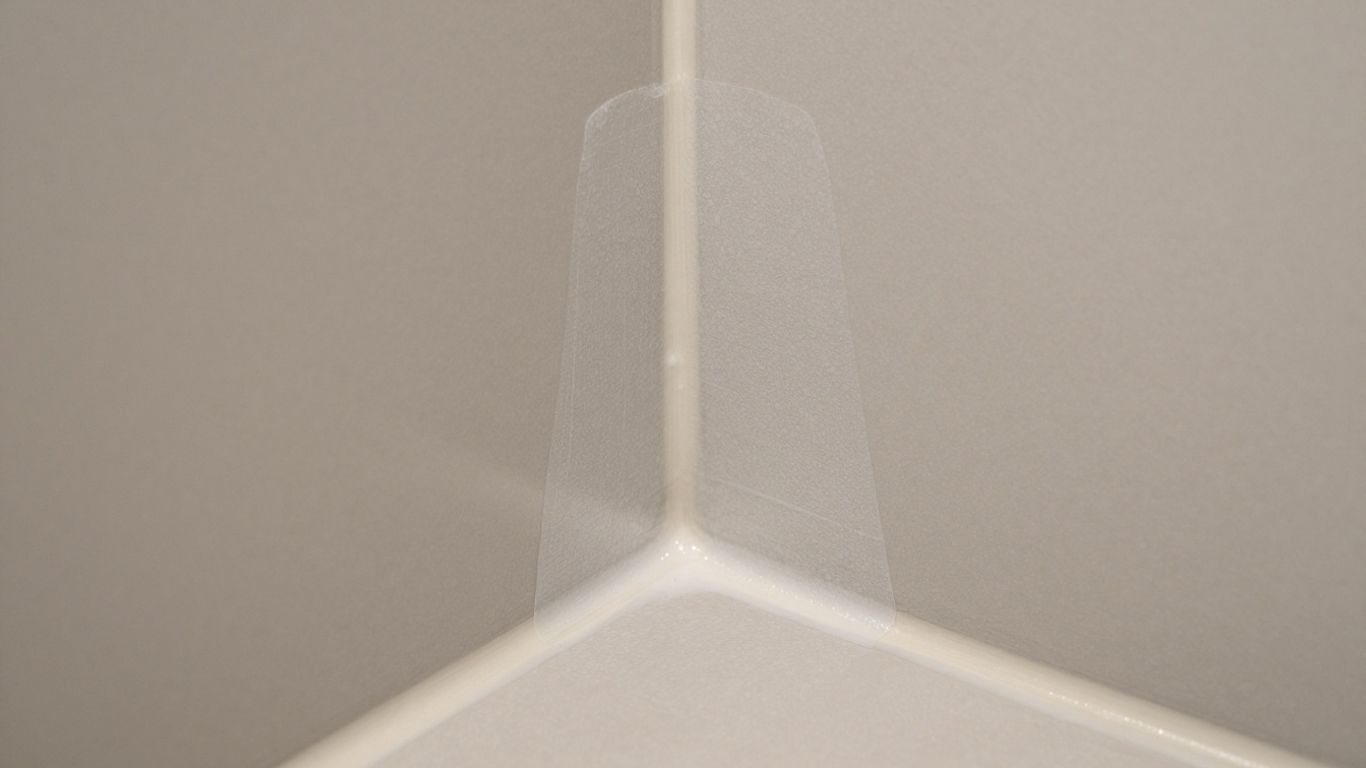
Look, waterproofing a bathroom isn’t rocket science, but it’s definitely one of those jobs where getting it wrong can cost you a fortune down the track. We see it all the time – people cutting corners or just not knowing the right way to do things, and then boom, leaks. Let’s talk about the usual suspects and what you’ll have to do to fix them.
Inadequate Surface Preparation Errors
This is probably the most common reason waterproofing fails. If you slap your membrane onto a dusty, oily, or uneven surface, it just won’t stick properly. You might not notice it straight away, but eventually, it’ll start to peel or blister, and water will find its way through. It’s like trying to glue a sticker onto a dirty window – it just doesn’t hold.
- Cleaning: All surfaces must be free of dust, grease, and any loose bits.
- Drying: The substrate needs to be completely dry before you start.
- Repairing: Any cracks, holes, or uneven spots need to be filled and smoothed.
- Priming: Use the primer recommended by your membrane manufacturer. This helps the membrane stick.
Rectifying this usually means ripping up tiles, stripping back the old waterproofing, prepping the surface all over again, and then re-waterproofing and re-tiling. It’s a massive headache and a big hit to the wallet.
Incorrect Membrane Application or Coverage
Sometimes, people just don’t use enough membrane, or they miss spots. The membrane needs to be applied at the thickness specified by the manufacturer to do its job. Applying it too thinly or not covering all the required areas, especially corners and junctions, leaves weak points.
- Coat Thickness: Always follow the manufacturer’s instructions for coverage rates to achieve the correct dry film thickness (DFT).
- Coverage: Ensure the entire area, including corners, upstands, and penetrations, is fully covered.
- System Compatibility: Use primers, membranes, and accessories from the same manufacturer to avoid issues.
If the membrane isn’t applied correctly, you’re looking at a similar fix to surface prep errors – strip out, re-do. It’s a real pain, and honestly, it’s often cheaper to get it right the first time.
Failure to Address Falls to Floor Wastes
This is a big one, especially in showers. If the floor doesn’t slope correctly towards the drain, water will just sit there. This can lead to mould growth and eventually find its way through grout lines or around the drain, stressing the waterproofing.
- Gradient: The floor needs a consistent fall of at least 1:80 (12.5mm per metre) towards the floor waste.
- Drainage: Water must always be directed to the drain, never pooling on the surface.
- Compliance: This is a requirement under the National Construction Code (NCC).
Fixing this often involves removing tiles and either grinding the substrate to create the correct fall or applying a screed. Sometimes, if the substrate itself is the problem, a full strip-out might be needed.
Compromised Membrane Integrity During Fit-Out
This happens after the waterproofing is done but before the tiles are fully finished. It’s when things like shower screens, towel rails, or vanity brackets are drilled directly through the waterproofed membrane without proper sealing. You’ve done all that work, and then someone puts a hole in it!
- Planning: Identify all fixing points before waterproofing. Ideally, install blocking within the wall cavity for fixings.
- Sealing: If drilling is unavoidable, use appropriate backing and a generous amount of waterproof sealant around the penetration.
- Flood Testing: Always conduct a flood test for at least 24 hours before tiling. This is your last chance to catch leaks before they’re hidden.
Rectification here depends on the damage. Minor penetrations might be sealed, but significant damage could mean localised repairs or, in the worst case, a larger section needing to be redone. It highlights why careful planning and communication on site are so important.
RESOURCES FOR BATHROOM WATERPROOFING DETAILS
AUSTRALIAN BUILDING CODE AND STANDARDS ACCESS
Getting your hands on the official documents is the first step. You’ll want to check out the National Construction Code (NCC) Volume Two for the overarching rules. Then, for the nitty-gritty on waterproofing, grab a copy of Australian Standard AS 3740:2021, ‘Waterproofing of domestic wet areas’. It’s the main guide for bathrooms, laundries, and the like. Also, AS/NZS 4858:2004, ‘Wet area membranes’, is important for understanding the performance requirements of the membranes themselves. These documents are your primary reference points. You can usually find them online through the Australian Building Codes Board (ABCB) website for the NCC, and Standards Australia for the AS standards. Be aware that purchasing standards can cost a bit, but it’s a necessary investment for getting it right.
MEMBRANE MANUFACTURER TECHNICAL SUPPORT
Every waterproofing membrane product comes with its own set of instructions and specifications. It’s really important to follow these to the letter. Most manufacturers have technical support teams you can call or email if you’re unsure about anything. They can clarify application methods, coverage rates, cure times, and what primers or accessories you need to use with their specific product. Don’t guess; ask the experts who made the stuff. They often have detailed technical data sheets and installation guides available on their websites too, which are super helpful.
STATE-SPECIFIC REGULATORY GUIDANCE
While the NCC and AS 3740 provide a national framework, individual states and territories can have their own specific building regulations or interpretations. For example, you might find variations in inspection requirements or specific clauses that need attention. It’s a good idea to check the websites of your local building authority. These are often called things like Fair Trading in NSW, the Victorian Building Authority (VBA) in Victoria, or the Queensland Building and Construction Commission (QBCC) in Queensland. They usually have sections dedicated to owner-builders or home renovations that can point out local nuances.
ENGAGING BUILDING PROFESSIONALS AND SURVEYORS
Sometimes, you just need a bit of professional backup. Engaging a licensed building surveyor early on is a smart move. They are the ones who will be signing off on your work, so understanding their inspection stages and requirements from the start saves a lot of headaches. They can also offer advice on compliance. If you’re feeling overwhelmed or unsure about a specific aspect, consider hiring a building consultant or a qualified waterproofing professional for a site visit or a second opinion. They can spot potential issues you might miss and provide practical solutions. Their experience can prevent costly mistakes down the track.
Here’s a quick rundown of who might be helpful:
- Building Surveyor: For official inspections and compliance checks.
- Waterproofing Specialist: For advice on application and product selection.
- Plumber: To ensure drains and penetrations are installed correctly before waterproofing.
- Building Consultant: For general advice and troubleshooting.
Remember, while DIY is rewarding, getting professional advice when you need it is a sign of good planning, not weakness. It’s about making sure the job is done right the first time.
Looking for tips on how to waterproof your bathroom properly? We’ve got you covered with all the essential details. Don’t leave your bathroom’s protection to chance; explore our expert advice and ensure a long-lasting, water-tight space. Visit our website today for all the information you need!
Wrapping Up Your Waterproofing Project
So, we’ve gone through the ins and outs of getting your bathroom waterproofing sorted, the Australian way. It’s a bit of a process, no doubt about it, with plenty of details to keep track of. But by following the standards like AS 3740 and the NCC, and paying close attention to things like surface prep and membrane application, you’re setting yourself up for a bathroom that won’t cause headaches down the track. Remember to use those checklists and don’t hesitate to get in touch with manufacturers or your building surveyor if you’re unsure about anything. Getting this right means a drier, longer-lasting bathroom for your home.
Frequently Asked Questions (FAQs)
What exactly is a 'wet area' in a house, and why does it need special waterproofing?
A ‘wet area’ is basically any room in your house where water is regularly used, like bathrooms, laundries, or kitchens with sinks. Think showers, baths, toilets, and sinks – anywhere water splashes around. These areas need special waterproofing because if water gets behind the walls or under the floor, it can cause a lot of damage over time, like rot, mould, and even weaken the building’s structure. Waterproofing acts like a protective shield to keep that water where it belongs.
Which Australian rules do I need to follow for waterproofing bathrooms?
In Australia, the main rulebook is the National Construction Code (NCC), specifically Volume Two. For waterproofing, you’ll also need to follow Australian Standard AS 3740:2021, which is all about waterproofing domestic wet areas. It lays out exactly how to do it properly, from preparing surfaces to applying the waterproofing materials and checking everything’s sealed up tight.
What's the most common mistake people make when waterproofing a bathroom?
One of the biggest blunders is not preparing the surfaces properly before starting. This means not cleaning them well enough, not fixing any cracks or holes, or not using the right primer. If the surface isn’t clean and smooth, the waterproofing won’t stick properly, and it’s likely to fail down the track. Another common mistake is not sealing all the tricky bits, like corners, pipe openings, and where the walls meet the floor.
How high do I need to waterproof the walls in a shower area?
For shower areas, the waterproofing membrane needs to go up the walls to a height of 1800mm from the finished floor level. This is to make sure that even if water splashes around a lot, it’s contained within the shower recess and won’t escape behind the walls or tiles.
Do I really need to do a flood test, and how long does it take?
Yes, a flood test is super important, especially for shower areas. It’s like a final check to make sure your waterproofing is totally leak-proof before you cover it all up with tiles. You usually block the drain and fill the shower base with water, leaving it for at least 24 hours, sometimes up to 48 hours. If you see any water drops or leaks anywhere below, you know there’s a problem that needs fixing straight away.
What's a 'bond breaker' and why is it used in waterproofing?
A bond breaker is usually a flexible tape or fabric that’s used at junctions, like where a wall meets the floor, or around pipes. It’s put in place before the main waterproofing membrane is applied. Its job is to allow for tiny movements between different building parts without cracking or tearing the waterproofing membrane itself. Think of it as a flexible joint that stops the waterproofing from being stressed out by normal building shifts.
Can I just use any old sealant around the edges, or does it have to be special?
You can’t just use any old sealant. For waterproofing, you need to use a flexible sealant that’s specifically designed for wet areas and is compatible with your waterproofing system. It needs to be able to handle moisture and movement without breaking down. Always check the product details or ask the waterproofing manufacturer what they recommend.
What happens if my waterproofing fails after the tiles are on?
If your waterproofing fails after tiling, it’s a really big and expensive problem to fix. You’ll likely have to remove all the tiles in the wet area, and possibly the waterproofing membrane underneath, to find and repair the leak. Then, you’ll have to re-waterproof and re-tile the whole area. It’s much, much cheaper and easier to get the waterproofing right the first time!