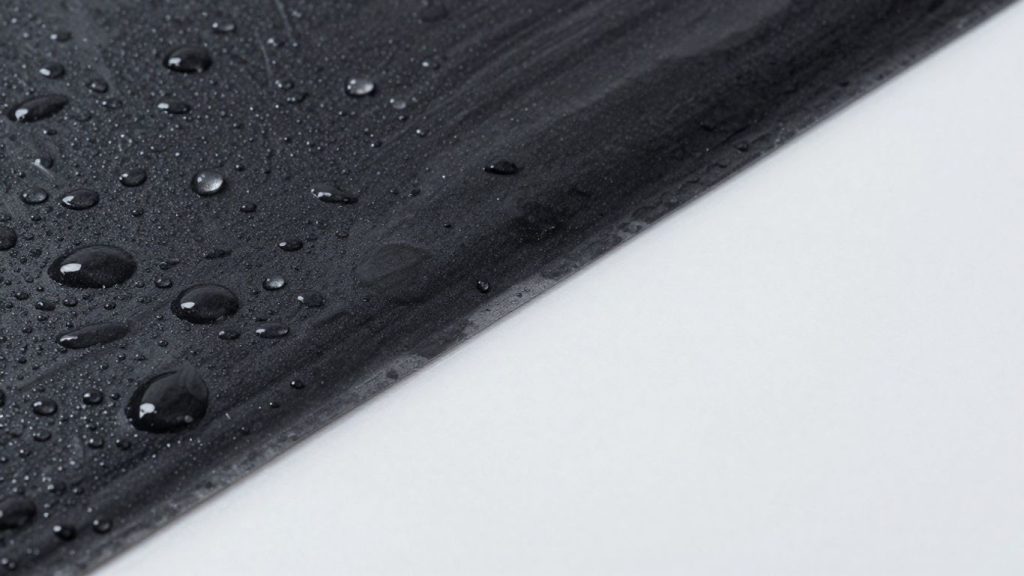
Waterproofing a building is a pretty big deal, and there are a couple of main ways to go about it: negative and positive waterproofing. You might be wondering what the difference is, or if one is just plain better than the other. Well, it’s not quite that simple. Both methods aim to keep water out, but they do it from different sides, and knowing which one to pick for your project can save you a whole lot of hassle down the track. Let’s break down negative and positive waterproofing so you can figure out the best fit for your needs.
Key Takeaways
- Positive-side waterproofing stops water from getting in by treating the outside of the structure.
- Negative-side waterproofing deals with water that’s already made its way inside, blocking it from spreading further.
- Positive-side is generally best for new builds where you can access the exterior easily.
- Negative-side is often used for repairs or when you can’t get to the outside of the building.
- Sometimes, using both negative and positive waterproofing gives you the best protection, especially in tricky spots.
UNDERSTANDING NEGATIVE AND POSITIVE WATERPROOFING
When we talk about keeping water out of buildings, there are two main ways to go about it: positive-side and negative-side waterproofing. They both aim to stop water damage, but they do it from different directions and in different situations. It’s not really about one being better than the other, but more about picking the right tool for the job.
THE FUNDAMENTAL PURPOSE OF WATERPROOFING
At its heart, waterproofing is all about protecting a structure from water. Whether it’s rain, groundwater, or even just moisture from inside a building, water can cause a lot of trouble. It can weaken foundations, encourage mould growth, and generally make a place damp and unhealthy. So, the main goal is to create a barrier that stops water from getting where it shouldn’t be. This barrier is key to the longevity and safety of any building.
CHOOSING THE RIGHT APPROACH FOR YOUR PROJECT
Deciding between positive and negative waterproofing really comes down to the specifics of your project. Are you building something new from the ground up? Or are you dealing with an older building that’s already showing signs of water issues? The accessibility of the structure, the type of water problem you’re facing, and your budget all play a part in this decision. It’s about understanding the problem and then selecting the method that best addresses it.
KEY DIFFERENCES AT A GLANCE
Here’s a quick rundown of how these two approaches stack up:
- Positive-Side Waterproofing: Applied to the exterior of a structure. It stops water before it even touches the building. Think of it as a raincoat for your house.
- Negative-Side Waterproofing: Applied to the interior of a structure. It deals with water that has already made its way through the outer layers. This is more like a towel for a spill that’s already happened.
The choice between these methods isn’t always clear-cut. Sometimes, the best solution involves using both to create a robust defence against moisture.
POSITIVE-SIDE WATERPROOFING EXPLAINED
EXTERNAL APPLICATION FOR ULTIMATE PROTECTION
When we talk about positive-side waterproofing, we’re really talking about stopping water before it even gets a chance to touch your building’s structure. Think of it as putting on a raincoat before you go out into the rain, rather than trying to dry off once you’re already soaked. This method involves applying waterproofing materials to the outside face of a structure. It’s generally considered the most robust way to keep water out because it creates a barrier right at the point where water would try to enter.
HOW POSITIVE-SIDE WATERPROOFING FUNCTIONS
This approach works by creating a shield on the exterior surfaces, like foundations, basement walls, or retaining walls. Water pressure, whether from rain or groundwater, pushes against this external layer. The waterproofing material then prevents that water from seeping through the concrete or masonry and into the building. It’s all about deflecting the water away from the structure entirely. This means the building materials themselves stay dry, which is pretty important for their long-term health.
COMMON MATERIALS AND APPLICATION METHODS
There’s a fair bit of variety when it comes to the stuff used for positive-side waterproofing. You’ll often see:
- Sheet Membranes: These are like big rolls of tough, flexible material, often made from bitumen or synthetic rubber. They’re laid out and sealed together to form a continuous barrier.
- Liquid-Applied Membranes: These are coatings that are sprayed, rolled, or trowelled onto the surface. They dry to form a seamless, flexible waterproof layer. Think of them like a thick, durable paint.
- Cementitious Coatings: These are cement-based materials mixed with polymers. They can be applied as a slurry and are good for concrete surfaces, offering a rigid but waterproof finish.
Applying these usually happens during the construction phase. It’s much easier to get to all the exterior surfaces when the building is still being built. For foundations, this often means coating the walls after they’ve been formed and before the soil is backfilled.
The key advantage here is that the waterproofing is the first line of defence. It protects the structural elements from constant moisture exposure, which can cause degradation over time. This proactive approach is generally more effective and less prone to issues down the track compared to trying to fix water problems from the inside.
NEGATIVE-SIDE WATERPROOFING EXPLAINED
EXTERNAL APPLICATION FOR ULTIMATE PROTECTION
Negative-side waterproofing is a bit different from what most people think of when they hear ‘waterproofing’. Instead of stopping water from getting to the outside of your building, this method works from the inside. It’s all about managing water that’s already managed to get into your structure, or preventing it from spreading further inside.
HOW NEGATIVE-SIDE WATERPROOFING FUNCTIONS
Think of it like this: water pressure is pushing from the outside, but negative waterproofing is applied on the inside surface. It doesn’t stop the water from reaching the wall itself, but it creates a barrier that stops it from coming through into your living or working space. This is often used when you can’t get to the outside of a foundation or wall, which happens a lot with existing buildings or tight spaces.
- Prevents further intrusion: Stops water from moving deeper into the building’s interior.
- Manages existing moisture: Deals with water that has already seeped into the structure.
- Useful for inaccessible areas: Applied when external access is difficult or impossible.
This approach is particularly handy for basements that are already showing signs of dampness or for underground structures where external access might be a major headache. It’s a way to control the problem from the inside out.
COMMON MATERIALS AND APPLICATION METHODS
There are a few ways to go about negative-side waterproofing, and the materials used are designed to bond with the interior surface.
- Cementitious Waterproofing: This is a common choice, especially for areas like bathrooms and laundries. It’s usually a mix of cement, sand, and special additives that you apply like a render. It’s pretty straightforward to mix and put on.
- Liquid Waterproofing Membranes: These are often applied in a few coats. You might have a primer coat followed by two top coats. They’re flexible, which is a good thing, and can be made from things like polyurethane or acrylics. Just make sure the surface is dry before you start.
- Bituminous Coatings: These are essentially asphalt-based coatings. They’re good for creating a flexible, protective layer, but you need to be mindful of how they’re formulated for the best results.
| Material Type | Typical Application Areas | Key Characteristic |
|---|---|---|
| Cementitious Waterproofing | Bathrooms, laundries, basements | Easy to apply |
| Liquid Membranes | Walls, floors, wet areas | Flexible |
| Bituminous Coatings | Foundations, walls | Protective layer |
KEY DIFFERENCES IN APPLICATION AND FUNCTION
When we talk about waterproofing, it’s not a one-size-fits-all situation. Positive and negative waterproofing methods have distinct ways they’re applied and how they work, and knowing these differences is pretty important for getting the job done right.
LOCATION OF APPLICATION: EXTERIOR VERSUS INTERIOR
The most obvious difference is where you actually put the waterproofing material. Positive-side waterproofing is all about tackling the problem from the outside. Think of it as building a shield before the water even gets a chance to touch your structure. This usually means applying membranes or coatings to the exterior surfaces of foundations, basement walls, or other below-ground elements. It’s the first line of defence.
Negative-side waterproofing, on the other hand, is applied to the interior surfaces. This approach is more about managing water that has already managed to get past the exterior or is seeping through. It’s like putting up a barrier on the inside wall to stop that water from reaching your living space or damaging the internal structure. This is often used when you can’t get to the outside, or as a secondary measure.
PRESSURE CONSIDERATIONS: EXTERNAL VERSUS INTERNAL
Water pressure is a big deal in waterproofing. Positive-side systems are designed to handle external hydrostatic pressure – that’s the force of groundwater pushing against your walls from the outside. Because they’re on the exterior, they can effectively block this pressure before it even becomes an issue for the building itself. They’re built to withstand that constant push from the soil and water table.
Negative-side systems, however, are generally dealing with much lower pressure, or at least, they’re not designed to hold back significant external hydrostatic pressure long-term. They’re more about stopping minor seepage or managing water that’s already found its way through cracks or porous materials. Trying to use a negative-side system to hold back a high water table is usually a recipe for trouble; it’s not what they’re built for. They work best when the water pressure is minimal or intermittent.
APPLICATION COMPLEXITY AND FEASIBILITY
Applying waterproofing isn’t always straightforward, and the method you choose really affects how easy or hard the job will be. Positive-side waterproofing, especially on new builds, is often simpler because you have clear access to the exterior surfaces before backfilling. You can lay membranes, apply coatings, and ensure good coverage without much fuss. However, if you’re dealing with an existing structure where the exterior is already buried, adding positive waterproofing can be a massive, expensive undertaking, often requiring extensive excavation.
Negative-side waterproofing can sometimes be easier to apply in terms of access, particularly in existing buildings or basements where digging up the outside isn’t practical. You can work from the inside. But, and this is a big ‘but’, the preparation is often more involved. You need to make sure the interior surface is clean, dry, and sound. Plus, as mentioned, its effectiveness is limited by the pressure it can handle. It’s often seen as a more reactive measure rather than a proactive one, and sometimes it’s the only option available when external access is just not possible.
EFFECTIVENESS AND DURABILITY CONSIDERATIONS
When we talk about waterproofing, how well it works over time and how long it lasts is a pretty big deal. It’s not just about stopping water today; it’s about keeping your building dry and sound for years to come.
LONG-TERM PROTECTION OF POSITIVE-SIDE SYSTEMS
Positive-side waterproofing, applied to the exterior, generally offers superior long-term protection. Because it acts as the first line of defence, it stops water before it even gets a chance to touch the structure. Think of it like a raincoat for your building. Materials used here, like robust membranes or coatings, are designed to withstand constant exposure to the elements – rain, sun, and even soil pressure if it’s underground. This external barrier is often more durable because it’s not constantly battling moisture that has already seeped in.
MAINTENANCE AND LONGEVITY OF NEGATIVE-SIDE SYSTEMS
Negative-side waterproofing, applied from the inside, has a different story. Its main job is to manage water that’s already found its way past the exterior. While effective for controlling leaks and dampness, these systems often require more regular checks and maintenance. Water can still find tiny pathways, and the materials are sometimes more susceptible to damage from within the building’s environment. Longevity can be good, but it often depends heavily on the specific materials chosen and how well they’re maintained. It’s more about containment than outright prevention.
IMPACT ON STRUCTURAL INTEGRITY
Both systems aim to protect the structure, but they do it differently. Positive-side waterproofing directly shields the building’s core from water ingress, which is ideal for preventing long-term damage like rot or corrosion to foundations and walls. Negative-side systems, while stopping water from entering living spaces, might not always prevent moisture from reaching the structural elements themselves. However, a well-executed negative system can still significantly slow down or stop moisture from causing widespread damage to the building’s bones.
Here’s a quick rundown:
- Positive-Side: Acts as a primary barrier, preventing water contact with the structure.
- Negative-Side: Manages water that has already penetrated, stopping it from entering occupied spaces.
- Durability: Positive systems often have an edge due to external exposure and direct water deflection.
- Maintenance: Negative systems may require more frequent inspections and upkeep.
The effectiveness of any waterproofing system, whether positive or negative, hinges significantly on the quality of the installation and the suitability of the chosen materials for the specific site conditions. A poorly installed positive system can fail, and a robust negative system can provide excellent service if applied correctly.
WHEN TO IMPLEMENT POSITIVE-SIDE WATERPROOFING
IDEAL SCENARIOS FOR EXTERNAL APPLICATION
Positive-side waterproofing is generally the go-to choice when you’ve got the chance to get at the outside of your structure. Think of it as putting on a raincoat before you go out in a storm, rather than trying to dry off once you’re already soaked. This method is best applied during the construction phase, before the building is even finished. It’s the most effective way to stop water from ever touching your building’s core.
BENEFITS FOR NEW CONSTRUCTION PROJECTS
For new builds, positive-side waterproofing is a no-brainer. It’s far simpler and more cost-effective to apply a protective layer to the exterior walls and foundations when everything is exposed. You’re essentially creating a complete shield from the outside in. This approach prevents water pressure from even reaching the structure, which is a big win for long-term durability and avoiding future headaches.
APPLICABILITY TO FOUNDATIONS AND BELOW-GROUND STRUCTURES
Foundations and any structures that sit below ground level are prime candidates for positive-side waterproofing. This includes basements, retaining walls, and underground car parks. Applying the waterproofing membrane to the exterior of these elements means you’re dealing with external water sources like groundwater and heavy rainfall right at the source. It’s the most robust way to keep these areas dry and prevent dampness from creeping in.
- New foundations
- Concrete slab construction
- Underground structures
Applying waterproofing to the exterior during construction is like building a fortress. It stops water before it even knows there’s a building to get into. This proactive approach saves a lot of trouble down the track.
WHEN TO IMPLEMENT NEGATIVE-SIDE WATERPROOFING
ADDRESSING EXISTING STRUCTURES AND REPAIRS
Sometimes, you’re not starting from scratch. Negative-side waterproofing really shines when you’re dealing with buildings that are already up and running, especially if they’ve got a bit of history. Think about older homes or commercial buildings where the exterior is already built up against, or maybe it’s just too tricky to get to. This is where applying waterproofing from the inside makes a lot of sense. It’s often the go-to for fixing leaks that have already found their way in, or for general moisture control in basements and underground areas that are already in use.
SITUATIONS WITH LIMITED EXTERIOR ACCESS
Let’s be honest, not every building project leaves you with a wide-open space around the foundations. If your building is right up against a neighbour’s wall, a busy street, or some other permanent structure, getting to the outside to apply waterproofing can be a real headache, or just plain impossible. In these cases, negative-side waterproofing becomes your best bet. You’re working from the inside, creating a barrier against water that’s trying to push its way in. It’s a practical solution when external access is just not on the cards.
MANAGING ALREADY OCCURRED WATER INFILTRATION
Water has a knack for finding its way in, and sometimes it gets there before you’ve even had a chance to think about waterproofing. If you’ve noticed damp patches, mould growth, or actual water pooling inside your basement or underground rooms, it means water has already breached the structure. Negative-side waterproofing is designed to tackle this head-on. It acts as a secondary defence, stopping the water that’s already inside from spreading further and causing more damage. It’s about controlling the intrusion once it’s happened.
Here’s a quick rundown of when negative-side waterproofing is often the most sensible choice:
- Existing Buildings: When you can’t easily access the exterior for application.
- Repair Work: To address leaks or dampness that have already appeared.
- Tight Spaces: Where external construction or application is physically blocked.
- Interior Moisture Control: Managing dampness in basements or underground areas that are already in use.
While positive-side waterproofing is generally preferred for its preventative capabilities, negative-side waterproofing offers a vital solution for existing issues and challenging site conditions. It’s about adapting the approach to the reality of the building and its environment.
POTENTIAL DRAWBACKS AND CHALLENGES
LIMITATIONS OF NEGATIVE-SIDE EFFECTIVENESS
While negative-side waterproofing is a useful tool, it’s important to know it doesn’t actually stop water from getting to your building’s structure. It’s more about managing water that’s already made its way in. This means that even with negative waterproofing, some moisture might still be present within the walls or floors. Over time, this can lead to dampness issues inside, potentially affecting finishes or even weakening the building materials if left unchecked. It’s a bit like putting a bucket under a leaky tap – it catches the drips, but the tap is still dripping.
MAINTENANCE REQUIREMENTS FOR INTERIOR SYSTEMS
These interior systems often need a bit of regular attention to keep them working properly. If you’re not keeping an eye on things and doing the necessary upkeep, you might find yourself dealing with water leaks down the track. This can end up being a fair bit more expensive to sort out than if you’d just stayed on top of the maintenance.
COMPLEXITY IN APPLICATION ON EXISTING BUILDINGS
Putting negative waterproofing on a building that’s already built can be tricky, especially if it’s an older place or has a complicated layout. The process usually involves:
- Careful preparation of the surfaces.
- Using specific types of materials that are suited for interior application.
- Applying these materials using detailed techniques to get a good seal.
It can take a fair bit of time, and sometimes you’ll need a professional to get it done right. Trying to get a perfect seal on surfaces that might already have some damage or are not perfectly flat can be a real challenge.
COMBINING SYSTEMS FOR MAXIMUM PROTECTION
DUAL PROTECTION STRATEGIES
Sometimes, a single waterproofing method just isn’t enough. For really tricky spots or buildings that have seen better days, you might need to think about using both positive and negative waterproofing. It’s like giving your building a double layer of defence against water. You might put the main protection on the outside when the building is first put up, and then if water starts finding its way in later, you can add another layer on the inside. This way, you’re covered from all angles.
ENHANCING EFFECTIVENESS IN HIGH-RISK AREAS
Think about basements or underground car parks. These areas are constantly battling moisture. Using a combination of systems here makes a lot of sense. The external layer stops most of the water before it even gets close to the structure. If any does manage to seep through, or if there’s a crack that develops later, the internal layer acts as a backup. It’s all about making sure water doesn’t get a chance to cause damage.
- External Application: Acts as the primary barrier, stopping water at the source.
- Internal Application: Provides a secondary defence, catching any water that bypasses the external layer.
- Combined Benefit: Significantly reduces the risk of leaks and structural damage.
LONG-TERM MOISTURE MANAGEMENT BENEFITS
When you combine these methods, you’re not just solving a problem for today; you’re setting up your building for the long haul. It means less worry about damp walls, mould growth, or structural issues down the line. It’s a more robust approach that can handle different types of water pressure and unexpected site changes. This dual approach offers a more resilient defence against moisture intrusion over the building’s lifespan.
Using both positive and negative waterproofing isn’t always necessary, but for critical structures or areas prone to significant water exposure, it’s a smart move. It provides a level of security that a single system might not be able to match, especially as buildings age and conditions change.
THE IMPORTANCE OF NEGATIVE APPLICATION
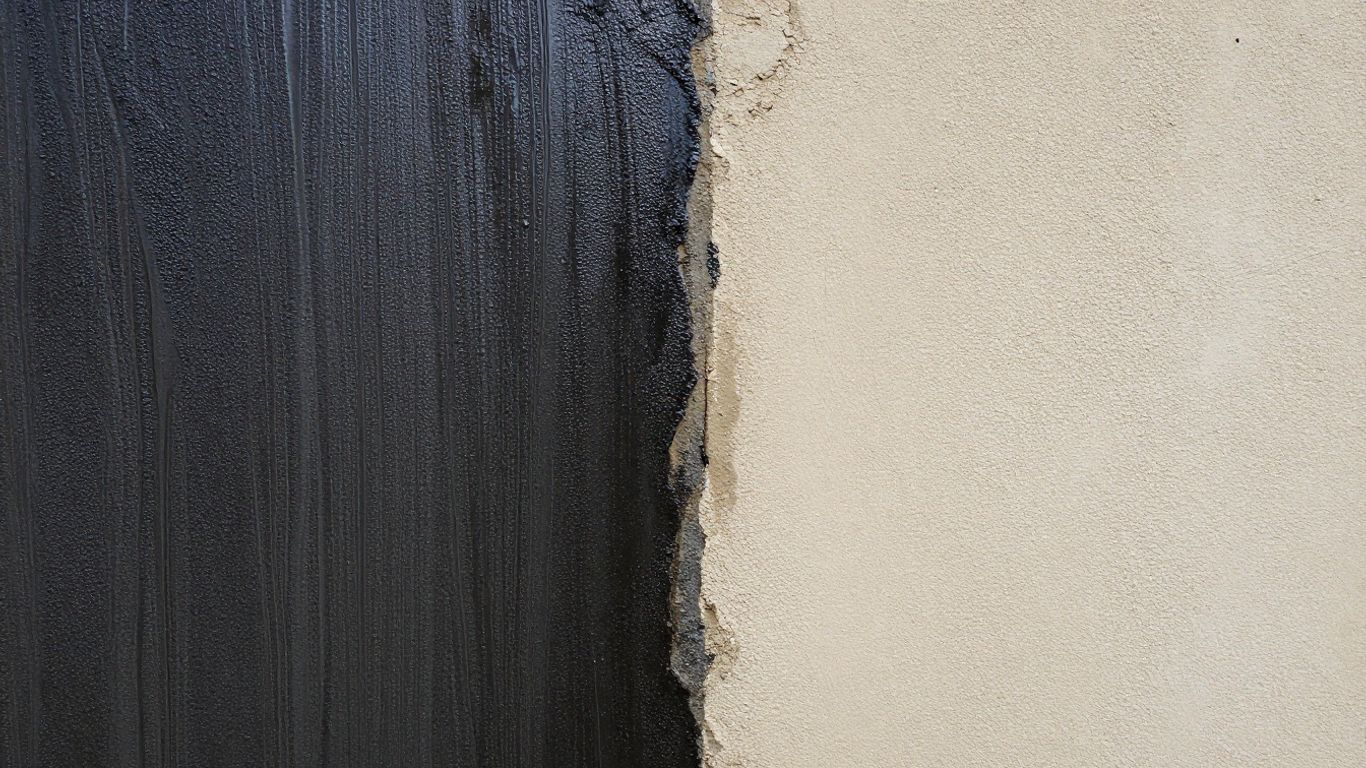
When we talk about keeping water out of our homes and buildings, we often think about stopping rain from getting in from the outside. That’s positive-side waterproofing. But sometimes, water finds its way in from the inside, or the outside just isn’t an option for fixing things. That’s where negative application comes into play, and it’s pretty important for a few key reasons.
Prevention of Structural Damage
Water seeping into the structure of a building can cause some serious problems over time. It can weaken concrete and masonry, leading to cracks in foundations and walls. If left unchecked, this can compromise the whole building’s stability. Negative waterproofing acts as a barrier on the interior side, stopping that moisture before it can eat away at the building’s bones. It’s about protecting the integrity of the structure itself.
Safeguarding Occupant Health
Nobody wants mould and mildew growing in their living or working spaces. Damp conditions are a breeding ground for these things, and they can cause all sorts of health issues, from allergies and asthma flare-ups to respiratory infections. By applying waterproofing from the inside, you’re creating a drier environment, which helps prevent these unhealthy growths from taking hold. It’s a direct benefit to the people using the space.
Preserving Property Value
Let’s face it, nobody wants to buy or rent a place that’s damp and smells musty. Water damage is a big turn-off for potential buyers or renters, and it can significantly lower a property’s market value. Keeping your building dry and free from moisture-related issues through negative application is a smart investment. It maintains the building’s condition and appeal, helping to secure its value for the long haul.
Here are some common scenarios where negative application is particularly useful:
- Basement renovations: When a basement is already built and you want to stop water seeping through the walls.
- Historic buildings: Where excavating the exterior for traditional waterproofing might damage the original structure.
- Repair situations: When access to the exterior is blocked by other buildings or landscaping.
- Internal wet areas: Like bathrooms and laundries, where moisture can build up from daily use.
While negative waterproofing is effective at managing water intrusion from the interior, it’s important to remember it doesn’t stop water from reaching the structure itself. It manages the water after it has penetrated the exterior, preventing it from spreading further inside. This means it’s often best used in conjunction with other methods for complete protection, especially in areas with high water pressure.
Sometimes, what you don’t do is just as important as what you do. This is especially true when it comes to building and sealing. Understanding the ‘negative application‘ helps ensure a job is done right the first time, saving you hassle and money down the track. It’s all about preventing problems before they start. Want to learn more about how we build it right and seal it for life? Visit our website today!
Wrapping Up: Making the Right Choice
So, when it comes down to it, picking between positive and negative waterproofing really just depends on what you’re working with. For new builds, slapping it on the outside during construction, that’s usually the way to go. It stops water before it even gets a chance to bother the building. But if you’ve got an older place, or water’s already found its way in, then working from the inside makes sense. Sometimes, you might even need to do both – a bit of an all-rounder approach for the best defence. Knowing the difference helps you figure out what’s best for keeping your place dry and sound for ages.
Frequently Asked Questions
What's the main difference between positive and negative waterproofing?
Think of it like this: positive waterproofing stops water before it even gets to your walls, like wearing a raincoat. It’s applied on the outside. Negative waterproofing deals with water that’s already trying to get in, like a towel inside your house. It’s applied on the inside to stop the water from spreading further.
When is positive waterproofing the best choice?
Positive waterproofing is usually the top pick for new buildings or when you can easily get to the outside of your foundations or walls. It’s like building a strong shield from the start, giving you the best long-term protection.
Why would I need negative waterproofing then?
You’d usually go for negative waterproofing if you can’t get to the outside of your building, maybe because there’s another building right next to it. It’s also a good option if water has already started leaking in and you need to fix it from the inside.
Does negative waterproofing really stop water?
It stops water from getting into your living spaces, but it doesn’t stop water from reaching the actual wall. So, while it keeps your rooms dry, the wall itself might still get wet. That’s why it’s often used for repairs or when the outside can’t be treated.
Is positive waterproofing harder to put on?
It’s generally easier to put on during construction when everything is open. Applying it later, after the building is finished, can be tricky and might involve digging around the foundations, which costs more time and money.
How long does each type usually last?
Positive waterproofing tends to be more durable because it’s on the outside, facing the elements. Negative waterproofing, being on the inside, might need more regular checks and upkeep to make sure it keeps working well.
Can I use both positive and negative waterproofing?
Absolutely! Using both can give you super strong protection, especially in areas that are really prone to water problems, like basements. It’s like having two layers of defence against water.
What are the downsides of negative waterproofing?
The main drawbacks are that it doesn’t stop water from getting to the structure itself, which can still cause damage over time. It also needs regular maintenance and can be tricky to apply perfectly, especially on older buildings.