
So, the Design and Building Practitioners Act is a pretty big deal for anyone working in construction and design in NSW. It’s all about making sure buildings are built properly and that people are held responsible if they’re not. There have been some updates recently, especially with deadlines, so it’s worth getting your head around what’s happening. This act really changes how things are done, from the initial designs right through to the actual building work. Let’s break down what you need to know.
Key Takeaways
- The Design and Building Practitioners Act is introducing new rules for designers and builders in NSW to improve building quality and accountability.
- Some deadlines have been pushed back, like the insurance requirements for building practitioners moving to July 1, 2025, giving everyone more time to get ready.
- Designers now need to provide ‘Design Compliance Declarations’ confirming their plans meet building codes, and these must be lodged on the NSW Planning Portal.
- Builders have similar ‘Building Compliance Declarations’ to make, confirming the work matches the approved designs and building standards.
- The Act covers specific ‘regulated designs’ and ‘building elements’, and understanding these is key for compliance, especially for Class 2, 3, and 9c buildings.
UNDERSTANDING THE DESIGN AND BUILDING PRACTITIONERS ACT
PURPOSE AND SCOPE OF THE ACT
The Design and Building Practitioners Act 2020 (DBP Act) in New South Wales is a significant piece of legislation aimed at improving the quality and safety of buildings. It came about because of concerns about building standards and accountability within the construction industry. The Act fundamentally changes how designs are created, declared compliant, and how buildings are constructed. Initially, it focused on Class 2 buildings (apartments), but its reach has expanded. Now, it covers a broader range of building types, including aged care facilities, hotels, and student accommodation, reflecting a wider commitment to better building outcomes across the sector.
KEY FEATURES AND MANDATES
This Act introduces several core requirements for professionals involved in the design and construction process. These aren’t just minor tweaks; they represent a shift in how projects are managed from the ground up.
- Mandatory Registration: Design practitioners and building practitioners must be registered. This means professionals need to meet certain qualifications and experience standards to legally perform their roles.
- Design Compliance Declarations: Registered design practitioners must declare that their designs comply with the Building Code of Australia and other relevant standards. This declaration is a formal statement of compliance.
- Building Compliance Declarations: Registered building practitioners must declare that the actual construction aligns with the compliant designs and meets the Building Code of Australia.
- Duty of Care: A statutory duty of care now applies to all parties involved in building work, meaning they have a legal obligation to exercise reasonable skill and care.
IMPACT ON AUSTRALIAN PROFESSIONALS
For professionals working in the design and building space in NSW, these changes mean a greater emphasis on documentation, accountability, and professional conduct. It’s no longer enough to simply complete the work; practitioners must be able to formally demonstrate that their work meets required standards at various stages. This includes:
- Increased Documentation Load: Preparing and lodging detailed designs and compliance declarations through the NSW Planning Portal is now a standard part of the process.
- Professional Indemnity Insurance: While the full implementation has seen some deferrals, the expectation is that professional indemnity insurance will become a mandatory requirement for many practitioners.
- Registration Requirements: Professionals need to ensure they are registered in the appropriate classes to undertake specific types of work.
The DBP Act aims to create a more transparent and accountable building industry. It’s designed to catch potential issues early in the design phase and ensure that construction follows through on those compliant designs, ultimately leading to safer and better-quality buildings for everyone.
REGULATORY UPDATES AND TIMELINES
DEFERRAL OF INSURANCE REQUIREMENTS
There have been some shifts in when certain requirements under the Design and Building Practitioners Act come into effect. For instance, the mandatory professional indemnity insurance for registered building practitioners, which was initially planned for July 2024, has been pushed back. The new deadline for this insurance requirement is now July 1, 2025. This extension was put in place because there wasn’t enough suitable insurance available for everyone. It gives the industry a bit more breathing room to sort out these policies.
POSTPONEMENT FOR CLASS 3 AND 9C BUILDINGS
Work on existing Class 3 buildings (think boarding houses or hotels) and Class 9c buildings (like aged care facilities) is also seeing some timeline adjustments. Specifically, the Act’s application to alterations, repairs, and renovations on these types of buildings has been delayed. Originally set for July 1, 2025, this compliance date is now July 1, 2026. This means professionals working on upgrades or refurbishments for these specific building classes have an extra year to get up to speed with the Act’s requirements.
EXEMPTIONS FOR SPECIFIC DEVELOPMENTS
It’s not all new rules and deadlines, though. Some developments are exempt from certain parts of the Act. For example, from July 1, 2024, certain low-risk Class 3 buildings, such as hotels and motels that aren’t part of a strata scheme and don’t include serviced apartments, are exempt. This helps make sure the regulations are applied in a way that fits the actual risk involved with a project.
Here’s a quick rundown of the key date changes:
- Mandatory Professional Indemnity Insurance: Deferred to July 1, 2025.
- Application to Remedial Work on Class 3 & 9c Buildings: Postponed to July 1, 2026.
- Exemptions for Certain Class 3 Buildings: Effective from July 1, 2024.
Staying informed about these timeline changes is important. It allows professionals to plan their projects and compliance strategies more effectively, avoiding last-minute rushes and potential issues.
DESIGN PRACTITIONER RESPONSIBILITIES
DEFINITION AND ROLE OF A DESIGN PRACTITIONER
So, what exactly is a design practitioner under this new Act? Basically, it’s a registered professional who prepares designs for what are called ‘regulated buildings’. These are typically Class 2, 3, or 9c buildings, which includes apartment buildings, some residential buildings, and aged care facilities. The key thing here is that the design practitioner is the one who has to declare that their design actually meets the Building Code of Australia and any other relevant standards. It’s not just about drawing something up; it’s about taking responsibility for its compliance.
DESIGN COMPLIANCE DECLARATIONS
This is a big one. Whenever a design practitioner provides a design that’s ready to be used for building work, they must issue a design compliance declaration. Think of it as a formal sign-off. This declaration confirms that the design meets all the necessary codes and standards. If you make any changes to the design later on, even small ones, you’ll need to issue a new declaration. It’s a bit like saying, "Yep, this is good to go, and it fits with everything else." If a design is still in the early stages and not quite ready for construction, a declaration isn’t needed yet.
REGISTRATION REQUIREMENTS AND CLASSES
Not everyone who works on designs needs to be registered. The Act focuses on the person who is actually signing off and making those compliance declarations. However, if your role involves preparing or supervising the preparation of designs for regulated buildings, you’ll likely need to be registered. There are different classes of registration, like building design (low rise or medium rise), structural engineering, and vertical transportation. You can register in more than one class if you meet the criteria for each. It’s important to check which class covers the specific type of work you do.
- Building Design (Low Rise)
- Building Design (Medium Rise)
- Structural Engineering
- Vertical Transportation
The Act requires that designs for regulated buildings are lodged on the NSW Planning Portal before any building work can commence. This ensures that all relevant parties, including certifiers, have access to the declared designs and can verify compliance before construction begins.
BUILDING PRACTITIONER OBLIGATIONS
DEFINITION AND ROLE OF A BUILDING PRACTITIONER
So, who exactly is a building practitioner under this new Act? Essentially, it’s the person or entity that agrees to carry out ‘building work’. This covers a pretty broad spectrum, including the actual construction, any alterations or additions, and even repairs or renovations. If we’re talking about a Class 2 building, or a building that has a Class 2 part, this definition applies. If multiple people are involved in the building work, the principal or head contractor is usually considered the building practitioner.
BUILDING COMPLIANCE DECLARATIONS
One of the big responsibilities for a registered building practitioner is to declare that the building work has been completed correctly. This means confirming that the construction aligns with the approved designs and meets the requirements of the Building Code of Australia. This declaration is a formal step, and it needs to be lodged through the NSW Planning Portal. You can’t just start construction on parts of a building that require a regulated design until these designs and their associated Design Compliance Declarations have been lodged. It’s a bit like a final sign-off, making sure everything stacks up before the occupation certificate can even be considered.
LODGEMENT OF DESIGNS AND DECLARATIONS
Before any building work on a regulated design can kick off, the building practitioner has to lodge the relevant designs and the Design Compliance Declarations. These documents are submitted via the NSW Planning Portal. Think of it as a prerequisite – no lodgement, no building. After the work is done, the Building Compliance Declaration also needs to be lodged, confirming everything was built according to the plans and codes. It’s a structured process designed to keep a clear record and ensure accountability throughout the construction phase.
DESIGN COMPLIANCE DECLARATIONS
When a Declaration is Required
A Design Compliance Declaration is a formal statement made by a registered design practitioner. It confirms that a specific design meets the requirements of the Building Code of Australia (BCA) and any other relevant standards. This declaration is needed when a design is ready for construction. Think of it as the design practitioner giving their professional stamp of approval, saying, "This is good to go for building."
Essentially, if you’re preparing a design for a building element, like structural components, fire safety systems, waterproofing, or mechanical/electrical services, and it’s for a Class 2 building or a building with a Class 2 part, you’ll likely need to issue a declaration. This also applies to performance solutions. The key is that the design is intended for actual building work, not just preliminary drafts or shop drawings.
There are a few situations where a declaration isn’t required, even for regulated designs. For instance, minor works valued under $5,000 (including labour and materials) are often exempt. Also, certain types of waterproofing within a single dwelling, like in a bathroom or kitchen renovation, might be exempt if they qualify as exempt development. Maintenance work on building components, unless it’s a load-bearing part critical for stability, generally doesn’t need one either.
Content and Purpose of Declarations
The main goal of a Design Compliance Declaration is to provide certainty. It assures the builder, certifier, and ultimately the building owner, that the design has been checked and complies with all the necessary codes and standards. This helps to prevent issues down the track and supports the overall safety and integrity of the building.
What goes into a declaration? It needs to clearly identify the design it relates to, state that it complies with the BCA and other relevant standards, and confirm that it takes into account any other regulated designs it interacts with. The declaration must be made by a registered design practitioner in their specific area of expertise. For larger, more complex projects, a principal design practitioner might coordinate and collect declarations from various specialists.
The declaration is a critical document that underpins the building process, ensuring accountability from the design stage.
Variations and Subsequent Declarations
Things change in construction, and designs often need updates. If a regulated design is varied, a new Design Compliance Declaration must be issued for the updated design. This ensures that any changes are also compliant. It’s not a one-and-done process; if the design evolves, so must the declaration.
It’s important to use the most current forms provided by NSW Fair Trading. They update these periodically to make sure they align with the latest legislative requirements. Using an outdated form could lead to issues with lodgement and acceptance.
BUILDING COMPLIANCE DECLARATIONS
Purpose of Building Declarations
A Building Compliance Declaration is a formal statement made by a registered building practitioner. It confirms that the actual building work carried out aligns with the compliant designs that were prepared and lodged. This declaration is a critical step in the process, ensuring that what’s built on site matches the approved plans and meets the requirements of the Building Code of Australia. It’s essentially the building practitioner’s sign-off, vouching for the integrity and correctness of the construction in relation to the design documentation.
Responsibilities of Registered Practitioners
Only a building practitioner who is registered under the Act can create and submit a Building Compliance Declaration. This declaration must be provided before an application for an occupation certificate is made. The registered building practitioner is responsible for verifying that the construction adheres to the designs, which themselves have been declared compliant by a registered design practitioner. This involves a thorough review of the work against the lodged plans and specifications.
Alignment with Compliant Designs
The core function of a Building Compliance Declaration is to bridge the gap between design and construction. It confirms that the physical building work has been executed in accordance with the regulated designs. This means if a design was declared compliant with specific performance criteria or standards, the building practitioner must declare that the constructed element or system meets those same criteria. It’s about accountability and ensuring that the final product is safe, compliant, and as intended by the design.
Key aspects to confirm before lodging a Building Compliance Declaration include:
- Verification that all construction work matches the lodged and compliant designs.
- Confirmation that the work meets the requirements of the Building Code of Australia.
- Ensuring that any variations from the original compliant design have been properly documented and declared.
The Building Compliance Declaration is a vital document that underpins the integrity of the construction process. It serves as a formal assurance to regulators and future occupants that the building has been constructed according to approved standards and designs, thereby contributing to overall building safety and quality.
REGULATED DESIGNS AND BUILDING ELEMENTS
Identifying Regulated Designs
So, what exactly counts as a ‘regulated design’ under this new Act? Basically, if you’re working on a building that falls into Class 2, 3, or 9c categories – think apartment buildings, some residential accommodations, and certain aged care or hospital-type places – and your work involves a specific building element or a performance solution, then your design is likely regulated. This applies to new builds and existing Class 2 buildings, and for alterations or renovations on Class 3 and 9c buildings, it kicks in from July 2026. It’s important to get this right because these designs need to be prepared by a registered design practitioner.
Specified Building Elements
When we talk about ‘building elements’, we’re referring to the key components that make up a building and are critical for its compliance with the Building Code of Australia. This includes things like:
- The structural integrity of the building.
- Fire safety systems, both active and passive.
- Waterproofing.
- The building enclosure, like walls and roofs.
- Building services such as plumbing and electrical systems.
- Vertical transportation systems, like lifts.
Essentially, if it’s a core part of the building’s function and safety, it’s probably a specified building element.
Performance Solutions Under the Act
A ‘performance solution’ is a bit different. Instead of following the standard, ‘deemed-to-satisfy’ methods laid out in the Building Code of Australia, it’s a way of achieving compliance through an alternative method. This might involve innovative materials or construction techniques. If your design relies on a performance solution for a regulated building, it also needs to be prepared by a registered design practitioner and lodged accordingly. The key is that any design involving these specific elements or solutions for regulated buildings must be formally declared and lodged before construction begins.
It’s not just about ticking boxes; it’s about ensuring that the fundamental safety and integrity of the building are maintained, whether you’re following the standard rules or finding a new way to meet them.
TRANSITIONAL ARRANGEMENTS AND EXISTING WORK
Impact on Work Commenced Before Legislation
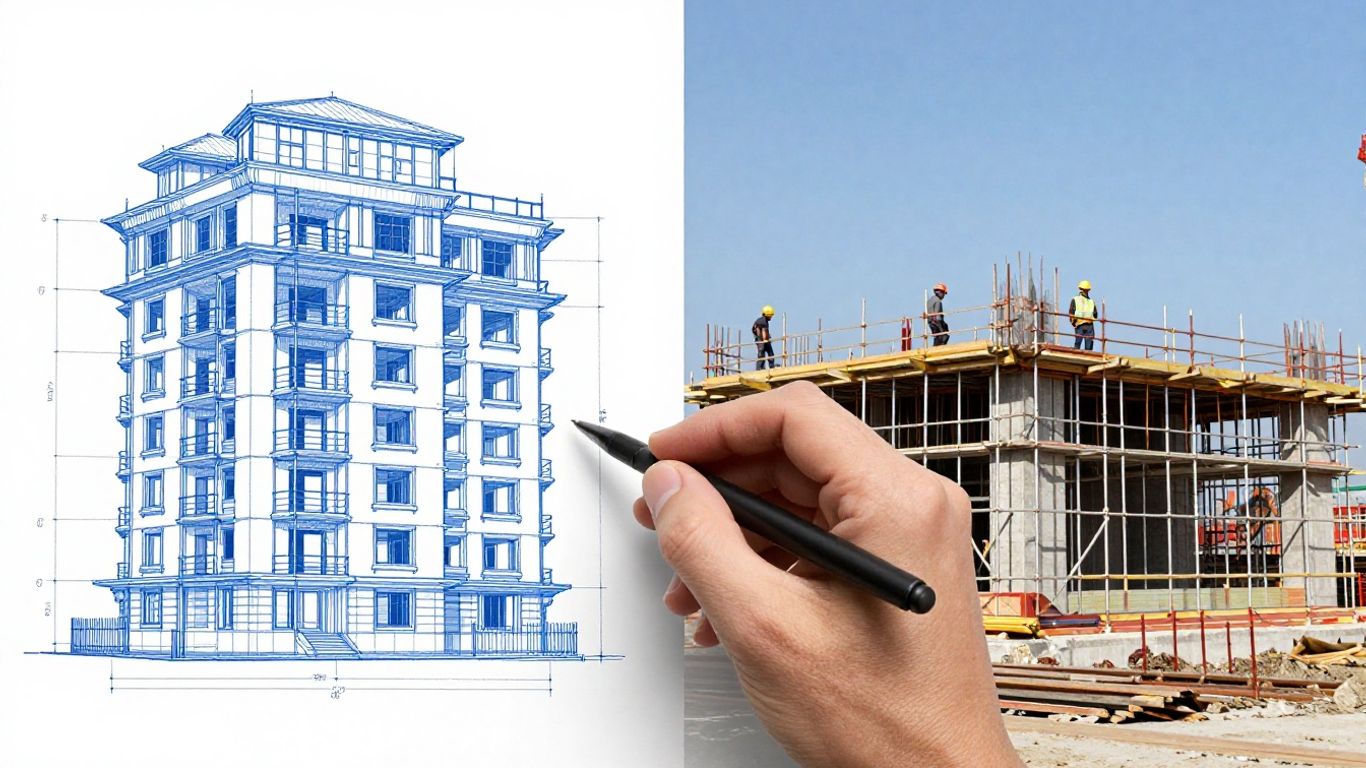
So, what happens if you’ve already started a project before all these new rules came into effect? It’s a common question, and the short answer is that the Act generally doesn’t apply retrospectively to work that was substantially commenced before the relevant commencement date. This means if you had a building contract in place and work was underway, you likely won’t need to go back and re-do everything to meet the new design practitioner or building practitioner requirements. However, it’s not quite that simple. The specifics can depend on the exact stage of the project and the nature of any variations that might occur after the commencement date. It’s always best to check the specific commencement dates for your jurisdiction and project type.
Lodgement Requirements for Older Designs
For projects that were already underway, the requirement to lodge designs and declarations might be different. If a building permit was already issued before the Act’s commencement, or if the work was substantially completed, then the new lodgement rules typically won’t apply. The aim here is to avoid disrupting ongoing projects unnecessarily. However, if significant changes are made to a design after the Act commenced, even on an older project, those variations might trigger new obligations. This is where things can get a bit tricky, and professional advice is often needed.
Variations to Pre-Existing Designs
This is a key area where the transitional arrangements can get complicated. If you have a project that started before the Act, but you need to make changes to the design after the Act came into force, those changes might be treated as new work. Depending on the scale and nature of the variation, you might need to comply with the new requirements for that specific part of the work. For instance, if a structural element is being altered significantly, the new design practitioner obligations could apply to that alteration. It’s not a blanket exemption for the entire project if variations are substantial. The legislation aims to capture new or significantly altered aspects of building work, even if the original project predates the Act.
INSURANCE AND PROFESSIONAL INDEMNITY
MANDATORY INSURANCE REQUIREMENTS
The Design and Building Practitioners Act introduces new insurance obligations for certain professionals. Holding adequate professional indemnity insurance is becoming a non-negotiable aspect of practice. This requirement is designed to offer a layer of protection for consumers and clients, ensuring there are funds available should a claim arise due to negligence or errors in design or building work. It’s a significant shift towards greater accountability within the industry.
DEFERRED IMPLEMENTATION DATE
Initially, the mandatory professional indemnity insurance requirements were set to come into effect earlier. However, this date has been pushed back. The new deadline is July 1, 2025. This extension was put in place partly because the insurance market needed more time to develop suitable products that meet the specific needs of design and building practitioners under the new Act. It gives professionals a bit more breathing room to sort out their coverage.
AVAILABILITY OF INSURANCE PRODUCTS
Finding the right insurance can be a bit of a puzzle. The market is still adapting to the Act’s demands. While more products are becoming available, it’s important for practitioners to do their homework.
- Assess your current policy to see if it meets the new criteria.
- Talk to insurance brokers who specialise in construction and design.
- Understand the coverage limits, exclusions, and any specific conditions.
The availability and terms of insurance can vary, so early investigation is recommended to secure appropriate cover before the deadline.
It’s not just about ticking a box; it’s about having insurance that genuinely protects your business against the risks associated with your professional services. Some policies might cover things like errors in design documents, supervision failures, or even advice given during a project. Make sure you know exactly what your policy does and doesn’t cover.
THE NSW PLANNING PORTAL
The NSW Planning Portal is a pretty central piece of the whole Design and Building Practitioners Act puzzle. It’s basically the online hub where a lot of the important documents related to your building project need to be submitted. Think of it as the official digital filing cabinet for compliance.
Role in Document Lodgement
This is where registered design practitioners and building practitioners will be lodging their compliance declarations. Before any building work that requires a regulated design can kick off, those designs and their accompanying declarations need to be uploaded here. It’s a key step to show that everything’s been thought through and meets the required standards right from the start.
Submission of Designs and Declarations
When you’re dealing with regulated designs, like structural elements, fire safety systems, or waterproofing, the design practitioner has to declare that the design complies with the Building Code of Australia. This declaration, along with the design itself, gets lodged through the portal. Later on, the building practitioner will also lodge their own declaration, confirming that the actual construction matches those approved designs. Even variations to these regulated designs need to be documented and submitted via the portal.
Access for Certifiers
Certifiers also use the NSW Planning Portal to access these lodged documents. This gives them visibility into the compliance journey of a project. They can review the designs and declarations submitted by practitioners, which helps them in their role of assessing whether the building work meets all the necessary requirements, especially when it comes time to issue an occupation certificate.
Navigating the NSW Planning Portal can be a bit tricky. It’s where you find all the important info for building and development in New South Wales. If you’re looking to understand the rules or get your project approved, this is the place to start. Need a hand figuring it all out? Visit our website for clear guidance and support.
Wrapping Up
So, the Design and Building Practitioners Act is definitely changing things for folks in the building and design game here in NSW. While some dates have shifted, like the insurance and the work on older buildings, the main idea is still about making sure things are built properly and people are held accountable. It’s a good idea to keep an eye on these updates and make sure your own practice is up to scratch. Staying informed means you can keep working smoothly and avoid any unexpected headaches down the track.
Frequently Asked Questions
What's the main goal of the Design and Building Practitioners Act?
Basically, this law is all about making sure buildings in NSW are safer and better built. It puts more responsibility on the people who design and build things to make sure their work meets the rules and is done properly, helping to avoid dodgy jobs and protect homeowners.
Who needs to be registered under this Act?
If you’re a designer who creates plans for certain parts of a building (like structural bits, fire safety, or waterproofing) or if you’re a builder who agrees to construct, alter, or repair buildings, you likely need to be registered. It’s mainly for those who sign off on or lodge important documents.
What's a 'Design Compliance Declaration'?
It’s like a formal promise from a registered designer saying their plans meet all the necessary building codes and standards. They have to make one of these declarations every time they give over a design that’s ready to be used for building.
And what about a 'Building Compliance Declaration'?
This declaration is made by a registered builder. It’s their way of confirming that the actual building work has been carried out according to the approved designs and also meets the building code. It’s lodged after the work is done.
Are there any deadlines I should know about?
Yes, some important dates have shifted. For example, the requirement for builders to have special insurance has been pushed back to July 1, 2025. Also, some rules for fixing up older buildings like hotels and aged care homes won’t kick in until July 1, 2025, giving everyone more time to get ready.
Do I need to lodge my designs and declarations somewhere specific?
Absolutely. All these important documents, like the design compliance declarations and the final building compliance declarations, need to be uploaded and submitted through the NSW Planning Portal. This makes them easily accessible for certifiers and other relevant parties.
What if I started work before these new rules came in?
There are some special arrangements for work that was already underway. If you had the right certificates before certain dates, the new rules might not fully apply to that specific job. However, you’ll still likely need to lodge the designs you used.
Does this Act apply to all types of buildings?
Initially, it focused a lot on apartment buildings (Class 2). But its reach has been expanding to include other types like hotels (Class 3) and aged care facilities (Class 9c). There are some exemptions for smaller or lower-risk projects, though.