Introduction to Waterproofing
When constructing a new building in Sydney, one of the most critical aspects to consider is waterproofing. Waterproofing is the process of making a structure resistant to water ingress, which can lead to considerable damage over time. This article aims to provide a comprehensive guide on waterproofing your new build, discussing everything from regulations to the selection of appropriate products and techniques. By understanding the importance of waterproofing and implementing the right strategies, homeowners and builders can ensure lasting protection for their properties.
What is Waterproofing?
Waterproofing refers to the application of materials and techniques designed to prevent water from penetrating structures. Whether it’s a residential building, commercial property, or any other type of construction, waterproofing is essential for safeguarding against the elements. The materials used can vary widely, including membranes, sealants, and coatings, each tailored for specific applications and conditions.
Why is Waterproofing Important?
The significance of waterproofing cannot be overstated. In Sydney, where heavy rain and humidity levels are common, effective waterproofing is vital to prevent water damage, mold growth, and structural instability. Signs of inadequate waterproofing can range from visible water stains to serious structural issues, which can be costly to repair. Additionally, proper waterproofing can enhance the longevity of a building, contributing to higher property values and reduced maintenance costs over time.
Understanding AS 3740:2021
Overview of AS 3740:2021
AS 3740:2021 is the Australian Standard that governs the waterproofing of wet areas in residential buildings. This standard outlines the minimum requirements for materials, installation, and maintenance of waterproofing systems. Understanding this standard is crucial for builders, architects, and property owners, as it ensures compliance with safety and quality benchmarks.
Compliance and Building Regulations
Compliance with AS 3740:2021 is not merely a suggestion; it is a legal requirement for new builds in Australia. All waterproofing work must meet these standards to pass inspections and obtain occupancy permits. Familiarity with the latest regulations helps avoid potential legal and financial repercussions, as violations can result in fines or costly rework.
Choosing the Right Waterproofing Product
Types of Waterproofing Products
There are several types of waterproofing products available, each serving different purposes. Common options include:
- Liquid Membranes: Ideal for irregular surfaces, these form a seamless layer that adheres to the substrate.
- Sheet Membranes: Prefabricated sheets that are applied to surfaces, often used in larger applications.
- Cementitious Coatings: Powdered products mixed with water to create a slurry, suitable for vertical and horizontal surfaces.
- Bituminous Membranes: Asphalt-based products that offer excellent waterproofing and durability.
Factors to Consider When Choosing Waterproofing
Choosing the right waterproofing product involves considering various factors, such as the type of substrate, environmental conditions, and specific application areas. For instance, wet areas like bathrooms and kitchens require different solutions than exterior walls and foundations. It’s also essential to consider the product’s longevity, ease of application, and compatibility with other building materials.
Waterproofing for New Duplexes
Specific Challenges in Duplex Construction
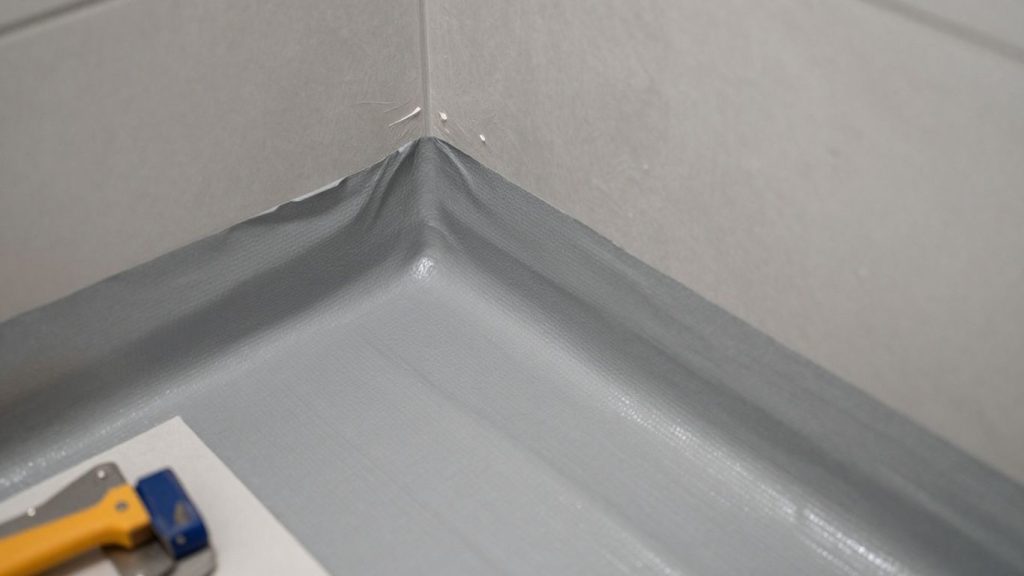
Duplexes present unique challenges for waterproofing due to their shared walls and potential for water to travel through adjoining units. Proper design and execution are essential to prevent water migration between the units, which can lead to disputes between owners and costly repairs. Special attention should be given to the junctions where different materials meet, such as walls and floors, to ensure a watertight seal.
Effective Strategies for Duplex Waterproofing
To effectively waterproof duplexes, consider implementing a combination of methods: installing appropriate membranes, ensuring proper drainage, and conducting thorough inspections throughout the construction process. Additionally, using the same waterproofing system across both units can help simplify maintenance and ensure consistent performance. Always engage professionals who are familiar with local regulations and best practices.
Waterproofing Wet Areas in New Residential Buildings
Identifying Wet Areas
Wet areas include locations that are regularly exposed to water, such as bathrooms, kitchens, laundries, and outdoor decks. Identifying these areas early in the design phase allows builders to integrate waterproofing solutions seamlessly into the construction process. Proper assessment of potential water exposure is crucial for determining the appropriate waterproofing system.
Best Practices for Waterproofing Wet Areas
Best practices for waterproofing wet areas include using high-quality waterproof membranes, ensuring proper drainage systems are in place, and conducting thorough inspections to identify any potential vulnerabilities. It’s also critical to consider ventilation and moisture control in these areas to prevent mold and mildew growth, which can not only damage the structure but also pose health risks to occupants.
Common Defects from Poor Waterproofing
Identifying Waterproofing Failures
Common defects from inadequate waterproofing include mold growth, water stains, peeling paint, and structural damage. These issues often arise due to improper application or the use of substandard materials. Regular inspections can help identify potential problems before they escalate into costly repairs.
How to Prevent Common Waterproofing Defects
Preventing waterproofing defects involves meticulous planning, quality materials, and skilled application. Engaging experienced professionals for the waterproofing process is essential, as they will have the knowledge to navigate the challenges specific to each project. Additionally, following up with routine maintenance checks can ensure the integrity of the waterproofing system over time.
Conclusion
Recap of Key Points
Waterproofing is a crucial element of construction in Sydney, particularly given the region’s climate challenges. Understanding the standards, selecting the right products, and implementing best practices are key to ensuring the durability and safety of any new build. By addressing waterproofing needs at every stage of construction, builders and homeowners can protect their investments and promote a healthier living environment.
Final Thoughts on Waterproofing Your New Build
Ultimately, waterproofing is not just an additional task to check off a construction list; it is a foundational aspect of building that has lasting implications. As you embark on your new build journey, prioritize waterproofing to safeguard your home from the elements. Engaging professionals who understand the specific needs of your project will provide peace of mind and ensure long-term success.
FAQs
What are the main benefits of waterproofing a new build?
Waterproofing provides protection against water damage, prevents mold and mildew growth, and extends the lifespan of the building. It also helps maintain property value and minimizes maintenance costs.
How often should I inspect waterproofing systems?
It is advisable to inspect waterproofing systems at least once a year, as well as after significant weather events. Regular inspections help catch potential issues before they cause serious damage.
Can I waterproof my home myself?
While some homeowners may choose to take on waterproofing projects themselves, hiring professionals is often recommended. Experienced applicators understand the best materials and techniques to ensure effective waterproofing.
Are there specific regulations for waterproofing in Sydney?
Yes, the Australian Standard AS 3740:2021 outlines the regulatory framework for waterproofing residential buildings. Compliance with these standards is essential for legal and safety reasons.
What are the signs of waterproofing failure?
Signs of waterproofing failure can include water stains on walls and ceilings, musty odors, mold growth, and peeling paint. If you notice any of these issues, it is crucial to investigate and address them promptly.