
Living in Australia means dealing with some pretty wild weather, right? From scorching sun to heavy rain, our homes really cop a beating. That’s where waterproofing comes in. It’s not just about stopping a bit of dampness; it’s a serious job that protects your place from damage, keeps your family healthy, and even helps your home hold its value. Let’s chat about why getting this right is so important for Aussie homes.
Key Takeaways
- Waterproofing stops water getting into your home’s structure, preventing things like mould, rot, and costly repairs down the track.
- Wet areas like bathrooms, laundries, and kitchens are prime spots for leaks if not properly waterproofed.
- Good waterproofing keeps your indoor air cleaner by stopping mould and mildew, which is better for everyone’s health.
- A well-waterproofed home is more appealing to buyers and can significantly boost its resale value.
- While DIY might seem cheaper, professional waterproofing uses the right products and methods for Australian conditions, offering better long-term protection and peace of mind.
Safeguarding your home against the Australian climate
Understanding the necessity of waterproofing in Australia
Australia’s climate can be pretty wild, right? We get everything from scorching heatwaves to torrential downpours, sometimes all in the same week. This unpredictable weather really puts our homes to the test. Without proper protection, water can sneak into places it shouldn’t be, causing all sorts of headaches down the track. It’s not just about keeping the rain out; it’s about protecting the very bones of your house. Think of it like giving your home a good raincoat and sturdy boots for whatever the weather throws at it. This is why looking into waterproofing materials and solutions is a smart move for any Aussie homeowner.
How unpredictable weather impacts your property
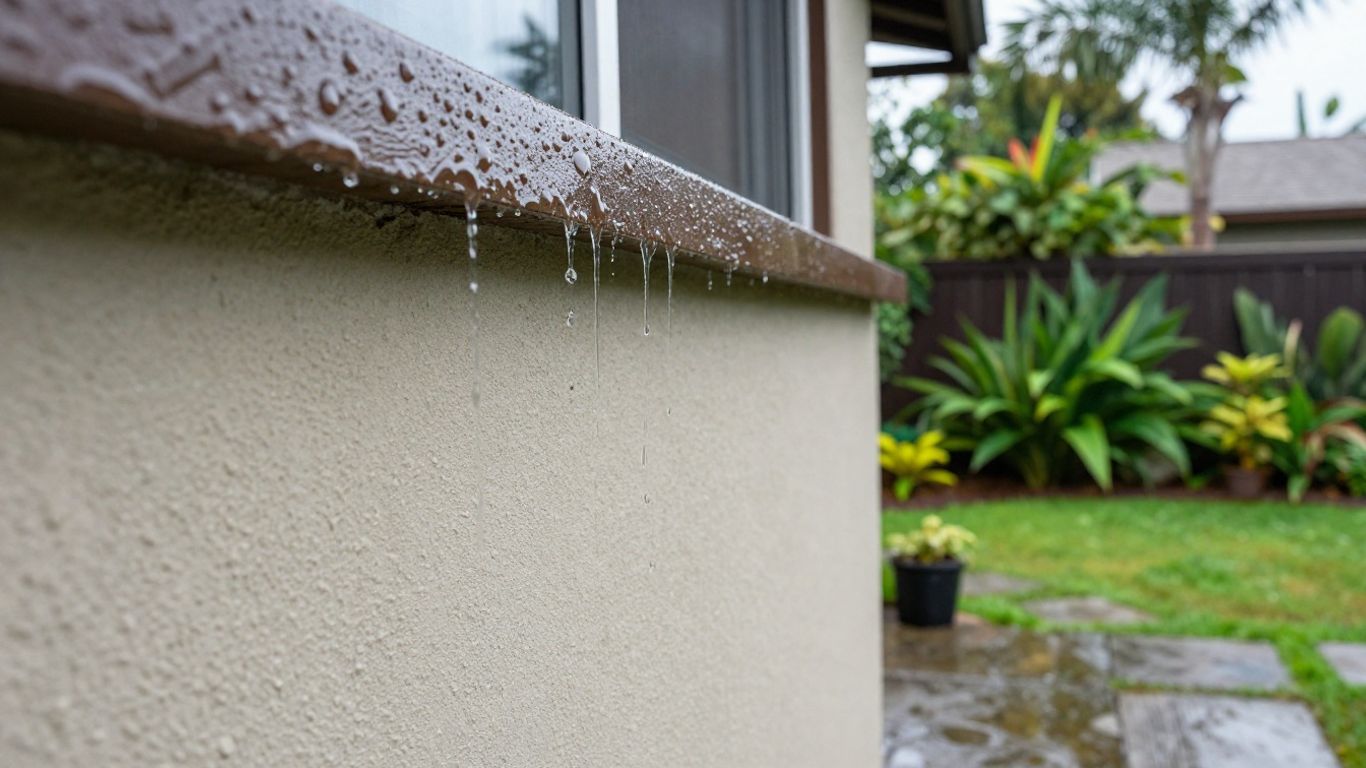
Those sudden downpours or even just prolonged periods of high humidity can do more than just make things feel a bit damp. Water finds its way through tiny cracks and gaps, and over time, this can really weaken your home’s structure. We’re talking about potential rot in timber, corrosion of metal supports, and damage to brickwork. It’s a slow burn, but the consequences can be serious and expensive to fix. It’s like a persistent drip in the tap; you might ignore it for a while, but eventually, it causes bigger problems.
The constant battle between sun, rain, and humidity in Australia means that even well-built homes need a solid defence against water ingress. Ignoring this can lead to a cascade of issues, from minor cosmetic damage to major structural compromises that are costly and time-consuming to repair.
The role of professional contractors in climate adaptation
Trying to tackle waterproofing yourself can be a bit of a gamble, especially with the unique challenges our climate presents. Professional waterproofing contractors know the local conditions inside out. They understand which waterproofing products work best here and how to apply them correctly to stand up to our harsh weather. They’re not just following a manual; they’re using their experience to make sure your home is properly protected, covering all those vulnerable spots that you might not even think of. It’s about getting it done right the first time.
Preventing costly structural damage
Water might seem harmless, but unchecked, it’s a real menace to your home’s structure. We’re not just talking about a bit of dampness here; we’re talking about slow, steady damage that can weaken your house from the inside out. Ignoring water ingress is like playing a game of chance with your property’s integrity.
The hidden threat of water ingress
Water finds its way in through the smallest openings. Think hairline cracks in concrete, poorly sealed joints, or even just old, degraded seals around windows and doors. Once inside, it doesn’t just sit there. It can start to break down building materials, corrode metal components like reinforcing bars, and create a breeding ground for issues you can’t see until it’s too late. This silent invasion is often the most damaging because it goes unnoticed for extended periods. It’s the unseen enemy that slowly chips away at your home’s foundation and framework.
Consequences of weakened structural integrity
When water gets into the structure, it can cause a cascade of problems. For timber, it means rot and decay, making it soft and weak. For concrete and brickwork, prolonged exposure can lead to degradation and a loss of strength. Metal elements, like the steel reinforcing bars in concrete, can rust and expand, causing further cracking and damage. This gradual weakening compromises the overall stability of your home. In severe cases, it can lead to sagging floors, cracked walls, and even pose safety risks. Addressing these issues often involves extensive and expensive repairs that could have been avoided with proper waterproofing. It’s why getting a professional assessment for water damage in homes is so important.
Protecting materials from water deterioration
Different materials react differently to water. Timber, for instance, is highly susceptible to rot and insect infestation when consistently damp. Bricks and mortar can absorb moisture, leading to efflorescence (salt deposits) and spalling (surface flaking). Concrete, while seemingly robust, can be compromised by freeze-thaw cycles if saturated, and its internal steel reinforcement is prone to rust. Effective waterproofing acts as a barrier, preventing moisture from reaching these vulnerable materials. This protection is vital for maintaining the longevity and soundness of your home’s construction. It’s about keeping everything from the foundations to the roof in good condition, year after year.
Maintaining a healthy living environment
The link between dampness and respiratory issues
It’s easy to overlook how much moisture can build up in our homes, especially in areas like bathrooms and laundries. But this dampness isn’t just a minor annoyance; it can actually have a real impact on your health. When water sits around, it creates the perfect breeding ground for mould and mildew. These aren’t just unsightly; their spores can become airborne and cause all sorts of problems for people, particularly those with asthma or allergies. You might find yourself dealing with more frequent coughs, sneezes, or even skin irritations. Keeping your home dry is a direct way to keep your family healthier.
How waterproofing inhibits mould and mildew growth
This is where good waterproofing really shines. By creating a solid barrier, it stops water from getting into the nooks and crannies where mould loves to grow. Think of it like putting on a raincoat before you head out in the rain – it keeps the water out. Proper application means moisture can’t seep into walls or under floorboards, which significantly cuts down the chances of mould and mildew taking hold. It’s a proactive step that prevents a much bigger, and often more expensive, problem down the track. For those looking for environmentally conscious options, there are even eco-friendly waterproofing materials available that don’t compromise on effectiveness.
Ensuring clean indoor air quality
Ultimately, all of this comes down to the air you breathe inside your home. When you prevent water ingress and stop mould from growing, you’re directly contributing to better indoor air quality. No one wants to live in a home that smells musty or damp. Beyond just the smell, those mould spores can really affect the air. Waterproofing helps maintain a dry environment, which means fewer allergens and irritants floating around. It’s a simple concept, but the benefits for your living space and your well-being are significant. It’s about creating a comfortable and safe sanctuary, free from the hidden nasties that dampness can bring. If you’re just starting out with home maintenance, understanding the basics of waterproofing is a good first step, much like learning how to manage comments on a new blog.
Here’s a quick rundown of why it matters:
- Prevents mould and mildew: Stops the growth of these common irritants.
- Reduces allergens: Less mould means fewer triggers for asthma and allergies.
- Eliminates musty odours: Keeps your home smelling fresh and clean.
- Protects surfaces: Stops water damage that can degrade building materials over time.
Protecting vulnerable areas of your home
Essential waterproofing for bathrooms and laundries
Bathrooms and laundries are the obvious places where water is used daily. Think about it – showers, baths, sinks, washing machines. It’s a lot of moisture in one spot. Without proper waterproofing, water can easily find its way into walls, floors, and even under the foundations. This isn’t just about a bit of dampness; it can lead to serious structural issues down the line, not to mention mould growth which is bad for your health. We’re talking about making sure the shower recess, the floor, and even the walls up to a certain height are all sealed up tight. It’s about preventing those sneaky leaks that can cause big problems later on. Getting the waterproofing done right in these wet areas is a big part of keeping your home sound.
Securing balconies and retaining walls
Balconies and retaining walls often get overlooked when people think about waterproofing, but they’re actually quite exposed. Balconies are constantly dealing with rain, sun, and general wear and tear. If the waterproofing underneath the tiles or paving fails, water can seep down into the building structure, causing rot and weakening the materials. Retaining walls, on the other hand, are designed to hold back soil and are constantly under pressure from moisture in the ground. Without a good barrier, this water can cause the wall to degrade, crack, and eventually fail. It’s a bit like giving these external parts of your home a protective coat against the elements and the ground itself. For balconies, ensuring proper drainage is also key, so water doesn’t just sit there.
Basement and rooftop water defence
Basements and rooftops present unique waterproofing challenges. Basements are below ground, meaning they’re susceptible to groundwater seepage and hydrostatic pressure. If not properly waterproofed, they can become damp, musty spaces prone to flooding. This can ruin stored items and even affect the structural integrity of the lower levels of your home. Rooftops, especially flat ones, are directly exposed to all sorts of weather. They need robust waterproofing to prevent leaks that can travel down through the building. Think of it as the first line of defence for your entire house. Getting these areas sorted means you’re protecting a lot of your home’s core structure from water damage. It’s a big job, but one that pays off in the long run by preventing major repair bills and keeping your home dry and safe. For more on wet areas, check out waterproofing requirements for wet areas.
Waterproofing is more than just a preventative measure; it’s an investment in the longevity and health of your home. Addressing these vulnerable areas proactively saves significant costs and headaches in the future, especially with Australia’s varied climate.
The importance of waterproofing in wet areas
Why kitchens require diligent waterproofing
Kitchens might not seem like they get as much water as bathrooms, but think about the sink, the dishwasher, and even the fridge. Water can splash, pipes can leak, and spills happen. Without proper waterproofing, this moisture can sneak into your cabinets, under your floors, and into your walls. This can lead to mould, rot, and even damage to the building structure itself. It’s about protecting not just the surfaces you see, but the hidden parts of your home too. Making sure the areas around your sink and dishwasher are properly sealed is a smart move to avoid future headaches. It’s a bit like giving your kitchen an invisible shield against everyday spills and potential leaks.
Preventing leaks in showers and bathrooms
Showers and bathrooms are the obvious places where water is used daily. We’re talking about constant moisture, steam, and direct water contact. If the waterproofing isn’t done right, water will find its way through grout lines, around fixtures, and under tiles. This can cause serious damage to the walls and floors, leading to mould growth and structural issues. The shower area, including the walls up to a certain height and the floor, needs thorough attention. It’s not just about the shower screen; it’s about the entire wet zone. Getting this right means your bathroom stays dry, healthy, and free from those nasty water-related problems. For external balconies and decks, adhering to standards like AS 4654.1 & 4654.2 is key for effective protection against water damage external waterproofing for balconies.
Addressing moisture in laundry spaces
Laundry rooms are another spot where water is a regular feature. Washing machines can leak, pipes can burst, and there’s often a sink for handwashing or soaking. Just like in the kitchen and bathroom, moisture can seep into floors and walls if not properly managed. This can lead to dampness, mould, and damage to your flooring and cabinetry over time. Waterproofing the floor and lower parts of the walls in your laundry is a sensible precaution. It helps keep the area dry and prevents water from causing hidden damage. It’s a simple step that makes a big difference in maintaining the health and longevity of your home. Understanding and following local regulations, such as those outlined in AS 3740, is vital for protecting these wet areas homeowners must adhere.
Here are some key areas in wet zones that need careful waterproofing:
- Bathrooms: Shower bases, floors, walls around showers and baths, and up to a certain height on other walls.
- Kitchens: Around sinks, dishwashers, and potentially under refrigerators.
- Laundries: Floors and lower sections of walls, especially around washing machines and sinks.
Skipping waterproofing in these areas is a false economy. The cost of fixing water damage and mould later on will almost always be far greater than the initial investment in proper waterproofing.
Enhancing your property's value and appeal
How waterproofing impacts resale value
When it comes to selling your home, potential buyers are often looking for a property that’s move-in ready and free from hidden problems. A home that shows signs of water damage, even minor ones, can be a major red flag. This can lead to a lower offer or even scare buyers away entirely. Proper waterproofing, on the other hand, signals a well-maintained home and can significantly boost its appeal and perceived value. It suggests that the property has been looked after, reducing the buyer’s perceived risk of future costly repairs. Think of it as an investment that pays off when it’s time to move on.
Avoiding musty odours and dampness
Nobody wants to walk into a home and be greeted by a damp, musty smell. This odour is a tell-tale sign of moisture issues, often stemming from inadequate waterproofing in areas like bathrooms, laundries, or even basements. This persistent dampness can create an unpleasant living environment and is a major turn-off for anyone considering buying your place. Addressing these issues through effective waterproofing not only makes your home more pleasant to live in day-to-day but also removes a significant barrier to a successful sale. It’s about creating a fresh, clean atmosphere that buyers will appreciate.
Making your home market-ready
Preparing your home for the market involves more than just a fresh coat of paint. For homes in Australia, with its varied climate, ensuring all wet areas are properly waterproofed is a key step. This means checking bathrooms, laundries, balconies, and any other areas prone to moisture. A professional assessment can identify any weak spots.
Here’s a quick checklist for market readiness:
- Inspect all wet areas for any signs of leaks or dampness.
- Check for discoloured paint or plaster, especially around showers and sinks.
- Ensure there are no lingering musty smells.
- Consider a professional waterproofing inspection for peace of mind.
Proactive waterproofing demonstrates a commitment to the property’s long-term health. It’s a practical measure that protects against the unpredictable Australian weather and reassures potential buyers that they are investing in a sound structure. This attention to detail can make a real difference in how quickly your home sells and for what price.
Addressing potential water ingress issues before listing can save you a lot of hassle. It’s much easier and often cheaper to fix these problems before they become major issues. For areas like bathrooms and laundries, ensuring the waterproofing is up to standard is particularly important, as these are high-moisture zones. This diligence not only protects your home but also makes it a more attractive prospect for buyers looking for a solid investment.
Understanding Australian waterproofing standards
When it comes to keeping water out of your home, Australia has some pretty specific rules. It’s not just about slapping on some sealant; there are actual standards to follow, and they’re there for good reason. Think of them as the blueprint for making sure water stays where it’s supposed to.
Adhering to AS 3740 Requirements
The main document you’ll hear about is AS 3740, which is the Australian Standard for waterproofing domestic wet areas. This standard lays out the nitty-gritty details for places like bathrooms, laundries, and kitchens. It covers things like how high the waterproofing needs to go up the walls in a shower – generally, it’s a minimum of 1800 mm above the floor level. It also specifies how to handle floors, junctions, and penetrations like pipes. Following these guidelines is key to preventing water from seeping into your home’s structure. The National Construction Code (NCC) also plays a role, incorporating these standards to ensure a consistent level of protection across the country. It’s worth noting that these standards get updated, so it’s important to be aware of the latest version, especially if you’re planning renovations.
The Significance of Compliance for Insurance
Getting your waterproofing done right isn’t just about avoiding leaks today; it’s also about your peace of mind down the track. If something goes wrong, like a major leak causing damage, your insurance company will likely want to see proof that the work was done to the Australian Standards. Without a certificate of compliance, especially in states like NSW and QLD where licensed professionals are mandatory for waterproofing, your claim could be rejected. This certificate basically says that a qualified person has checked the work and confirmed it meets the required standards. It’s a bit like having a warranty for your waterproofing, protecting your investment and your home. You can find more details on these requirements on the Australian Building Codes Board website.
Ensuring Professional Application Meets Local Codes
While the AS 3740 standard provides a national framework, there can be slight variations or specific requirements depending on your state or territory. Some states, for instance, mandate that waterproofing must be carried out by a licensed professional, while others allow for DIY work under certain conditions. It’s always a good idea to check with your local council or building authority to understand any specific local codes or regulations that might apply to your project. Using a professional contractor means they’re not only familiar with the general standards but also any local nuances. They can provide that all-important certificate of compliance, confirming the work meets all relevant regulations and giving you confidence in the job.
The benefits of professional waterproofing services
Expertise in Australian conditions
Look, doing things yourself can be tempting, especially when you see those DIY videos online. But when it comes to waterproofing your home in Australia, especially with our wild weather, it’s a different ballgame. Professionals know what works here. They understand the specific challenges our climate throws at us, from intense sun to heavy rain. They’re not just slapping on some sealant; they’re using methods and products designed for our environment. This means they can properly protect vulnerable spots like bathrooms, basements, and balconies, which are often overlooked but can cause big problems down the track if not done right. Getting it wrong can lead to mould, rot, and serious structural damage that’s a real headache to fix later on. Hiring someone who knows the local conditions is a smart move to avoid those costly surprises. It’s about getting that peace of mind that your home is truly protected.
Utilising advanced waterproofing products
Professionals have access to and know how to use the latest and greatest in waterproofing technology. We’re talking about high-quality membranes, advanced sealants, and modern vapour barriers that you won’t find at your average hardware store. These aren’t just fancy names; they’re materials that are proven to last and provide a robust shield against water. They know the right product for the right job, whether it’s a wet area in the house or an external wall. Using these superior products means a more durable and effective barrier, which ultimately saves you money in the long run by preventing leaks and damage. It’s about making sure the job is done right the first time with materials that stand up to the test.
Ensuring seamless and complete protection
When you hire a professional, you’re not just paying for their time; you’re paying for their thoroughness. They have a checklist and a keen eye for detail that most of us just don’t possess. They’ll check all the tricky spots – the junctions, the corners, around pipes, and where different materials meet. These are the places where water loves to sneak in if not properly sealed. A professional application means that every inch is covered, creating a continuous barrier. This prevents those annoying little leaks that can turn into big problems. They also often provide a certificate of compliance, which is important for insurance and resale value. It’s about getting a complete job that gives you confidence your home is safe from water damage.
Skipping waterproofing or doing a half-baked job is a false economy. The cost of fixing water damage later, not to mention the potential health impacts from mould, far outweighs the initial expense of professional waterproofing. It’s an investment in the longevity and health of your home.
Here’s a quick look at what professionals bring to the table:
- Compliance: They know and follow Australian Standards (like AS 3740).
- Quality Materials: They use products built to last.
- Warranty: Most offer a guarantee on their work, giving you extra security.
- Efficiency: They get the job done properly and often quicker than a DIY attempt.
Choosing a professional means you’re getting a reliable waterproofing solution that protects your biggest asset.
Waterproofing as a long-term investment
When you’re thinking about your home, especially here in Australia with our sometimes wild weather, it’s easy to focus on the shiny new things. But honestly, the stuff you don’t see, like good waterproofing, is where the real value lies for the future. It might not be the most exciting part of home ownership, but it’s definitely one of the smartest.
Comparing upfront costs to future expenses
Let’s be real, getting things waterproofed properly isn’t always the cheapest option upfront. You might look at the price tag and think, ‘Oof, that’s a bit steep.’ But here’s the thing: compare that to what happens when water gets in where it shouldn’t. We’re talking about mouldy walls, damaged floorboards, weakened structures – the works. Fixing those problems down the track can cost a small fortune, way more than getting it right the first time. It’s like buying a cheap tool that breaks after one use versus a good one that lasts for years. Waterproofing is about preventing those big, nasty bills later on.
Protecting your home and your finances
Think of waterproofing as a shield for your property. It stops water from creeping into the foundations, walls, and wet areas, which can cause all sorts of structural issues over time. This protection means your home stays sound and secure. For homeowners, this translates directly into protecting their biggest asset. A well-maintained home, thanks to good waterproofing, is less likely to suffer from expensive damage, meaning your savings stay in your bank account rather than going into emergency repairs. It’s a smart move for long-term property value.
The value of proactive waterproofing
Being proactive with waterproofing is key. Instead of waiting for a leak to appear or for mould to start growing, getting it done properly from the start, or as part of renovations, makes a huge difference. It’s about peace of mind, knowing that your home is protected against the elements. This foresight saves you stress and money. It also means that when it comes time to sell, your home will be in better condition, potentially fetching a higher price because buyers won’t have to worry about hidden water issues. For those building or renovating, working with professionals who understand Australian conditions is a good idea, like those at Seal Build.
Here’s a quick look at why being proactive pays off:
- Prevents costly repairs: Avoids expenses related to structural damage, mould remediation, and water-logged materials.
- Maintains property value: A dry, well-maintained home is more attractive to buyers and holds its value better.
- Healthier living environment: Stops mould and mildew, which can cause respiratory problems.
- Extends home lifespan: Protects building materials from deterioration, making your home last longer.
Sometimes, the most important work on a house is the work you can’t see. Good waterproofing is one of those things. It’s the quiet guardian that keeps your home safe and sound, saving you a heap of trouble and money in the long run.
Improving home efficiency through waterproofing
Reducing drafts and moisture variations
Waterproofing does more than just keep the rain out; it actually plays a pretty big part in how comfortable your home feels year-round. When your home is properly sealed, you’re cutting down on those annoying drafts that sneak in through tiny gaps and cracks. This means less cold air getting in during winter and less hot air in summer. A well-sealed home is a more stable home, temperature-wise. It helps keep the inside temperature more consistent, so your heating and cooling systems don’t have to work overtime trying to catch up. Think of it like putting a good quality jacket on your house – it keeps the elements out and the comfort in. This consistency is a big win for making your living space feel just right, no matter what the weather’s doing outside.
Optimising heating and cooling systems
Because waterproofing helps stabilise indoor temperatures, it directly impacts how your heating and cooling systems perform. When there are fewer drafts and less moisture getting into your walls and floors, your air conditioner or heater doesn’t have to run as much. This is because the air it heats or cools stays inside for longer, rather than escaping or being replaced by outside air. This means your systems are more efficient, using less energy to maintain a comfortable temperature. Over time, this can lead to noticeable savings on your energy bills. It’s a simple concept: a more sealed home means less work for your climate control, which is good for your wallet and the environment. For more on how waterproofing contributes to sustainable building, check out sustainable high-rise design.
Contributing to a sustainable lifestyle
Making your home more energy-efficient through good waterproofing is a solid step towards a more sustainable lifestyle. When your home uses less energy for heating and cooling, you’re reducing your carbon footprint. This is because a lot of our energy still comes from sources that produce greenhouse gases. By minimising energy waste, you’re doing your bit for the planet. Plus, a home that’s less reliant on energy-guzzling systems is generally a healthier and more pleasant place to live. It’s about creating a comfortable living space that also respects the environment. It’s a win-win, really. This approach to home maintenance is a good starting point for any homeowner looking to make greener choices, much like starting a Hello world! blog post is a start for a new writer.
Waterproofing isn’t just about preventing leaks; it’s about creating a more stable internal environment. This stability reduces the workload on your home’s climate control systems, leading to lower energy consumption and a more comfortable living space throughout the year.
Keeping your home dry and safe is super important! Waterproofing stops water from getting in where it shouldn’t, which can save you a lot of trouble and money down the track. Want to learn more about how we can help protect your place? Visit our website today!
Wrapping Up: Your Home's Best Defence
So, when it comes down to it, waterproofing isn’t just a fancy add-on for your home; it’s pretty much a necessity, especially here in Australia with our wild weather. Skipping it or doing a half-baked job can lead to all sorts of headaches down the track – think mould, rot, and seriously expensive repairs. Getting a professional on board means you’re using the right gear and methods for our climate, giving you peace of mind. It’s an investment that protects your property, keeps it healthy, and even adds to its value. Don’t leave your home’s structure to chance; make sure waterproofing is a priority.
Frequently Asked Questions
Why is waterproofing so important for homes in Australia?
Australia has a pretty wild climate with heavy rain and sometimes long dry spells. Waterproofing acts like a raincoat for your house, stopping water from getting into places it shouldn’t. This stops mould from growing, stops your house from getting weak, and stops expensive repairs down the track. It’s basically about keeping your home safe and sound from the weather.
What happens if my home isn't waterproofed properly?
If water gets in where it’s not supposed to, it can cause a lot of trouble. It can weaken the building’s structure, making it unsafe. It also creates damp spots perfect for mould and mildew, which are bad for your health, especially if you have breathing problems. Plus, fixing water damage can cost a fortune, way more than doing the waterproofing right in the first place.
Which parts of my house need waterproofing the most?
Areas that get wet a lot are the most important. Think bathrooms, showers, laundries, and kitchens. Balconies, retaining walls, basements, and even roofs also need good waterproofing because they’re exposed to the weather or are below ground. These spots are where water likes to sneak in if it’s not blocked.
Can I do the waterproofing myself?
You can try DIY waterproofing, but it’s tricky. Professional waterproofing services use special skills and products that are made for Australian conditions. Getting it wrong can lead to big problems later, and fixing those mistakes can cost a lot more than hiring someone to do it right the first time. It’s usually best to get pros involved, especially for important areas.
How does waterproofing affect the value of my home?
A well-waterproofed home is much more appealing to buyers. It means they won’t have to worry about costly repairs or health issues like mould. Homes that are properly protected from water damage are generally worth more and sell faster. It shows you’ve looked after your property.
Are there any Australian standards for waterproofing?
Yes, there are! The main one is AS 3740, which sets out the rules for waterproofing wet areas like bathrooms. Following these standards is super important. It helps make sure the job is done correctly, can be important for your insurance, and means your home is protected according to official guidelines.
How does waterproofing help with the air quality inside my home?
Dampness and mould are big causes of bad indoor air quality. They can make allergies and breathing problems worse. By stopping water from getting in and causing dampness, good waterproofing prevents mould and mildew from growing. This means cleaner air for you and your family to breathe.
Is waterproofing an expensive thing to do?
While there’s an upfront cost for waterproofing, it’s really an investment. The price of fixing water damage, mould removal, and structural repairs later on is usually much, much higher. So, spending a bit more on waterproofing now saves you a lot of money and stress in the long run.