Choosing the right waterproof membranes for bathrooms in Australia is a big deal. It’s not just about keeping things dry; it’s about saving yourself a heap of trouble and cash down the track. Water damage can sneak up on you, causing all sorts of problems from mould to structural issues. This article will walk you through what you need to know about picking the best waterproofing membranes for your bathroom, keeping those pesky leaks at bay.
Key Takeaways
- Waterproofing is vital for Australian homes to prevent costly water damage, mould, and structural problems.
- Different areas need different waterproofing membranes – bathrooms have unique moisture challenges.
- Liquid-applied membranes are great for tricky bathroom shapes and offer a seamless finish.
- Sheet membranes are tough and good for larger areas, but require careful seam sealing.
- Always check that your chosen waterproof membranes for bathrooms comply with Australian Standards, and consider professional installation for peace of mind.
Understanding the importance of bathroom waterproofing
Protecting your home from costly water damage
Water can be a bit of a sneaky problem in bathrooms. It doesn’t take much of a gap for it to find its way through, and before you know it, you’ve got leaks. A bathroom that hasn’t been waterproofed properly can lead to water seeping into walls, floors, and even ceilings. I remember a friend who skipped proper waterproofing during a reno, and within a year, damp patches started showing up. It ended up costing them a fair bit to fix. When done right, waterproofing acts as a shield, keeping your bathroom dry and preventing those expensive repairs down the track. For those of us living in areas that get a lot of rain, like parts of Sydney, this is especially important. Moisture can cause structural problems, like weakening timber floors, which can become a real headache.
Why area-specific waterproofing matters
Not all parts of a bathroom are the same when it comes to water exposure. Showers, for instance, get a direct soaking, while areas around the vanity might only deal with splashes. This is why waterproofing needs to be tailored to each specific zone. For example, a shower area needs a more robust system than, say, the wall behind a towel rack. Getting this right means you’re not over- or under-protecting different parts of your bathroom. It’s about making sure every vulnerable spot has the right level of defence against moisture. This approach helps avoid issues like mould growth, which loves damp, enclosed spaces. I’ve seen how quickly mould can spread if the dampness isn’t controlled, affecting air quality and even health. Proper waterproofing creates a barrier that stops moisture from getting into walls and floors, which is key to preventing mould.
Consequences of inadequate waterproofing
If waterproofing isn’t up to scratch, the consequences can be pretty serious. Beyond the obvious leaks, you can end up with structural damage, like rotting floor joists or weakened wall frames. This isn’t just an aesthetic issue; it can compromise the safety of your home. Then there’s the mould. It thrives in damp conditions, and a poorly waterproofed bathroom is a breeding ground. This can lead to health problems and make your home smell musty. On top of that, water damage can affect your home’s value. If you’re thinking of selling, a bathroom with known water issues will be a major red flag for buyers. Some home insurers can also be quite strict. If your bathroom’s waterproofing fails and causes damage, you might find that your insurance claim isn’t covered. I’ve heard stories of people having to redo their entire bathroom just to satisfy insurance requirements, which is a huge cost and a massive inconvenience. It really highlights why getting shower waterproofing done correctly the first time is so important.
Here are some common issues that arise from poor waterproofing:
- Visible mould or damp patches
- Musty odours
- Damage to adjacent walls or ceilings
- Structural decay in floors or walls
- Reduced property value
- Voided insurance claims
The reality is, water damage is a slow-moving disaster. It starts small, often unseen, and can escalate into major structural problems and health hazards if not addressed promptly. Investing in quality waterproofing is not just about preventing immediate leaks; it’s about safeguarding the long-term integrity and health of your home. It’s a proactive measure that saves significant stress and expense later on. Protecting your home from these issues starts with a solid waterproofing strategy.
Exploring different types of waterproof membranes
When it comes to keeping your bathroom dry and preventing water damage, the type of waterproof membrane you choose is pretty important. It’s not a one-size-fits-all situation, you know? Different areas of your home face different challenges, and bathrooms, with all that steam and water, need something specific. Understanding the main categories of membranes available is the first step to making a good choice.
Liquid-applied membranes: a seamless solution
These are applied like paint, and once they dry, they form a continuous, flexible layer. They’re really good for bathrooms because they can get into all the nooks and crannies, like corners and around pipes, without leaving any gaps. This means no weak spots for water to sneak through. They’re a popular choice for residential bathrooms here in Australia because they’re relatively easy to put on and give a smooth finish. Plus, they can stretch a bit, which is handy because buildings do move slightly, especially where the floor meets the wall.
- Benefits:
- Great for wet areas like bathrooms.
- Forms a continuous, joint-free barrier.
- Flexible enough to handle minor building movement.
- Good adhesion to most common building surfaces.
Applying liquid membranes correctly is key. You need to make sure you get the right thickness all over and let it cure properly according to the manufacturer’s instructions. If it’s too thin in spots or hasn’t dried right, it won’t do its job.
Sheet membranes for large surfaces
These come in rolls, kind of like big stickers or underlayment, and are made from materials like PVC or rubber. They’re really tough and durable, which makes them a good option for larger, flatter areas where you need a consistent thickness. Think balconies or maybe large roof areas. The main thing with sheet membranes is how the seams are joined. You need someone skilled to seal or weld them properly, otherwise, that’s where leaks can start. They’re not usually the best for fiddly bits and complex shapes.
Cementitious membranes for rigid applications
These are often used on concrete surfaces, like basement walls or sometimes in bathrooms where you need a really rigid, strong barrier. They’re usually a two-part system – a powder mixed with a liquid – that you apply to the surface. They bond well to concrete and are quite durable, especially in areas that don’t experience a lot of movement. They can also handle the general Australian climate pretty well. They’re often seen as a simpler option for certain jobs.
Choosing the right membrane is all about matching its strengths to the specific needs of the area you’re protecting. For bathrooms, liquid-applied membranes are often the go-to because of their flexibility and ability to create a truly watertight seal. You can find a good range of these products at places like H2O Supplies. Remember, getting the application right is just as important as picking the right product to avoid future problems.
Key considerations when selecting a membrane
Choosing the right waterproofing membrane for your bathroom isn’t just about picking something that looks good; it’s about making sure it actually does its job, especially here in Australia with our unique weather. You’ve got to think about a few things before you commit.
Assessing exposure and substrate suitability
First off, consider where the membrane will be. Is it a shower recess that gets constantly wet, or just a splash zone around the vanity? This affects how much water it needs to handle. Then there’s the surface it’s going onto – the substrate. Is it concrete, timber, or maybe fibre cement sheeting? Different membranes stick better and perform differently on various materials. For instance, a liquid-applied membrane might be great for a shower floor, but you need to make sure it’s compatible with the screed underneath. Getting this wrong can lead to peeling or failure down the track. It’s all about matching the membrane to the specific conditions it will face. You can find a good range of options for different situations here.
Evaluating movement and weather resistance
Australia’s climate can be pretty extreme, right? We get scorching heat, heavy downpours, and sometimes big temperature swings. Your bathroom membrane needs to cope with this. Think about how much the building might move. Areas like balconies, which are exposed to the elements and can expand and contract with heat, need a membrane that’s flexible enough to handle that movement without cracking. Liquid membranes often offer good flexibility, which is a plus for complex bathroom layouts. On the flip side, if you’re dealing with a very stable, rigid surface, other types might be more suitable. It’s important that the membrane can adapt to thermal expansion and contraction to avoid future problems.
Understanding compliance with Australian standards
This is a big one. You can’t just use any old product. Waterproofing in Australia is governed by specific standards, like those outlined by the Australian Institute of Waterproofing. Using membranes that meet these standards means they’ve been tested and proven to perform under certain conditions. It’s not just about preventing leaks; it’s about ensuring the long-term integrity of your home and avoiding issues like mould or structural damage. Always check that the product you choose complies with the relevant Australian Standards for waterproofing. This gives you peace of mind that you’re building it right and protecting your investment.
Liquid-applied membranes in detail
Benefits for complex shapes and wet areas
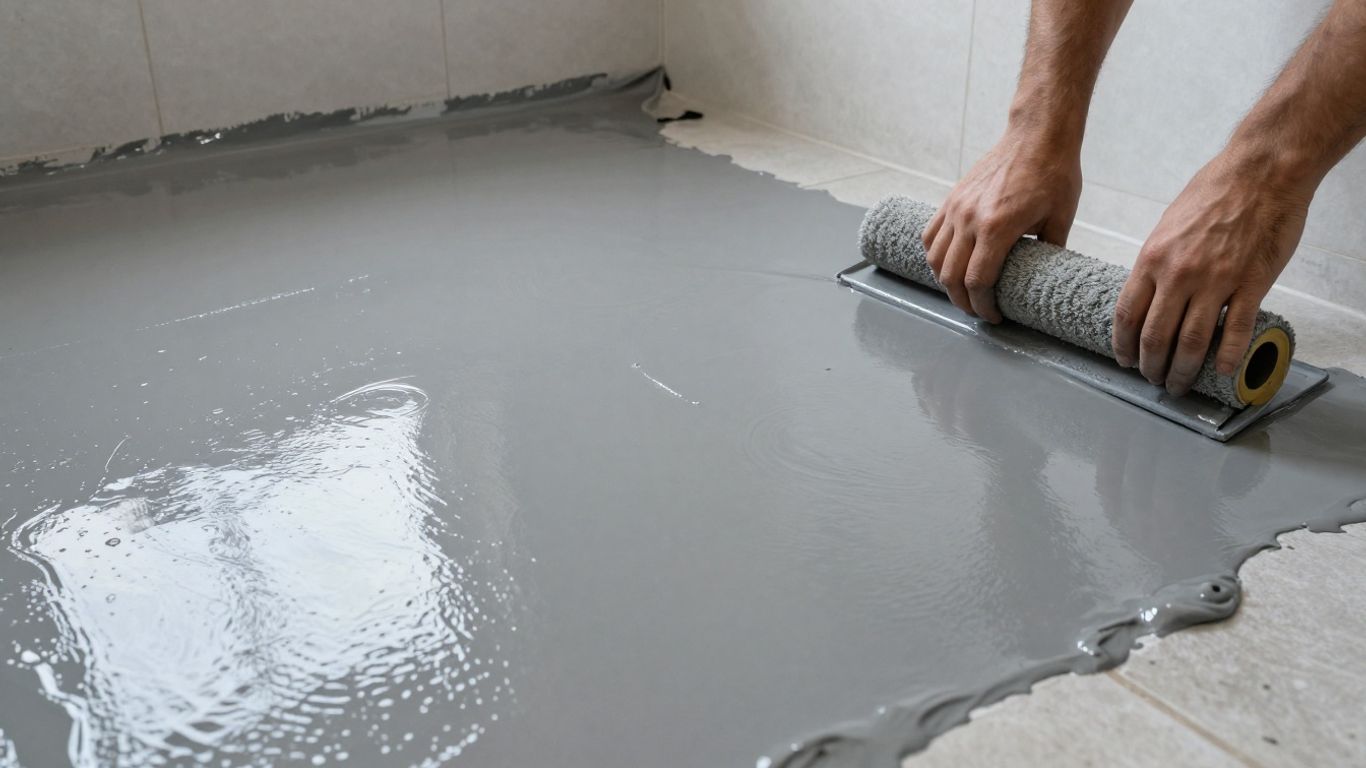
Liquid-applied membranes are a top pick for bathrooms, and it’s easy to see why. They’re applied like paint, but they cure into a flexible, solid barrier. This makes them brilliant for all those tricky spots in a bathroom – think corners, around pipes, and where the floor meets the wall. Unlike sheet membranes, they create a continuous, joint-free surface, which is exactly what you want when dealing with constant moisture and steam. This adaptability means you get really thorough protection, even in the most complex bathroom layouts. They’re a great choice for areas that get consistently wet, like shower floors and hob surrounds.
Ensuring correct application thickness and curing
While liquid membranes are flexible and forgiving in application, getting the thickness right is pretty important. Too thin, and you might not get the full waterproofing protection you need. Too thick in one spot and not enough in another, and you could end up with weak points. Most manufacturers specify a minimum dry film thickness, and it’s usually best to apply it in a couple of coats to achieve this. Also, pay attention to the curing times. This is when the membrane hardens and becomes effective. Applying the next coat too soon, or tiling over it before it’s fully cured, can cause problems down the track. Always follow the product’s instructions for application and curing, as this is key to a long-lasting result. You can explore suitable bathroom membranes at wallboulevard.com.au/collections/waterproofing.
Their role in preventing leaks and mould
Because liquid membranes form a continuous, unbroken barrier, they’re excellent at stopping water from getting where it shouldn’t. This is a big deal in bathrooms, where steam and splashes are common. By preventing water from seeping into the substrate, you significantly reduce the risk of mould growth and rot. Mould loves damp, dark spaces, and a properly waterproofed bathroom denies it that opportunity. This not only keeps your bathroom looking good but also contributes to a healthier home environment. A well-applied liquid membrane is your first line of defence against those annoying leaks and the unpleasant smell of mould.
Sheet membranes: durability and application
Ideal use for large, flat areas
Sheet membranes are a really solid choice when you’ve got big, flat surfaces to cover. Think of areas like balconies or even parts of a roof where you need a consistent, tough barrier. They come in large rolls, kind of like a heavy-duty carpet, and are laid out and then stuck down. This makes them particularly good for large areas because you end up with fewer joins compared to piecing together smaller bits.
They’re known for their high tensile strength, meaning they can handle a good amount of pulling and stretching without breaking. This is a big plus when you’re dealing with things like structural movement or even just the general wear and tear that outdoor areas face. For balconies, for instance, they offer great protection against UV rays and constant rain, which is a big deal in Australia’s climate. You can find reliable sheet membrane options that are made for our local conditions, helping to keep your home dry even when the weather gets rough.
The importance of skilled seam sealing
While sheet membranes are tough, the joins between the sheets are the most vulnerable spots. If these aren’t sealed properly, water can find its way through, and that’s exactly what you’re trying to prevent. This is why having someone who knows what they’re doing is so important. They’ll use specific methods, like heat welding for some types or special adhesives for others, to make sure those seams are completely watertight. It’s not a place to cut corners, as a poorly sealed seam can lead to leaks down the track. Getting this right is key to the whole system working as it should.
High tensile strength against water pressure
One of the standout features of sheet membranes is their impressive tensile strength. This means they can resist being pulled apart, which is really beneficial in areas that might experience some movement or pressure. For bathrooms, while liquid membranes are often preferred for their flexibility around pipes and corners, sheet membranes can be a good option for larger floor areas, especially if they’re designed to handle significant water exposure. Their ability to withstand water pressure without failing makes them a durable choice for long-term protection. The lifespan of these membranes can vary, but quality installations often last for many years [e81b].
Cementitious membranes: simplicity and rigidity
Cementitious membranes are a popular choice in Australia, largely because they’re pretty straightforward to apply and offer a good, solid finish. Basically, they’re made from cement mixed with other compounds, which gives them a really rigid and durable quality once they’ve set. You’ll often find these used in areas like bathrooms, kitchens, and even swimming pools – places where moisture is a regular visitor.
While they don’t have the same give as liquid or sheet membranes, they’re fantastic for areas where flexibility isn’t the main concern. They stick well to concrete and other rigid surfaces, creating a strong barrier against water. Plus, they hold up well against our sometimes harsh Australian weather, meaning they can last for a good while.
Ease of application for wet areas
One of the big wins for cementitious membranes is how simple they are to get onto the surface. They usually come as a powder you mix with water, or sometimes as a pre-mixed paste. This makes them quite user-friendly for tradespeople working in wet areas like bathrooms. You can often apply them with a brush or roller, much like paint, which helps cover surfaces quickly.
- Mix the two-part system (powder and liquid) according to manufacturer instructions.
- Apply the first coat evenly over the prepared substrate.
- Allow the first coat to cure before applying subsequent coats.
- Ensure all corners and junctions are adequately covered and reinforced if required.
Durability for areas without significant movement
These membranes are known for their toughness. Because they set hard and rigid, they’re great for surfaces that don’t move around much. Think concrete floors or walls that aren’t going to flex or shift. This rigidity means they can handle a fair bit of wear and tear without breaking down easily. They’re a solid option when you need a dependable barrier that won’t easily crack under normal conditions. For areas that need robust protection and aren’t subject to a lot of structural movement, cementitious membranes are a reliable choice.
When choosing a cementitious membrane, it’s important to consider the substrate. While they bond well to concrete, preparation is key. The surface needs to be clean, sound, and free from dust or contaminants to ensure the best adhesion and long-term performance. This preparation step is vital for the membrane to do its job effectively.
Resistance to the Australian climate
Our climate can throw a lot at our homes, from intense sun to heavy rain. Cementitious membranes generally stand up well to these conditions. They don’t tend to degrade quickly when exposed to UV rays or fluctuating temperatures, which is a big plus for longevity. This makes them a sensible option for many parts of Australia where buildings need to cope with a range of weather. They offer a good level of protection that can withstand the elements over time, contributing to the overall durability of your bathroom’s waterproofing. You can find suitable products for Australian conditions that are designed to perform well.
Factors influencing membrane choice for bathrooms
Choosing the right waterproofing membrane for your bathroom isn’t a one-size-fits-all situation. You’ve got to think about a few things to make sure it does its job properly for years to come. It’s not just about slapping something on; it’s about picking the right stuff for the specific conditions your bathroom faces.
Climate resilience for Australian conditions
Australia’s climate can be pretty varied, and your bathroom needs to handle it. We get intense heat, high humidity in some areas, and coastal salt spray. A membrane that can cope with these environmental stresses is key. For instance, membranes need to resist UV degradation if they’re exposed to any sunlight, and they shouldn’t become brittle in the heat or lose their grip in the damp. Considering the local climate ensures the membrane won’t break down prematurely. This is especially important in tropical areas where humidity is a constant battle, or in the west where the sun can be relentless. You want something that stays flexible and strong, no matter the weather.
Durability for long-term protection
When you’re waterproofing a bathroom, you’re looking for a solution that lasts. This means thinking about how much wear and tear the area will get. Bathrooms, especially family ones, see a lot of use. The membrane needs to be tough enough to handle foot traffic, cleaning products, and the general moisture that comes with daily use. A membrane that’s too thin or not robust enough might start to fail after a few years, leading to leaks and damage. It’s about getting that long-term peace of mind. Think about the substrate too; some membranes bond better to certain materials than others, which affects their overall durability. For example, a liquid-applied membrane that can create a seamless barrier is often preferred for its ability to handle complex shapes and prevent leaks at joints, which are common failure points. You can find suitable bathroom membranes here.
Installation process considerations
The way a membrane is installed makes a huge difference to its performance. Some membranes are easier to apply than others, and some require very specific conditions to cure properly. For bathrooms, which often have lots of nooks, crannies, and plumbing penetrations, a liquid-applied membrane can be a good choice because it can be painted into all those tricky spots, creating a continuous barrier. Sheet membranes, while durable, can be harder to get right around corners and pipes, and the seams need meticulous sealing. The Australian Standard AS3740 provides clear guidelines on waterproofing requirements, including minimum heights for wall waterproofing in shower areas, which influences how you’ll apply the membrane.
The success of any waterproofing system hinges not just on the product itself, but on the meticulous attention paid during its application. Correct surface preparation, adequate film thickness, and proper curing are non-negotiable steps that dictate the membrane’s ability to perform under pressure and over time.
Here are some points to keep in mind regarding installation:
- Surface Preparation: The substrate must be clean, dry, and free from dust, grease, or any contaminants. Any imperfections need to be smoothed out.
- Application Thickness: Most liquid membranes have a specified minimum thickness (often measured in mils or microns) that must be achieved to provide adequate waterproofing. This usually requires multiple coats.
- Curing Conditions: Temperature and humidity play a big role in how a membrane cures. Applying it in extreme conditions can compromise its final properties.
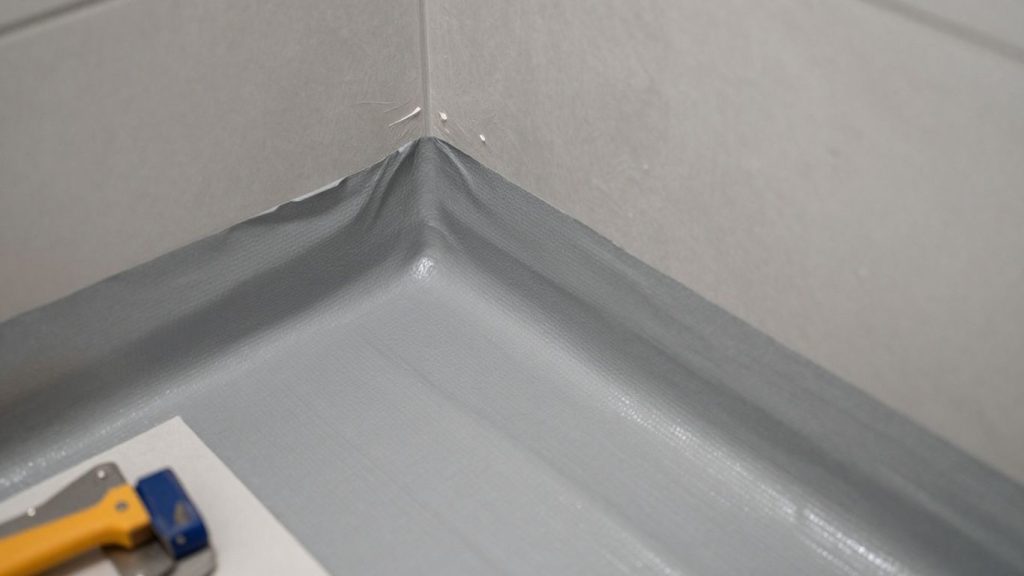
- Detailing: Junctions between walls and floors, around pipes, and in corners are critical areas. These often require reinforcement with mesh tape embedded in the membrane.
Professional installation versus DIY
The importance of licensed waterproofing contractors
When it comes to waterproofing your bathroom, especially here in Australia, you’ve got a couple of paths you can take: DIY or hiring a professional. While the idea of saving a few bucks by doing it yourself might sound good, it’s really worth thinking about the potential downsides. In some Australian states, like NSW and Queensland, you actually need to be a licensed professional to legally do waterproofing work. If you’re not, you could be looking at some serious trouble down the track. A licensed contractor not only knows the ins and outs of the job but also provides a certificate of compliance. This little piece of paper is pretty important, especially if you ever need to make an insurance claim. It basically says the work meets all the required Australian standards and was done correctly. Without it, your insurer might not cover any water damage, which could end up costing you way more than you saved by going DIY.
Ensuring compliance with Australian Standards
Getting the waterproofing done right is all about following the rules, and in Australia, that means AS 3740. This standard lays out exactly how bathroom waterproofing should be done to prevent water from getting where it shouldn’t. Professionals are trained to know these standards inside and out. They understand things like the correct thickness for membranes, how to properly seal junctions, and what materials to use for different situations. For example, they know that skipping a puddle flange around the drain is a big no-no and can lead to leaks. They also make sure the membrane thickness is right – not too thin, not too thick – so it can handle the building’s natural movement without cracking. It’s these details that make all the difference in the long run.
Potential risks of DIY installations
Look, I’m all for a bit of DIY, but waterproofing a bathroom isn’t like assembling flat-pack furniture. There are some pretty significant risks if you get it wrong. One of the biggest is simply not meeting the Australian Standards. This can lead to failed inspections, and as mentioned, it can really mess with your insurance. You might also end up with common waterproofing failures, like insufficient membrane thickness or missing bond breakers at corners. These might seem like small things, but they can lead to leaks and mould down the line. And let’s be honest, fixing those problems later is a much bigger, more expensive headache than getting it right the first time. It’s often better to get a professional involved, especially for critical areas like wall waterproofing.
Here’s a quick look at what you might expect:
- Compliance: Professionals guarantee work meets AS 3740.
- Certification: You get a certificate of compliance for insurance and peace of mind.
- Quality: Experienced tradespeople use the right techniques and materials.
While DIY can save money upfront, the potential for costly mistakes and non-compliance often makes hiring a licensed professional the more sensible choice for bathroom waterproofing. The long-term protection and assurance it provides are hard to beat.
Signs indicating a need for membrane repair
Sometimes, the first sign of a problem isn’t a dramatic leak, but a collection of smaller, more subtle clues. Ignoring these early warnings can lead to much bigger headaches and repair bills down the track. It’s always better to catch potential issues early.
Visible mould or damp smells
That persistent musty odour that just won’t go away? It’s often a sign that moisture is trapped somewhere it shouldn’t be. You might also start noticing mould or mildew appearing on walls, ceilings, or around grout lines, especially in less-ventilated areas of the bathroom. This isn’t just unsightly; it can also be a health concern.
Cracked grout or lifting tiles
Tiles and grout are the first line of defence, but they can also tell a story. If you notice grout cracking, crumbling, or even lifting away from the tiles, it could mean moisture is getting underneath. Similarly, tiles that start to feel loose or appear to be lifting can indicate that the substrate beneath them is compromised by water. This is a clear sign that the waterproofing layer might be failing.
Stains on adjacent walls or ceilings
Water doesn’t always stay contained. If you spot discoloured patches, water stains, or even bubbling paint on walls or ceilings outside the immediate bathroom area, it’s a strong indicator that water is finding its way through. These stains are like a warning light, showing where moisture has travelled from the wet area. Addressing these issues promptly can prevent further damage and costly repairs to your home.
The financial impact of water damage can be significant. What might start as a minor leak, costing a few thousand dollars to fix, can escalate into tens of thousands if structural elements, flooring, and extensive mould remediation are required. It’s a classic case where a small investment in timely repairs saves a much larger sum later on.
Choosing a reliable waterproofing membrane provider
Looking for solutions tailored to Australian homes
When you’re picking out the waterproofing membrane for your bathroom, it’s not just about grabbing any old tub off the shelf. You really want to find a supplier that gets what it’s like to build and live in Australia. Our climate is pretty wild, right? We’ve got scorching summers and sometimes some serious downpours. So, the products need to be tough enough to handle all that. A good provider will stock membranes that are specifically designed to stand up to our unique weather conditions, from the humid tropics to the dry outback fringes. They’ll know which ones are best for bathrooms, which are good for balconies, and so on. It’s about getting a product that’s built for the long haul here.
Understanding product warranties and reputation
Before you hand over your cash, have a good look at the warranty. What exactly does it cover, and for how long? A decent warranty is a sign that the manufacturer actually stands behind their product. It’s like a promise that they believe it’ll do its job properly. Also, check out what other people are saying about the brand. Have they been around for a while? Are they known for quality stuff? You don’t want to end up with something that fails after a couple of years, leaving you with a bigger mess than you started with. A solid reputation usually means you’re getting a product that’s been tested and proven.
Where to find quality waterproofing products
Finding the right place to buy your waterproofing membranes is key. You can often find a good range of options at dedicated building supply stores. Some suppliers even specialise in waterproofing solutions, which can be really helpful. For example, places like Seal Build offer certified waterproofing systems and training, which is a good sign they know their stuff. It’s worth doing a bit of homework to see who’s got a good selection and a solid track record. You might even find that some suppliers offer advice on which products are best suited for different parts of your home, like your bathroom. Remember, getting the right product from a reputable source is half the battle won. You can explore a wide variety of waterproofing membranes at places that stock solutions for every home application, including liquid and sheet membranes, plus all the necessary primers and accessories. Vicmembrane is one such supplier known for its durable materials.
Picking the right company for your waterproofing needs is super important. You want someone you can trust to do a great job that lasts. We’re here to help you make that choice easy.
Ready to find out more about how we can protect your building? Visit our website today!
Wrapping Up Your Waterproofing Choice
So, picking the right waterproofing membrane for your Australian home really comes down to the job at hand. Whether it’s a steamy bathroom or an exposed balcony, there’s a membrane designed for it. Liquid membranes are great for tricky spots and give you that seamless finish, while sheet membranes offer tough protection for bigger areas. Don’t forget about cementitious options for solid, durable coverage where flexibility isn’t the main worry. Always check that whatever you pick meets Australian standards and suits your climate. Getting this right means avoiding headaches and costly repairs down the track, keeping your place dry and sound for years to come.
Frequently Asked Questions
Why is waterproofing so important in Australian bathrooms?
Bathrooms are constantly exposed to water and steam. Proper waterproofing acts like a raincoat for your bathroom walls and floors, stopping water from getting into the building structure. Without it, you risk mould, damaged timber, and really expensive repairs down the track.
What happens if my bathroom waterproofing fails?
If the waterproofing isn’t done right or wears out, water can leak through. This can cause mould to grow, make your walls and ceilings look stained, weaken the building’s structure, and even lead to tiles lifting. It’s a big headache and can cost a lot to fix.
Are there different types of waterproofing membranes?
Yes, there are a few main kinds. Liquid-applied membranes are painted on and dry to a seamless rubbery layer, great for tricky shapes. Sheet membranes are like big rolls of tough material, good for large, flat areas. Cementitious membranes are cement-based and are strong and rigid, often used in areas like pools.
Which type of membrane is best for a shower?
Liquid-applied membranes are usually the top pick for showers because they create a seamless barrier, meaning there are no joints for water to sneak through. They can also stretch a bit, which is good because buildings can move slightly.
Do I need to worry about Australian Standards?
Absolutely! Australia has specific standards (like AS 3740) for waterproofing, especially in bathrooms. Using the right materials and methods that meet these standards is crucial to ensure your waterproofing is effective and legal.
Can I waterproof my bathroom myself?
While you can technically do it yourself, it’s often best left to the professionals. Waterproofing requires precision, especially at corners and joints. If it’s not done perfectly, you could face costly mistakes. Licensed waterproofers know the standards and have the right tools.
How long do waterproofing membranes last?
Good quality waterproofing membranes, when installed correctly, can last for many years, often decades. However, factors like the quality of the product, the installation job, and the conditions it’s exposed to can affect its lifespan.
What are signs my bathroom might need re-waterproofing?
Keep an eye out for things like mould or a musty smell, grout that’s cracked or falling out, tiles that sound hollow when tapped, or water stains appearing on walls or ceilings near the bathroom. These are red flags that your waterproofing might be failing.