Category Archives: Uncategorized

NCC 2025: Industry Gears Up for Major Building Code Overhaul

The Australian construction industry is preparing for significant changes with the upcoming National Construction Code (NCC) 2025. The draft proposals, released for public comment, introduce substantial amendments across energy efficiency, electrification, condensation management, and waterproofing, aiming to reshape Australia’s building landscape. Industry bodies are urging stakeholders to review these changes and provide feedback before the deadline.

KEY TAKEAWAYS

  • NCC 2025 draft proposes significant changes to energy efficiency, electrification, condensation management, and waterproofing.
  • Commercial buildings face increased energy efficiency stringency, including mandatory photovoltaic panels.
  • Class 1 housing will require pre-provisioning for electric vehicle charging.
  • Condensation management provisions are being revisited for the third time since 2019.
  • Waterproofing requirements for commercial building elements are set to return.
  • Industry advocates for longer transition periods to manage overlapping code implementations.

ENERGY EFFICIENCY AND ELECTRIFICATION BOOST

NCC 2025 is set to introduce more stringent energy efficiency requirements for commercial buildings (Class 3, 5-9 and common areas of Class 2). The proposals outline three levels of stringency, with higher levels mandating photovoltaic panels on a majority of roof space. Level 3 further requires additional solar capacity to offset gas appliance use for heating or hot water, necessitating increased electrical capacity and space for potential retrofits. The goal is to move towards ‘net-zero ready’ buildings.

For Class 1 housing, the NCC 2025 draft includes pre-provisioning for electric vehicle charging at one parking space, mirroring changes introduced for Class 2 buildings in NCC 2022. This involves a dedicated circuit and pathway to a suitable outlet. Additionally, the draft proposes recognising centralised electric hot-water supply as an alternative for sanitary hot-water systems in Class 2 buildings, offering a solution where space or rooftop solar is constrained, and aligning with jurisdictional moves away from gas.

ADDRESSING CONDENSATION AND WATERPROOFING CHALLENGES

Condensation management provisions are being updated for the third time since NCC 2019, with proposed changes expected to impact the cost, materials, and design of dwellings. The requirements for vapour-permeable materials will be expanded to all climate zones and Class 3 (motels) and Class 9c (aged care) buildings. A notable change for approximately half of Australian buildings in cooler climates (zones 6-8) is the potential ban on direct-fix cladding solutions, mandating the use of ventilated and drained cavities for walls. Changes to roof cavity dimensions and ventilation calculations are also proposed to clarify existing provisions.

Waterproofing requirements for concrete balconies, roofs, podiums, Class 7 carparks, and Class 8 factories in commercial and apartment buildings, previously proposed for NCC 2022, are set to return in an amended form. The proposals include a consolidated Performance Requirement for surface water management, rising damp, and external waterproofing. The scope of water management will expand to cover the entire allotment, including irrigation, groundwater, and sub-surface overflow. These changes may affect slab design, mandatory falls, and introduce narrow tolerances, potentially leading to increased costs and delays.

INDUSTRY CALL FOR CAREFUL CONSIDERATION AND TIMING

The Housing Industry Association (HIA) highlights that consultation on NCC 2025 is occurring while many in the industry are still implementing NCC 2022 changes, creating a risk of unforeseen consequences. The HIA strongly advocates for longer transition periods for NCC 2025, ideally commencing on 1 May 2026 or later, to avoid overlap with NCC 2022 implementation timelines. Members are encouraged to review the draft proposals available on the ABCB Consultation Hub and submit comments directly to the ABCB by 11:59 pm on 1 July 2024. The HIA also invites members to share their views with HIA Technical Services.

SOURCES

new Australian waterproofing standard to be aware in 2026

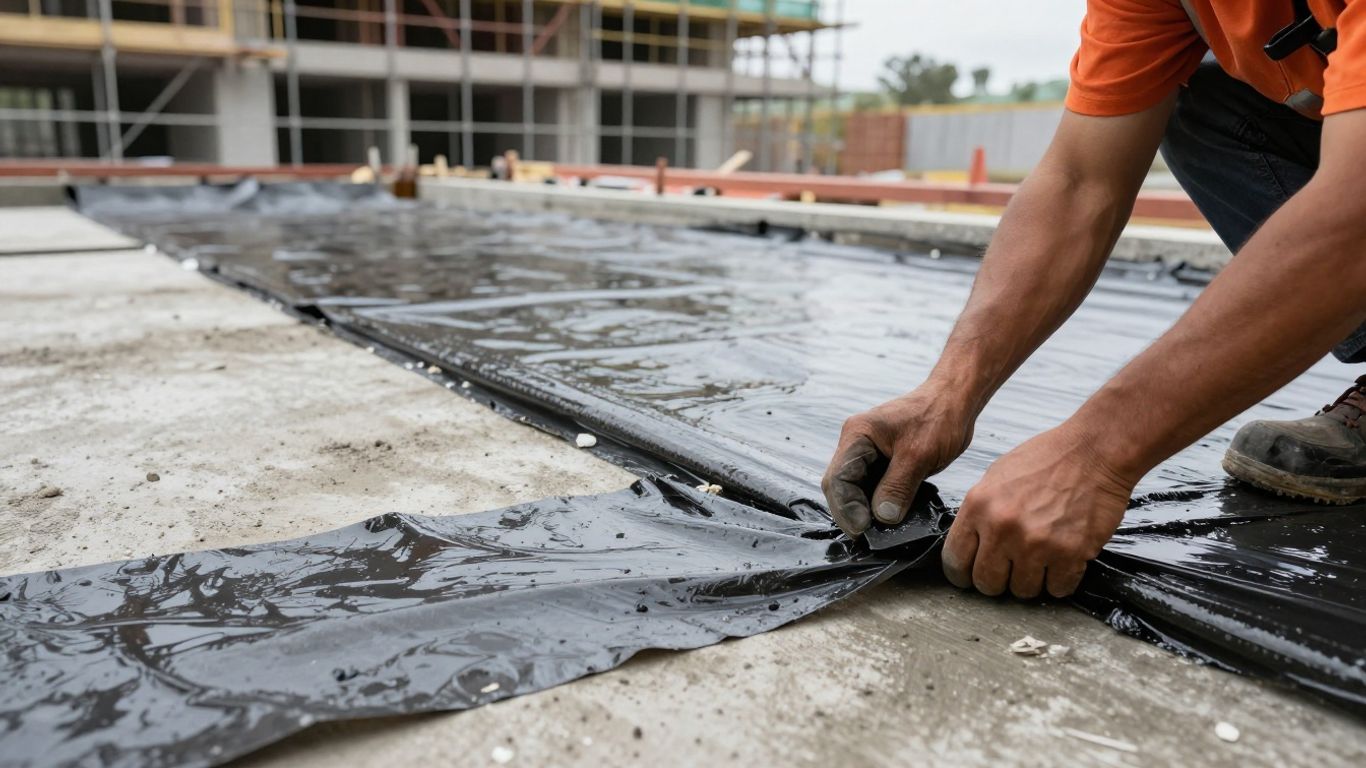
Two construction workers applying black waterproofing membrane to a concrete foundation
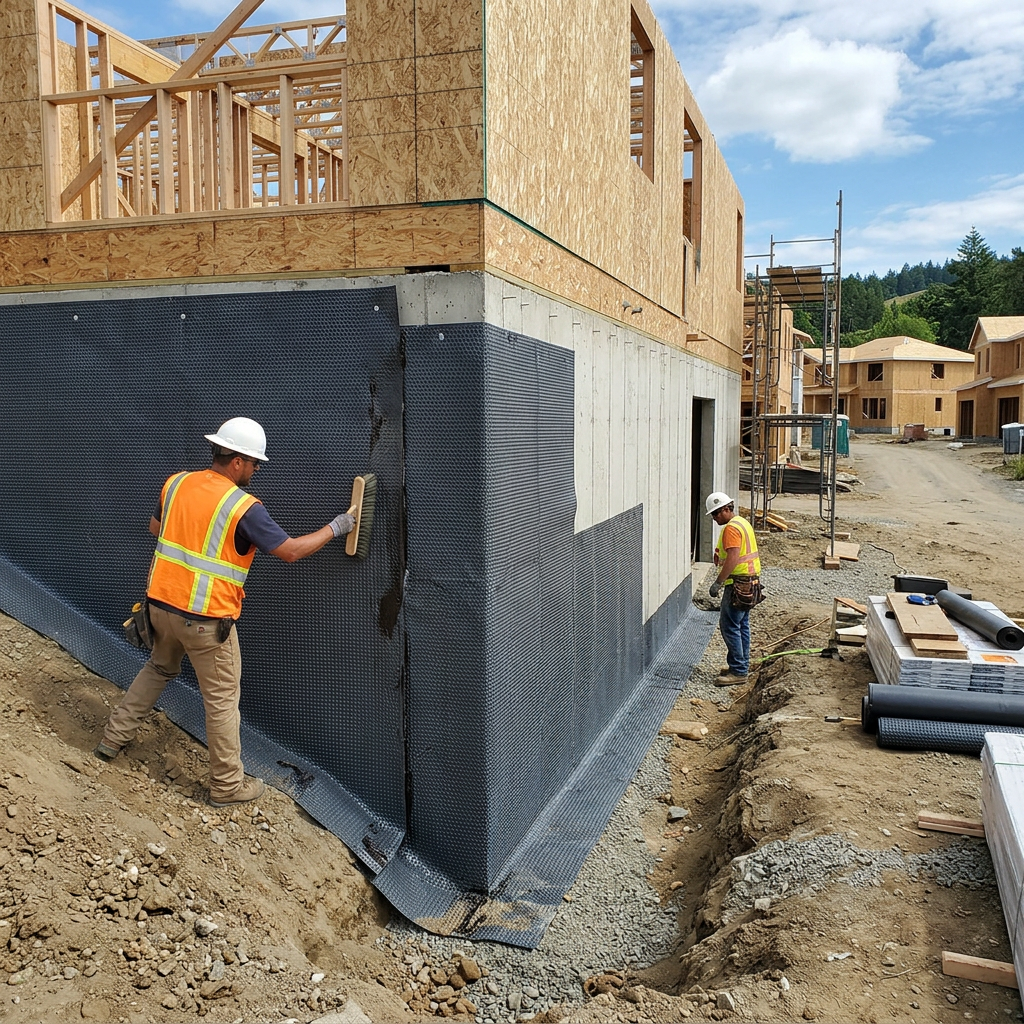
Workers applying waterproofing membrane to a building foundation at a construction site

Introduction to Waterproofing

With the introduction of the new waterproofing standard to be aware in 2026, builders and homeowners must stay informed about the changes and how they may affect their projects.

Understanding the new waterproofing standard to be aware in 2026 will also help in selecting the best products for various construction needs.

In light of the new waterproofing standard to be aware in 2026, it is recommended that property owners consult experts for guidance.

When constructing a new building in Sydney, one of the most critical aspects to consider is waterproofing. Waterproofing is the process of making a structure resistant to water ingress, which can lead to considerable damage over time. This article aims to provide a comprehensive guide on waterproofing your new build, discussing everything from regulations to the selection of appropriate products and techniques. By understanding the importance of waterproofing and implementing the right strategies, homeowners and builders can ensure lasting protection for their properties.

It is crucial to stay informed about the new waterproofing standard to be aware in 2026 to ensure compliance and optimal protection for your property.

When researching waterproofing options, it’s advisable to read waterproofing sydney reviews to gauge the effectiveness of various products.

What is Waterproofing?

Additionally, keeping the new waterproofing standard to be aware in 2026 in mind while applying these materials will ensure optimal results.

Waterproofing Sydney Reviews

Many customers highlight the importance of checking waterproofing sydney reviews before selecting a product.

Awareness of the new waterproofing standard to be aware in 2026 is essential to avoid costly repairs due to water damage.

Following the new waterproofing standard to be aware in 2026 will ensure compliance and enhance the overall quality of your construction.

It is also advisable to review the new waterproofing standard to be aware in 2026 during planning stages.

Waterproofing refers to the application of materials and techniques designed to prevent water from penetrating structures. Whether it’s a residential building, commercial property, or any other type of construction, waterproofing is essential for safeguarding against the elements. The materials used can vary widely, including membranes, sealants, and coatings, each tailored for specific applications and conditions.

Considering waterproofing sydney reviews can provide insights into the best products available in the market.

Why is Waterproofing Important?

The significance of waterproofing cannot be overstated. In Sydney, where heavy rain and humidity levels are common, effective waterproofing is vital to prevent water damage, mold growth, and structural instability. Signs of inadequate waterproofing can range from visible water stains to serious structural issues, which can be costly to repair. Additionally, proper waterproofing can enhance the longevity of a building, contributing to higher property values and reduced maintenance costs over time.

Familiarising yourself with waterproofing sydney reviews can help you select the right systems for your needs.

Understanding AS 3740:2021

Overview of AS 3740:2021

AS 3740:2021 is the Australian Standard that governs the waterproofing of wet areas in residential buildings. This standard outlines the minimum requirements for materials, installation, and maintenance of waterproofing systems. Understanding this standard is crucial for builders, architects, and property owners, as it ensures compliance with safety and quality benchmarks.

Compliance and Building Regulations

Compliance with AS 3740:2021 is not merely a suggestion; it is a legal requirement for new builds in Australia. All waterproofing work must meet these standards to pass inspections and obtain occupancy permits. Familiarity with the latest regulations helps avoid potential legal and financial repercussions, as violations can result in fines or costly rework.

Choosing the Right Waterproofing Product

Types of Waterproofing Products

There are several types of waterproofing products available, each serving different purposes. Common options include:

  • Liquid Membranes: Ideal for irregular surfaces, these form a seamless layer that adheres to the substrate.
  • Sheet Membranes: Prefabricated sheets that are applied to surfaces, often used in larger applications.
  • Cementitious Coatings: Powdered products mixed with water to create a slurry, suitable for vertical and horizontal surfaces.
  • Bituminous Membranes: Asphalt-based products that offer excellent waterproofing and durability.

Factors to Consider When Choosing Waterproofing

Choosing the right waterproofing product involves considering various factors, such as the type of substrate, environmental conditions, and specific application areas. For instance, wet areas like bathrooms and kitchens require different solutions than exterior walls and foundations. It’s also essential to consider the product’s longevity, ease of application, and compatibility with other building materials.

Utilising waterproofing sydney reviews in your decision-making process can enhance your project’s success.

Consulting the new waterproofing standard to be aware in 2026 is crucial for all builders and architects.

Ensuring compliance with the new waterproofing standard to be aware in 2026 will ultimately lead to better project outcomes.

Waterproofing for New Duplexes

Specific Challenges in Duplex Construction

Incorporating the new waterproofing standard to be aware in 2026 can significantly improve the building’s resilience.

For duplexes, consulting waterproofing sydney reviews reveals common challenges and solutions.

Duplexes present unique challenges for waterproofing due to their shared walls and potential for water to travel through adjoining units. Proper design and execution are essential to prevent water migration between the units, which can lead to disputes between owners and costly repairs. Special attention should be given to the junctions where different materials meet, such as walls and floors, to ensure a watertight seal.

Proper implementation of the new waterproofing standard to be aware in 2026 is key to avoiding future issues.

Additionally, keep in mind the new waterproofing standard to be aware in 2026 when choosing materials.

In addition, waterproofing sydney reviews can inform you about the latest trends and technologies in waterproofing.

Utilising the new waterproofing standard to be aware in 2026 will facilitate better planning and execution.

Effective Strategies for Duplex Waterproofing

To effectively waterproof duplexes, consider implementing a combination of methods: installing appropriate membranes, ensuring proper drainage, and conducting thorough inspections throughout the construction process. Additionally, using the same waterproofing system across both units can help simplify maintenance and ensure consistent performance. Always engage professionals who are familiar with local regulations and best practices.

Identifying wet areas should also involve looking into waterproofing sydney reviews to understand common pitfalls.

Waterproofing Wet Areas in New Residential Buildings

Finally, the new waterproofing standard to be aware in 2026 should be part of every builder’s toolkit.

Incorporating feedback from waterproofing sydney reviews can improve your approach to waterproofing wet areas.

Identifying Wet Areas

To avoid common defects, always refer to waterproofing sydney reviews to learn from others’ experiences.

Wet areas include locations that are regularly exposed to water, such as bathrooms, kitchens, laundries, and outdoor decks. Identifying these areas early in the design phase allows builders to integrate waterproofing solutions seamlessly into the construction process. Proper assessment of potential water exposure is crucial for determining the appropriate waterproofing system.

Thus, waterproofing sydney reviews are critical in preventing common waterproofing defects.

Best Practices for Waterproofing Wet Areas

Best practices for waterproofing wet areas include using high-quality waterproof membranes, ensuring proper drainage systems are in place, and conducting thorough inspections to identify any potential vulnerabilities. It’s also critical to consider ventilation and moisture control in these areas to prevent mold and mildew growth, which can not only damage the structure but also pose health risks to occupants.

Ultimately, the insights gained from waterproofing sydney reviews can save time and resources during construction.

Common Defects from Poor Waterproofing

Identifying Waterproofing Failures

Common defects from inadequate waterproofing include mold growth, water stains, peeling paint, and structural damage. These issues often arise due to improper application or the use of substandard materials. Regular inspections can help identify potential problems before they escalate into costly repairs.

How to Prevent Common Waterproofing Defects

For those new to waterproofing, reading waterproofing sydney reviews can provide valuable information.

Regular inspections should be informed by understanding waterproofing sydney reviews for effective maintenance.

For DIY enthusiasts, checking waterproofing sydney reviews is essential to ensure proper techniques.

Understanding the new waterproofing standard to be aware in 2026 will help homeowners protect their investments.

Regular updates on the new waterproofing standard to be aware in 2026 can help maintain compliance.

It is essential to keep abreast of the new waterproofing standard to be aware in 2026 as part of your ongoing education.

Consider the implications of the new waterproofing standard to be aware in 2026 when designing your building.

Furthermore, staying updated with waterproofing sydney reviews can enhance your knowledge of regulations.

Identifying signs of waterproofing failure can be clarified by looking at waterproofing sydney reviews.

In summary, the new waterproofing standard to be aware in 2026 is a vital component to consider in any construction project.

Preventing waterproofing defects involves meticulous planning, quality materials, and skilled application. Engaging experienced professionals for the waterproofing process is essential, as they will have the knowledge to navigate the challenges specific to each project. Additionally, following up with routine maintenance checks can ensure the integrity of the waterproofing system over time.

Conclusion

Recap of Key Points

Waterproofing is a crucial element of construction in Sydney, particularly given the region’s climate challenges. Understanding the standards, selecting the right products, and implementing best practices are key to ensuring the durability and safety of any new build. By addressing waterproofing needs at every stage of construction, builders and homeowners can protect their investments and promote a healthier living environment.

Final Thoughts on Waterproofing Your New Build

Ultimately, waterproofing is not just an additional task to check off a construction list; it is a foundational aspect of building that has lasting implications. As you embark on your new build journey, prioritize waterproofing to safeguard your home from the elements. Engaging professionals who understand the specific needs of your project will provide peace of mind and ensure long-term success.

FAQs

What are the main benefits of waterproofing a new build?
Waterproofing provides protection against water damage, prevents mold and mildew growth, and extends the lifespan of the building. It also helps maintain property value and minimizes maintenance costs.

How often should I inspect waterproofing systems?
It is advisable to inspect waterproofing systems at least once a year, as well as after significant weather events. Regular inspections help catch potential issues before they cause serious damage.

Can I waterproof my home myself?
While some homeowners may choose to take on waterproofing projects themselves, hiring professionals is often recommended. Experienced applicators understand the best materials and techniques to ensure effective waterproofing.

Are there specific regulations for waterproofing in Sydney?
Yes, the Australian Standard AS 3740:2021 outlines the regulatory framework for waterproofing residential buildings. Compliance with these standards is essential for legal and safety reasons.

What are the signs of waterproofing failure?
Signs of waterproofing failure can include water stains on walls and ceilings, musty odors, mold growth, and peeling paint. If you notice any of these issues, it is crucial to investigate and address them promptly.

Essential Guide: Crafting Your Waterproofing Method Statement for Australian Projects

So, you’re building something in Australia and need to nail down the waterproofing details? It’s not just about slapping on some goo; you need a proper plan. This guide walks you through making a watertight method statement waterproofing document that ticks all the boxes. Think of it as your blueprint for keeping water where it belongs – out of your building. We’ll cover what needs to go in it, why it’s important, and how to make sure it’s done right, especially with all the Australian rules and standards out there. Let’s get this sorted so you don’t have leaky headaches later.

Key Takeaways

  • Make sure your method statement waterproofing clearly states who’s doing what and covers all the rules and standards for Australian building projects.
  • Get all the project details sorted early, like site specifics and environmental factors, to pick the right waterproofing system for the job.
  • Clearly outline how the waterproofing will be installed, including prepping the surfaces and how long it needs to cure, to avoid problems.
  • Set up checks and balances for quality control and inspections, and keep good records of everything done.
  • Always think about safety and how to communicate with everyone involved, from certifiers to trades, to keep the project running smoothly.

UNDERSTANDING THE PURPOSE OF A METHOD STATEMENT WATERPROOFING

A waterproofing method statement isn’t just another piece of paper to tick off a list. It’s a really important document that lays out exactly how the waterproofing work on a project will be done, safely and correctly. Think of it as the blueprint for the waterproofing itself. It helps everyone involved know what’s happening, why it’s happening, and how it fits into the bigger picture of the construction.

Clarifying Roles and Responsibilities

This section is all about making sure everyone knows their job. Who is responsible for what part of the waterproofing process? This includes the main contractor, the waterproofing subcontractor, the site supervisor, and even the architect or engineer who might be signing off on it. Clearly defining these roles stops confusion down the track and makes sure tasks don’t fall through the cracks. It’s about accountability, plain and simple.

  • Project Manager: Overall site supervision and coordination.
  • Waterproofing Contractor: Execution of all waterproofing works as per the method statement and manufacturer guidelines.
  • Site Supervisor: Daily monitoring of work progress and adherence to the method statement.
  • Quality Inspector: Verification of work at key stages.

Addressing Compliance Requirements

Australian building projects have a stack of rules and standards to follow, especially when it comes to waterproofing. The method statement needs to show how the proposed work will meet these requirements. This means referencing things like the National Construction Code (NCC) and any relevant Australian Standards (like AS 3740 for waterproofing of wet areas). It’s not just about doing a good job; it’s about doing a job that’s legally compliant and won’t cause problems later on.

Supporting Project Risk Management

Waterproofing failures can be a real headache, leading to leaks, mould, and expensive repairs. A good method statement identifies potential risks associated with the waterproofing work – like bad weather, incorrect material application, or substrate issues – and outlines how these risks will be managed or avoided. It’s a proactive way to prevent problems before they even start, saving time, money, and a lot of stress for everyone involved.

COMPLYING WITH AUSTRALIAN REGULATIONS AND STANDARDS

Referencing NCC and State Codes

When you’re planning any building work in Australia, you’ve got to play by the rules. The big one is the National Construction Code (NCC), which basically sets out the minimum performance levels for buildings. It’s split into volumes, with Volume Two being the main one for houses and similar structures (think Class 1 and 10 buildings). Volume Three covers plumbing and drainage, which is also pretty important for waterproofing. The NCC doesn’t always tell you exactly how to do things, but it tells you what needs to be achieved. This means you’ll often need to look at other documents to figure out the practical steps.

On top of the NCC, each state and territory has its own building acts and regulations. These can cover things like who can build, what permits you need, and even specific requirements for owner-builders. It’s a bit of a maze, but you need to make sure you’re ticking all the boxes for your specific location. Ignoring these can lead to major headaches down the track, like having to pull things apart and start again.

It’s not just about following the letter of the law; it’s about building a safe and durable structure that performs as expected over its lifetime. Understanding the hierarchy of regulations, from the national code to state-specific requirements, is key to a successful project.

Incorporating Relevant Australian Standards

The NCC often points you towards specific Australian Standards (AS/NZS). Think of these standards as the detailed instruction manuals for achieving the performance levels set out in the NCC. For waterproofing, you’ll be looking at standards that cover things like:

  • Waterproofing of wet areas: This covers bathrooms, laundries, and kitchens where water is used regularly.
  • Damp-proofing: This deals with preventing moisture from rising from the ground or penetrating walls.
  • Materials and installation: Standards will often specify the types of membranes, sealants, and other materials you can use, and how they should be installed.

For example, AS 3740 is the go-to standard for waterproofing of domestic wet areas. You’ll also need to consider standards related to the substrates you’re working on, like concrete or timber, and how they interact with the waterproofing system. It’s a good idea to get familiar with the key standards that apply to your project type and location. You can usually purchase these from Standards Australia.

Consulting with Regulatory Bodies

Don’t be shy about talking to the people who enforce these rules. Your local council’s building department or your state’s building authority are there to help clarify requirements. They can provide guidance on specific interpretations of the NCC or state codes, especially if your project has unique aspects. Engaging with them early can prevent misunderstandings and costly rework later on. They can also point you towards the correct forms, checklists, and inspection schedules you’ll need to follow. It’s always better to ask a question upfront than to assume you know the answer and get it wrong.

GATHERING CRITICAL PROJECT INFORMATION FOR WATERPROOFING PLANS

Before you even think about picking up a trowel or rolling out a membrane, you need to get a solid handle on the project itself. This means digging into the details – the nitty-gritty stuff that affects how and where your waterproofing will be applied. Skipping this step is like trying to build a house without knowing the land it’s going on; it’s a recipe for problems down the track.

Identifying Site and Building Details

First things first, you need to know exactly what you’re working with. This involves understanding the site’s layout, the building’s structure, and how everything fits together. Think about:

  • Building plans: Get your hands on the architectural and structural drawings. These show you the dimensions, the layout of rooms, and where walls, floors, and roofs are. You need to know the exact shapes and sizes you’ll be waterproofing.
  • Existing conditions: Is this a new build or a renovation? If it’s a renovation, what’s already there? Are there any existing damp issues or previous waterproofing attempts that failed? You need to know the history.
  • Material specifications: What are the walls made of? What’s the substrate for the floors and roof? Different materials need different approaches to waterproofing. For example, concrete, timber, and metal all behave differently.
  • Drainage systems: How does water get away from the building? Understanding the stormwater, sewer, and any other drainage systems is key to making sure your waterproofing works with them, not against them.

Documenting Environmental Considerations

Australia’s environment can be pretty harsh, and this definitely impacts waterproofing. You can’t just use the same system everywhere. You’ve got to consider:

  • Climate: Is the project in a tropical area with high humidity and heavy rainfall? Or is it in a dry, arid region? Coastal areas have salt spray to contend with, while alpine regions have freeze-thaw cycles. Each of these demands specific material choices and application methods.
  • Exposure levels: How much direct sun will the waterproofed area get? Will it be constantly exposed to wind and rain, or is it protected? High UV exposure, for instance, can degrade certain materials over time.
  • Soil conditions: For below-ground waterproofing, the type of soil and its moisture content are important. Is it clay that holds water, or sandy soil that drains well? This affects hydrostatic pressure.

Assessing Area-Specific Risks

Every part of a building has its own set of potential problems. You need to look at each area individually and figure out what could go wrong with the waterproofing.

  • Wet areas: Bathrooms, laundries, and kitchens are obvious candidates for water issues. Think about shower bases, around baths, splashbacks, and floor wastes. These need robust, reliable waterproofing.
  • External elements: Balconies, decks, planter boxes, and retaining walls are all exposed to the weather. They need systems that can handle movement, UV, and direct water ingress.
  • Roofing and penetrations: Roofs are a major area for leaks. You need to consider junctions, valleys, skylights, vents, and any other points where something goes through the roof. These are common failure points.
  • Below ground: Basements and foundation walls are susceptible to groundwater. The waterproofing here needs to resist constant moisture and potentially significant hydrostatic pressure.

Gathering this information upfront isn’t just busywork; it’s about building a solid foundation for your waterproofing strategy. It helps you choose the right products, plan the installation correctly, and avoid costly mistakes later on. Think of it as your project’s ‘pre-game’ analysis – absolutely vital for a win.

Here’s a quick look at some common areas and their specific considerations:

Area Key Considerations
Shower Enclosure Water containment, falls to waste, tile movement
Balcony / Deck UV exposure, foot traffic, drainage, substrate movement
Retaining Wall Hydrostatic pressure, soil type, drainage
Roof Junctions Wind-driven rain, thermal expansion, debris
Basement Slab Groundwater, capillary action, soil contaminants

SELECTING SUITABLE WATERPROOFING SYSTEMS AND MATERIALS

Choosing the right waterproofing system and materials is a big deal for any Australian building project. It’s not just about picking something that looks good; it needs to actually work, stand up to our tough climate, and meet all the building codes. Getting this wrong can lead to leaks, mould, and a whole heap of headaches down the track.

Evaluating System Compatibility

Before you even think about brands, you need to figure out if the waterproofing system will play nicely with everything else on the job. This means looking at the substrate – what are you putting it on? Is it concrete, timber, or something else? The system needs to bond properly and not react badly with the base material. Also, consider what’s going on top of the waterproofing. Will it be tiles, a screed, or exposed to the sun? The system has to be able to handle that too. Compatibility is key to a long-lasting waterproof barrier.

  • Substrate Type: Ensure the membrane adheres well to concrete, timber, or other base materials. Check for any primers or special prep needed.
  • Overlay Materials: Confirm the system can take the weight and stress of tiles, screeds, or direct exposure.
  • Adjoining Systems: Think about how it connects to window seals, door frames, and drainage points. These junctions are often weak spots.

Considering Environmental Factors

Australia’s environment throws a lot at our buildings. We’ve got harsh UV rays, big temperature swings, and sometimes serious rain events. Your waterproofing needs to be up for it. For areas exposed to sunlight, you’ll need UV-resistant products. If it’s a wet area that gets a lot of foot traffic, you need something tough and slip-resistant. Think about the specific conditions the waterproofing will face throughout its life.

  • UV Exposure: Select membranes and coatings designed to withstand prolonged sunlight without degrading.
  • Temperature Fluctuations: Choose materials that remain flexible and don’t crack or become brittle in extreme heat or cold.
  • Chemical Exposure: If the area might come into contact with cleaning agents or other chemicals, check the material’s resistance.
  • Water Pressure: For below-ground or tanked areas, the system must be rated for the hydrostatic pressure it will encounter.

Referencing Manufacturer Guidelines

Manufacturers know their products inside out. Their technical data sheets and installation guides are gold. They’ll tell you exactly how to prepare the surface, how to apply the product, what temperatures to work in, and how long it needs to cure. Always follow these instructions to the letter. Deviating from them can void warranties and lead to failure. It’s worth checking if the manufacturer has specific recommendations for Australian conditions too.

Don’t assume you know best when it comes to product application. The manufacturer’s instructions are there for a reason, usually based on extensive testing and real-world experience. Skipping steps or using incorrect methods is a fast track to problems.

Here’s a quick look at what to expect in manufacturer documentation:

  • Product Data Sheets (PDS): Details on the product’s properties, intended uses, and performance characteristics.
  • Safety Data Sheets (SDS): Information on handling, storage, and potential hazards.
  • Application Manuals: Step-by-step guides for installation, including surface preparation, application techniques, and curing times.
  • Warranty Information: Outlines the conditions under which the product is covered.

DEFINING INSTALLATION SEQUENCES AND PROCEDURES

This section is all about laying out exactly how the waterproofing work will get done, step-by-step. It’s not just about saying ‘we’ll waterproof this area’; it’s about detailing the how, when, and by whom. Getting this right means fewer mistakes on site and a much better chance of a watertight finish.

Preparing Substrates Thoroughly

Before any waterproofing product even sees the light of day, the surface it’s going on needs to be absolutely spot-on. This means cleaning off any dust, grease, old paint, or anything else that could stop the membrane from sticking properly. We’re talking about a clean, dry, and sound surface. Any cracks or holes need to be filled and made good. Think of it like painting – you wouldn’t paint over a dirty wall, would you? Same principle here, but with much higher stakes.

  • Surface Cleaning: Removal of all contaminants.
  • Crack and Void Repair: Filling and making good any imperfections.
  • Surface Profile: Achieving the correct texture for adhesion.
  • Moisture Content: Ensuring the substrate is dry as per manufacturer specs.

Outlining Installation Steps

This is where you detail the actual application process. For a liquid-applied membrane, this might involve specifying the number of coats, the application method (roller, brush, spray), and the direction of application. For sheet membranes, it’s about how the sheets are laid, overlapped, and sealed. It’s important to be specific about things like:

  • Primer Application: Type, coverage rate, and drying time.
  • Membrane Application: Number of coats, thickness, coverage rates, and application method.
  • Detailing: How corners, penetrations (like pipes), and junctions are handled – these are often weak spots.
  • Lap Joints: Specifying the width of overlaps and the method of sealing for sheet membranes.

Detailing Curing and Protection Periods

Once the waterproofing is applied, it’s not instantly ready for whatever comes next. Membranes need time to cure properly. This means specifying how long they need to dry or cure before they can be walked on, before the next layer of protection is applied, or before tiling or other finishes go on top. It also covers how the newly waterproofed area will be protected from damage during the rest of the construction process. You don’t want someone accidentally dropping tools on your fresh membrane, do you?

  • Drying/Curing Times: As specified by the manufacturer for each product.
  • Foot Traffic Restrictions: When can people walk on it?
  • Protection Measures: How will the membrane be shielded from damage?
  • Subsequent Layer Application: When can screeds, tiles, or other finishes be applied?

The sequence of work is critical. Applying a membrane before the substrate is adequately prepared, or covering it before it has cured, will almost certainly lead to failure down the track. Proper sequencing minimises risks and ensures the waterproofing system performs as intended for its service life.

ESTABLISHING QUALITY ASSURANCE AND INSPECTION PROTOCOLS

Making sure the waterproofing is done right from the start is a big deal. It’s not just about slapping on some membrane; it’s about having a solid plan for checking everything along the way. This is where quality assurance and inspection protocols come in. They’re basically your roadmap for making sure the work meets the standards and doesn’t end up causing leaks down the track.

Scheduling Key Stage Inspections

Waterproofing isn’t a one-off job. There are specific points during the installation where checks are absolutely necessary. Missing these can mean problems are hidden until it’s too late to fix them easily. Think of it like building a house – you wouldn’t just pour concrete and hope for the best; you check the formwork, the rebar, and the pour itself.

  • Pre-pour inspection: Before any concrete is poured, especially for basements or slabs, the waterproofing membrane needs to be in place and checked for any damage or gaps.
  • Before covering inspection: This is a big one. Once the waterproofing is done but before it’s covered up by screed, tiles, or backfill, it needs a thorough inspection. This is your last chance to spot any issues without major demolition.
  • Post-installation inspection: After all the finishes are applied, a final check can catch any damage that might have occurred during the tiling or finishing stages.

The timing of these inspections is critical. They need to be scheduled with enough notice for the inspector to attend, but also at a point where the work is ready to be checked and not so far along that it’s already been covered.

Maintaining Detailed Records

Just doing the inspections isn’t enough; you need proof that they happened and what the outcome was. Keeping good records is vital for a few reasons. Firstly, it shows you’ve followed the plan. Secondly, it’s your defence if something goes wrong later on. And thirdly, it helps track the progress and quality of the work.

What should you keep?

  • Inspection reports: These should detail what was checked, when, by whom, and the result (pass/fail/conditional pass).
  • Photographic evidence: Photos of the work at each inspection stage, especially before and after any remedial work, are incredibly useful.
  • Material data sheets: Keep records of the exact products used, including batch numbers if possible.
  • Installer qualifications: Proof that the people doing the work are trained and experienced.

Ensuring Traceability of Works

Traceability means you can follow the waterproofing work from the materials used, to the people who installed them, to the inspections that were passed. This creates a clear chain of accountability. If a specific batch of membrane is found to be faulty, you can trace where it was used. If a particular installer made a mistake, you know who it was.

This is often managed through a combination of the detailed records mentioned above and a clear site diary or logbook. It helps build confidence that the waterproofing system has been installed correctly and according to the specifications. It’s about having a clear history of the work, so if questions arise, you have the answers readily available.

IDENTIFYING COMMON WATERPROOFING DEFECTS AND REMEDIAL MEASURES

Even with the best intentions and careful planning, things can go wrong with waterproofing. Spotting these issues early and knowing how to fix them is a big part of keeping a project on track and preventing bigger headaches down the line. It’s not always obvious when a problem starts, but a bit of vigilance goes a long way.

Addressing Typical Failure Points

Waterproofing systems can fail for a bunch of reasons. Sometimes it’s about the materials not being quite right for the job, or maybe the installation wasn’t up to scratch. Other times, it’s the environment throwing a curveball. We often see issues pop up at junctions, penetrations, and changes in substrate. These are the spots where membranes are cut, joined, or stretched, making them more vulnerable.

  • Membrane Tears or Punctures: These can happen during installation if tools are dropped, or later due to substrate movement or impact. Even small tears can let water in.
  • Poor Adhesion: If the membrane doesn’t bond properly to the substrate, it can lift, creating voids where water can collect and travel.
  • Inadequate Lap Joints: Where two pieces of membrane meet, the overlap needs to be sufficient and properly sealed. Gaps or insufficient overlap are common leak points.
  • Failed Sealants or Flashings: Around pipes, drains, or window frames, sealants and flashings are critical. If these degrade or aren’t installed correctly, water ingress is almost guaranteed.
  • Cracking of Substrate: If the concrete or other substrate cracks, and the waterproofing membrane isn’t flexible enough to bridge it, the crack will transfer through the membrane, creating a pathway for water.

It’s really important to remember that a lot of waterproofing failures aren’t immediately obvious. Water can travel quite a distance behind the membrane before it shows up as a stain or drip, often in a completely different location than the actual breach.

Implementing Proactive Maintenance

Once a building is up and running, a good maintenance plan is your best friend for waterproofing. It’s not just about fixing things when they break; it’s about looking for trouble before it starts. Regular checks can catch minor issues before they become major, costly repairs.

  • Scheduled Inspections: Plan to have waterproofing systems checked periodically, especially in high-risk areas like bathrooms, balconies, and roofs. The frequency will depend on the system and exposure, but annually is a good starting point for many.
  • Visual Checks: Train building managers or occupants to look for obvious signs of trouble like cracked tiles, efflorescence (white powdery deposits), damp patches, or mould growth.
  • Drainage System Maintenance: Keep gutters, downpipes, and roof drains clear of debris. Blocked drains are a major cause of water pooling and subsequent leaks.
  • Sealant and Grout Checks: Inspect and maintain sealants around fixtures and tile grout. These are often the first line of defence and can degrade over time.

Recording Rectification Methods

When a defect is found and needs fixing, how you document the repair is just as important as the repair itself. This record becomes part of the building’s history and can be vital if issues reoccur or for future reference.

  1. Identify the Defect: Clearly describe the problem, its location, and its apparent cause. Photos are a must here.
  2. Determine the Repair Strategy: Outline the proposed method for fixing the defect. This should include preparing the area, the materials to be used, and the installation process.
  3. Execute the Repair: Carry out the work according to the agreed method statement.
  4. Document the Repair: Take detailed photos of the repair process and the finished work. Record the date, who performed the work, and the materials used. This creates a clear trail of what was done.
  5. Test and Verify: If possible, test the repaired area to confirm the defect has been resolved. This might involve a water test or simply observing the area over time.

Having this information readily available helps demonstrate due diligence and provides a clear history of the building’s maintenance and repair activities.

EMBEDDING SAFETY PRACTICES INTO WATERPROOFING WORKS

When you’re dealing with waterproofing, safety isn’t just a tick-box exercise; it’s a core part of the job. Making sure everyone on site stays safe is just as important as getting the waterproofing right. This means thinking about potential hazards before they become problems and having a clear plan for how to manage them.

Managing High-Risk Activities

Some waterproofing tasks can be a bit more dangerous than others. Think about working at heights, dealing with chemicals, or even just working in tight, enclosed spaces. These are the kinds of things that need extra attention. A Safe Work Method Statement (SWMS) is your best friend here. It breaks down exactly what needs to be done, what could go wrong, and how to stop it from going wrong. It’s not just for the main contractor; everyone involved, including subcontractors, needs to know what’s in it and follow it.

Here’s a quick rundown of what an SWMS for high-risk waterproofing might cover:

  • The specific task: What exactly are we doing? (e.g., applying a liquid membrane on a roof).
  • The dangers: What could cause harm? (e.g., falling off the roof, chemical burns from the membrane, slips on wet surfaces).
  • How to stay safe: What steps will we take? (e.g., using edge protection, wearing gloves and eye protection, ensuring good ventilation, having a first-aid kit ready).
  • Who’s responsible: Who’s making sure these safety steps are followed?

Providing Site-Specific Inductions

Everyone who steps onto the worksite needs to know the safety rules. A general ‘white card’ is the minimum, but it doesn’t cover everything specific to your project. A site-specific induction is where you go over the particular risks of this job. This is where you talk about things like where the first-aid station is, emergency procedures, and any specific hazards related to the waterproofing work being done. It’s a good way to make sure everyone, including new workers or subcontractors, is up to speed and doesn’t get complacent about safety.

Documenting Risk Control Measures

It’s not enough to just have safety measures; you need to show that you’re actually using them. This means keeping records. When you identify a risk and decide on a way to control it, write it down. This could be in your SWMS, your site diary, or a separate safety log. If something does go wrong, having this documentation can be really important. It shows you did your homework and took reasonable steps to prevent accidents. This is especially true for things like:

  • Working at Heights: Records of harness checks, scaffolding inspections, and guardrail installations.
  • Chemical Handling: Documentation of Safety Data Sheets (SDS), appropriate PPE, and spill containment procedures.
  • Confined Spaces: Permits to enter, atmospheric monitoring records, and rescue plans.

Keeping good records of safety measures isn’t just about avoiding trouble; it’s about building a culture where safety is taken seriously by everyone, every day. It shows a commitment to looking after your team and subcontractors.

COORDINATING COMMUNICATION WITH RELEVANT PARTIES
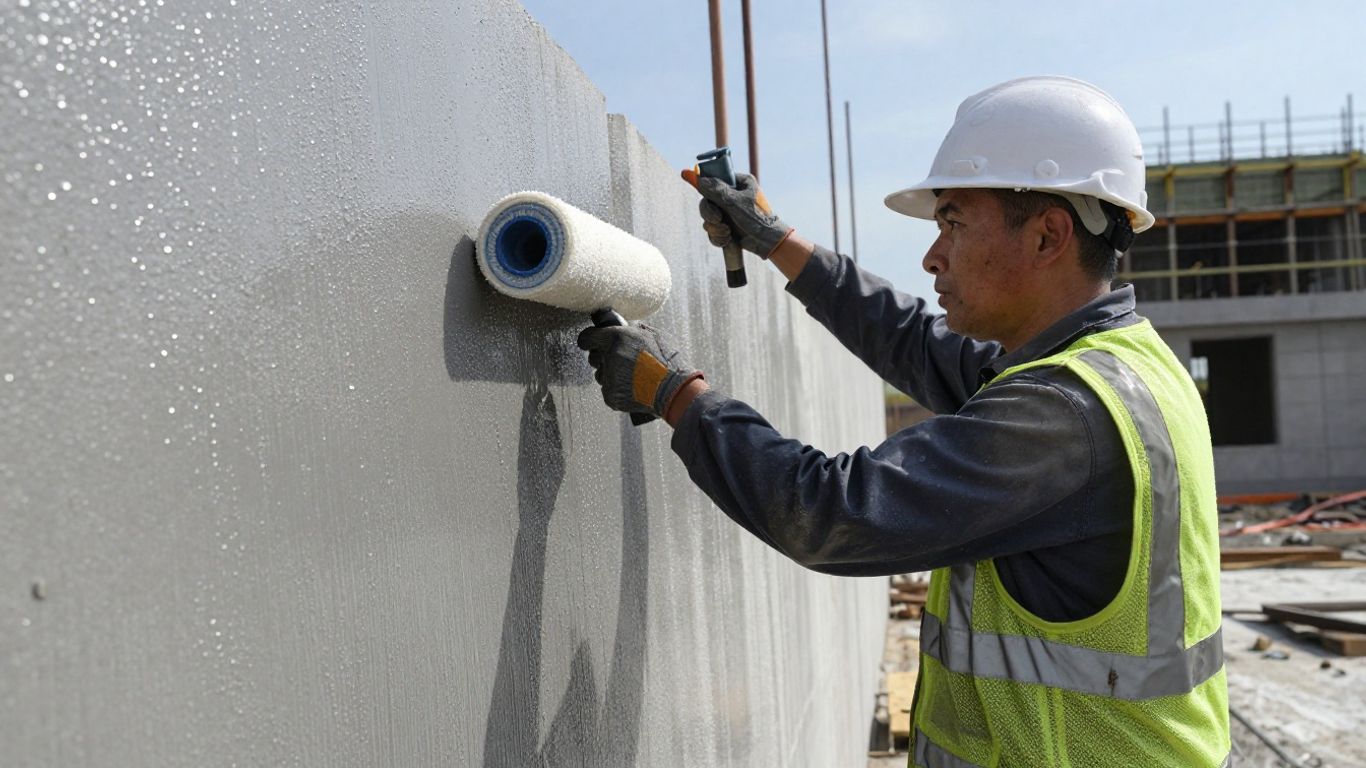
Waterproofing a building wall in Australia.

Ensuring Certifier Engagement

Getting the certifier involved early and keeping them in the loop is pretty important. They’re the ones who sign off on whether the waterproofing work meets the building code, so you don’t want any surprises for them later on. Make sure they know when key stages of the waterproofing are happening – like before the membrane goes down and definitely before any finishes are applied over the top. Providing them with the method statement and any product data sheets well in advance helps them understand what’s planned. Clear communication here stops headaches down the track.

Coordinating Trades and Subcontractors

Waterproofing often sits between different trades. The plumber might need to finish their work before the waterproofing starts, and the tiler or builder needs to know when they can come in afterwards. It’s about making sure everyone knows the sequence and their part in it. A simple site meeting or a quick call can sort out any timing clashes. You don’t want the tiler starting on a wet membrane, do you? Keeping everyone informed about the waterproofing schedule prevents delays and rework.

Maintaining Transparent Reporting

Keeping records of what’s happening is key. This means documenting any inspections, any issues that pop up, and how they were fixed. If there are any changes to the original plan, make sure those are recorded and communicated. This transparency helps if questions arise later about the work. It’s like keeping a diary for the waterproofing – it shows the whole story.

  • Regular Updates: Schedule brief, regular check-ins with site supervisors and relevant trades.
  • RFI Management: Have a clear process for handling and responding to Requests for Information (RFIs) related to waterproofing.
  • Site Diaries: Ensure waterproofing progress and any site-specific conditions are noted in the general site diary.

A well-documented communication trail is your best defence against disputes. It shows due diligence and a commitment to quality throughout the project lifecycle.

PREPARING DOCUMENTATION AND EVIDENCE FOR DISPUTE RESOLUTION

When things go pear-shaped on a building site, especially with something as tricky as waterproofing, having your ducks in a row with documentation is absolutely key. It’s not just about having a method statement; it’s about having the proof that backs it up if a disagreement pops up. This is where you gather all the bits and pieces that tell the story of the waterproofing work, making sure it’s clear, accurate, and ready if you need it later on.

Collating Essential Records

Think of this as building your case file. You need to collect everything related to the waterproofing aspect of the project. This isn’t just a quick grab of a few papers; it’s a thorough process.

  • The original waterproofing method statement: This is your starting point, outlining the planned approach.
  • All manufacturer specifications and data sheets: These detail exactly how the products should be used and what their limitations are.
  • Site diaries and daily logs: These should record weather conditions, work progress, any issues encountered, and how they were resolved.
  • Photographic and video evidence: Documenting the substrate preparation, application stages, and final finish is vital. Before, during, and after shots are best.
  • Material delivery dockets and batch numbers: This helps trace the exact products used.
  • Inspection and testing records: Any sign-offs from site supervisors, independent inspectors, or specific tests performed (like flood tests).
  • Correspondence: Emails, letters, or meeting minutes where waterproofing details, changes, or issues were discussed.

Having a complete set of these records can make a significant difference if a dispute arises. It shows a clear, documented history of the work performed.

Engaging Expert Witnesses

Sometimes, a disagreement gets too technical for the parties involved to sort out. That’s when you might need an expert witness. These are independent professionals who have specialised knowledge in waterproofing and building science. Their job is to provide an objective opinion on the work done, the cause of any problems, and what needs to be done to fix it. They don’t work for you, even though you pay them; their duty is to the court or tribunal to provide impartial advice.

  • When to engage: Usually, this happens when negotiations stall, a major defect is discovered, you receive a formal notice, or an insurance claim is denied.
  • What they do: They’ll inspect the site, review all your documentation, analyse the cause of failure, and prepare a formal report.
  • Finding one: The best way is often through a solicitor who specialises in building and construction law. They’ll know who is credible and respected by the courts.

Engaging an expert witness is a significant step. It means the dispute has escalated beyond a simple disagreement and requires formal, technical evidence to move forward. Their independent assessment provides clarity and weight to your position.

Supporting Insurance Claims

If you’re dealing with an insurance claim related to waterproofing failure, your documentation is your primary tool. Insurers often rely on their own assessments, and a well-prepared case with supporting evidence is your best chance of a fair outcome.

  • Formal denial: Make sure you have the insurer’s decision in writing, with reasons.
  • Independent assessment: Provide your expert’s report to the insurer.
  • Policy details: Ensure all relevant policy documents are readily available.

By meticulously gathering and presenting your documentation, you create a clear and defensible record of the waterproofing works undertaken. This proactive approach can prevent minor issues from becoming major disputes and provides a solid foundation if resolution becomes necessary.

AVOIDING COMMON PITFALLS IN YOUR METHOD STATEMENT WATERPROOFING

Putting together a waterproofing method statement might seem straightforward, but there are a few common traps that can trip you up. Getting these wrong can lead to headaches down the track, from extra costs to actual leaks. It’s all about being thorough and clear from the get-go.

Preventing Ambiguity and Omissions

One of the biggest issues we see is when the documentation isn’t clear enough. Think about it: if a note on a drawing says ‘waterproof membrane to balcony’ but doesn’t specify the exact type of membrane, the required substrate preparation, or the number of coats, what are the installers supposed to do? This kind of vagueness often leads to requests for information (RFIs) on site, which slows things down and can cause confusion. It’s also easy to accidentally leave something out, like a detail about how to handle junctions or penetrations. A method statement needs to be a step-by-step guide, leaving no room for guesswork.

  • Be Specific: Instead of ‘apply membrane’, state ‘apply two coats of [Product Name] liquid-applied membrane, ensuring a minimum dry film thickness of X mm per coat’.
  • Detail Junctions: Clearly outline how corners, wall-to-floor junctions, and around penetrations (like pipes) will be treated. This often involves specific detailing or the use of reinforcing fabric.
  • Specify Materials: List all materials to be used, including primers, membranes, adhesives, and protective coatings, and reference their relevant Australian Standards.
  • Include Tolerances: Mention acceptable tolerances for substrate flatness, moisture content, and ambient conditions during application.

A well-written method statement acts as a single source of truth. It minimises the need for on-site clarification and helps ensure everyone involved is working from the same, accurate information. This reduces the chance of errors and rework.

Keeping Documentation Current

Building codes and product specifications change. What was acceptable last year might not be today. If your method statement references an outdated Australian Standard or a product that’s been superseded, your work might not meet current requirements. It’s important to have a system for checking for updates. This isn’t just about the NCC; manufacturers also update their product data sheets and installation guides. Regularly reviewing and updating your documentation is key.

Reviewing for Technical Accuracy

Sometimes, the people writing the method statement might not have the deepest technical knowledge of waterproofing specifically. They might be great at general project management but miss critical waterproofing details. It’s a good idea to have someone with specific waterproofing experience look over the document before it’s finalised. This could be a specialist waterproofing consultant or an experienced contractor. They can spot potential issues with the proposed system, installation sequence, or material compatibility that others might miss. Technical accuracy is non-negotiable when it comes to preventing water ingress.

  • Cross-Reference Standards: Ensure all referenced Australian Standards (e.g., AS 3740 for waterproofing of domestic wet areas) are current and correctly applied.
  • Verify Product Suitability: Confirm that the selected waterproofing products are suitable for the specific application, substrate, and environmental conditions.
  • Check Curing Times: Ensure that specified curing times for primers, membranes, and subsequent finishes are realistic and account for site conditions.
  • Assess Compatibility: Double-check that all components of the waterproofing system are compatible with each other and with any adjacent building materials.

KNOWING WHEN TO SEEK PROFESSIONAL ASSISTANCE

Look, sometimes you just hit a wall. Waterproofing, especially on a building site in Australia, can get pretty complicated, pretty fast. It’s not always a DIY job, and pretending it is can lead to bigger headaches down the track. Knowing when to call in the cavalry is actually a sign of smart project management, not weakness.

Engaging Licensed Waterproofing Contractors

For most waterproofing tasks, especially those involving significant areas or complex junctions, you really want a licensed professional on board. These folks have the training, the right gear, and they know the ins and outs of the Australian Standards and the National Construction Code (NCC). Trying to cut corners here can void warranties and, worse, lead to leaks that cost a fortune to fix later.

  • Always check for current licensing and insurance before hiring.
  • They understand the specific requirements for different substrates and environmental conditions.
  • They can provide a warranty on their workmanship, which is gold.

Consulting with Building Consultants

Sometimes, you’re not sure if the waterproofing is even the right solution, or if there’s a bigger issue at play. That’s where a building consultant comes in. They can look at the whole picture, assess the problem objectively, and advise on the best course of action. They’re not necessarily doing the work themselves, but they’re giving you the expert advice you need to make informed decisions.

Think of them as your technical advisor. They can help you:

  • Diagnose the root cause of water ingress.
  • Review existing plans and specifications for compliance.
  • Oversee the work of contractors to ensure quality.

Utilising Expert Reports for Complex Issues

If things have gone pear-shaped and you’re heading towards a dispute, or if you’ve discovered a major defect that needs a deep dive, you might need an expert report. This isn’t just a casual opinion; it’s a formal document prepared by someone with specialised knowledge. These reports are often used in legal settings to help clarify technical matters.

Engaging an expert witness too late can weaken your position significantly. Their report needs time to be properly prepared and integrated into your case. Conversely, bringing one in unnecessarily early can lead to wasted costs.

When you’re looking at a situation that’s technically complex or involves a significant disagreement about what’s gone wrong and how to fix it, getting an independent expert involved is often the only way to get a clear, unbiased assessment. They can provide the evidence needed to resolve the issue, whether that’s through negotiation or, if necessary, a tribunal.

Sometimes, a job is just too big or tricky to handle on your own. If you’re finding yourself stuck or unsure about the best way to tackle a building or repair task, it’s a good sign to get some expert help. Don’t waste time struggling with a problem that a professional can fix quickly and properly. Reach out to us on our website to see how we can lend a hand with your project.

Wrapping Up Your Waterproofing Method Statement

So, putting together a solid waterproofing method statement for your Australian building project might seem like a lot of work upfront. But honestly, it’s the best way to make sure everything goes smoothly. It helps everyone on site know exactly what needs doing and how. Plus, having it all written down means fewer headaches down the track if questions pop up. Stick to the plan, keep good records, and you’ll be well on your way to a watertight finish that lasts. It’s all about being prepared and clear from the start.

Frequently Asked Questions

What exactly is a waterproofing method statement?

Think of a waterproofing method statement as a detailed plan or a step-by-step guide. It explains exactly how the waterproofing will be done on your building project, who’s doing what, and what materials will be used. It’s like a recipe for making sure your building stays dry and protected from water damage.

Why do I need a method statement for waterproofing in Australia?

In Australia, there are strict rules and standards for building, especially when it comes to waterproofing to prevent issues like mould and structural damage. This statement shows you’ve thought about these rules, like the National Construction Code (NCC), and how you’ll follow them. It also helps everyone involved know their job and keeps the project safe and on track.

What kind of information should I include in my waterproofing plan?

You’ll need to gather details about the building itself – like what it’s made of and where it is. Also, think about the weather and environment around the site, as this can affect the waterproofing. It’s also important to identify any tricky spots or areas that might be more likely to have water problems.

How do I choose the right waterproofing materials?

It’s important to pick materials that work well together and are suitable for the Australian climate and the specific parts of the building you’re waterproofing. Always check the manufacturer’s instructions and make sure the products meet Australian standards. Sometimes, talking to a waterproofing expert can help you make the best choice.

What are the most common waterproofing mistakes to avoid?

People often make mistakes by not preparing the surfaces properly before applying the waterproofing, or by not letting the materials cure for long enough. Another common issue is not having clear instructions, which can lead to confusion. It’s also crucial to make sure you’re using the right products for the job and following the steps correctly.

Who needs to be involved in creating and approving the waterproofing method statement?

Usually, the waterproofing contractor or the builder will prepare the statement. It needs to be checked and approved by the project certifier or building surveyor to make sure it meets all the building codes and standards. Communication is key, so keeping everyone – including other trades on site – in the loop is important.

What happens if the waterproofing fails later on?

If waterproofing fails, it can cause leaks and damage. Your method statement should include plans for checking the work and how to fix any problems that pop up. Having good records of the installation process can also be really helpful if you ever need to make an insurance claim or resolve a dispute.

When should I get professional help for waterproofing?

If you’re unsure about the best waterproofing system, the regulations, or if you have a complex building design, it’s always a good idea to get professional advice. Hiring a licensed waterproofing contractor or a building consultant can save you a lot of headaches and potential problems down the track.

NSW Pushes Back Building Code Update to 2027, Citing Industry Transition Needs

New South Wales has announced a significant delay in adopting the updated National Construction Code (NCC 2025), pushing the implementation date to May 1, 2027. This decision aims to provide the state’s building industry with an extended period to adjust to the new requirements, ensuring a smoother transition while maintaining the delivery of essential housing.

KEY TAKEAWAYS

  • NSW will now adopt NCC 2025 on May 1, 2027, a two-year delay from the national timeline.
  • The extension is intended to allow the construction industry more time to adapt to new provisions.
  • The state plans to introduce specific variations to the NCC 2025 to align with local policies and legislation.
  • These variations include flexibility for waterproofing requirements in remedial works and exemptions for common areas from new energy efficiency standards.

EXTENDED TRANSITION PERIOD

The National Construction Code (NCC) sets Australia’s essential building standards for health, safety, amenity, and sustainability. NCC 2025 introduces updated provisions for the commercial construction sector and key quality and safety improvements for residential buildings. While a preview version is available from May 2026 for adoption by states and territories, NSW has opted for a 12-month transition period, delaying its adoption until May 2027.

Minister for Building, Anoulack Chanthivong, stated that this extended timeframe is crucial for the industry to plan and factor changes into new projects, thereby minimising compliance risks and disruptions. The goal is to ensure that the construction sector can continue to deliver much-needed housing without significant delays or increased costs.

STATE-SPECIFIC VARIATIONS

In addition to the delayed adoption, NSW intends to implement several variations to NCC 2025. These modifications are designed to ensure the code aligns with the NSW Government’s policy settings and existing state legislation, including technical building, plumbing, and drainage requirements.

Key variations include:

  • Waterproofing Flexibility: Apartment building owners undertaking remedial works will have the option to use either the current NCC waterproofing requirements or those in NCC 2025. This is expected to help manage costs for homeowners.
  • Energy Efficiency Exemption: The new energy efficiency standards in NCC 2025 will not apply to the common areas of apartment buildings.

Full details of these NSW variations will be published alongside the complete NCC 2025 documentation on May 1, 2026. This approach aims to balance the implementation of updated building standards with the practical needs and economic realities of the construction industry in New South Wales.

SOURCES

Navigating the Design and Building Practitioners Act: Key Changes for Australian Professionals

So, the Design and Building Practitioners Act is a pretty big deal for anyone working in construction and design in NSW. It’s all about making sure buildings are built properly and that people are held responsible if they’re not. There have been some updates recently, especially with deadlines, so it’s worth getting your head around what’s happening. This act really changes how things are done, from the initial designs right through to the actual building work. Let’s break down what you need to know.

Key Takeaways

  • The Design and Building Practitioners Act is introducing new rules for designers and builders in NSW to improve building quality and accountability.
  • Some deadlines have been pushed back, like the insurance requirements for building practitioners moving to July 1, 2025, giving everyone more time to get ready.
  • Designers now need to provide ‘Design Compliance Declarations’ confirming their plans meet building codes, and these must be lodged on the NSW Planning Portal.
  • Builders have similar ‘Building Compliance Declarations’ to make, confirming the work matches the approved designs and building standards.
  • The Act covers specific ‘regulated designs’ and ‘building elements’, and understanding these is key for compliance, especially for Class 2, 3, and 9c buildings.

UNDERSTANDING THE DESIGN AND BUILDING PRACTITIONERS ACT

PURPOSE AND SCOPE OF THE ACT

The Design and Building Practitioners Act 2020 (DBP Act) in New South Wales is a significant piece of legislation aimed at improving the quality and safety of buildings. It came about because of concerns about building standards and accountability within the construction industry. The Act fundamentally changes how designs are created, declared compliant, and how buildings are constructed. Initially, it focused on Class 2 buildings (apartments), but its reach has expanded. Now, it covers a broader range of building types, including aged care facilities, hotels, and student accommodation, reflecting a wider commitment to better building outcomes across the sector.

KEY FEATURES AND MANDATES

This Act introduces several core requirements for professionals involved in the design and construction process. These aren’t just minor tweaks; they represent a shift in how projects are managed from the ground up.

  • Mandatory Registration: Design practitioners and building practitioners must be registered. This means professionals need to meet certain qualifications and experience standards to legally perform their roles.
  • Design Compliance Declarations: Registered design practitioners must declare that their designs comply with the Building Code of Australia and other relevant standards. This declaration is a formal statement of compliance.
  • Building Compliance Declarations: Registered building practitioners must declare that the actual construction aligns with the compliant designs and meets the Building Code of Australia.
  • Duty of Care: A statutory duty of care now applies to all parties involved in building work, meaning they have a legal obligation to exercise reasonable skill and care.

IMPACT ON AUSTRALIAN PROFESSIONALS

For professionals working in the design and building space in NSW, these changes mean a greater emphasis on documentation, accountability, and professional conduct. It’s no longer enough to simply complete the work; practitioners must be able to formally demonstrate that their work meets required standards at various stages. This includes:

  • Increased Documentation Load: Preparing and lodging detailed designs and compliance declarations through the NSW Planning Portal is now a standard part of the process.
  • Professional Indemnity Insurance: While the full implementation has seen some deferrals, the expectation is that professional indemnity insurance will become a mandatory requirement for many practitioners.
  • Registration Requirements: Professionals need to ensure they are registered in the appropriate classes to undertake specific types of work.

The DBP Act aims to create a more transparent and accountable building industry. It’s designed to catch potential issues early in the design phase and ensure that construction follows through on those compliant designs, ultimately leading to safer and better-quality buildings for everyone.

REGULATORY UPDATES AND TIMELINES

DEFERRAL OF INSURANCE REQUIREMENTS

There have been some shifts in when certain requirements under the Design and Building Practitioners Act come into effect. For instance, the mandatory professional indemnity insurance for registered building practitioners, which was initially planned for July 2024, has been pushed back. The new deadline for this insurance requirement is now July 1, 2025. This extension was put in place because there wasn’t enough suitable insurance available for everyone. It gives the industry a bit more breathing room to sort out these policies.

POSTPONEMENT FOR CLASS 3 AND 9C BUILDINGS

Work on existing Class 3 buildings (think boarding houses or hotels) and Class 9c buildings (like aged care facilities) is also seeing some timeline adjustments. Specifically, the Act’s application to alterations, repairs, and renovations on these types of buildings has been delayed. Originally set for July 1, 2025, this compliance date is now July 1, 2026. This means professionals working on upgrades or refurbishments for these specific building classes have an extra year to get up to speed with the Act’s requirements.

EXEMPTIONS FOR SPECIFIC DEVELOPMENTS

It’s not all new rules and deadlines, though. Some developments are exempt from certain parts of the Act. For example, from July 1, 2024, certain low-risk Class 3 buildings, such as hotels and motels that aren’t part of a strata scheme and don’t include serviced apartments, are exempt. This helps make sure the regulations are applied in a way that fits the actual risk involved with a project.

Here’s a quick rundown of the key date changes:

  • Mandatory Professional Indemnity Insurance: Deferred to July 1, 2025.
  • Application to Remedial Work on Class 3 & 9c Buildings: Postponed to July 1, 2026.
  • Exemptions for Certain Class 3 Buildings: Effective from July 1, 2024.

Staying informed about these timeline changes is important. It allows professionals to plan their projects and compliance strategies more effectively, avoiding last-minute rushes and potential issues.

DESIGN PRACTITIONER RESPONSIBILITIES

DEFINITION AND ROLE OF A DESIGN PRACTITIONER

So, what exactly is a design practitioner under this new Act? Basically, it’s a registered professional who prepares designs for what are called ‘regulated buildings’. These are typically Class 2, 3, or 9c buildings, which includes apartment buildings, some residential buildings, and aged care facilities. The key thing here is that the design practitioner is the one who has to declare that their design actually meets the Building Code of Australia and any other relevant standards. It’s not just about drawing something up; it’s about taking responsibility for its compliance.

DESIGN COMPLIANCE DECLARATIONS

This is a big one. Whenever a design practitioner provides a design that’s ready to be used for building work, they must issue a design compliance declaration. Think of it as a formal sign-off. This declaration confirms that the design meets all the necessary codes and standards. If you make any changes to the design later on, even small ones, you’ll need to issue a new declaration. It’s a bit like saying, “Yep, this is good to go, and it fits with everything else.” If a design is still in the early stages and not quite ready for construction, a declaration isn’t needed yet.

REGISTRATION REQUIREMENTS AND CLASSES

Not everyone who works on designs needs to be registered. The Act focuses on the person who is actually signing off and making those compliance declarations. However, if your role involves preparing or supervising the preparation of designs for regulated buildings, you’ll likely need to be registered. There are different classes of registration, like building design (low rise or medium rise), structural engineering, and vertical transportation. You can register in more than one class if you meet the criteria for each. It’s important to check which class covers the specific type of work you do.

  • Building Design (Low Rise)
  • Building Design (Medium Rise)
  • Structural Engineering
  • Vertical Transportation

The Act requires that designs for regulated buildings are lodged on the NSW Planning Portal before any building work can commence. This ensures that all relevant parties, including certifiers, have access to the declared designs and can verify compliance before construction begins.

BUILDING PRACTITIONER OBLIGATIONS

DEFINITION AND ROLE OF A BUILDING PRACTITIONER

So, who exactly is a building practitioner under this new Act? Essentially, it’s the person or entity that agrees to carry out ‘building work’. This covers a pretty broad spectrum, including the actual construction, any alterations or additions, and even repairs or renovations. If we’re talking about a Class 2 building, or a building that has a Class 2 part, this definition applies. If multiple people are involved in the building work, the principal or head contractor is usually considered the building practitioner.

BUILDING COMPLIANCE DECLARATIONS

One of the big responsibilities for a registered building practitioner is to declare that the building work has been completed correctly. This means confirming that the construction aligns with the approved designs and meets the requirements of the Building Code of Australia. This declaration is a formal step, and it needs to be lodged through the NSW Planning Portal. You can’t just start construction on parts of a building that require a regulated design until these designs and their associated Design Compliance Declarations have been lodged. It’s a bit like a final sign-off, making sure everything stacks up before the occupation certificate can even be considered.

LODGEMENT OF DESIGNS AND DECLARATIONS

Before any building work on a regulated design can kick off, the building practitioner has to lodge the relevant designs and the Design Compliance Declarations. These documents are submitted via the NSW Planning Portal. Think of it as a prerequisite – no lodgement, no building. After the work is done, the Building Compliance Declaration also needs to be lodged, confirming everything was built according to the plans and codes. It’s a structured process designed to keep a clear record and ensure accountability throughout the construction phase.

DESIGN COMPLIANCE DECLARATIONS

When a Declaration is Required

A Design Compliance Declaration is a formal statement made by a registered design practitioner. It confirms that a specific design meets the requirements of the Building Code of Australia (BCA) and any other relevant standards. This declaration is needed when a design is ready for construction. Think of it as the design practitioner giving their professional stamp of approval, saying, “This is good to go for building.”

Essentially, if you’re preparing a design for a building element, like structural components, fire safety systems, waterproofing, or mechanical/electrical services, and it’s for a Class 2 building or a building with a Class 2 part, you’ll likely need to issue a declaration. This also applies to performance solutions. The key is that the design is intended for actual building work, not just preliminary drafts or shop drawings.

There are a few situations where a declaration isn’t required, even for regulated designs. For instance, minor works valued under $5,000 (including labour and materials) are often exempt. Also, certain types of waterproofing within a single dwelling, like in a bathroom or kitchen renovation, might be exempt if they qualify as exempt development. Maintenance work on building components, unless it’s a load-bearing part critical for stability, generally doesn’t need one either.

Content and Purpose of Declarations

The main goal of a Design Compliance Declaration is to provide certainty. It assures the builder, certifier, and ultimately the building owner, that the design has been checked and complies with all the necessary codes and standards. This helps to prevent issues down the track and supports the overall safety and integrity of the building.

What goes into a declaration? It needs to clearly identify the design it relates to, state that it complies with the BCA and other relevant standards, and confirm that it takes into account any other regulated designs it interacts with. The declaration must be made by a registered design practitioner in their specific area of expertise. For larger, more complex projects, a principal design practitioner might coordinate and collect declarations from various specialists.

The declaration is a critical document that underpins the building process, ensuring accountability from the design stage.

Variations and Subsequent Declarations

Things change in construction, and designs often need updates. If a regulated design is varied, a new Design Compliance Declaration must be issued for the updated design. This ensures that any changes are also compliant. It’s not a one-and-done process; if the design evolves, so must the declaration.

It’s important to use the most current forms provided by NSW Fair Trading. They update these periodically to make sure they align with the latest legislative requirements. Using an outdated form could lead to issues with lodgement and acceptance.

BUILDING COMPLIANCE DECLARATIONS

Purpose of Building Declarations

A Building Compliance Declaration is a formal statement made by a registered building practitioner. It confirms that the actual building work carried out aligns with the compliant designs that were prepared and lodged. This declaration is a critical step in the process, ensuring that what’s built on site matches the approved plans and meets the requirements of the Building Code of Australia. It’s essentially the building practitioner’s sign-off, vouching for the integrity and correctness of the construction in relation to the design documentation.

Responsibilities of Registered Practitioners

Only a building practitioner who is registered under the Act can create and submit a Building Compliance Declaration. This declaration must be provided before an application for an occupation certificate is made. The registered building practitioner is responsible for verifying that the construction adheres to the designs, which themselves have been declared compliant by a registered design practitioner. This involves a thorough review of the work against the lodged plans and specifications.

Alignment with Compliant Designs

The core function of a Building Compliance Declaration is to bridge the gap between design and construction. It confirms that the physical building work has been executed in accordance with the regulated designs. This means if a design was declared compliant with specific performance criteria or standards, the building practitioner must declare that the constructed element or system meets those same criteria. It’s about accountability and ensuring that the final product is safe, compliant, and as intended by the design.

Key aspects to confirm before lodging a Building Compliance Declaration include:

  • Verification that all construction work matches the lodged and compliant designs.
  • Confirmation that the work meets the requirements of the Building Code of Australia.
  • Ensuring that any variations from the original compliant design have been properly documented and declared.

The Building Compliance Declaration is a vital document that underpins the integrity of the construction process. It serves as a formal assurance to regulators and future occupants that the building has been constructed according to approved standards and designs, thereby contributing to overall building safety and quality.

REGULATED DESIGNS AND BUILDING ELEMENTS

Identifying Regulated Designs

So, what exactly counts as a ‘regulated design’ under this new Act? Basically, if you’re working on a building that falls into Class 2, 3, or 9c categories – think apartment buildings, some residential accommodations, and certain aged care or hospital-type places – and your work involves a specific building element or a performance solution, then your design is likely regulated. This applies to new builds and existing Class 2 buildings, and for alterations or renovations on Class 3 and 9c buildings, it kicks in from July 2026. It’s important to get this right because these designs need to be prepared by a registered design practitioner.

Specified Building Elements

When we talk about ‘building elements’, we’re referring to the key components that make up a building and are critical for its compliance with the Building Code of Australia. This includes things like:

  • The structural integrity of the building.
  • Fire safety systems, both active and passive.
  • Waterproofing.
  • The building enclosure, like walls and roofs.
  • Building services such as plumbing and electrical systems.
  • Vertical transportation systems, like lifts.

Essentially, if it’s a core part of the building’s function and safety, it’s probably a specified building element.

Performance Solutions Under the Act

A ‘performance solution’ is a bit different. Instead of following the standard, ‘deemed-to-satisfy’ methods laid out in the Building Code of Australia, it’s a way of achieving compliance through an alternative method. This might involve innovative materials or construction techniques. If your design relies on a performance solution for a regulated building, it also needs to be prepared by a registered design practitioner and lodged accordingly. The key is that any design involving these specific elements or solutions for regulated buildings must be formally declared and lodged before construction begins.

It’s not just about ticking boxes; it’s about ensuring that the fundamental safety and integrity of the building are maintained, whether you’re following the standard rules or finding a new way to meet them.

TRANSITIONAL ARRANGEMENTS AND EXISTING WORK

Australian building site and architectural plans.

Impact on Work Commenced Before Legislation

So, what happens if you’ve already started a project before all these new rules came into effect? It’s a common question, and the short answer is that the Act generally doesn’t apply retrospectively to work that was substantially commenced before the relevant commencement date. This means if you had a building contract in place and work was underway, you likely won’t need to go back and re-do everything to meet the new design practitioner or building practitioner requirements. However, it’s not quite that simple. The specifics can depend on the exact stage of the project and the nature of any variations that might occur after the commencement date. It’s always best to check the specific commencement dates for your jurisdiction and project type.

Lodgement Requirements for Older Designs

For projects that were already underway, the requirement to lodge designs and declarations might be different. If a building permit was already issued before the Act’s commencement, or if the work was substantially completed, then the new lodgement rules typically won’t apply. The aim here is to avoid disrupting ongoing projects unnecessarily. However, if significant changes are made to a design after the Act commenced, even on an older project, those variations might trigger new obligations. This is where things can get a bit tricky, and professional advice is often needed.

Variations to Pre-Existing Designs

This is a key area where the transitional arrangements can get complicated. If you have a project that started before the Act, but you need to make changes to the design after the Act came into force, those changes might be treated as new work. Depending on the scale and nature of the variation, you might need to comply with the new requirements for that specific part of the work. For instance, if a structural element is being altered significantly, the new design practitioner obligations could apply to that alteration. It’s not a blanket exemption for the entire project if variations are substantial. The legislation aims to capture new or significantly altered aspects of building work, even if the original project predates the Act.

INSURANCE AND PROFESSIONAL INDEMNITY

MANDATORY INSURANCE REQUIREMENTS

The Design and Building Practitioners Act introduces new insurance obligations for certain professionals. Holding adequate professional indemnity insurance is becoming a non-negotiable aspect of practice. This requirement is designed to offer a layer of protection for consumers and clients, ensuring there are funds available should a claim arise due to negligence or errors in design or building work. It’s a significant shift towards greater accountability within the industry.

DEFERRED IMPLEMENTATION DATE

Initially, the mandatory professional indemnity insurance requirements were set to come into effect earlier. However, this date has been pushed back. The new deadline is July 1, 2025. This extension was put in place partly because the insurance market needed more time to develop suitable products that meet the specific needs of design and building practitioners under the new Act. It gives professionals a bit more breathing room to sort out their coverage.

AVAILABILITY OF INSURANCE PRODUCTS

Finding the right insurance can be a bit of a puzzle. The market is still adapting to the Act’s demands. While more products are becoming available, it’s important for practitioners to do their homework.

  • Assess your current policy to see if it meets the new criteria.
  • Talk to insurance brokers who specialise in construction and design.
  • Understand the coverage limits, exclusions, and any specific conditions.

The availability and terms of insurance can vary, so early investigation is recommended to secure appropriate cover before the deadline.

It’s not just about ticking a box; it’s about having insurance that genuinely protects your business against the risks associated with your professional services. Some policies might cover things like errors in design documents, supervision failures, or even advice given during a project. Make sure you know exactly what your policy does and doesn’t cover.

THE NSW PLANNING PORTAL

The NSW Planning Portal is a pretty central piece of the whole Design and Building Practitioners Act puzzle. It’s basically the online hub where a lot of the important documents related to your building project need to be submitted. Think of it as the official digital filing cabinet for compliance.

Role in Document Lodgement

This is where registered design practitioners and building practitioners will be lodging their compliance declarations. Before any building work that requires a regulated design can kick off, those designs and their accompanying declarations need to be uploaded here. It’s a key step to show that everything’s been thought through and meets the required standards right from the start.

Submission of Designs and Declarations

When you’re dealing with regulated designs, like structural elements, fire safety systems, or waterproofing, the design practitioner has to declare that the design complies with the Building Code of Australia. This declaration, along with the design itself, gets lodged through the portal. Later on, the building practitioner will also lodge their own declaration, confirming that the actual construction matches those approved designs. Even variations to these regulated designs need to be documented and submitted via the portal.

Access for Certifiers

Certifiers also use the NSW Planning Portal to access these lodged documents. This gives them visibility into the compliance journey of a project. They can review the designs and declarations submitted by practitioners, which helps them in their role of assessing whether the building work meets all the necessary requirements, especially when it comes time to issue an occupation certificate.

Navigating the NSW Planning Portal can be a bit tricky. It’s where you find all the important info for building and development in New South Wales. If you’re looking to understand the rules or get your project approved, this is the place to start. Need a hand figuring it all out? Visit our website for clear guidance and support.

Wrapping Up

So, the Design and Building Practitioners Act is definitely changing things for folks in the building and design game here in NSW. While some dates have shifted, like the insurance and the work on older buildings, the main idea is still about making sure things are built properly and people are held accountable. It’s a good idea to keep an eye on these updates and make sure your own practice is up to scratch. Staying informed means you can keep working smoothly and avoid any unexpected headaches down the track.

Frequently Asked Questions

What’s the main goal of the Design and Building Practitioners Act?

Basically, this law is all about making sure buildings in NSW are safer and better built. It puts more responsibility on the people who design and build things to make sure their work meets the rules and is done properly, helping to avoid dodgy jobs and protect homeowners.

Who needs to be registered under this Act?

If you’re a designer who creates plans for certain parts of a building (like structural bits, fire safety, or waterproofing) or if you’re a builder who agrees to construct, alter, or repair buildings, you likely need to be registered. It’s mainly for those who sign off on or lodge important documents.

What’s a ‘Design Compliance Declaration’?

It’s like a formal promise from a registered designer saying their plans meet all the necessary building codes and standards. They have to make one of these declarations every time they give over a design that’s ready to be used for building.

And what about a ‘Building Compliance Declaration’?

This declaration is made by a registered builder. It’s their way of confirming that the actual building work has been carried out according to the approved designs and also meets the building code. It’s lodged after the work is done.

Are there any deadlines I should know about?

Yes, some important dates have shifted. For example, the requirement for builders to have special insurance has been pushed back to July 1, 2025. Also, some rules for fixing up older buildings like hotels and aged care homes won’t kick in until July 1, 2025, giving everyone more time to get ready.

Do I need to lodge my designs and declarations somewhere specific?

Absolutely. All these important documents, like the design compliance declarations and the final building compliance declarations, need to be uploaded and submitted through the NSW Planning Portal. This makes them easily accessible for certifiers and other relevant parties.

What if I started work before these new rules came in?

There are some special arrangements for work that was already underway. If you had the right certificates before certain dates, the new rules might not fully apply to that specific job. However, you’ll still likely need to lodge the designs you used.

Does this Act apply to all types of buildings?

Initially, it focused a lot on apartment buildings (Class 2). But its reach has been expanding to include other types like hotels (Class 3) and aged care facilities (Class 9c). There are some exemptions for smaller or lower-risk projects, though.

NSW DELAYS BUILDING CODE ADOPTION UNTIL 2027, CITES INDUSTRY TRANSITION NEEDS

New South Wales has announced a significant delay in adopting the National Construction Code (NCC) 2025, pushing its implementation back to May 2027. This decision aims to provide the state’s construction industry with additional time to adapt to the updated requirements, ensuring the continued delivery of housing while managing compliance risks and project disruptions.

KEY TAKEAWAYS

  • NSW and Queensland will defer adoption of NCC 2025 until May 2027.
  • The delay is intended to allow the construction industry more time to adjust to changes.
  • NSW will introduce state-specific variations, including flexibility in waterproofing for remedial works and exemptions for common areas from new energy efficiency standards.
  • Concerns have been raised by industry bodies about potential complexity and cost introduced by variations.

REASONS FOR THE DEFERRAL

The NSW government stated that deferring the adoption of NCC 2025 will offer the construction sector a crucial window to adjust to the new regulations. This extended period is designed to facilitate the ongoing construction of homes and ensure that key amendments can be applied to new building work without causing significant delays. Furthermore, the delay is expected to minimise future compliance risks and disruptions for projects scheduled to commence in early 2025.

STATE-SPECIFIC VARIATIONS

New South Wales plans to implement several state-specific variations to the NCC 2025. Notably, apartment building owners undertaking remedial works will have the option to adhere to either the current NCC’s waterproofing requirements or those outlined in NCC 2025. This flexibility is anticipated to help manage costs for homeowners. Additionally, the new energy-efficiency standards within NCC 2025 will not apply to the common areas of apartment buildings.

INDUSTRY CONCERNS AND IMPACTS

While the delay aims to support the industry, some bodies, such as AIRAH (Australian Institute of Refrigeration, Air Conditioning and Heating), have expressed disappointment. They argue that a choice of NCC editions should have been offered to allow early adopters to access cost savings and productivity gains enabled by the new code. Concerns have also been raised about variations potentially being driven by specific commercial interests rather than unique local needs, adding complexity and cost for the industry and building owners.

THE NATIONAL CONSTRUCTION CODE (NCC)

The NCC serves as Australia’s primary set of building standards, detailing essential requirements for health, safety, amenity, and sustainability. Developed by the Australian Building Codes Board (ABCB) in collaboration with governments, NCC 2025 introduces updates focused on commercial and multi-storey residential buildings. A preview version was released in February 2024, with the full publication scheduled for May 1, 2026, making it available for adoption by states and territories.

SOURCES

Mastering the Crystalline Waterproofing Method: A Comprehensive Guide for Australian Builders

G’day builders! Ever feel like water’s got a personal vendetta against your projects? Yeah, me too. Leaks can be a real headache, turning a solid build into a soggy mess. We’re going to talk about a pretty clever way to stop that from happening – the crystalline waterproofing method. It’s not just about slapping something on; it’s about making the concrete itself fight back against water. Let’s get into it.

Key Takeaways

  • The crystalline waterproofing method works by creating crystals within the concrete’s pores, effectively sealing them up against water. It’s like giving your concrete a built-in defence system.
  • This method can be added right into the concrete mix or applied to the surface, making it flexible for different stages of construction. The key is getting those crystals to form properly.
  • One of the big wins is its ability to seal small cracks, even up to 0.4mm. This means it keeps working even if tiny hairline fractures appear later on.
  • For us Aussies, this method is great for our varied climate. It offers solid, long-lasting protection that stands up to the elements, meeting building code needs.
  • When things go wrong, it’s often down to poor installation or using cheap products. Picking the right pros and good materials is a must for this system to do its job properly.

UNDERSTANDING THE CRYSTALLINE WATERPROOFING METHOD

PRINCIPLES OF CRYSTALLINE SEALING

Crystalline waterproofing works a bit differently to other methods. Instead of just sitting on the surface, it actually becomes part of the concrete itself. When you apply it, special chemicals react with the moisture already present in the concrete. This reaction creates a network of insoluble crystals. These crystals grow and fill up the tiny pores and capillaries within the concrete structure. This process effectively blocks water from getting through, even under pressure. It’s like the concrete is healing itself from the inside out.

CRYSTALLINE ADDITIVES IN CONCRETE

These crystalline compounds can be added directly to the concrete mix when it’s being made. This means the waterproofing is built-in from the very start. It’s a great way to protect the entire concrete structure, not just the surface. This method is particularly useful for large projects like foundations, tanks, or tunnels where you need reliable, long-term protection.

SEALING CAPILLARIES AT A MOLECULAR LEVEL

The real magic of crystalline waterproofing is how it seals those microscopic pathways. Think of concrete like a sponge with tiny, interconnected holes – these are the capillaries. Water can easily travel through them. The crystals formed by the waterproofing additive grow to fill these spaces, stopping water in its tracks. This molecular-level sealing is what makes it so effective, even against hydrostatic pressure. It can even seal small cracks that might form later on, up to about 0.4mm wide, which is pretty impressive.

APPLYING THE CRYSTALLINE WATERPROOFING METHOD

INTEGRATION DURING CONCRETE MIXING

Adding crystalline waterproofing admixtures directly into the concrete mix during batching is a common and effective approach. This method ensures the waterproofing is an integral part of the concrete structure from the very beginning. The active chemicals disperse throughout the concrete, ready to react when exposed to moisture. This proactive integration means the entire concrete mass becomes capable of self-sealing. It’s a bit like baking the waterproofing right into the cake, rather than just frosting it on afterwards. This approach is particularly useful for large-scale projects where consistent protection is needed across the entire structure.

SURFACE APPLICATION TECHNIQUES

While integrating during mixing is great, sometimes you need to apply crystalline waterproofing to existing concrete surfaces. This is often done as a remedial measure or for structures where it wasn’t part of the original mix. The application is typically a slurry or powder brushed or trowelled onto the concrete. It’s important to prepare the surface properly first – clean off any dust, laitance, or old coatings. The goal is to give the crystalline compounds a good surface to bond with and react. Think of it like preparing a wall for paint; you wouldn’t just slap it on a dirty surface, would you?

ENSURING PROPER CRYSTAL FORMATION

For crystalline waterproofing to work its magic, it needs moisture. After application, the concrete needs to be kept damp for a specific period. This allows the active chemicals to migrate into the concrete pores and capillaries. As water is introduced, these chemicals react to form insoluble crystals. These crystals grow and fill the pores, blocking the passage of water. The curing process is therefore critical for the system’s performance. If the concrete dries out too quickly, or if there’s no moisture present for the crystals to form, the waterproofing won’t be as effective. It’s a delicate balance, and following the manufacturer’s guidelines for curing is a must.

Here’s a quick rundown of what influences crystal formation:

  • Moisture Availability: Sufficient water is needed for the chemical reaction.
  • Temperature: Ambient temperature affects the rate of reaction and crystal growth.
  • Concrete Porosity: The structure of the concrete itself dictates how well the chemicals can penetrate and react.
  • Time: Crystal formation is a process that takes time, often days or even weeks, depending on conditions.

BENEFITS OF THE CRYSTALLINE WATERPROOFING METHOD

When you’re building in Australia, keeping water out is a big deal. Crystalline waterproofing offers some pretty solid advantages that builders and homeowners alike can appreciate. It’s not just about stopping leaks; it’s about building smarter and longer.

LONG-TERM STRUCTURAL PROTECTION

One of the main draws of crystalline waterproofing is how it integrates with the concrete itself. Instead of just sitting on the surface, the active chemicals in crystalline admixtures react with moisture and by-products of cement hydration. This reaction creates a network of insoluble crystals within the concrete’s pores and capillaries. This means the waterproofing becomes a permanent part of the structure, not just a coating that can peel or degrade over time. Think of it as the concrete becoming its own waterproof shield, offering protection that lasts for the life of the building. This is particularly important for foundations and underground structures where constant moisture exposure is a risk.

SEALING MINOR CRACKS UP TO 0.4MM

Concrete isn’t perfectly solid; it has tiny pathways called capillaries and can develop small cracks over time due to settling or stress. Crystalline waterproofing is brilliant because those crystals we talked about? They don’t just block existing pores; they can actually grow and fill in new micro-cracks that might form later. This self-healing capability means it can seal hairline cracks up to 0.4mm wide. This is a significant advantage over many other methods that might only address existing damage and can’t adapt to future minor movements in the structure. It’s like having a system that repairs itself before a problem even becomes obvious.

PERMANENT WATER RESISTANCE

Because the crystalline compounds become an integral part of the concrete matrix, the water resistance they provide is permanent. Unlike surface membranes that can be punctured or degrade due to UV exposure or physical damage, crystalline waterproofing remains effective deep within the concrete. This makes it an ideal choice for applications where durability and minimal maintenance are key, such as water tanks, swimming pools, basements, and foundations. You’re essentially building a structure that is inherently resistant to water penetration, reducing the need for costly repairs down the track.

CRYSTALLINE WATERPROOFING IN AUSTRALIAN CONSTRUCTION

Meeting Building Code Requirements

When it comes to building in Australia, ticking all the boxes for safety and durability is non-negotiable. The National Construction Code (NCC) sets out strict standards for waterproofing, and crystalline methods are well-placed to meet these. Because this system becomes part of the concrete itself, it offers a robust, long-lasting solution that aligns with the NCC’s focus on structural integrity and preventing moisture-related issues. It’s about building smarter, not just building faster, and ensuring structures stand up to the test of time and our unique environmental conditions.

Suitability for Australian Climates

Australia’s diverse climate, from the humid tropics to arid interiors and coastal regions, presents unique challenges for building materials. Crystalline waterproofing is particularly suited to these varied conditions. Its ability to react with concrete and form an integral part of the structure means it’s not susceptible to UV degradation like some surface membranes can be. It also performs well under constant moisture exposure, which is a big plus for coastal areas or regions with high rainfall. This inherent resilience makes it a reliable choice for builders across the country.

Applications in Residential and Commercial Projects

You’ll find crystalline waterproofing being used in all sorts of projects here. For residential builds, it’s a go-to for basements, foundations, water tanks, and even swimming pools. It provides that extra layer of security against water ingress, protecting the structure and improving living conditions. In commercial settings, think multi-storey car parks, tunnels, and large infrastructure projects. Anywhere concrete needs reliable, long-term protection from water, crystalline methods are a strong contender. It’s a practical solution that works on both small and large scales.

The key advantage is its ability to self-seal minor cracks that might appear over time. As concrete moves or settles slightly, new hairline cracks can form. The crystalline compounds within the concrete can react with any moisture that enters these new cracks, growing crystals to block them up. This ‘healing’ capability is a significant benefit over systems that might only offer a surface barrier.

Here’s a quick look at common applications:

  • Foundations and basements
  • Water and sewage treatment plants
  • Concrete water tanks and reservoirs
  • Swimming pools and water features
  • Tunnels and underground structures
  • Balconies and podium decks

COMPARISON WITH OTHER WATERPROOFING SYSTEMS

When you’re looking at ways to keep water out of a building, there are a few different approaches you can take. Crystalline waterproofing is one option, but it’s good to know how it stacks up against others. It helps to understand the pros and cons of each system before you decide what’s best for your project.

CRYSTALLINE VS. MEMBRANE WATERPROOFING

Membrane waterproofing usually involves laying down a sheet of material, like bitumen or PVC, over the surface. It creates a physical barrier. Think of it like a tarp laid over something. It’s pretty effective at stopping water from getting through, especially on flat surfaces like roofs or balconies. However, if that membrane gets punctured or damaged, water can get in and spread underneath, potentially causing problems you can’t see.

Crystalline waterproofing, on the other hand, works differently. It actually becomes part of the concrete itself. When water hits it, it forms crystals that fill up the tiny pores and even small cracks. This means it can seal itself up to a certain extent, which is a big advantage over membranes. Membranes are more of a surface fix, while crystalline is more integrated.

CRYSTALLINE VS. LIQUID APPLIED SEALANTS

Liquid-applied sealants are similar to membranes in that they form a coating on the surface. You might see things like acrylics or polyurethanes used. They can be good for irregular shapes and are often easier to apply than some membranes. They create a flexible, waterproof layer.

But again, the key difference is how they react to damage. A scratch or crack in a liquid sealant can compromise the whole system. Crystalline additives, mixed into the concrete or applied to the surface, react with moisture to grow crystals within the concrete matrix. This makes it a more permanent solution, less prone to failure from minor surface damage. It’s less about a coating and more about changing the concrete’s properties.

ADVANTAGES OVER TRADITIONAL METHODS

Traditional methods might include things like basic cementitious renders or even just relying on the concrete itself without any special treatment. These often fall short, especially over time.

  • Self-sealing capability: Crystalline systems can seal minor cracks that might appear later in the concrete’s life, something traditional renders or untreated concrete can’t do.
  • Integral protection: When added to the concrete mix, it protects the entire structure from within, not just the surface.
  • Durability: It doesn’t degrade or become brittle like some older materials might when exposed to UV or temperature changes.

While other methods might offer a quick fix, crystalline waterproofing aims for a long-term, built-in solution. It’s about making the concrete itself resistant to water, rather than just putting a layer on top that could potentially fail down the track. This approach can save a lot of headaches and costs in the future, especially in places like Australia where weather can be harsh.

COMMON ISSUES AND TROUBLESHOOTING

Even with the best methods, things can sometimes go sideways. Understanding common problems with crystalline waterproofing and how to fix them is key for builders in Australia.

IDENTIFYING WATERPROOFING FAILURES

Spotting a problem early saves a lot of hassle and money down the track. Keep an eye out for these signs:

  • Damp patches appearing on walls or ceilings, especially after rain.
  • Peeling paint or efflorescence (a white, powdery deposit) on concrete surfaces.
  • A persistent musty smell, particularly in basements or enclosed areas.
  • Visible water pooling around foundations or in basements.

ADDRESSING POOR INSTALLATION

This is a big one. If the crystalline waterproofing wasn’t applied correctly, you’ll likely see issues. This could be due to:

  • Incorrect mixing ratios of the crystalline additive or surface-applied product.
  • Inadequate surface preparation, meaning the concrete wasn’t clean or sound enough for the product to bond properly.
  • Insufficient coverage during application, leaving gaps where water can get through.
  • Applying the product in the wrong weather conditions, like extreme heat or rain, which can affect crystal formation.

The fix often involves re-applying the product correctly after addressing the underlying cause of the failure. Sometimes, a more intensive repair might be needed depending on the extent of the damage.

DEALING WITH LOW-QUALITY PRODUCTS

Using cheap or uncertified crystalline waterproofing products is a false economy. These might not contain the right active ingredients or might degrade quickly.

  • Performance: They simply won’t seal effectively or for long.
  • Durability: They can break down under UV exposure or chemical attack from soil.
  • Certification: Always check for Australian Standards compliance or reputable manufacturer warranties.

If you suspect a product failure, the only real solution is to remove the faulty material and re-do the job with a trusted, high-quality system. It’s worth talking to the product manufacturer for advice on the best course of action.

MAINTENANCE AND LONGEVITY

Keeping your crystalline waterproofing system working well for years to come isn’t complicated, but it does need a bit of attention. Think of it like looking after a good tool; a little care goes a long way.

PROACTIVE MAINTENANCE STRATEGIES

Regular checks and a few simple actions can prevent small issues from becoming big headaches. It’s all about staying ahead of potential problems before they even start. This approach saves you time, money, and stress down the track.

  • Visual Inspections: Regularly walk around the exterior of your property. Look for any damp patches, unusual discolouration on walls, or any new cracks, no matter how small. Pay close attention to areas where water might naturally collect, like around downpipes or low spots in the garden.
  • Gutter and Downpipe Cleaning: Your gutters and downpipes are the first line of defence against water pooling around your foundations. Aim to clear them out at least twice a year, or more often if you have a lot of trees nearby. Make sure the downpipes direct water well away from the building.
  • Yard Grading: Check that the ground around your house slopes away from the foundation. If you see areas where water sits after it rains, you might need to add a bit of soil to improve the slope.

REGULAR INSPECTIONS FOR EARLY WARNING SIGNS

Spotting problems early is key. The crystalline waterproofing works within the concrete, so visible signs might be subtle at first. Keep an eye out for:

  • Persistent dampness on internal walls, especially in basements or lower levels.
  • Any signs of efflorescence (a white, powdery deposit) on concrete surfaces.
  • Changes in paint or plaster, like bubbling or peeling, which can indicate moisture behind the surface.

Addressing any minor dampness or discolouration promptly can stop water from finding its way deeper into the structure. It’s much easier to fix a small issue now than a large one later.

DRAINAGE SYSTEM CARE

Your property’s drainage is critical. Clogged gutters or downpipes that don’t direct water far enough away can overwhelm even the best waterproofing. Ensure your drainage systems are clear and functioning as they should. If you have underground drainage, like French drains, check them periodically for blockages. A well-maintained drainage system is a silent partner in keeping your property dry and your waterproofing effective.

PROFESSIONAL IMPLEMENTATION OF CRYSTALLINE WATERPROOFING

Builder applying crystalline waterproofing slurry to concrete wall.

SELECTING LICENSED PROFESSIONALS

When it comes to crystalline waterproofing, getting the job done right the first time is pretty important. It’s not really a DIY kind of thing for most people, especially if you want it to last. That’s why you’ll want to find builders or waterproofing specialists who are properly licensed and insured. This isn’t just about ticking boxes; it means they know the rules and have some protection if something goes wrong. Look for professionals who have a solid history of working with crystalline systems, particularly in our Australian conditions. A good track record usually means they know what they’re doing.

IMPORTANCE OF EXPERTISE AND EXPERIENCE

Using crystalline waterproofing isn’t just about slapping a product on a wall. It’s a bit more involved than that. The people doing the work need to understand how the crystals form and react within the concrete. They need to know the right mix ratios if it’s added to the concrete, or the correct application methods and curing conditions if it’s a surface treatment. An experienced team will know how to prepare the surface properly, apply the correct thickness, and make sure it bonds well. They’ll also be able to spot potential issues before they become big problems, like how to deal with existing dampness or the type of concrete you’re working with.

WARRANTIES ON WORKMANSHIP

Getting a warranty on the waterproofing work is a smart move. It gives you peace of mind knowing that if the system doesn’t perform as it should within a certain period, the company that did the work will come back and fix it. This usually covers defects in the application or materials. It’s a good sign that the professionals are confident in their own work. Always check the details of the warranty – what exactly is covered, for how long, and what you need to do to keep the warranty valid. Some warranties might require you to have regular check-ups or maintain drainage systems, for example.

Here’s a quick rundown of what to look for:

  • Licensing and Insurance: Confirm they hold current relevant licenses and public liability insurance.
  • Specialisation: Do they have specific experience with crystalline waterproofing systems?
  • References and Reviews: Check past projects and client feedback.
  • Warranty Details: Understand the scope and duration of the workmanship warranty.

The effectiveness of crystalline waterproofing relies heavily on the skill and knowledge of the tradespeople applying it. Incorrect application or poor preparation can significantly compromise the system’s ability to seal concrete and prevent water ingress, even with high-quality products. Therefore, investing in experienced professionals is paramount for long-term structural integrity and water resistance.

Making sure your building stays dry is super important, and using the right waterproofing methods makes all the difference. Our expert team knows how to get the job done properly, ensuring your structure is protected from water damage for years to come. Want to learn more about how we can help keep your project safe and sound? Visit our website today!

Wrapping Up: Keeping Your Build Dry

So, we’ve gone through how crystalline waterproofing works and why it’s a solid choice for Australian builders. It’s not just about slapping on a coating; it’s about understanding how it bonds with the concrete to really seal things up. Getting it right from the start means fewer headaches down the track with leaks and damage. Remember, good drainage and proper installation are just as important as the product itself. By paying attention to these details, you’re building smarter and making sure your projects stand the test of time against our weather.

Frequently Asked Questions

What exactly is crystalline waterproofing?

Think of crystalline waterproofing like giving your concrete a special shield. It’s a method where special stuff is added to concrete or painted onto it. This stuff creates tiny crystals inside the concrete’s pores, which are like little tunnels. These crystals block water from getting through, making the concrete waterproof.

How does crystalline waterproofing work to stop leaks?

It works by sealing up the concrete at a really tiny, molecular level. When water tries to get in, it meets these crystals that have grown inside the concrete’s small cracks and tunnels. It’s like the concrete itself grows a plug to stop the water from passing through.

Can crystalline waterproofing fix existing small cracks?

Yes, it’s pretty clever like that! If you have really small cracks, like thinner than a hair (up to 0.4mm), the crystalline stuff can actually grow into those cracks and seal them up all by itself. It’s a great way to keep minor issues from becoming big problems.

Is crystalline waterproofing good for Australian weather?

Absolutely! Australia has all sorts of weather, from scorching sun to heavy rain. Crystalline waterproofing is built to last and can handle these conditions. It’s a permanent solution that doesn’t break down easily, making it ideal for our climate.

How is crystalline waterproofing different from other types?

Unlike some other methods that just sit on the surface, crystalline waterproofing becomes part of the concrete itself. It’s not a coating that can peel off or get damaged easily. It works from the inside out, offering a more permanent and reliable seal.

Do I need a professional to apply crystalline waterproofing?

While some parts might seem simple, it’s best to get professionals involved, especially for larger jobs. They know exactly how much to use, how to prepare the surface, and how to make sure the crystals form properly. This ensures you get the best, long-lasting protection.

How long does crystalline waterproofing last?

This method is designed for the long haul. Because the crystals become a permanent part of the concrete structure, it can last for the entire life of the building. It’s a one-time application that provides ongoing protection without needing frequent reapplication.

What are the main advantages of using this method?

The biggest plus is that it offers permanent protection against water. It can seal tiny cracks on its own, it’s durable against our weather, and it becomes part of the concrete, so it’s not going anywhere. It really helps keep your building strong and dry for years.

Australia’s Housing Crisis: Roundtable Discussions Aim to Boost Supply and Productivity

A recent economic reform roundtable in Canberra brought together industry leaders and government officials to tackle Australia’s persistent housing supply and productivity challenges. The discussions, spanning three days, focused on identifying systemic issues and potential solutions to accelerate home building and address the nation’s housing affordability crisis.

KEY TAKEAWAYS

  • Declining productivity in housing construction has significantly slowed the delivery of new homes over the past three decades.
  • Excessive and overlapping regulations at local, state, and federal levels are identified as major impediments, adding significant cost and delay.
  • There is a broad consensus on the need for regulatory reform, including streamlining planning and approval processes.
  • Potential solutions discussed include pausing updates to the National Construction Code and reforming environmental approval processes.
  • Encouraging investment from superannuation funds into housing projects was also a key topic.

THE PRODUCTIVITY PROBLEM

Evidence presented at the roundtable and in supporting reports highlights a stark decline in housing construction productivity. The Productivity Commission estimates that Australia is now building half as many homes per hour worked compared to 1995. This slowdown is not attributed to a lack of skill or effort within the industry, but rather to the complex and often inefficient systems and policy settings in which it operates. These systemic issues contribute to increased costs, uncertainty, and delays, ultimately constraining the industry’s ability to meet demand.

REGULATORY BURDEN AND APPROVAL BOTTLENECKS

A significant focus of the discussions was the impact of regulatory burdens. Multiple layers of regulation, including planning, zoning, environmental approvals, and frequent changes to the National Construction Code (NCC), are cited as major drags on productivity. These regulations add substantial costs, estimated by some to be as high as 50% of a home’s cost, and divert resources away from actual construction. Inconsistent planning frameworks between jurisdictions and lengthy, unpredictable approval timeframes exacerbate these problems.

PROPOSED SOLUTIONS AND REFORMS

Discussions explored several avenues for reform. A key proposal gaining traction is a pause on updates to the National Construction Code to allow the industry to catch up with existing regulations. There was also considerable debate around reforming environmental regulations, particularly the Environment Protection and Biodiversity Conservation (EPBC) Act, to balance environmental outcomes with more efficient project assessments. The establishment of a national environment protection agency (EPA) was discussed, with differing views on its exact role and powers.

Furthermore, participants highlighted the need for a multi-decade national settlement strategy to align population growth, infrastructure investment, land supply, and employment. Streamlining and harmonising regulations across jurisdictions, delivering faster and more predictable approval pathways, and supporting innovation in construction methods were also emphasized as crucial steps.

INVESTMENT AND FUTURE OUTLOOK

Superannuation funds were also a topic of discussion, with potential reforms to performance benchmark rules being considered to encourage greater investment in housing and renewable energy projects. While acknowledging the complexity of the issues, there was a shared sentiment that meaningful reform is necessary and achievable. The roundtable aimed to move beyond diagnosis to catalyse real, implemented change to address Australia’s housing challenges and boost overall economic productivity.

SOURCES

NSW Building Laws Undergo Major Overhaul: What You Need to Know

New South Wales is implementing significant changes to its building legislation, impacting everything from professional indemnity insurance for certifiers to the requirements for building bonds in strata schemes. These updates, stemming from recent regulatory amendments and proposed bills, aim to address market challenges and enhance building standards across the state.

KEY TAKEAWAYS

  • Professional indemnity insurance exclusions for non-compliant cladding have been extended for another year.
  • The deadline for developers to provide building bonds for strata schemes has been pushed back to November 2, 2024.
  • Proposed changes aim to restrict payment rights under the Security of Payment Act for unlawful building work.
  • The scope of building bonds will be extended to cover parts of buildings serviced by a strata scheme, even if not within its parcel.

EXTENDED INSURANCE RELIEF FOR CLADDING

The Building, Development and Strata Legislation Amendment Regulation 2024 has extended the period during which professional indemnity policies for building certifiers can exclude coverage for non-compliant cladding. This deferral, now applying to policies commencing on or before June 30, 2025, provides the market with more time to adapt to insurance reforms.

BUILDING BOND DEADLINE SHIFTED

Developers in NSW will have an additional four months to provide building bonds for residential strata schemes. The deadline has been extended from July 1, 2024, to November 2, 2024. This change is intended to support developers facing difficult market conditions and aligns with the government’s focus on increasing housing supply.

REFORMING PAYMENT RIGHTS AND BUILDING STANDARDS

The Better Regulation Legislation Amendment (Miscellaneous) Bill 2024 proposes to restrict payment rights under the Building and Construction Industry Security of Payment Act 1999. This restriction would apply if construction contracts do not comply with licensing requirements or involve residential building work without the necessary Home Building Compensation Fund insurance. The bill also seeks to update competencies in the construction, plumbing, and services training package and remove invalid gas fitting qualifications.

EXPANDED STRATA SCHEME RESPONSIBILITIES

Amendments to the Strata Schemes Management Act 2015 are proposed to broaden the scope of building work requiring a building bond. This will now include parts of a building that are not within the strata scheme’s parcel but are serviced, maintained, or repaired by it. This adjustment acknowledges the increasing complexity of mixed-use developments.

SOURCES

Negative and Positive Waterproofing: Understanding the Key Differences for Your Project

Waterproofing a building is a pretty big deal, and there are a couple of main ways to go about it: negative and positive waterproofing. You might be wondering what the difference is, or if one is just plain better than the other. Well, it’s not quite that simple. Both methods aim to keep water out, but they do it from different sides, and knowing which one to pick for your project can save you a whole lot of hassle down the track. Let’s break down negative and positive waterproofing so you can figure out the best fit for your needs.

Key Takeaways

  • Positive-side waterproofing stops water from getting in by treating the outside of the structure.
  • Negative-side waterproofing deals with water that’s already made its way inside, blocking it from spreading further.
  • Positive-side is generally best for new builds where you can access the exterior easily.
  • Negative-side is often used for repairs or when you can’t get to the outside of the building.
  • Sometimes, using both negative and positive waterproofing gives you the best protection, especially in tricky spots.

UNDERSTANDING NEGATIVE AND POSITIVE WATERPROOFING

When we talk about keeping water out of buildings, there are two main ways to go about it: positive-side and negative-side waterproofing. They both aim to stop water damage, but they do it from different directions and in different situations. It’s not really about one being better than the other, but more about picking the right tool for the job.

THE FUNDAMENTAL PURPOSE OF WATERPROOFING

At its heart, waterproofing is all about protecting a structure from water. Whether it’s rain, groundwater, or even just moisture from inside a building, water can cause a lot of trouble. It can weaken foundations, encourage mould growth, and generally make a place damp and unhealthy. So, the main goal is to create a barrier that stops water from getting where it shouldn’t be. This barrier is key to the longevity and safety of any building.

CHOOSING THE RIGHT APPROACH FOR YOUR PROJECT

Deciding between positive and negative waterproofing really comes down to the specifics of your project. Are you building something new from the ground up? Or are you dealing with an older building that’s already showing signs of water issues? The accessibility of the structure, the type of water problem you’re facing, and your budget all play a part in this decision. It’s about understanding the problem and then selecting the method that best addresses it.

KEY DIFFERENCES AT A GLANCE

Here’s a quick rundown of how these two approaches stack up:

  • Positive-Side Waterproofing: Applied to the exterior of a structure. It stops water before it even touches the building. Think of it as a raincoat for your house.
  • Negative-Side Waterproofing: Applied to the interior of a structure. It deals with water that has already made its way through the outer layers. This is more like a towel for a spill that’s already happened.

The choice between these methods isn’t always clear-cut. Sometimes, the best solution involves using both to create a robust defence against moisture.

POSITIVE-SIDE WATERPROOFING EXPLAINED

EXTERNAL APPLICATION FOR ULTIMATE PROTECTION

When we talk about positive-side waterproofing, we’re really talking about stopping water before it even gets a chance to touch your building’s structure. Think of it as putting on a raincoat before you go out into the rain, rather than trying to dry off once you’re already soaked. This method involves applying waterproofing materials to the outside face of a structure. It’s generally considered the most robust way to keep water out because it creates a barrier right at the point where water would try to enter.

HOW POSITIVE-SIDE WATERPROOFING FUNCTIONS

This approach works by creating a shield on the exterior surfaces, like foundations, basement walls, or retaining walls. Water pressure, whether from rain or groundwater, pushes against this external layer. The waterproofing material then prevents that water from seeping through the concrete or masonry and into the building. It’s all about deflecting the water away from the structure entirely. This means the building materials themselves stay dry, which is pretty important for their long-term health.

COMMON MATERIALS AND APPLICATION METHODS

There’s a fair bit of variety when it comes to the stuff used for positive-side waterproofing. You’ll often see:

  • Sheet Membranes: These are like big rolls of tough, flexible material, often made from bitumen or synthetic rubber. They’re laid out and sealed together to form a continuous barrier.
  • Liquid-Applied Membranes: These are coatings that are sprayed, rolled, or trowelled onto the surface. They dry to form a seamless, flexible waterproof layer. Think of them like a thick, durable paint.
  • Cementitious Coatings: These are cement-based materials mixed with polymers. They can be applied as a slurry and are good for concrete surfaces, offering a rigid but waterproof finish.

Applying these usually happens during the construction phase. It’s much easier to get to all the exterior surfaces when the building is still being built. For foundations, this often means coating the walls after they’ve been formed and before the soil is backfilled.

The key advantage here is that the waterproofing is the first line of defence. It protects the structural elements from constant moisture exposure, which can cause degradation over time. This proactive approach is generally more effective and less prone to issues down the track compared to trying to fix water problems from the inside.

NEGATIVE-SIDE WATERPROOFING EXPLAINED

EXTERNAL APPLICATION FOR ULTIMATE PROTECTION

Negative-side waterproofing is a bit different from what most people think of when they hear ‘waterproofing’. Instead of stopping water from getting to the outside of your building, this method works from the inside. It’s all about managing water that’s already managed to get into your structure, or preventing it from spreading further inside.

HOW NEGATIVE-SIDE WATERPROOFING FUNCTIONS

Think of it like this: water pressure is pushing from the outside, but negative waterproofing is applied on the inside surface. It doesn’t stop the water from reaching the wall itself, but it creates a barrier that stops it from coming through into your living or working space. This is often used when you can’t get to the outside of a foundation or wall, which happens a lot with existing buildings or tight spaces.

  • Prevents further intrusion: Stops water from moving deeper into the building’s interior.
  • Manages existing moisture: Deals with water that has already seeped into the structure.
  • Useful for inaccessible areas: Applied when external access is difficult or impossible.

This approach is particularly handy for basements that are already showing signs of dampness or for underground structures where external access might be a major headache. It’s a way to control the problem from the inside out.

COMMON MATERIALS AND APPLICATION METHODS

There are a few ways to go about negative-side waterproofing, and the materials used are designed to bond with the interior surface.

  • Cementitious Waterproofing: This is a common choice, especially for areas like bathrooms and laundries. It’s usually a mix of cement, sand, and special additives that you apply like a render. It’s pretty straightforward to mix and put on.
  • Liquid Waterproofing Membranes: These are often applied in a few coats. You might have a primer coat followed by two top coats. They’re flexible, which is a good thing, and can be made from things like polyurethane or acrylics. Just make sure the surface is dry before you start.
  • Bituminous Coatings: These are essentially asphalt-based coatings. They’re good for creating a flexible, protective layer, but you need to be mindful of how they’re formulated for the best results.
Material Type Typical Application Areas Key Characteristic
Cementitious Waterproofing Bathrooms, laundries, basements Easy to apply
Liquid Membranes Walls, floors, wet areas Flexible
Bituminous Coatings Foundations, walls Protective layer

KEY DIFFERENCES IN APPLICATION AND FUNCTION

When we talk about waterproofing, it’s not a one-size-fits-all situation. Positive and negative waterproofing methods have distinct ways they’re applied and how they work, and knowing these differences is pretty important for getting the job done right.

LOCATION OF APPLICATION: EXTERIOR VERSUS INTERIOR

The most obvious difference is where you actually put the waterproofing material. Positive-side waterproofing is all about tackling the problem from the outside. Think of it as building a shield before the water even gets a chance to touch your structure. This usually means applying membranes or coatings to the exterior surfaces of foundations, basement walls, or other below-ground elements. It’s the first line of defence.

Negative-side waterproofing, on the other hand, is applied to the interior surfaces. This approach is more about managing water that has already managed to get past the exterior or is seeping through. It’s like putting up a barrier on the inside wall to stop that water from reaching your living space or damaging the internal structure. This is often used when you can’t get to the outside, or as a secondary measure.

PRESSURE CONSIDERATIONS: EXTERNAL VERSUS INTERNAL

Water pressure is a big deal in waterproofing. Positive-side systems are designed to handle external hydrostatic pressure – that’s the force of groundwater pushing against your walls from the outside. Because they’re on the exterior, they can effectively block this pressure before it even becomes an issue for the building itself. They’re built to withstand that constant push from the soil and water table.

Negative-side systems, however, are generally dealing with much lower pressure, or at least, they’re not designed to hold back significant external hydrostatic pressure long-term. They’re more about stopping minor seepage or managing water that’s already found its way through cracks or porous materials. Trying to use a negative-side system to hold back a high water table is usually a recipe for trouble; it’s not what they’re built for. They work best when the water pressure is minimal or intermittent.

APPLICATION COMPLEXITY AND FEASIBILITY

Applying waterproofing isn’t always straightforward, and the method you choose really affects how easy or hard the job will be. Positive-side waterproofing, especially on new builds, is often simpler because you have clear access to the exterior surfaces before backfilling. You can lay membranes, apply coatings, and ensure good coverage without much fuss. However, if you’re dealing with an existing structure where the exterior is already buried, adding positive waterproofing can be a massive, expensive undertaking, often requiring extensive excavation.

Negative-side waterproofing can sometimes be easier to apply in terms of access, particularly in existing buildings or basements where digging up the outside isn’t practical. You can work from the inside. But, and this is a big ‘but’, the preparation is often more involved. You need to make sure the interior surface is clean, dry, and sound. Plus, as mentioned, its effectiveness is limited by the pressure it can handle. It’s often seen as a more reactive measure rather than a proactive one, and sometimes it’s the only option available when external access is just not possible.

EFFECTIVENESS AND DURABILITY CONSIDERATIONS

When we talk about waterproofing, how well it works over time and how long it lasts is a pretty big deal. It’s not just about stopping water today; it’s about keeping your building dry and sound for years to come.

LONG-TERM PROTECTION OF POSITIVE-SIDE SYSTEMS

Positive-side waterproofing, applied to the exterior, generally offers superior long-term protection. Because it acts as the first line of defence, it stops water before it even gets a chance to touch the structure. Think of it like a raincoat for your building. Materials used here, like robust membranes or coatings, are designed to withstand constant exposure to the elements – rain, sun, and even soil pressure if it’s underground. This external barrier is often more durable because it’s not constantly battling moisture that has already seeped in.

MAINTENANCE AND LONGEVITY OF NEGATIVE-SIDE SYSTEMS

Negative-side waterproofing, applied from the inside, has a different story. Its main job is to manage water that’s already found its way past the exterior. While effective for controlling leaks and dampness, these systems often require more regular checks and maintenance. Water can still find tiny pathways, and the materials are sometimes more susceptible to damage from within the building’s environment. Longevity can be good, but it often depends heavily on the specific materials chosen and how well they’re maintained. It’s more about containment than outright prevention.

IMPACT ON STRUCTURAL INTEGRITY

Both systems aim to protect the structure, but they do it differently. Positive-side waterproofing directly shields the building’s core from water ingress, which is ideal for preventing long-term damage like rot or corrosion to foundations and walls. Negative-side systems, while stopping water from entering living spaces, might not always prevent moisture from reaching the structural elements themselves. However, a well-executed negative system can still significantly slow down or stop moisture from causing widespread damage to the building’s bones.

Here’s a quick rundown:

  • Positive-Side: Acts as a primary barrier, preventing water contact with the structure.
  • Negative-Side: Manages water that has already penetrated, stopping it from entering occupied spaces.
  • Durability: Positive systems often have an edge due to external exposure and direct water deflection.
  • Maintenance: Negative systems may require more frequent inspections and upkeep.

The effectiveness of any waterproofing system, whether positive or negative, hinges significantly on the quality of the installation and the suitability of the chosen materials for the specific site conditions. A poorly installed positive system can fail, and a robust negative system can provide excellent service if applied correctly.

WHEN TO IMPLEMENT POSITIVE-SIDE WATERPROOFING

IDEAL SCENARIOS FOR EXTERNAL APPLICATION

Positive-side waterproofing is generally the go-to choice when you’ve got the chance to get at the outside of your structure. Think of it as putting on a raincoat before you go out in a storm, rather than trying to dry off once you’re already soaked. This method is best applied during the construction phase, before the building is even finished. It’s the most effective way to stop water from ever touching your building’s core.

BENEFITS FOR NEW CONSTRUCTION PROJECTS

For new builds, positive-side waterproofing is a no-brainer. It’s far simpler and more cost-effective to apply a protective layer to the exterior walls and foundations when everything is exposed. You’re essentially creating a complete shield from the outside in. This approach prevents water pressure from even reaching the structure, which is a big win for long-term durability and avoiding future headaches.

APPLICABILITY TO FOUNDATIONS AND BELOW-GROUND STRUCTURES

Foundations and any structures that sit below ground level are prime candidates for positive-side waterproofing. This includes basements, retaining walls, and underground car parks. Applying the waterproofing membrane to the exterior of these elements means you’re dealing with external water sources like groundwater and heavy rainfall right at the source. It’s the most robust way to keep these areas dry and prevent dampness from creeping in.

  • New foundations
  • Concrete slab construction
  • Underground structures

Applying waterproofing to the exterior during construction is like building a fortress. It stops water before it even knows there’s a building to get into. This proactive approach saves a lot of trouble down the track.

WHEN TO IMPLEMENT NEGATIVE-SIDE WATERPROOFING

ADDRESSING EXISTING STRUCTURES AND REPAIRS

Sometimes, you’re not starting from scratch. Negative-side waterproofing really shines when you’re dealing with buildings that are already up and running, especially if they’ve got a bit of history. Think about older homes or commercial buildings where the exterior is already built up against, or maybe it’s just too tricky to get to. This is where applying waterproofing from the inside makes a lot of sense. It’s often the go-to for fixing leaks that have already found their way in, or for general moisture control in basements and underground areas that are already in use.

SITUATIONS WITH LIMITED EXTERIOR ACCESS

Let’s be honest, not every building project leaves you with a wide-open space around the foundations. If your building is right up against a neighbour’s wall, a busy street, or some other permanent structure, getting to the outside to apply waterproofing can be a real headache, or just plain impossible. In these cases, negative-side waterproofing becomes your best bet. You’re working from the inside, creating a barrier against water that’s trying to push its way in. It’s a practical solution when external access is just not on the cards.

MANAGING ALREADY OCCURRED WATER INFILTRATION

Water has a knack for finding its way in, and sometimes it gets there before you’ve even had a chance to think about waterproofing. If you’ve noticed damp patches, mould growth, or actual water pooling inside your basement or underground rooms, it means water has already breached the structure. Negative-side waterproofing is designed to tackle this head-on. It acts as a secondary defence, stopping the water that’s already inside from spreading further and causing more damage. It’s about controlling the intrusion once it’s happened.

Here’s a quick rundown of when negative-side waterproofing is often the most sensible choice:

  • Existing Buildings: When you can’t easily access the exterior for application.
  • Repair Work: To address leaks or dampness that have already appeared.
  • Tight Spaces: Where external construction or application is physically blocked.
  • Interior Moisture Control: Managing dampness in basements or underground areas that are already in use.

While positive-side waterproofing is generally preferred for its preventative capabilities, negative-side waterproofing offers a vital solution for existing issues and challenging site conditions. It’s about adapting the approach to the reality of the building and its environment.

POTENTIAL DRAWBACKS AND CHALLENGES

LIMITATIONS OF NEGATIVE-SIDE EFFECTIVENESS

While negative-side waterproofing is a useful tool, it’s important to know it doesn’t actually stop water from getting to your building’s structure. It’s more about managing water that’s already made its way in. This means that even with negative waterproofing, some moisture might still be present within the walls or floors. Over time, this can lead to dampness issues inside, potentially affecting finishes or even weakening the building materials if left unchecked. It’s a bit like putting a bucket under a leaky tap – it catches the drips, but the tap is still dripping.

MAINTENANCE REQUIREMENTS FOR INTERIOR SYSTEMS

These interior systems often need a bit of regular attention to keep them working properly. If you’re not keeping an eye on things and doing the necessary upkeep, you might find yourself dealing with water leaks down the track. This can end up being a fair bit more expensive to sort out than if you’d just stayed on top of the maintenance.

COMPLEXITY IN APPLICATION ON EXISTING BUILDINGS

Putting negative waterproofing on a building that’s already built can be tricky, especially if it’s an older place or has a complicated layout. The process usually involves:

  • Careful preparation of the surfaces.
  • Using specific types of materials that are suited for interior application.
  • Applying these materials using detailed techniques to get a good seal.

It can take a fair bit of time, and sometimes you’ll need a professional to get it done right. Trying to get a perfect seal on surfaces that might already have some damage or are not perfectly flat can be a real challenge.

COMBINING SYSTEMS FOR MAXIMUM PROTECTION

DUAL PROTECTION STRATEGIES

Sometimes, a single waterproofing method just isn’t enough. For really tricky spots or buildings that have seen better days, you might need to think about using both positive and negative waterproofing. It’s like giving your building a double layer of defence against water. You might put the main protection on the outside when the building is first put up, and then if water starts finding its way in later, you can add another layer on the inside. This way, you’re covered from all angles.

ENHANCING EFFECTIVENESS IN HIGH-RISK AREAS

Think about basements or underground car parks. These areas are constantly battling moisture. Using a combination of systems here makes a lot of sense. The external layer stops most of the water before it even gets close to the structure. If any does manage to seep through, or if there’s a crack that develops later, the internal layer acts as a backup. It’s all about making sure water doesn’t get a chance to cause damage.

  • External Application: Acts as the primary barrier, stopping water at the source.
  • Internal Application: Provides a secondary defence, catching any water that bypasses the external layer.
  • Combined Benefit: Significantly reduces the risk of leaks and structural damage.

LONG-TERM MOISTURE MANAGEMENT BENEFITS

When you combine these methods, you’re not just solving a problem for today; you’re setting up your building for the long haul. It means less worry about damp walls, mould growth, or structural issues down the line. It’s a more robust approach that can handle different types of water pressure and unexpected site changes. This dual approach offers a more resilient defence against moisture intrusion over the building’s lifespan.

Using both positive and negative waterproofing isn’t always necessary, but for critical structures or areas prone to significant water exposure, it’s a smart move. It provides a level of security that a single system might not be able to match, especially as buildings age and conditions change.

THE IMPORTANCE OF NEGATIVE APPLICATION

Waterproofed wall contrast: wet vs dry sides.

When we talk about keeping water out of our homes and buildings, we often think about stopping rain from getting in from the outside. That’s positive-side waterproofing. But sometimes, water finds its way in from the inside, or the outside just isn’t an option for fixing things. That’s where negative application comes into play, and it’s pretty important for a few key reasons.

Prevention of Structural Damage

Water seeping into the structure of a building can cause some serious problems over time. It can weaken concrete and masonry, leading to cracks in foundations and walls. If left unchecked, this can compromise the whole building’s stability. Negative waterproofing acts as a barrier on the interior side, stopping that moisture before it can eat away at the building’s bones. It’s about protecting the integrity of the structure itself.

Safeguarding Occupant Health

Nobody wants mould and mildew growing in their living or working spaces. Damp conditions are a breeding ground for these things, and they can cause all sorts of health issues, from allergies and asthma flare-ups to respiratory infections. By applying waterproofing from the inside, you’re creating a drier environment, which helps prevent these unhealthy growths from taking hold. It’s a direct benefit to the people using the space.

Preserving Property Value

Let’s face it, nobody wants to buy or rent a place that’s damp and smells musty. Water damage is a big turn-off for potential buyers or renters, and it can significantly lower a property’s market value. Keeping your building dry and free from moisture-related issues through negative application is a smart investment. It maintains the building’s condition and appeal, helping to secure its value for the long haul.

Here are some common scenarios where negative application is particularly useful:

  • Basement renovations: When a basement is already built and you want to stop water seeping through the walls.
  • Historic buildings: Where excavating the exterior for traditional waterproofing might damage the original structure.
  • Repair situations: When access to the exterior is blocked by other buildings or landscaping.
  • Internal wet areas: Like bathrooms and laundries, where moisture can build up from daily use.

While negative waterproofing is effective at managing water intrusion from the interior, it’s important to remember it doesn’t stop water from reaching the structure itself. It manages the water after it has penetrated the exterior, preventing it from spreading further inside. This means it’s often best used in conjunction with other methods for complete protection, especially in areas with high water pressure.

Sometimes, what you don’t do is just as important as what you do. This is especially true when it comes to building and sealing. Understanding the ‘negative application‘ helps ensure a job is done right the first time, saving you hassle and money down the track. It’s all about preventing problems before they start. Want to learn more about how we build it right and seal it for life? Visit our website today!

Wrapping Up: Making the Right Choice

So, when it comes down to it, picking between positive and negative waterproofing really just depends on what you’re working with. For new builds, slapping it on the outside during construction, that’s usually the way to go. It stops water before it even gets a chance to bother the building. But if you’ve got an older place, or water’s already found its way in, then working from the inside makes sense. Sometimes, you might even need to do both – a bit of an all-rounder approach for the best defence. Knowing the difference helps you figure out what’s best for keeping your place dry and sound for ages.

Frequently Asked Questions

What’s the main difference between positive and negative waterproofing?

Think of it like this: positive waterproofing stops water before it even gets to your walls, like wearing a raincoat. It’s applied on the outside. Negative waterproofing deals with water that’s already trying to get in, like a towel inside your house. It’s applied on the inside to stop the water from spreading further.

When is positive waterproofing the best choice?

Positive waterproofing is usually the top pick for new buildings or when you can easily get to the outside of your foundations or walls. It’s like building a strong shield from the start, giving you the best long-term protection.

Why would I need negative waterproofing then?

You’d usually go for negative waterproofing if you can’t get to the outside of your building, maybe because there’s another building right next to it. It’s also a good option if water has already started leaking in and you need to fix it from the inside.

Does negative waterproofing really stop water?

It stops water from getting into your living spaces, but it doesn’t stop water from reaching the actual wall. So, while it keeps your rooms dry, the wall itself might still get wet. That’s why it’s often used for repairs or when the outside can’t be treated.

Is positive waterproofing harder to put on?

It’s generally easier to put on during construction when everything is open. Applying it later, after the building is finished, can be tricky and might involve digging around the foundations, which costs more time and money.

How long does each type usually last?

Positive waterproofing tends to be more durable because it’s on the outside, facing the elements. Negative waterproofing, being on the inside, might need more regular checks and upkeep to make sure it keeps working well.

Can I use both positive and negative waterproofing?

Absolutely! Using both can give you super strong protection, especially in areas that are really prone to water problems, like basements. It’s like having two layers of defence against water.

What are the downsides of negative waterproofing?

The main drawbacks are that it doesn’t stop water from getting to the structure itself, which can still cause damage over time. It also needs regular maintenance and can be tricky to apply perfectly, especially on older buildings.