Water damage can be a real headache for homeowners, turning a dream house into a bit of a nightmare. It’s not just about those ugly stains; it can mess with your home’s structure and even your health if mould starts growing. That’s why understanding wall waterproofing is so important to protect your place. We’ve put together a guide to help you figure out the best ways to keep your walls dry and your home safe, looking at everything from common causes of leaks to the different solutions available, including injection waterproofing.
Key Takeaways
- Water can sneak in through tiny cracks, especially with Perth’s weather, and issues with drainage or old mortar joints are common culprits.
- Injection waterproofing, using things like epoxy or polyurethane, is a solid way to fix concrete cracks and stop water in its tracks.
- Interior waterproofing can give quick results for leaks but doesn’t fix the main water source, while exterior solutions offer more complete, long-term protection.
- When picking a waterproofing method, think about your specific property, the local climate, and whether you need a quick fix or a long-term solution.
- While some minor DIY waterproofing is possible, complex jobs like foundation waterproofing are best left to professionals who can spot hidden problems and do the job right.
Understanding Wall Water Leakage Causes
Water getting into your walls can be a real headache, turning a comfy home into a damp, mouldy mess. It’s not just about unsightly stains, either; persistent leaks can seriously damage your home’s structure over time. So, what’s actually causing these unwelcome leaks?
Climate’s Impact on Water Intrusion
Australia’s climate, with its hot, dry spells and sometimes intense rainfall, plays a big role. During heavy downpours, surfaces that aren’t properly protected can struggle. Even tiny cracks in walls can let water seep in, and over time, these cracks can get bigger. Think about blocked gutters or dodgy downpipes – they can’t direct water away effectively, meaning it sits around your foundations or walls for longer than it should. This constant exposure to moisture, especially in regions with significant seasonal rainfall, puts a lot of stress on your home’s exterior.
Foundation Drainage and Mortar Joints
Often, the root of the problem lies below ground. Poor drainage around your home’s foundation is a major culprit. If water can’t escape the soil surrounding your foundation walls, it builds up pressure. This hydrostatic pressure can force water through even small openings. Older homes, in particular, might have mortar joints that have started to crumble or crack over the years. This degraded mortar acts like a sponge, soaking up water and letting it travel into your home. It’s a common issue, especially with brick or block construction that hasn’t been properly sealed or maintained.
Internal Factors: Ventilation and Plumbing
Sometimes, the issue isn’t coming from outside at all. Inside your home, things like poor ventilation can trap moisture. This is especially true in bathrooms, kitchens, or laundry rooms where a lot of steam is generated. If this humid air can’t escape, it can condense on cooler surfaces, like behind furniture or in wall cavities, creating damp spots and encouraging mould growth. Then there are plumbing leaks. A slow drip from a pipe hidden within a wall might go unnoticed for ages, but it’s constantly introducing water into your home’s structure. By the time you see a stain or feel dampness, significant damage might have already occurred. Identifying these internal sources is just as important as looking at the outside of your house. It’s often a combination of these factors that leads to persistent water problems, and understanding them helps in picking the right fix.
It’s easy to blame a single leaky pipe or a storm, but water intrusion is usually a complex issue. Multiple factors, from the weather patterns battering your roof to the way water drains around your foundation, can work together to find a way inside. Getting to the bottom of it means looking at the whole picture, not just the obvious signs.
Here are some common causes:
- Weather: Heavy rain, humidity, and even extreme temperature changes can stress building materials.
- Drainage: Ineffective gutters, downpipes, and ground slope can direct water towards your walls and foundation.
- Building Materials: Deteriorated mortar, cracked render, or old sealant can create entry points for water.
- Plumbing: Leaking pipes within walls or under floors can cause hidden water damage.
- Ventilation: Insufficient airflow traps moisture, leading to condensation and dampness.
If you’re noticing damp patches or suspect a leak, it’s worth investigating these potential causes. For issues like leaking basement walls, the problem often starts with ground moisture. Similarly, problems with roof tiles or flashing can let water in from above, which then travels down into your walls.
Effective Injection Waterproofing Solutions
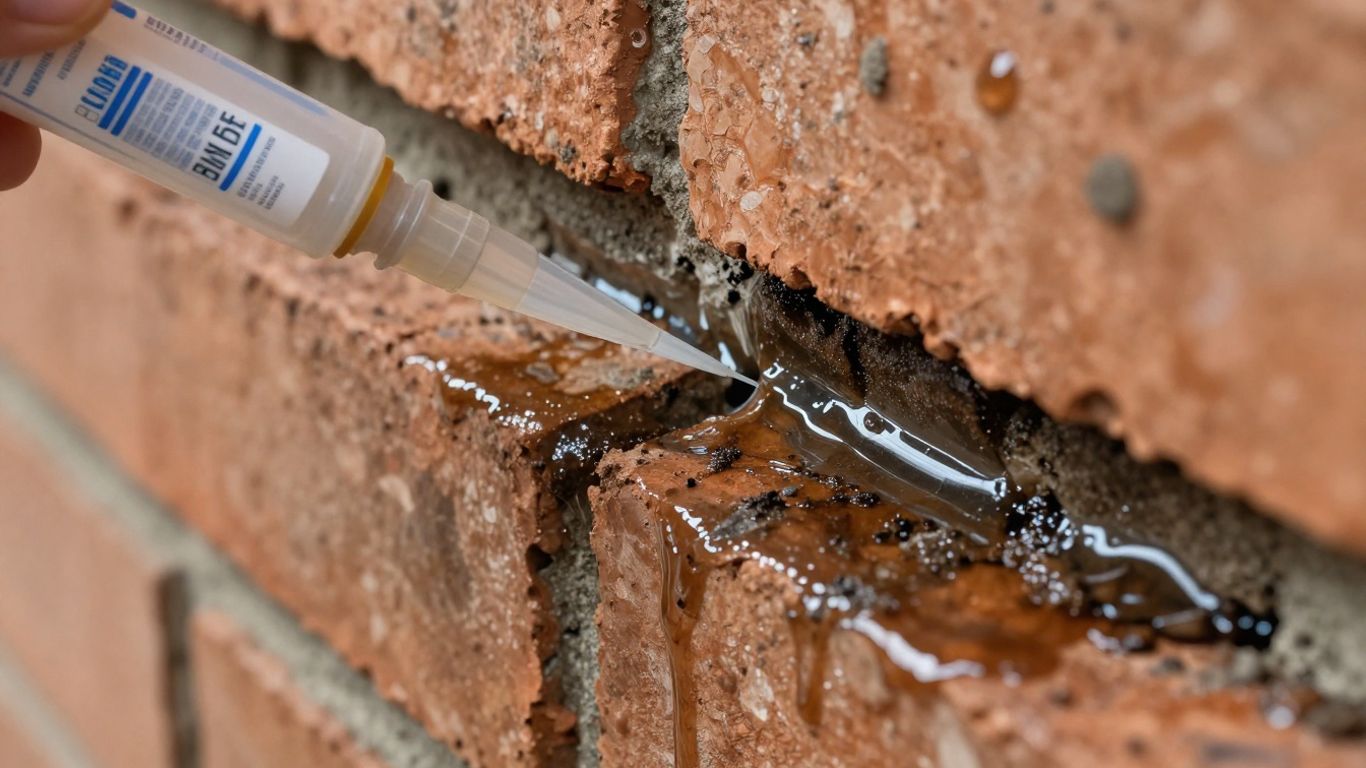
When water finds its way into your home’s structure, it’s not just an annoyance; it can lead to bigger problems down the track. Thankfully, there are some clever ways to tackle these leaks using injection methods. These aren’t your average DIY fixes; they’re more specialised techniques designed to get right into the heart of the problem.
Concrete Crack Injection Techniques
Cracks in concrete, whether they’re from settling, stress, or just age, are prime entry points for water. The good news is we can inject special materials directly into these cracks. We’re talking about things like polyurethane or epoxy resins. Polyurethane is great because it can expand and fill the entire void, even if it’s a bit irregular. Epoxy is super strong and bonds well, making it ideal for structural repairs. The key is getting the right material into the crack to form a solid, waterproof barrier. It’s a bit like getting a sealant right into the nitty-gritty of the damage. For more complex jobs, you might need to look at advanced waterproofing systems that are built for these kinds of remedial works.
Crystalline Waterproofing Compounds
These are pretty neat. Crystalline compounds are added to concrete or applied to its surface. What they do is react with moisture and the concrete itself to grow tiny crystals within the pores. These crystals effectively block water from getting through, but the concrete can still ‘breathe’, which is important. It’s a bit like giving the concrete its own internal defence system against water. They’re often used in basements and underground structures where water pressure can be a real issue.
Specialised Injection Systems
Beyond the basic crack injection, there are more advanced systems. Some use flexible cementitious grouts that can handle movement, while others are designed for very specific situations, like stopping active leaks under pressure. These systems often involve multiple injection points and careful monitoring to make sure the whole area is sealed. It’s about using the right tool for the job, and sometimes that means a specialised approach. For instance, some chemical injection waterproofing uses materials that expand on contact with water to create a seal.
Here’s a quick rundown of what these solutions aim to achieve:
- Stop leaks at their source: Getting the waterproofing material right into the crack or void.
- Prevent future water ingress: Creating a durable barrier that stops water from getting in again.
- Maintain structural integrity: By stopping water damage, you help keep the building strong.
When dealing with water intrusion, especially in concrete structures, injection methods offer a targeted way to fix the problem. They work by filling voids and cracks with specialised materials that prevent water from passing through. It’s a more involved process than just slapping on a coating, but it can be much more effective for certain types of leaks and damage.
Choosing the right injection method depends a lot on the type of crack, the material of the wall, and how much water is getting through. It’s often best to get a professional opinion to make sure you’re using the most effective solution for your specific situation.
Interior Wall Waterproofing Approaches
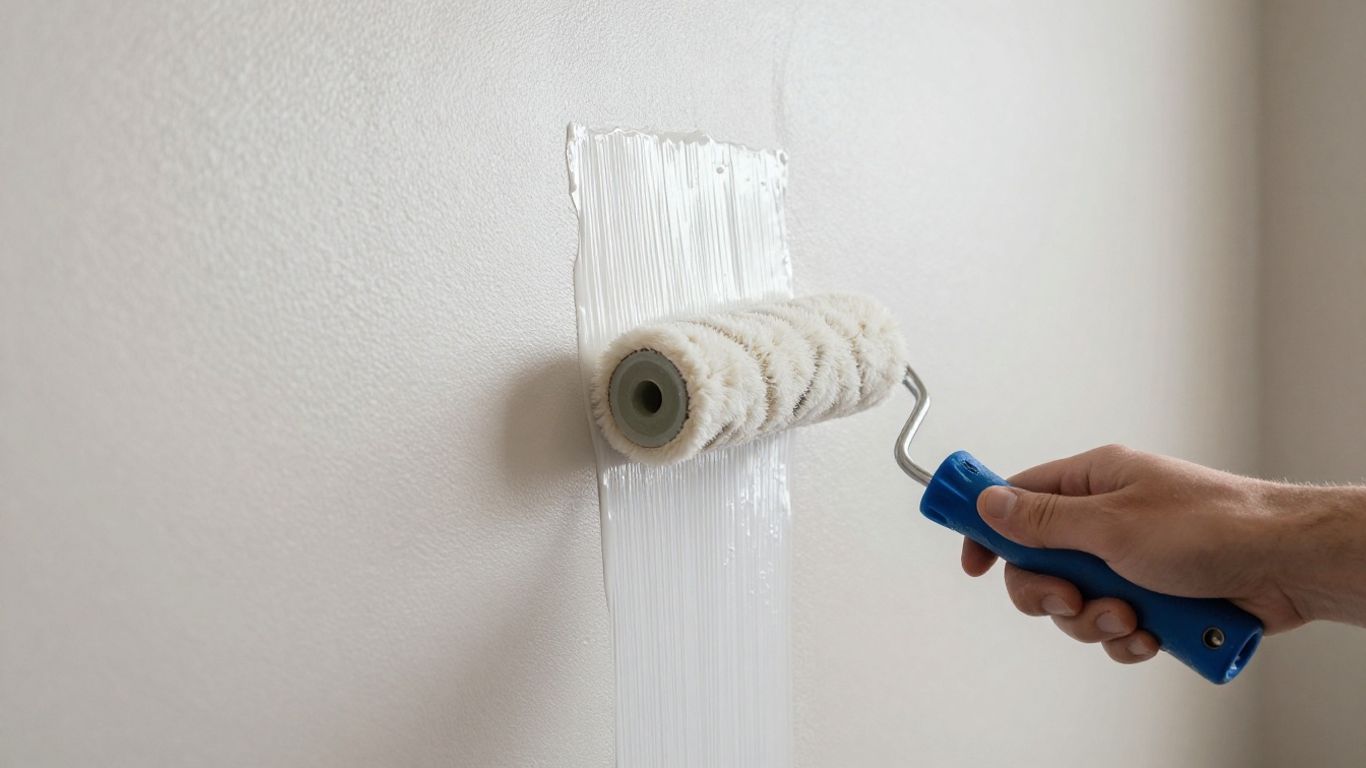
When water has already made its way into your walls, interior waterproofing is the go-to. It’s all about managing that moisture that’s already inside. This approach usually involves getting some specialised injection systems or membranes onto the affected interior surfaces. Think of it as putting up a barrier from the inside.
Moisture Management Strategies
Dealing with moisture from the inside means we’re often playing catch-up. The main goal here is to stop existing leaks and prevent further damage. This can involve a few different tactics:
- Crack Repair: Small cracks are often injected with special resins or epoxies. These fill the void and stop water from seeping through.
- Surface Treatments: Applying waterproof coatings or sealers directly to the interior surface can create a barrier.
- Ventilation Improvement: Sometimes, just improving airflow can help reduce condensation, which is a common culprit for damp interior walls.
Application of Injection Systems and Membranes
Injection systems are pretty neat. They work by injecting materials, like polyurethane or epoxy, directly into cracks or voids within the wall structure. These materials expand and harden, effectively sealing the pathway for water. Crystalline waterproofing compounds are another option; they penetrate concrete pores and form crystals that block water while still letting the wall breathe. For more persistent issues, specialised membranes might be applied to the interior surface after proper preparation.
It’s important to remember that while interior waterproofing can offer quick fixes for active leaks, it doesn’t always address the original source of the water intrusion. This means hydrostatic pressure might still be building up outside the wall, potentially causing bigger problems down the track.
Limitations of Interior Waterproofing
While interior waterproofing can be a lifesaver for immediate leaks, it’s not a perfect solution for everything. It’s often more of a band-aid than a cure for the root cause of the water problem. Because you’re working from the inside, you can’t always see or access the full extent of the damage or the original entry point. This means:
- Doesn’t Stop External Pressure: It won’t stop water being pushed against the wall from the outside.
- Potential for Hidden Damage: You might be sealing a leak without fully knowing what’s happening behind the plasterboard.
- Maintenance Needs: These solutions might need reapplication more often than exterior methods, so think about ongoing maintenance cycles.
It’s generally best suited for situations where getting to the outside of the wall is just too difficult or expensive. For a more permanent fix, addressing the exterior is usually the way to go, but interior methods have their place, especially when you need results fast.
Exterior Wall Waterproofing for Comprehensive Protection
When we talk about keeping your home dry and sound, tackling water from the outside is a big deal. It’s all about stopping water before it even gets a chance to think about seeping into your walls. This approach is generally the most effective for long-term protection because you’re dealing with the problem right at the source. Think of it like putting on a raincoat before you go out in a downpour – much better than trying to dry off once you’re soaked through.
Liquid Membrane Systems
These are pretty neat. They create a continuous, flexible barrier that can handle all sorts of movement in your house without cracking. They’re great for tricky surfaces and can really stand up to the weather we get here in Australia. They bond well and don’t leave any gaps for water to sneak through. For areas prone to standing water, high-performance, waterborne synthetic rubber membranes are a top pick, offering permanent waterproofing. These membranes are designed for areas susceptible to ponding and immersion.
Elastomeric Coatings and Sheet Membranes
Elastomeric coatings are like a stretchy paint that sticks really well and can expand and contract with temperature changes. They’re tough and weather-resistant. Then you’ve got sheet membranes, which are often made of rubber or bitumen. These are usually for areas that get a lot of exposure to the elements and need a really robust shield. Getting these installed properly is key, though.
Cementitious Coatings for Masonry
If you’ve got brick or block walls, cementitious coatings are a solid choice. They chemically bond with the masonry, becoming part of the wall itself. This makes them really strong and a good option for structural walls that need that extra bit of defence against water.
Exterior waterproofing solutions are designed to stop water intrusion before it compromises your home’s structure. They work by creating a barrier on the outside of the building, preventing moisture from reaching the interior walls and foundations. This proactive approach is vital for preventing long-term damage and maintaining a healthy living environment.
Here’s a quick rundown of what to consider:
- Wall Material: Is it brick, concrete, or something else? Different materials need different treatments.
- Exposure: How much rain, sun, or wind does that particular wall face?
- Building Age: Older homes might have different construction methods that affect waterproofing needs.
- Surrounding Landscape: How does the ground slope away from the house? Poor drainage outside can put extra pressure on your waterproofing.
When it comes to protecting your home from the elements, especially in areas like the Gold Coast, advanced materials and techniques are used. These often include polymer-modified base coatings, bentonite secondary barriers, and dimpled drainage membranes to ensure effective perimeter protection and prevent water damage. This type of protection is crucial for homes in coastal regions.
Choosing the right exterior waterproofing method is about creating a robust defence system. It’s not just about slapping on a coat of paint; it’s about understanding how water moves and how to best prevent it from causing trouble down-the-track problems.
Choosing the Right Waterproofing Strategy
Picking the best way to keep water out of your home can feel a bit overwhelming, can’t it? It’s not just about slapping on some sealant; you’ve got to think about what’s actually going on with your place. The right strategy stops leaks before they even start, saving you heaps of hassle down the track.
Assessing Your Property’s Needs
First things first, you need to figure out where the water’s coming from and what kind of damage you’re already seeing. Is it a slow seep from the garden beds, or are you dealing with a full-blown downpour getting in somewhere? Look for:
- Visible cracks in walls or foundations.
- Damp patches or mould growth.
- Water pooling around the house after rain.
- Any signs of efflorescence (white powdery deposits) on masonry.
Understanding these signs helps you pinpoint the problem areas. It’s like being a detective for your own home!
Considering Climate and Building Materials
Australia’s climate is pretty varied, right? What works in Darwin might not be the best bet for Hobart. You’ve got to think about:
- Rainfall intensity and frequency: Are you in a flood-prone area or somewhere that gets occasional heavy bursts?
- UV exposure: Intense sun can degrade some materials over time.
- Temperature fluctuations: Extreme heat and cold can cause materials to expand and contract, potentially opening up small gaps.
Also, the materials your house is made of matter. Brick, concrete, timber – they all behave differently and need different types of protection. For instance, some products are great for brick walls, while others are better suited for concrete structures.
The Value of Professional Consultation
Honestly, trying to guess the best solution can lead to costly mistakes. That’s where getting a professional opinion comes in handy. Experts can spot issues you might miss and recommend systems that are built to last. They know the local building codes and have seen pretty much every waterproofing problem imaginable. It’s often worth the investment to get it right the first time, especially when dealing with complex issues like roof leaks or foundation problems.
Long-Term Value of Foundation Waterproofing
Investing in proper foundation waterproofing is more than just a fix for current leaks; it’s a smart move for the future of your home. Think of it as future-proofing your biggest asset. A well-waterproofed foundation does a lot more than keep the damp out. It actively protects the very bones of your house.
Protecting Structural Integrity
Water is relentless. When it finds its way into your foundation, it can cause all sorts of trouble over time. Freezing and thawing cycles can widen cracks, and constant moisture can weaken concrete and masonry. This can lead to serious structural issues down the track, costing a fortune to fix. Keeping your foundation dry is key to maintaining its strength and stability for decades. It stops water from getting in and causing that slow, insidious damage that’s hard to see until it’s a big problem. This is why getting leak detection and remedial waterproofing sorted early is so important.
Preventing Mould and Improving Air Quality
Nobody wants mould or mildew in their home. It looks bad, smells worse, and is definitely not good for your health, especially if you have respiratory issues. Damp foundations are a breeding ground for these nasty growths. By stopping water ingress, you cut off the mould’s food source. This means cleaner air inside your home and a healthier environment for everyone. It’s a simple step that makes a big difference to your day-to-day living.
Enhancing Property Value and Usable Space
A dry basement or lower level isn’t just a storage space anymore. With proper waterproofing, these areas can be transformed into valuable living areas – think a home office, a rumpus room for the kids, or even an extra bedroom. This adds significant square footage and appeal to your home. Plus, when it comes time to sell, a home with a demonstrably dry and well-maintained foundation is a huge selling point. Buyers are increasingly aware of the potential problems water damage can cause, so a waterproofed foundation can definitely boost your property’s appeal and resale price. It’s a solid investment in foundation waterproofing that pays dividends.
Here’s a quick look at what you can expect:
- Structural Protection: Prevents concrete degradation and cracking.
- Health Benefits: Stops mould and mildew growth.
- Increased Livability: Creates dry, usable space.
- Resale Value: Makes your home more attractive to buyers.
The upfront cost of waterproofing might seem like a lot, but when you weigh it against the potential expenses of major structural repairs, mould remediation, and the loss of usable space, it’s clear that it’s a worthwhile investment. It’s about protecting your home and your wallet in the long run.
Professional vs. DIY Waterproofing
So, the big question: can you tackle waterproofing yourself, or is it a job best left to the pros? Honestly, it really depends on the situation. For minor leaks or small cracks, a DIY approach might be tempting, and sometimes it works out. You can grab some sealant from the hardware store and give it a go. But when it comes to serious water issues, especially with foundations or large sections of walls, it gets a lot trickier.
When to Hire Expert Waterproofing Services
If you’re seeing persistent dampness, mould, or even just water pooling around your house after a bit of rain, it’s probably time to call in the cavalry. These aren’t usually simple fixes. Persistent dampness, mould, or water pooling are clear signs you need professional help. Think about those hairline cracks that might be letting in more water than you realise, or drainage issues that are slowly undermining your home. These problems often need specialised knowledge and equipment to sort out properly. For active leaks or structural cracks, professional installation of negative hydrostatic pressure waterproofing is recommended.
Benefits of Professional Application
Look, the main advantage of hiring professionals is peace of mind. They know what they’re doing, they have the right gear, and they usually offer a warranty on their work. This means if something goes wrong, they’ll come back and fix it. They also understand building codes and can spot problems you might miss. It’s about getting it done right the first time, which can save you a heap of cash and stress down the track. Investing in professional application minimises the risk of failure.
Identifying Hidden Issues with Expert Assessment
Even if you’re leaning towards a DIY job, getting a professional assessment first is a smart move. They can help you pinpoint the exact source of the water problem and identify any hidden issues that you might not even know exist. This way, you can choose the right products and methods for your specific situation, rather than just guessing. It’s like getting a doctor’s diagnosis before you start taking medication, you know?
Here’s a quick rundown of when DIY might be okay versus when you really need a pro:
- DIY Might Work For:
- Sealing minor surface cracks.
- Applying a basic sealant to a small, dry area.
- Minor cosmetic repairs after a leak is fixed.
- Call a Professional For:
- Active water leaks or significant dampness.
- Cracks in foundations or structural walls.
- Persistent mould or musty smells.
- Poor drainage around the property.
- Waterproofing large areas or entire homes.
While some minor waterproofing tasks might seem straightforward, underestimating the complexity of water intrusion can lead to costly mistakes. Professionals bring a level of experience and diagnostic capability that’s hard to replicate, especially when dealing with the unique challenges of Australian homes and their environments.
Wrapping It Up: Keeping Your Aussie Home Dry
So, there you have it. Dealing with water getting into your home can be a real headache, but thankfully, there are solid ways to sort it out. Whether it’s a bit of dampness creeping in or a more serious leak, injection waterproofing offers some pretty effective fixes. We’ve looked at different methods, from sealing up cracks with special stuff to putting up barriers. Remember, catching problems early is key, and sometimes, getting a pro in is the smartest move. It’s all about protecting your place, keeping it healthy, and making sure it’s a solid investment for years to come. Don’t let water worries get you down – there are solutions out there to keep your home safe and dry, no matter what the weather throws at us down under.
Frequently Asked Questions
How long do waterproofing solutions usually last on walls?
Good quality outdoor waterproofing can stick around for about 15 to 25 years. Indoor fixes might need a touch-up every 5 to 10 years to keep working well.
Can I get my walls waterproofed when it’s raining?
Most waterproofing stuff needs dry weather to stick properly and dry out. It’s best to do the work when it’s not raining so it can set perfectly.
Will waterproofing change how my walls look?
Sometimes, coatings can slightly change the colour or add a bit of shine. If you use sealers that soak in, they usually don’t change the way the wall looks at all.
What’s the difference between waterproofing and damp-proofing?
Waterproofing completely stops water from getting through. Damp-proofing just slows down moisture from getting into the air. For the best protection, waterproofing is the way to go.
How do I look after my waterproofed walls?
Keep an eye on them for any small cracks and fix them quickly. Reapplying the waterproofing when it’s recommended will help keep your walls in top shape.
When should I call a pro for waterproofing?
If you see big cracks, your basement is always damp, there’s a musty smell, or water is pooling around your house, it’s time to call an expert. They can find hidden problems and fix them properly.