Australian weather is a bit of a wild card, isn’t it? One minute it’s scorching hot, the next it’s bucketing down. If your home isn’t properly protected, water can sneak in through the smallest gaps, causing damp patches, mould, and some seriously hefty repair bills. Picking the right defence against all that moisture is a big deal. This guide is here to cut through the confusion and show you the top waterproofing solutions that are built tough for Aussie conditions in 2026.
Key Takeaways
- Polyaspartic Polyurea products like FW-11, SH-502, and SCW-01 offer super tough, fast-curing protection for various surfaces, from garage floors to basements.
- Grout options, including Polyurea and Epoxy, are vital for sealing tile lines in wet areas, preventing water ingress and staining.
- Bituminous Membranes provide a dependable, time-tested barrier, especially useful for foundations and areas with constant ground moisture.
- Liquid membranes like Polyurethane and Acrylic create flexible, seamless coatings ideal for roofs, balconies, and exterior walls.
- Cementitious and Crystalline waterproofing offer robust, long-lasting protection for concrete structures, foundations, and underground areas.
1. FW-11 Polyaspartic Polyurea
When you’re looking for a seriously tough coating that can handle a lot of action, FW-11 Polyaspartic Polyurea is definitely one to consider. This stuff is built to last, forming a really durable surface that’s great for areas that see a lot of foot traffic or need to resist chemicals. Think of your garage floor, a workshop, or even a commercial space that needs to be back in use quickly after application.
FW-11 is known for its rapid curing time, meaning less downtime for your property. It creates a seamless barrier that’s resistant to things like oil spills and general wear and tear. It’s also pretty good at filling in small cracks in concrete, which helps prevent water from getting in where it shouldn’t. This makes it a solid choice for protecting concrete slabs and other surfaces from damage.
Here’s a quick rundown of why it stands out:
- Durability: It forms a hard, resilient surface that can take a beating.
- Fast Curing: Gets you back to using the space much sooner than traditional coatings.
- Chemical Resistance: Stands up well against common household and workshop chemicals.
- Crack Filling: Helps seal minor imperfections in concrete.
It’s a high-performance option that provides a robust shield against water and wear. For challenging roof barriers, FW-11 Polyaspartic Polyurea is a reliable solution for leak protection. You can explore more options like PM-21 Repair Primer for comprehensive waterproofing needs.
2. SH-502 Polyaspartic Polyurea
When you’re dealing with vertical surfaces or even overhead work, SH-502 Polyaspartic Polyurea really shines. Unlike some coatings that might sag or drip, this stuff is formulated to stick tight, no matter the orientation. It’s a solid choice for sealing up interior feature walls that need a durable finish, or for protecting the underside of balconies from the weather. Think about plant rooms too, where humidity can be a real pain – SH-502 can handle that environment.
This polyaspartic formulation is designed for superior adhesion on vertical applications. It creates a tough, seamless barrier that’s resistant to a lot of common issues. It cures quickly, which is always a bonus when you’re trying to get a job done efficiently.
Here’s a quick look at where it fits:
- Interior Walls: Provides a robust, washable surface.
- Balcony Undersides: Protects against rain and general wear.
- Plant Rooms/Utility Areas: Resists moisture and potential chemical splashes.
- Car Parks (Walls): Offers protection in high-traffic areas.
It’s a good idea to check out Zocoo Australia’s range for options that are built for our climate. Getting the right product for the job means it’ll last longer and do a better job of keeping water out, which is pretty important for the long-term health of your home, especially with the unpredictable Australian weather.
3. SCW-01 Polyaspartic Polyurea
When you’re dealing with water pressure pushing from the outside in, especially in areas like basements or retaining walls, SCW-01 Polyaspartic Polyurea really shines. This stuff is designed to act as a solid barrier against groundwater, which is a big deal for keeping those below-ground spaces completely dry. It’s a key solution for anyone worried about dampness seeping in from the earth.
SCW-01 is specifically formulated to combat external water ingress. It forms a tough, flexible membrane that can handle the constant pressure from soil and groundwater. Unlike some other materials that might degrade over time or become brittle, polyaspartic technology offers excellent longevity and resistance to environmental factors.
Here’s a quick look at why it’s a good choice for these challenging areas:
- Superior Adhesion: Sticks well to various surfaces, meaning fewer worries about it peeling away.
- Water Pressure Resistance: Built to withstand the force of groundwater pushing against it.
- Flexibility: Can handle minor ground movement without cracking, which is common in many Australian soil types.
- Fast Curing: While not as critical for below-ground applications as for trafficable surfaces, it still means a quicker project completion.
For projects where keeping water out from the ground up is the main goal, SCW-01 Polyaspartic Polyurea is definitely worth considering. It’s a robust option that provides reliable protection. If you’re looking into professional installation and compliance with Australian Standards, companies like Seal Build can offer certified solutions.
This type of waterproofing is particularly effective for foundations, underground car parks, and any structure that sits below the natural ground level. It creates a reliable shield against moisture that can cause significant damage over time if left unchecked.
4. Polyurea Grout
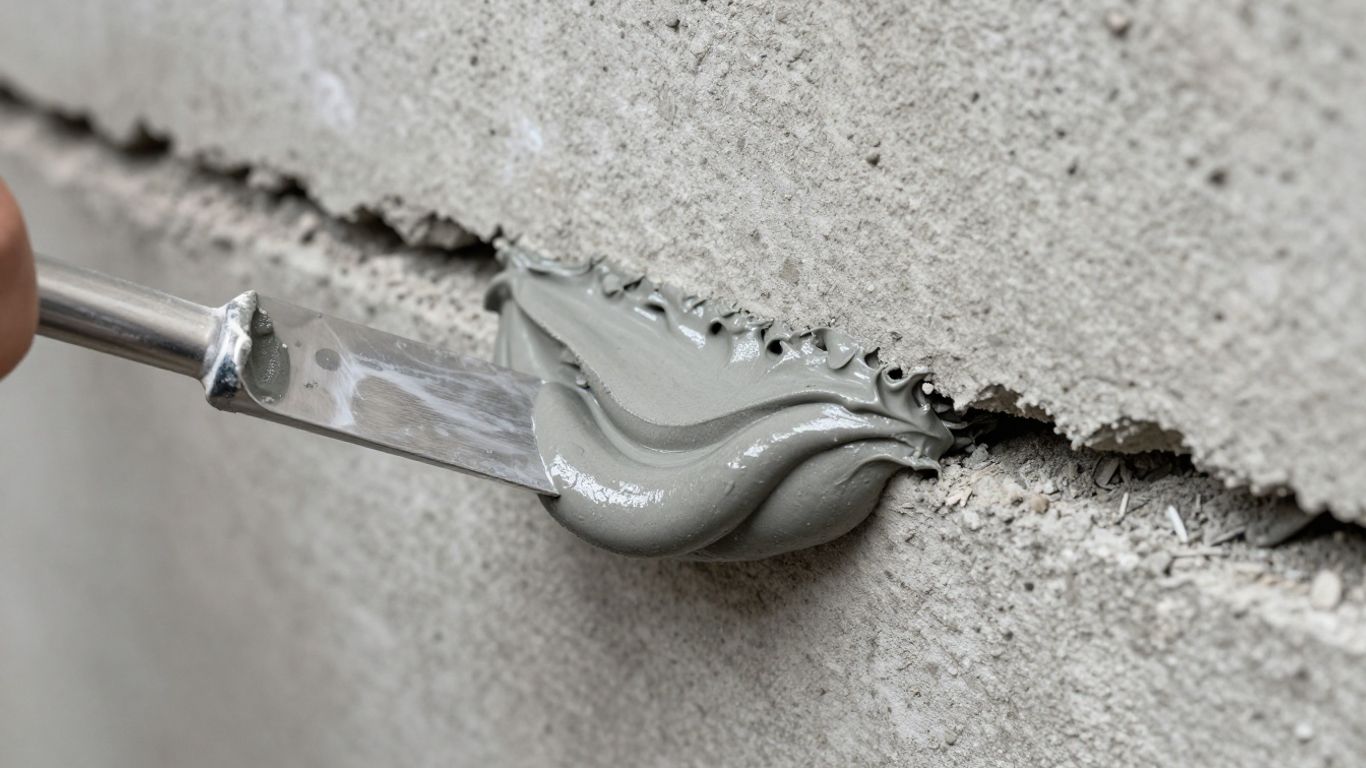
When you’re looking at sealing up those tricky gaps, especially around tiles, polyurea grout is a pretty solid option to consider. It’s a bit of a step up from your standard grout, offering a really tough finish that’s also surprisingly easy to work with. One of its biggest wins is its flexibility; it doesn’t tend to crack if the floor decides to shift a little, which can happen, especially with our Aussie weather and building materials. Plus, it’s really good at resisting stains and chemicals, so spills aren’t going to be a big drama.
This makes it a great choice for areas that get a lot of use, like bathroom floors, especially if you’ve got underfloor heating, or even large-format tiles where you want a clean, long-lasting look without much fuss. It’s a bit of an investment upfront, but the low maintenance and durability really pay off over time. You can find affordable polyurea grout options that don’t break the bank, making it accessible for many renovation projects.
Key benefits of polyurea grout:
- Excellent flexibility, reducing the risk of cracking.
- High resistance to stains and common household chemicals.
- Durable finish suitable for high-traffic areas.
- User-friendly application process compared to some alternatives.
It’s a good idea to look into products that are specifically designed for the Australian climate, as they’ll be better equipped to handle the temperature fluctuations and moisture we often experience. For example, some polyurea membranes are built to withstand harsh conditions, offering robust waterproofing for various applications.
Choosing the right grout is more than just picking a colour; it’s about selecting a material that contributes to the overall integrity and longevity of your wet areas. Polyurea grout offers a modern solution that balances performance with practicality.
5. Epoxy Grout
When you’re looking at sealing up those tile gaps in wet areas, epoxy grout is a really solid option to consider. It’s not like the old cement-based stuff that can get grubby and porous over time. Epoxy grout forms a really tough, non-porous barrier that water, soap scum, and even oils just can’t soak into. This makes it a top pick for places like shower floors, kitchen splashbacks, or around swimming pools where things get wet and messy regularly.
Because it doesn’t absorb liquids, it’s much easier to keep clean and looking good. You won’t get those annoying dark stains that can appear in grout lines over time. It’s also quite resistant to chemicals, which is a bonus if you’re using strong cleaning products. For Australian homes, especially in bathrooms and kitchens, this kind of durability and ease of maintenance is a big win. It helps maintain the overall look of your tiled areas and contributes to a more hygienic environment. When choosing materials, it’s always good to check against the latest Australian waterproofing standards to make sure everything is up to scratch.
Here’s a quick rundown of why epoxy grout stands out:
- Non-Porous: Prevents stains and water absorption.
- Durable: Resists wear and tear in high-traffic zones.
- Low Maintenance: Easy to clean and keeps its appearance.
- Chemical Resistant: Stands up to common household cleaners.
While it might cost a bit more upfront than some other grouts, the longevity and reduced cleaning effort often make it a more economical choice in the long run. It’s a key part of creating a truly waterproof tiled area, especially when paired with appropriate membranes and sealants. For a truly robust finish in your wet areas, epoxy grout is an excellent choice.
6. Bituminous Membranes
Bituminous membranes, often made from asphalt or tar-based products, have been a go-to for waterproofing in Australia for ages. They’re pretty reliable, especially for areas that are constantly dealing with moisture, like foundations and retaining walls. You’ll find them in a few forms, like cold-applied liquids, rubberised asphalt sheets, and even the torch-on kind. They offer a solid barrier against water ingress.
When it comes to performance, bituminous systems are known for handling sustained moisture pretty well. They tend to provide a consistent thickness across the surface, which is a big plus for creating a dependable waterproof layer. Plus, they generally stick well to properly prepared concrete, making them a solid choice for structural elements where you really can’t afford leaks. For new builds or areas with stable foundations, they can be a good option.
However, it’s not all smooth sailing. Older tar-based coatings could get brittle over time and might start to peel or crack, especially if they weren’t put on perfectly. While modern rubberised asphalt versions are much better, professional installation is still key. Getting the seams sealed right and making sure there are no gaps is super important to stop water from finding its way through. It’s one of those things where the quality of the job makes a huge difference to how long it lasts.
Proper planning is a must when considering bituminous membranes. Deciding on your waterproofing strategy early in the design phase helps align it with the overall structure and site conditions, avoiding costly rework later on.
When you’re planning renovations or new construction for 2026, thinking about bituminous waterproofing early on is a smart move. It helps make sure your home is protected from the ground up. If you’re unsure about the best approach for your specific situation, talking to experts can help you specify the right solution from the start, giving you peace of mind for years to come. For more on protecting your home’s structure, understanding wall waterproofing is also a good idea [9175].
Key considerations for bituminous membranes:
- Application: Can be liquid-applied or sheet-based.
- Durability: Generally good, but older types can become brittle.
- Installation: Requires skilled professionals for optimal performance.
- Cost: Often considered an affordable option.
- Best Use: Foundations, retaining walls, and areas with consistent water exposure.
7. Liquid Polyurethane Waterproofing
Liquid polyurethane waterproofing is a pretty solid choice for keeping water out, especially when you’ve got tricky spots to cover. It’s basically a liquid that you paint or spray onto surfaces, and it dries into a tough, flexible skin. This makes it great for areas that might move a bit, like foundations or balconies, because it can stretch without cracking.
Think of it like a really good raincoat for your house. It forms a continuous barrier, which means there are no seams for water to sneak through. This is a big deal compared to some other methods where joins can be weak points. It’s particularly useful for complex shapes and corners where getting a good seal can be a challenge.
Here’s a quick rundown of why it’s a good option:
- Flexibility: It can handle movement in the building structure.
- Seamless Application: Creates a continuous, watertight layer.
- Adhesion: Sticks well to most building materials like concrete and timber.
- Durability: Offers good resistance to wear and tear and environmental factors.
When you’re looking at protecting your home from water damage, especially in areas prone to moisture, liquid polyurethane is definitely worth considering. It’s a modern solution that offers reliable protection. For those concerned about water damage in Australian homes, understanding these options is key to keeping your property sound. Protecting your home from leaks is always a smart move.
This type of waterproofing is applied in layers, and the thickness can be adjusted depending on how much protection you need. It’s a versatile system that can be used on roofs, balconies, retaining walls, and even below-ground structures. The key is getting a good, even coat to ensure it performs as it should.
8. Cementitious Waterproofing
Cementitious waterproofing is a pretty common method, especially for concrete and masonry. It’s basically a cement-based coating that you apply directly to the surface. When you mix it up, it forms a rigid barrier that’s pretty good at stopping water in its tracks. It’s often used on new builds with stable foundations and retaining walls.
This type of waterproofing works by creating a physical barrier. It’s not flexible, though, so if there’s any movement in the structure, like minor settlement, it can crack. This is something to consider, especially in areas with reactive soils. It’s a bit like plastering a wall – you get a solid finish, but it doesn’t bend.
Here’s a quick rundown of what it’s good for:
- Foundations and basement walls
- Retaining walls
- Areas that don’t experience much structural movement
- New construction projects
While it’s a traditional and often cost-effective option, its rigidity means it’s not always the best choice for every situation. For areas that might shift or move, you’d probably want to look at something more flexible. It’s important to get the surface preparation just right for it to bond properly. You can find more details on cement-based coatings if you want to dig a bit deeper.
When planning your waterproofing, think about the specific conditions of your property. What works well in one area might not be ideal in another, especially with Australia’s varied climate and soil types. Getting the right system in place early on saves a lot of headaches down the track.
9. Crystalline Waterproofing
Crystalline waterproofing is a pretty neat system that works from the inside out. Instead of just sitting on the surface, the special chemicals in crystalline products actually penetrate the concrete itself. Once inside, they react with moisture and the by-products of cement hydration to form insoluble crystals. These crystals grow and fill up the tiny pores and micro-cracks within the concrete structure.
This means the concrete itself becomes waterproof, not just the surface. It’s a bit like giving the concrete a built-in defence against water. This method is particularly good for areas where water pressure might be an issue, like basements or underground structures. Because the waterproofing is part of the concrete matrix, it’s not easily damaged by surface abrasion or wear and tear. It also means that if small new cracks form over time, the system can actually reactivate in the presence of moisture and form more crystals to seal them up.
Here’s a quick rundown of why it’s a solid choice:
- Internal Protection: Works within the concrete, not just on top.
- Self-Healing: Can seal minor new cracks that appear later.
- Durability: Generally offers long-term protection, often lasting the life of the structure.
- Reduced Permeability: Significantly blocks water from getting through the concrete mass.
Crystalline waterproofing is a remedial waterproofing technology that provides internal protection. It doesn’t rely on surface adhesion, which is a big plus for longevity. The chemicals actively reduce water permeability throughout the entire concrete mass, making it a really robust and effective way to waterproof and fix existing concrete issues.
When you’re looking at options for your home, especially for foundations or areas that are hard to access later, crystalline waterproofing is definitely worth considering. It’s a different approach to many surface-applied membranes and offers a unique kind of protection. You can find more information on waterproofing for Australian homes to see how it fits into the bigger picture.
10. Acrylic Liquid Waterproofing
Acrylic liquid waterproofing is a popular choice for many Australian homes, and for good reason. It’s a water-based coating that dries into a flexible, seamless membrane. Think of it like a tough, rubbery skin for your house that stops water in its tracks. It’s pretty straightforward to apply, usually with a roller or a sprayer, making it a bit of a DIY-friendly option for some smaller jobs, though for larger areas or critical spots, getting a professional in is always a good idea.
One of the big pluses is its UV resistance. Our Aussie sun can be brutal, and acrylics generally hold up well against it, meaning they won’t break down or become brittle too quickly. They’re also quite good at stretching, which is important because houses do move a bit, especially with temperature changes. This flexibility helps prevent cracks from forming in the waterproofing layer.
Acrylics are particularly well-suited for above-ground applications where water pressure isn’t a major concern. They work great on roofs, balconies, decks, and exterior walls. You’ll often see them used as a protective coating over other waterproofing systems too, adding an extra layer of defence.
Here’s a quick rundown of where acrylics shine:
- Roofs: Especially flat or low-slope roofs that might collect water.
- Balconies and Decks: Providing a durable, waterproof surface that can handle foot traffic.
- Exterior Walls: Protecting against general weather exposure and rain.
- Planter Boxes: Keeping moisture contained and preventing leaks into the structure below.
While they’re a solid option, it’s worth noting that their performance can vary depending on the specific product and how it’s applied. For areas with significant water pooling or constant submersion, you might need something a bit more heavy-duty. However, for general protection against the elements, acrylic liquid waterproofing offers a good balance of performance and ease of use for many exterior waterproofing needs.
When considering acrylics, always check the manufacturer’s specifications for expected lifespan and suitability for your specific climate zone within Australia. Some formulations are better suited to intense UV exposure than others.
Looking for a tough shield for your building? Our acrylic liquid waterproofing is a fantastic choice. It creates a strong, flexible layer that keeps water out, protecting your home or business from leaks and damage. It’s easy to apply and lasts for ages. Want to learn more about how this can help your property? Visit our website today for all the details!
Wrapping Up Your Waterproofing Plan
So, we’ve looked at some solid ways to keep your place dry and sound. Whether you’re dealing with our wild weather on a balcony, in the bathroom, or down in the basement, picking the right stuff makes a big difference. It’s not just about avoiding leaks; it’s about looking after your home for the long haul and saving yourself headaches down the track. Taking the time to choose and apply good waterproofing now means you can relax a bit more, knowing your home is better protected against whatever the Aussie climate throws at it.
Frequently Asked Questions
Why is waterproofing so important for Aussie homes?
Australia’s weather can be pretty wild, going from super hot and dry to heavy rain really fast. Without good waterproofing, water can sneak into your house through tiny cracks. This can cause damp patches, mould, and even damage the building’s structure over time, which costs a lot to fix. It’s like giving your home a raincoat to keep it safe and dry all year round.
What's the difference between Polyurea and Epoxy grout?
Think of Polyurea grout as a super flexible and tough option that won’t crack if floors move a bit. It’s also great at fighting off stains and chemicals, making it ideal for busy areas or places with underfloor heating. Epoxy grout, on the other hand, is like a super-sealant for wet spots. It doesn’t let water or dirt soak in, making it perfect for showers, kitchens, or around pools to keep things clean and looking good.
How long do these waterproofing solutions usually last?
The lifespan can really vary depending on the type of product and where it’s used. Some of the newer, high-tech options like certain polyureas can last for 10-15 years or even longer, especially when protected from direct sunlight. More traditional methods like bituminous membranes might offer around 8-12 years of protection. For foundations, crystalline waterproofing can last a really long time, sometimes 20-30 years, because it actually becomes part of the concrete.
Can I use these waterproofing products on my balcony?
Definitely! Balconies get a lot of weather, so they need something tough. Products like liquid polyurethane or acrylic coatings are often used because they dry into a flexible, seamless layer that can handle walking on and the sun’s rays. Some polyurea coatings are also excellent for balconies because they are super durable and can be walked on quickly after application.
What's the best waterproofing for a bathroom floor?
For bathrooms, you need something that can handle constant moisture and soap. Liquid membranes are a must for shower bases, walls, and the whole floor. Using a good quality grout, like epoxy grout, between your tiles is also super important because it seals up all those little gaps where water could otherwise get through.
Is waterproofing only for bathrooms and kitchens?
Not at all! While bathrooms and kitchens are key wet areas, waterproofing is crucial in many other parts of your home too. Think about balconies, terraces, laundries, basements, retaining walls, and even flat roofs. Anywhere water might sit or seep in, good waterproofing is needed to protect the building’s structure and keep your home healthy.
What does 'cementitious waterproofing' mean?
Cementitious waterproofing uses cement mixed with special chemicals or polymers. When you mix it with water, it forms a hard, waterproof layer. It’s often used on concrete walls, foundations, or even water tanks because it bonds well with concrete and provides a solid barrier against water getting through.
Do I need a professional to do the waterproofing?
While some products might be okay for a DIY job, waterproofing is really important for protecting your home. For critical areas like bathrooms, balconies, or basements, it’s often best to get a professional. They know the Australian Standards (like AS 3740) and have the right tools and experience to make sure it’s done perfectly, giving you peace of mind and long-lasting protection.