Finding good waterproofing companies near me in Australia can feel like a bit of a quest. You know you need the job done right, whether it’s a leaky shower or a bigger project, but sorting through the options? That’s where it gets tricky. We’ve all heard stories, right? So, let’s break down what you actually need to look for to make sure you pick someone reliable.
Key Takeaways
- When looking for waterproofing companies near me, check their experience with similar projects in Australia.
- Ask about the specific services they provide, like leak detection or applying membranes.
- Look for professionals who are licensed and have good reviews from past clients.
- Understand the different waterproofing methods and materials they use, and if they meet Australian standards.
- Good communication and a clear plan for the work are signs of a professional waterproofing company.
Understanding your waterproofing needs
Before you start looking for a waterproofing company, it’s a good idea to get a handle on what you actually need. This isn’t just about slapping on some sealant; it’s about figuring out where the problems are and what the best fix will be.
Assessing existing waterproofing issues
Sometimes, you know there’s a problem because you can see it – a damp patch on the ceiling, mould growing in a corner, or water pooling where it shouldn’t. Other times, the signs are more subtle. You might notice a musty smell, peeling paint, or even just a general feeling of dampness in the air. It’s important to address these issues early because small problems can quickly turn into big, expensive ones. If you’re unsure about what you’re seeing, getting a professional inspection is a smart move. They can help identify the source of the leak and assess the extent of any damage. This initial assessment is key to recognizing the indicators of water damage.
Identifying common waterproofing problems
Waterproofing issues pop up in a few common places. Think about bathrooms and showers – these are wet areas, and if the waterproofing isn’t done right, leaks are almost guaranteed. Balconies and planter boxes are another common culprit, especially if they’re exposed to the elements. Basements and below-ground areas can also suffer from water ingress due to hydrostatic pressure. Even roofs and walls can develop leaks over time due to wear and tear or poor initial installation.
Here are some typical problem areas:
- Shower recesses and wet areas
- Balconies and decks
- Planter boxes
- Basements and retaining walls
- Roof leaks
- Window and door seals
Planning for new waterproofing installations
If you’re building new or renovating, planning for waterproofing from the start is much easier and cheaper than fixing problems later. You need to think about the specific areas that will require protection. For instance, in bathrooms, there are now specific requirements to consider, like ensuring the waterproofing extends to a certain height on the walls according to Australian standards. It’s about choosing the right materials for the job and making sure the application is done correctly. A well-planned waterproofing strategy protects your building’s structure and keeps it healthy for years to come.
Finding local waterproofing companies
When you’ve got a water issue, finding the right help nearby is the first big step. It’s not just about picking any company; you want someone who knows what they’re doing and is actually close enough to get to your place without a massive travel fee. This section will help you figure out how to track down these local experts.
Searching for waterproofing companies near me
Your first port of call is usually a quick online search. Typing in "waterproofing companies near me" or "local waterproofing services" will bring up a list. Don’t just go for the first one you see. Look at their websites, see what services they advertise, and check if they mention servicing your specific area. Sometimes, local directories or even asking neighbours for recommendations can be a good way to find established businesses in your community. It’s also worth checking if they have a physical address listed, which can give you a bit more confidence.
Evaluating local service providers
Once you have a few names, it’s time to do a bit of digging. Check their reviews on Google, Facebook, or other platforms. See what past clients have said about their work, punctuality, and professionalism. A company with consistently good feedback is usually a safe bet. Also, look for any accreditations or memberships they might have with industry bodies. This shows they’re serious about their trade. You might want to get a few quotes too, just to compare prices and what’s included. Remember, the cheapest option isn’t always the best, especially when it comes to something as important as waterproofing.
Considering regional expertise
Australia is a big place, and different regions have different weather patterns and building styles. A company that’s been operating in your specific area for a while will likely have a better understanding of common issues. For example, coastal areas might face different challenges than inland regions. They’ll know the local building codes and the types of materials that work best in your climate. If you’re in Sydney, looking for a company with local experience might be more beneficial than one based solely in Perth. This regional knowledge can make a big difference in the effectiveness and longevity of the waterproofing work.
Here’s a quick checklist to help you evaluate potential companies:
- Check online reviews and testimonials.
- Verify their licence and insurance details.
- Ask for references from similar projects.
- Get detailed quotes in writing.
- Confirm they service your specific suburb or town.
When you’re looking for a waterproofing company, think about their experience with the specific type of problem you have. A company that specialises in bathroom leaks might not be the best fit for a leaking basement, and vice versa. It pays to ask them directly about their track record with issues similar to yours.
Key services offered by waterproofing experts
When you’re dealing with water issues, whether it’s a new build or an existing problem, you’ll want to know what a waterproofing expert can actually do for you. They offer a range of services designed to pinpoint, fix, and prevent water damage. It’s not just about slapping on some sealant; it’s a more involved process.
Leak detection and investigation
This is often the first step. If you’ve got a leak but can’t see where it’s coming from, these professionals have the tools and know-how to find it. They might use things like thermal imaging cameras to spot temperature differences caused by moisture, or electronic leak detectors. Pinpointing the exact source is key to an effective repair. Sometimes, it’s not as obvious as a dripping tap; it could be a hidden crack in a foundation or a faulty seal in a roof.
Remedial design and specification
Once a problem is found, it needs a proper fix. This service involves designing the best way to repair the damage and prevent it from happening again. It’s about creating a plan, or a specification, that outlines the materials and methods to be used. This is particularly important for larger or more complex issues, where a one-size-fits-all approach just won’t cut it. Getting this right means the repair will last.
Waterproofing membrane application
This is the actual ‘doing’ part. Waterproofing membranes are the barriers that stop water from getting into places it shouldn’t. There are different types, like liquid-applied membranes, sheet membranes, or even cementitious coatings. The choice depends on the specific area being waterproofed – think balconies, bathrooms, or foundations. A professional will know which type is best suited for your situation and apply it correctly to create a continuous, watertight seal. This is a core part of professional waterproofing services.
The application of waterproofing membranes requires precision. Improper installation can lead to premature failure, creating more problems down the line. It’s about creating a seamless barrier that can withstand environmental stresses.
Specialised waterproofing applications
Different parts of a building present unique challenges when it comes to keeping water out. It’s not a one-size-fits-all situation, and specialised approaches are often needed.
Basement and below-ground waterproofing
Basements and other below-ground structures are particularly vulnerable to water ingress because they’re surrounded by soil that can hold moisture. This moisture can exert hydrostatic pressure against the walls and floor, pushing water into the building. Effective basement waterproofing often involves a combination of external barriers and internal drainage systems. For new builds, external membranes are common. In existing structures, or where external work is difficult, internal cavity drain membranes are a popular choice. These systems collect any water that penetrates the structure and channel it away to a sump pump. This approach is often considered one of the most reliable methods for dealing with basement water issues, especially in remedial situations. You can find more information on advanced waterproofing systems suitable for these high-risk projects here.
Balcony and planter box waterproofing
Balconies and planter boxes are exposed to the elements and require robust waterproofing to prevent water damage to the structure below and surrounding areas. Cracks in tiles, failed grout, or inadequate falls can all lead to water pooling and seeping through. Proper installation involves applying a waterproof membrane beneath the tiling or paving. For planter boxes, it’s important to consider drainage to prevent waterlogging, which can damage both the plants and the waterproofing. The membrane needs to be flexible enough to handle movement and temperature changes.
Bathroom and shower area waterproofing
Bathrooms and shower areas are high-moisture zones. Water needs to be contained effectively to prevent damage to walls, floors, and the building structure. This involves waterproofing the shower base, hob, and walls up to a certain height, as well as the floor area. Key areas to focus on include corners, junctions between walls and floors, and around plumbing penetrations. Using appropriate membranes and ensuring they are correctly applied, with proper detailing at joints and penetrations, is vital. A failure here can lead to costly repairs down the line.
Common issues in these areas include:
- Cracked tiles or grout
- Water pooling due to poor falls
- Leaks around shower screens and fixtures
- Penetrations through walls and floors
- Damage to adjacent rooms or the structure below
Experience and qualifications to look for
When you’re looking for a waterproofing company in Australia, it’s not just about finding someone who can slap on some sealant. You want to make sure they actually know what they’re doing, right? That’s where checking their experience and qualifications comes in. It’s a bit like choosing a doctor; you want someone with a good track record and the right credentials.
Years of industry experience
Experience counts for a lot in this game. A company that’s been around for a while, say 30 years or more, has likely seen it all. They’ve probably dealt with all sorts of tricky situations, from old buildings with hidden problems to brand-new constructions that need top-notch protection. This kind of long-term experience means they’ve refined their methods and understand the nuances of different building materials and environmental conditions across Australia. It’s not just about how long they’ve been in business, but the breadth of projects they’ve tackled. Have they worked on residential homes, large commercial buildings, or even infrastructure projects? A diverse portfolio suggests a well-rounded skill set.
Licensed and qualified professionals
This is a big one. In Australia, there are specific training pathways for waterproofing professionals. Many will have completed formal qualifications, like a Certificate III in Construction Waterproofing, which you can often find through TAFE institutions. This training ensures they understand the technical aspects, safety procedures, and Australian standards. Always ask if their technicians are licensed and qualified. It’s not just a formality; it means they’ve met a certain standard of competency and are legally permitted to perform the work. A licensed professional is more likely to adhere to best practices and provide a reliable service.
Client testimonials and reviews
What are other people saying about them? Online reviews and testimonials can give you a real insight into a company’s reliability and the quality of their work. Look for consistent positive feedback regarding their professionalism, punctuality, and the effectiveness of their waterproofing solutions. If you see a lot of complaints about leaks reappearing or poor customer service, that’s a red flag. It’s also helpful if they can provide references from past clients, especially for projects similar to yours. Hearing directly from satisfied customers can be very reassuring.
Choosing a waterproofing company is an investment in your property’s future. Taking the time to vet their experience and qualifications can save you a lot of headaches and money down the line, preventing issues like water damage and mould that can affect structural integrity and health.
Here’s a quick checklist to help you evaluate potential companies:
- Years in Business: How long have they been operating?
- Project Portfolio: Have they worked on similar projects (residential, commercial, etc.)?
- Certifications: Are their technicians licensed and qualified?
- Insurance: Do they have adequate public liability insurance?
- Reviews: What do past clients say about their work?
- Warranties: What kind of warranty do they offer on their workmanship and materials?
Advanced technologies in waterproofing
When it comes to keeping your property dry, the old ways aren’t always the best. Modern waterproofing relies on some pretty clever tech to find and fix leaks, often without tearing down walls. It’s all about being smarter, not just harder, when dealing with water.
Non-destructive testing methods
Imagine finding a leak without having to break open a wall or floor. That’s the idea behind non-destructive testing (NDT). These methods use specialised equipment to detect moisture or structural issues without causing any damage. It saves time, money, and a whole lot of mess. Professionals use tools like electrical resistance meters and acoustic sensors to pinpoint problems accurately. This means less guesswork and more precise repairs. It’s a big step up from just poking around and hoping for the best.
Moisture detection and thermal imaging
Thermal imaging cameras are like X-ray vision for water damage. They can see temperature differences on surfaces, which often indicate hidden moisture. Areas that are cooler might be wet, even if you can’t see any stains. Moisture meters are also handy tools. They measure the water content in building materials, giving a clear reading of where the dampness is and how bad it is. These technologies help identify the source of leaks quickly and accurately. This is particularly useful for large buildings or complex structures where finding the exact spot of a leak can be a real challenge. It’s a bit like being a detective for your house.
Cavity drain waterproofing systems
Cavity drain membranes are a bit different. Instead of trying to stop water from getting in, they manage it once it’s there. These systems involve installing special membranes with dimples or channels on the inside of walls or floors. Any water that seeps through the structure flows down these channels to a sump pump, which then pumps it away. It’s a really effective way to deal with damp basements or underground areas. These systems are often used in conjunction with other waterproofing methods for a complete solution. They’re a popular choice for basement waterproofing projects because they offer a reliable way to keep below-ground spaces dry and usable. You can find out more about specific applications, like for swimming pools.
Using these advanced techniques means that waterproofing professionals can offer more targeted and effective solutions. It’s about getting it right the first time and protecting your property for the long haul.
The importance of quality waterproofing
When it comes to protecting your property, good waterproofing isn’t just a nice-to-have; it’s a really big deal. Skipping out on proper waterproofing or using sub-par materials can lead to a whole heap of problems down the track. It’s about more than just stopping a few drips; it’s about the long-term health and safety of your building.
Protecting structural integrity
Water is surprisingly persistent. If it finds a way in, it can start to break down the very bones of your building. Think about concrete and steel – water can cause them to corrode and weaken over time. This isn’t something you can easily see from the outside, but it can seriously compromise the stability of your home or commercial property. Getting the waterproofing right from the start, or fixing it properly when issues arise, is key to keeping your structure sound for years to come.
Preventing water damage and mould
This is probably the most obvious consequence. Leaks can cause unsightly stains on walls and ceilings, damage your belongings, and create a damp environment. Worse still, that dampness is a perfect breeding ground for mould and mildew. Mould isn’t just an aesthetic problem; it can affect indoor air quality and lead to health issues for occupants, especially those with respiratory problems. Dealing with mould infestations can be costly and time-consuming.
Ensuring building durability
Ultimately, good waterproofing contributes to the overall lifespan and value of your property. A well-protected building will stand up better to the elements and require less maintenance over time. It means fewer emergency repairs and a more comfortable living or working environment. For those looking at property investment, this durability is a significant factor. If you’re considering a basement waterproofing project in areas like the Illawarra, getting it done right is vital for long-term value waterproofing basements in Illawarra.
Here’s a quick look at what can happen without adequate protection:
- Structural Weakening: Corrosion of steel reinforcements, degradation of concrete.
- Interior Damage: Ruined paintwork, damaged plaster, warped floorboards, ruined furniture.
- Health Hazards: Growth of mould, mildew, and bacteria leading to respiratory issues.
- Increased Costs: Expensive repairs, potential need for structural work, higher energy bills due to dampness.
Investing in quality waterproofing upfront, or addressing existing issues with professional help, is far more cost-effective than dealing with the extensive damage and health concerns that water ingress can cause later on. It’s a proactive measure that safeguards your investment and the well-being of those who use the building.
Choosing the right professionals for the job makes a big difference. They have the knowledge and the right materials to get it done properly, often providing peace of mind with warranties professional waterproofing services.
Choosing the right waterproofing solutions
Picking the correct waterproofing approach for your building project is pretty important. It’s not a one-size-fits-all situation, and what works for one place might not be the best bet for another. You’ve got to think about what you’re trying to protect, the specific conditions it will face, and what Australian standards say you need to do.
Tailored solutions for unique projects
Every building is a bit different, right? Whether it’s a new build or an older structure needing some work, the waterproofing needs can vary a lot. A company that really knows its stuff will look at your specific situation – like the building materials, the climate in your area, and any past issues – before suggesting a plan. They won’t just slap on a standard fix; they’ll figure out a solution that’s made just for you. This might involve looking at remedial design and specification if you’re dealing with an existing problem.
Material selection and product performance
There’s a whole heap of waterproofing products out there, and they all do slightly different things. Some are better for wet areas like bathrooms, while others are designed for external walls or underground structures. It’s about picking the right stuff for the job. You want materials that are known to perform well in Australian conditions, which can be pretty harsh with intense sun and heavy rain. Think about things like durability and how long the product is expected to last. Reputable companies will often use products from manufacturers known for quality, like Soudal.
Compliance with Australian standards
This is a big one. All waterproofing work in Australia needs to meet specific building codes and standards. These are in place to make sure the work is done correctly and will actually do its job. A good waterproofing company will be up-to-date with all the latest regulations and will make sure their work complies. This gives you peace of mind knowing that the job is not only done right but also meets all the legal requirements.
Getting the waterproofing wrong can lead to a whole lot of headaches down the track, from structural damage to mould growth. It’s definitely worth investing in the right solutions from the start.
Here’s a quick look at some common areas and what might be considered:
- Wet Areas (Bathrooms, Showers): Often requires flexible membranes that can handle movement and constant moisture.
- Balconies and Decks: Needs UV-resistant and durable membranes that can withstand weather exposure.
- Basements and Retaining Walls: Typically involves robust systems designed to resist hydrostatic pressure and ground moisture.
- Roofs and Gutters: Focuses on seamless application and materials that can handle direct weather impact.
Working with waterproofing professionals
Once you’ve found a waterproofing company that seems like a good fit, the next step is to actually work with them. This involves clear communication and a good project plan. It’s not just about getting the job done; it’s about making sure you understand what’s happening and that the work is done right.
Communication and project management
Good communication is key. You want to know what’s going on with your project. A professional company will keep you in the loop about timelines, any unexpected issues, and what they’re doing. They should be able to explain things in a way that makes sense to you, not just use technical terms.
- Regular updates: Expect to hear from them regularly, whether it’s a quick call or an email.
- Clear scope of works: Make sure you both agree on exactly what needs to be done before work starts.
- Problem-solving: If something unexpected comes up, they should discuss it with you and propose solutions.
Reporting and maintenance planning
After the work is finished, you should receive a report. This report details what was done, the materials used, and any warranties. It’s also a good idea to discuss a maintenance plan. Some waterproofing systems need regular checks or minor upkeep to keep them working effectively. This is especially true for larger projects or complex systems. A good report can be a valuable document for future reference, especially if you ever need to sell your home or deal with insurance claims. It’s always wise to keep these documents safe, as they prove the quality of the work done and the materials used, which is important for the long-term health of your building protecting Australian homes.
Technical advice and support
Reputable waterproofing companies don’t just do the work; they can also offer advice. They might help you understand why a problem occurred in the first place and how to prevent it in the future. This kind of support is really helpful, especially if you’re dealing with an ongoing issue or planning future renovations. They can provide insights into the best waterproofing solutions for your specific situation, drawing on their years of experience and knowledge of different products and techniques. This technical support can save you a lot of headaches down the line.
Australian waterproofing industry leaders
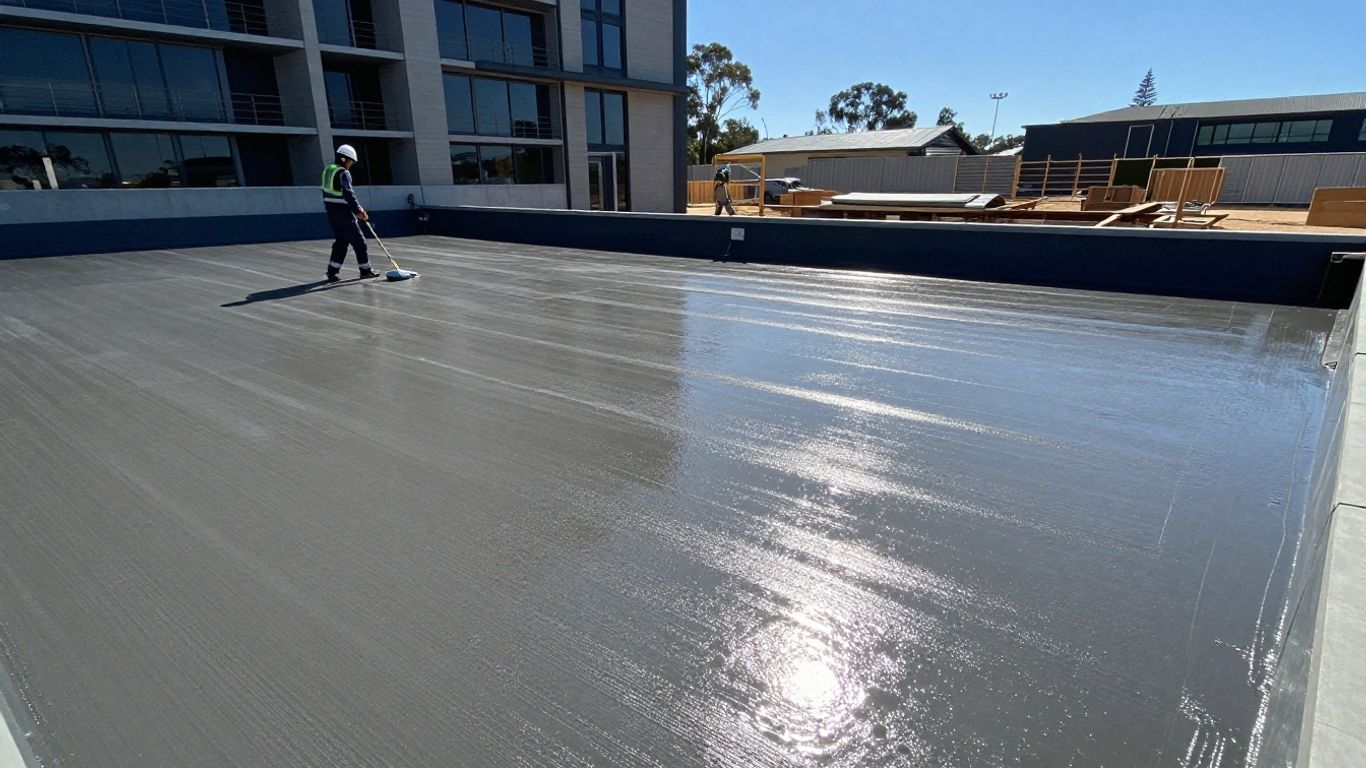
When you’re looking for the best in the business, it pays to know who’s setting the standard. In Australia, a few names consistently pop up when it comes to top-notch waterproofing.
Companies with extensive experience
Some companies have been around for ages, building up a serious amount of know-how. Take Australian Waterproofing Consultants, for instance. They’ve got over 30 years under their belt, tackling everything from hotels to big commercial jobs across Australia and New Zealand. That kind of history means they’ve seen pretty much every waterproofing problem imaginable and have figured out how to fix it. Their long-standing presence in the industry speaks volumes about their reliability and the quality of work they consistently deliver. It’s not just about fixing leaks; it’s about understanding the building’s structure and how water interacts with it over the long haul.
Manufacturers of quality products
It’s not just about the installers, though. The materials used are a massive part of the equation. Companies that manufacture their own high-quality products often have a deeper understanding of how those products perform in real-world conditions. For example, Projex offers roof waterproofing solutions using durable PVC membranes. When a manufacturer also provides the installation or works closely with installers, you often get a more cohesive and reliable outcome. They stand behind their products because they made them.
Contractors with proven track records
Beyond just experience, you want to see proof. This often comes in the form of client testimonials, case studies, and a solid portfolio. Companies like H2OFF Waterproofing, for example, highlight their commitment to honesty and integrity. Looking at projects they’ve completed, especially those with complex challenges, can give you a good sense of their capabilities. It’s about finding contractors who don’t just talk the talk but have a history of walking the walk, successfully completing projects and leaving clients satisfied. A good contractor will also be transparent about their processes and the materials they use, giving you peace of mind.
Choosing a leader in the field often means opting for a company that combines deep technical knowledge with a strong commitment to customer satisfaction and ethical practices. They understand the unique challenges of the Australian climate and building codes.
Australia’s waterproofing scene is buzzing with innovation! We’re seeing some truly top-notch companies leading the way, making sure our buildings stay dry and strong. These experts are setting the standard for quality and reliability across the country. Want to know who’s making waves? Check out our website to discover the leaders in Australian waterproofing.
Wrapping Up Your Waterproofing Search
So, you’ve looked into finding a waterproofing company in Australia. It can feel like a big job, but remember, a good waterproofing job protects your home for years. Take your time to check out a few different businesses, see what they’ve done before, and ask plenty of questions. Getting a few quotes is always a smart move. Don’t be afraid to ask about their experience, especially with the type of problem you’re facing. A bit of research now can save you a lot of hassle down the track. Good luck with your project!
Frequently Asked Questions
What exactly is waterproofing and why is it important for my home in Australia?
Waterproofing is like giving your home a special raincoat! It’s a way to stop water from getting into places it shouldn’t be, like your bathroom, balcony, or basement. In Australia, where we can have heavy rain, this is super important. It stops your house from getting damaged, prevents mould from growing (which is bad for your health!), and makes sure your building lasts a really long time.
How do I find a good waterproofing company near me?
To find a good company, start by searching online for ‘waterproofing companies near me’ or ‘waterproofing services in [your suburb]’. Look at their websites to see what services they offer and if they have experience with jobs like yours. Reading reviews from other customers is also a great way to see if they do a good job.
What kind of problems can waterproofing fix?
Waterproofing can fix a bunch of annoying issues! It can stop leaks in bathrooms and showers, prevent water from seeping into basements, fix damp walls, and stop water damage on balconies or around planter boxes. Basically, if water is causing trouble, a waterproofing expert can help sort it out.
How do I know if a waterproofing company is trustworthy and skilled?
A good sign is if they have been doing this for a while – maybe 30 years or more, like some Australian companies! Check if they are licensed and qualified. Also, see if they have good reviews or testimonials from people they’ve helped before. They should also be happy to explain exactly what they’re going to do.
What are some common areas in a house that need waterproofing?
The most common spots are bathrooms, especially showers and around toilets, as well as laundries. Balconies and decks are also important, and if you have a basement or underground areas, they definitely need to be waterproofed. Even planter boxes on your balcony can cause problems if not waterproofed properly.
Do waterproofing companies use special tools or technology?
Yes, they do! Good companies use advanced tools to find leaks without having to break walls. This can include things like thermal imaging cameras that see heat differences caused by moisture, or special meters to check how wet materials are. They also use high-tech materials to create a strong waterproof barrier.
What should I expect when a waterproofing company comes to my home?
First, they’ll likely assess the problem – maybe by looking at the area or using their special tools. Then, they’ll explain what needs to be done, what materials they’ll use, and how long it will take. Good communication is key! They should also give you a report and maybe some advice on how to maintain the waterproofing.
Are there Australian standards for waterproofing?
Absolutely! Australia has specific building standards, including for waterproofing. Reputable companies will always make sure their work follows these rules. This ensures the job is done safely and effectively, and that your home is protected according to the best practices in the country.