G’day builders! Ever feel like water’s got a personal vendetta against your projects? Yeah, me too. Leaks can be a real headache, turning a solid build into a soggy mess. We’re going to talk about a pretty clever way to stop that from happening – the crystalline waterproofing method. It’s not just about slapping something on; it’s about making the concrete itself fight back against water. Let’s get into it.
Key Takeaways
- The crystalline waterproofing method works by creating crystals within the concrete’s pores, effectively sealing them up against water. It’s like giving your concrete a built-in defence system.
- This method can be added right into the concrete mix or applied to the surface, making it flexible for different stages of construction. The key is getting those crystals to form properly.
- One of the big wins is its ability to seal small cracks, even up to 0.4mm. This means it keeps working even if tiny hairline fractures appear later on.
- For us Aussies, this method is great for our varied climate. It offers solid, long-lasting protection that stands up to the elements, meeting building code needs.
- When things go wrong, it’s often down to poor installation or using cheap products. Picking the right pros and good materials is a must for this system to do its job properly.
UNDERSTANDING THE CRYSTALLINE WATERPROOFING METHOD
PRINCIPLES OF CRYSTALLINE SEALING
Crystalline waterproofing works a bit differently to other methods. Instead of just sitting on the surface, it actually becomes part of the concrete itself. When you apply it, special chemicals react with the moisture already present in the concrete. This reaction creates a network of insoluble crystals. These crystals grow and fill up the tiny pores and capillaries within the concrete structure. This process effectively blocks water from getting through, even under pressure. It’s like the concrete is healing itself from the inside out.
CRYSTALLINE ADDITIVES IN CONCRETE
These crystalline compounds can be added directly to the concrete mix when it’s being made. This means the waterproofing is built-in from the very start. It’s a great way to protect the entire concrete structure, not just the surface. This method is particularly useful for large projects like foundations, tanks, or tunnels where you need reliable, long-term protection.
SEALING CAPILLARIES AT A MOLECULAR LEVEL
The real magic of crystalline waterproofing is how it seals those microscopic pathways. Think of concrete like a sponge with tiny, interconnected holes – these are the capillaries. Water can easily travel through them. The crystals formed by the waterproofing additive grow to fill these spaces, stopping water in its tracks. This molecular-level sealing is what makes it so effective, even against hydrostatic pressure. It can even seal small cracks that might form later on, up to about 0.4mm wide, which is pretty impressive.
APPLYING THE CRYSTALLINE WATERPROOFING METHOD
INTEGRATION DURING CONCRETE MIXING
Adding crystalline waterproofing admixtures directly into the concrete mix during batching is a common and effective approach. This method ensures the waterproofing is an integral part of the concrete structure from the very beginning. The active chemicals disperse throughout the concrete, ready to react when exposed to moisture. This proactive integration means the entire concrete mass becomes capable of self-sealing. It’s a bit like baking the waterproofing right into the cake, rather than just frosting it on afterwards. This approach is particularly useful for large-scale projects where consistent protection is needed across the entire structure.
SURFACE APPLICATION TECHNIQUES
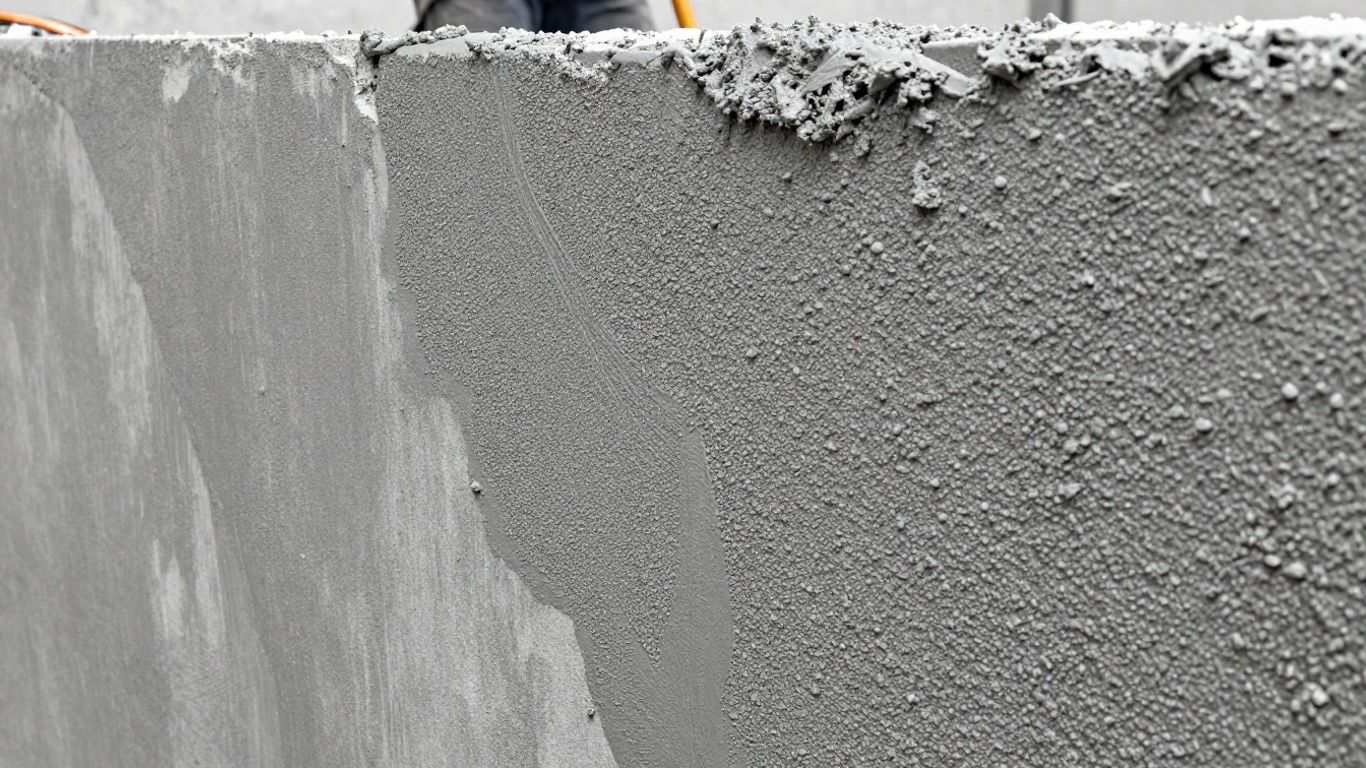
While integrating during mixing is great, sometimes you need to apply crystalline waterproofing to existing concrete surfaces. This is often done as a remedial measure or for structures where it wasn’t part of the original mix. The application is typically a slurry or powder brushed or trowelled onto the concrete. It’s important to prepare the surface properly first – clean off any dust, laitance, or old coatings. The goal is to give the crystalline compounds a good surface to bond with and react. Think of it like preparing a wall for paint; you wouldn’t just slap it on a dirty surface, would you?
ENSURING PROPER CRYSTAL FORMATION
For crystalline waterproofing to work its magic, it needs moisture. After application, the concrete needs to be kept damp for a specific period. This allows the active chemicals to migrate into the concrete pores and capillaries. As water is introduced, these chemicals react to form insoluble crystals. These crystals grow and fill the pores, blocking the passage of water. The curing process is therefore critical for the system’s performance. If the concrete dries out too quickly, or if there’s no moisture present for the crystals to form, the waterproofing won’t be as effective. It’s a delicate balance, and following the manufacturer’s guidelines for curing is a must.
Here’s a quick rundown of what influences crystal formation:
- Moisture Availability: Sufficient water is needed for the chemical reaction.
- Temperature: Ambient temperature affects the rate of reaction and crystal growth.
- Concrete Porosity: The structure of the concrete itself dictates how well the chemicals can penetrate and react.
- Time: Crystal formation is a process that takes time, often days or even weeks, depending on conditions.
BENEFITS OF THE CRYSTALLINE WATERPROOFING METHOD
When you’re building in Australia, keeping water out is a big deal. Crystalline waterproofing offers some pretty solid advantages that builders and homeowners alike can appreciate. It’s not just about stopping leaks; it’s about building smarter and longer.
LONG-TERM STRUCTURAL PROTECTION
One of the main draws of crystalline waterproofing is how it integrates with the concrete itself. Instead of just sitting on the surface, the active chemicals in crystalline admixtures react with moisture and by-products of cement hydration. This reaction creates a network of insoluble crystals within the concrete’s pores and capillaries. This means the waterproofing becomes a permanent part of the structure, not just a coating that can peel or degrade over time. Think of it as the concrete becoming its own waterproof shield, offering protection that lasts for the life of the building. This is particularly important for foundations and underground structures where constant moisture exposure is a risk.
SEALING MINOR CRACKS UP TO 0.4MM
Concrete isn’t perfectly solid; it has tiny pathways called capillaries and can develop small cracks over time due to settling or stress. Crystalline waterproofing is brilliant because those crystals we talked about? They don’t just block existing pores; they can actually grow and fill in new micro-cracks that might form later. This self-healing capability means it can seal hairline cracks up to 0.4mm wide. This is a significant advantage over many other methods that might only address existing damage and can’t adapt to future minor movements in the structure. It’s like having a system that repairs itself before a problem even becomes obvious.
PERMANENT WATER RESISTANCE
Because the crystalline compounds become an integral part of the concrete matrix, the water resistance they provide is permanent. Unlike surface membranes that can be punctured or degrade due to UV exposure or physical damage, crystalline waterproofing remains effective deep within the concrete. This makes it an ideal choice for applications where durability and minimal maintenance are key, such as water tanks, swimming pools, basements, and foundations. You’re essentially building a structure that is inherently resistant to water penetration, reducing the need for costly repairs down the track.
CRYSTALLINE WATERPROOFING IN AUSTRALIAN CONSTRUCTION
Meeting Building Code Requirements
When it comes to building in Australia, ticking all the boxes for safety and durability is non-negotiable. The National Construction Code (NCC) sets out strict standards for waterproofing, and crystalline methods are well-placed to meet these. Because this system becomes part of the concrete itself, it offers a robust, long-lasting solution that aligns with the NCC’s focus on structural integrity and preventing moisture-related issues. It’s about building smarter, not just building faster, and ensuring structures stand up to the test of time and our unique environmental conditions.
Suitability for Australian Climates
Australia’s diverse climate, from the humid tropics to arid interiors and coastal regions, presents unique challenges for building materials. Crystalline waterproofing is particularly suited to these varied conditions. Its ability to react with concrete and form an integral part of the structure means it’s not susceptible to UV degradation like some surface membranes can be. It also performs well under constant moisture exposure, which is a big plus for coastal areas or regions with high rainfall. This inherent resilience makes it a reliable choice for builders across the country.
Applications in Residential and Commercial Projects
You’ll find crystalline waterproofing being used in all sorts of projects here. For residential builds, it’s a go-to for basements, foundations, water tanks, and even swimming pools. It provides that extra layer of security against water ingress, protecting the structure and improving living conditions. In commercial settings, think multi-storey car parks, tunnels, and large infrastructure projects. Anywhere concrete needs reliable, long-term protection from water, crystalline methods are a strong contender. It’s a practical solution that works on both small and large scales.
The key advantage is its ability to self-seal minor cracks that might appear over time. As concrete moves or settles slightly, new hairline cracks can form. The crystalline compounds within the concrete can react with any moisture that enters these new cracks, growing crystals to block them up. This ‘healing’ capability is a significant benefit over systems that might only offer a surface barrier.
Here’s a quick look at common applications:
- Foundations and basements
- Water and sewage treatment plants
- Concrete water tanks and reservoirs
- Swimming pools and water features
- Tunnels and underground structures
- Balconies and podium decks
COMPARISON WITH OTHER WATERPROOFING SYSTEMS
When you’re looking at ways to keep water out of a building, there are a few different approaches you can take. Crystalline waterproofing is one option, but it’s good to know how it stacks up against others. It helps to understand the pros and cons of each system before you decide what’s best for your project.
CRYSTALLINE VS. MEMBRANE WATERPROOFING
Membrane waterproofing usually involves laying down a sheet of material, like bitumen or PVC, over the surface. It creates a physical barrier. Think of it like a tarp laid over something. It’s pretty effective at stopping water from getting through, especially on flat surfaces like roofs or balconies. However, if that membrane gets punctured or damaged, water can get in and spread underneath, potentially causing problems you can’t see.
Crystalline waterproofing, on the other hand, works differently. It actually becomes part of the concrete itself. When water hits it, it forms crystals that fill up the tiny pores and even small cracks. This means it can seal itself up to a certain extent, which is a big advantage over membranes. Membranes are more of a surface fix, while crystalline is more integrated.
CRYSTALLINE VS. LIQUID APPLIED SEALANTS
Liquid-applied sealants are similar to membranes in that they form a coating on the surface. You might see things like acrylics or polyurethanes used. They can be good for irregular shapes and are often easier to apply than some membranes. They create a flexible, waterproof layer.
But again, the key difference is how they react to damage. A scratch or crack in a liquid sealant can compromise the whole system. Crystalline additives, mixed into the concrete or applied to the surface, react with moisture to grow crystals within the concrete matrix. This makes it a more permanent solution, less prone to failure from minor surface damage. It’s less about a coating and more about changing the concrete’s properties.
ADVANTAGES OVER TRADITIONAL METHODS
Traditional methods might include things like basic cementitious renders or even just relying on the concrete itself without any special treatment. These often fall short, especially over time.
- Self-sealing capability: Crystalline systems can seal minor cracks that might appear later in the concrete’s life, something traditional renders or untreated concrete can’t do.
- Integral protection: When added to the concrete mix, it protects the entire structure from within, not just the surface.
- Durability: It doesn’t degrade or become brittle like some older materials might when exposed to UV or temperature changes.
While other methods might offer a quick fix, crystalline waterproofing aims for a long-term, built-in solution. It’s about making the concrete itself resistant to water, rather than just putting a layer on top that could potentially fail down the track. This approach can save a lot of headaches and costs in the future, especially in places like Australia where weather can be harsh.
COMMON ISSUES AND TROUBLESHOOTING
Even with the best methods, things can sometimes go sideways. Understanding common problems with crystalline waterproofing and how to fix them is key for builders in Australia.
IDENTIFYING WATERPROOFING FAILURES
Spotting a problem early saves a lot of hassle and money down the track. Keep an eye out for these signs:
- Damp patches appearing on walls or ceilings, especially after rain.
- Peeling paint or efflorescence (a white, powdery deposit) on concrete surfaces.
- A persistent musty smell, particularly in basements or enclosed areas.
- Visible water pooling around foundations or in basements.
ADDRESSING POOR INSTALLATION
This is a big one. If the crystalline waterproofing wasn’t applied correctly, you’ll likely see issues. This could be due to:
- Incorrect mixing ratios of the crystalline additive or surface-applied product.
- Inadequate surface preparation, meaning the concrete wasn’t clean or sound enough for the product to bond properly.
- Insufficient coverage during application, leaving gaps where water can get through.
- Applying the product in the wrong weather conditions, like extreme heat or rain, which can affect crystal formation.
The fix often involves re-applying the product correctly after addressing the underlying cause of the failure. Sometimes, a more intensive repair might be needed depending on the extent of the damage.
DEALING WITH LOW-QUALITY PRODUCTS
Using cheap or uncertified crystalline waterproofing products is a false economy. These might not contain the right active ingredients or might degrade quickly.
- Performance: They simply won’t seal effectively or for long.
- Durability: They can break down under UV exposure or chemical attack from soil.
- Certification: Always check for Australian Standards compliance or reputable manufacturer warranties.
If you suspect a product failure, the only real solution is to remove the faulty material and re-do the job with a trusted, high-quality system. It’s worth talking to the product manufacturer for advice on the best course of action.
MAINTENANCE AND LONGEVITY
Keeping your crystalline waterproofing system working well for years to come isn’t complicated, but it does need a bit of attention. Think of it like looking after a good tool; a little care goes a long way.
PROACTIVE MAINTENANCE STRATEGIES
Regular checks and a few simple actions can prevent small issues from becoming big headaches. It’s all about staying ahead of potential problems before they even start. This approach saves you time, money, and stress down the track.
- Visual Inspections: Regularly walk around the exterior of your property. Look for any damp patches, unusual discolouration on walls, or any new cracks, no matter how small. Pay close attention to areas where water might naturally collect, like around downpipes or low spots in the garden.
- Gutter and Downpipe Cleaning: Your gutters and downpipes are the first line of defence against water pooling around your foundations. Aim to clear them out at least twice a year, or more often if you have a lot of trees nearby. Make sure the downpipes direct water well away from the building.
- Yard Grading: Check that the ground around your house slopes away from the foundation. If you see areas where water sits after it rains, you might need to add a bit of soil to improve the slope.
REGULAR INSPECTIONS FOR EARLY WARNING SIGNS
Spotting problems early is key. The crystalline waterproofing works within the concrete, so visible signs might be subtle at first. Keep an eye out for:
- Persistent dampness on internal walls, especially in basements or lower levels.
- Any signs of efflorescence (a white, powdery deposit) on concrete surfaces.
- Changes in paint or plaster, like bubbling or peeling, which can indicate moisture behind the surface.
Addressing any minor dampness or discolouration promptly can stop water from finding its way deeper into the structure. It’s much easier to fix a small issue now than a large one later.
DRAINAGE SYSTEM CARE
Your property’s drainage is critical. Clogged gutters or downpipes that don’t direct water far enough away can overwhelm even the best waterproofing. Ensure your drainage systems are clear and functioning as they should. If you have underground drainage, like French drains, check them periodically for blockages. A well-maintained drainage system is a silent partner in keeping your property dry and your waterproofing effective.
PROFESSIONAL IMPLEMENTATION OF CRYSTALLINE WATERPROOFING
SELECTING LICENSED PROFESSIONALS
When it comes to crystalline waterproofing, getting the job done right the first time is pretty important. It’s not really a DIY kind of thing for most people, especially if you want it to last. That’s why you’ll want to find builders or waterproofing specialists who are properly licensed and insured. This isn’t just about ticking boxes; it means they know the rules and have some protection if something goes wrong. Look for professionals who have a solid history of working with crystalline systems, particularly in our Australian conditions. A good track record usually means they know what they’re doing.
IMPORTANCE OF EXPERTISE AND EXPERIENCE
Using crystalline waterproofing isn’t just about slapping a product on a wall. It’s a bit more involved than that. The people doing the work need to understand how the crystals form and react within the concrete. They need to know the right mix ratios if it’s added to the concrete, or the correct application methods and curing conditions if it’s a surface treatment. An experienced team will know how to prepare the surface properly, apply the correct thickness, and make sure it bonds well. They’ll also be able to spot potential issues before they become big problems, like how to deal with existing dampness or the type of concrete you’re working with.
WARRANTIES ON WORKMANSHIP
Getting a warranty on the waterproofing work is a smart move. It gives you peace of mind knowing that if the system doesn’t perform as it should within a certain period, the company that did the work will come back and fix it. This usually covers defects in the application or materials. It’s a good sign that the professionals are confident in their own work. Always check the details of the warranty – what exactly is covered, for how long, and what you need to do to keep the warranty valid. Some warranties might require you to have regular check-ups or maintain drainage systems, for example.
Here’s a quick rundown of what to look for:
- Licensing and Insurance: Confirm they hold current relevant licenses and public liability insurance.
- Specialisation: Do they have specific experience with crystalline waterproofing systems?
- References and Reviews: Check past projects and client feedback.
- Warranty Details: Understand the scope and duration of the workmanship warranty.
The effectiveness of crystalline waterproofing relies heavily on the skill and knowledge of the tradespeople applying it. Incorrect application or poor preparation can significantly compromise the system’s ability to seal concrete and prevent water ingress, even with high-quality products. Therefore, investing in experienced professionals is paramount for long-term structural integrity and water resistance.
Making sure your building stays dry is super important, and using the right waterproofing methods makes all the difference. Our expert team knows how to get the job done properly, ensuring your structure is protected from water damage for years to come. Want to learn more about how we can help keep your project safe and sound? Visit our website today!
Wrapping Up: Keeping Your Build Dry
So, we’ve gone through how crystalline waterproofing works and why it’s a solid choice for Australian builders. It’s not just about slapping on a coating; it’s about understanding how it bonds with the concrete to really seal things up. Getting it right from the start means fewer headaches down the track with leaks and damage. Remember, good drainage and proper installation are just as important as the product itself. By paying attention to these details, you’re building smarter and making sure your projects stand the test of time against our weather.
Frequently Asked Questions
What exactly is crystalline waterproofing?
Think of crystalline waterproofing like giving your concrete a special shield. It’s a method where special stuff is added to concrete or painted onto it. This stuff creates tiny crystals inside the concrete’s pores, which are like little tunnels. These crystals block water from getting through, making the concrete waterproof.
How does crystalline waterproofing work to stop leaks?
It works by sealing up the concrete at a really tiny, molecular level. When water tries to get in, it meets these crystals that have grown inside the concrete’s small cracks and tunnels. It’s like the concrete itself grows a plug to stop the water from passing through.
Can crystalline waterproofing fix existing small cracks?
Yes, it’s pretty clever like that! If you have really small cracks, like thinner than a hair (up to 0.4mm), the crystalline stuff can actually grow into those cracks and seal them up all by itself. It’s a great way to keep minor issues from becoming big problems.
Is crystalline waterproofing good for Australian weather?
Absolutely! Australia has all sorts of weather, from scorching sun to heavy rain. Crystalline waterproofing is built to last and can handle these conditions. It’s a permanent solution that doesn’t break down easily, making it ideal for our climate.
How is crystalline waterproofing different from other types?
Unlike some other methods that just sit on the surface, crystalline waterproofing becomes part of the concrete itself. It’s not a coating that can peel off or get damaged easily. It works from the inside out, offering a more permanent and reliable seal.
Do I need a professional to apply crystalline waterproofing?
While some parts might seem simple, it’s best to get professionals involved, especially for larger jobs. They know exactly how much to use, how to prepare the surface, and how to make sure the crystals form properly. This ensures you get the best, long-lasting protection.
How long does crystalline waterproofing last?
This method is designed for the long haul. Because the crystals become a permanent part of the concrete structure, it can last for the entire life of the building. It’s a one-time application that provides ongoing protection without needing frequent reapplication.
What are the main advantages of using this method?
The biggest plus is that it offers permanent protection against water. It can seal tiny cracks on its own, it’s durable against our weather, and it becomes part of the concrete, so it’s not going anywhere. It really helps keep your building strong and dry for years.