So, you’re building something in Australia and need to nail down the waterproofing details? It’s not just about slapping on some goo; you need a proper plan. This guide walks you through making a watertight method statement waterproofing document that ticks all the boxes. Think of it as your blueprint for keeping water where it belongs – out of your building. We’ll cover what needs to go in it, why it’s important, and how to make sure it’s done right, especially with all the Australian rules and standards out there. Let’s get this sorted so you don’t have leaky headaches later.
Key Takeaways
- Make sure your method statement waterproofing clearly states who’s doing what and covers all the rules and standards for Australian building projects.
- Get all the project details sorted early, like site specifics and environmental factors, to pick the right waterproofing system for the job.
- Clearly outline how the waterproofing will be installed, including prepping the surfaces and how long it needs to cure, to avoid problems.
- Set up checks and balances for quality control and inspections, and keep good records of everything done.
- Always think about safety and how to communicate with everyone involved, from certifiers to trades, to keep the project running smoothly.
UNDERSTANDING THE PURPOSE OF A METHOD STATEMENT WATERPROOFING
A waterproofing method statement isn’t just another piece of paper to tick off a list. It’s a really important document that lays out exactly how the waterproofing work on a project will be done, safely and correctly. Think of it as the blueprint for the waterproofing itself. It helps everyone involved know what’s happening, why it’s happening, and how it fits into the bigger picture of the construction.
Clarifying Roles and Responsibilities
This section is all about making sure everyone knows their job. Who is responsible for what part of the waterproofing process? This includes the main contractor, the waterproofing subcontractor, the site supervisor, and even the architect or engineer who might be signing off on it. Clearly defining these roles stops confusion down the track and makes sure tasks don’t fall through the cracks. It’s about accountability, plain and simple.
- Project Manager: Overall site supervision and coordination.
- Waterproofing Contractor: Execution of all waterproofing works as per the method statement and manufacturer guidelines.
- Site Supervisor: Daily monitoring of work progress and adherence to the method statement.
- Quality Inspector: Verification of work at key stages.
Addressing Compliance Requirements
Australian building projects have a stack of rules and standards to follow, especially when it comes to waterproofing. The method statement needs to show how the proposed work will meet these requirements. This means referencing things like the National Construction Code (NCC) and any relevant Australian Standards (like AS 3740 for waterproofing of wet areas). It’s not just about doing a good job; it’s about doing a job that’s legally compliant and won’t cause problems later on.
Supporting Project Risk Management
Waterproofing failures can be a real headache, leading to leaks, mould, and expensive repairs. A good method statement identifies potential risks associated with the waterproofing work – like bad weather, incorrect material application, or substrate issues – and outlines how these risks will be managed or avoided. It’s a proactive way to prevent problems before they even start, saving time, money, and a lot of stress for everyone involved.
COMPLYING WITH AUSTRALIAN REGULATIONS AND STANDARDS
Referencing NCC and State Codes
When you’re planning any building work in Australia, you’ve got to play by the rules. The big one is the National Construction Code (NCC), which basically sets out the minimum performance levels for buildings. It’s split into volumes, with Volume Two being the main one for houses and similar structures (think Class 1 and 10 buildings). Volume Three covers plumbing and drainage, which is also pretty important for waterproofing. The NCC doesn’t always tell you exactly how to do things, but it tells you what needs to be achieved. This means you’ll often need to look at other documents to figure out the practical steps.
On top of the NCC, each state and territory has its own building acts and regulations. These can cover things like who can build, what permits you need, and even specific requirements for owner-builders. It’s a bit of a maze, but you need to make sure you’re ticking all the boxes for your specific location. Ignoring these can lead to major headaches down the track, like having to pull things apart and start again.
It’s not just about following the letter of the law; it’s about building a safe and durable structure that performs as expected over its lifetime. Understanding the hierarchy of regulations, from the national code to state-specific requirements, is key to a successful project.
Incorporating Relevant Australian Standards
The NCC often points you towards specific Australian Standards (AS/NZS). Think of these standards as the detailed instruction manuals for achieving the performance levels set out in the NCC. For waterproofing, you’ll be looking at standards that cover things like:
- Waterproofing of wet areas: This covers bathrooms, laundries, and kitchens where water is used regularly.
- Damp-proofing: This deals with preventing moisture from rising from the ground or penetrating walls.
- Materials and installation: Standards will often specify the types of membranes, sealants, and other materials you can use, and how they should be installed.
For example, AS 3740 is the go-to standard for waterproofing of domestic wet areas. You’ll also need to consider standards related to the substrates you’re working on, like concrete or timber, and how they interact with the waterproofing system. It’s a good idea to get familiar with the key standards that apply to your project type and location. You can usually purchase these from Standards Australia.
Consulting with Regulatory Bodies
Don’t be shy about talking to the people who enforce these rules. Your local council’s building department or your state’s building authority are there to help clarify requirements. They can provide guidance on specific interpretations of the NCC or state codes, especially if your project has unique aspects. Engaging with them early can prevent misunderstandings and costly rework later on. They can also point you towards the correct forms, checklists, and inspection schedules you’ll need to follow. It’s always better to ask a question upfront than to assume you know the answer and get it wrong.
GATHERING CRITICAL PROJECT INFORMATION FOR WATERPROOFING PLANS
Before you even think about picking up a trowel or rolling out a membrane, you need to get a solid handle on the project itself. This means digging into the details – the nitty-gritty stuff that affects how and where your waterproofing will be applied. Skipping this step is like trying to build a house without knowing the land it’s going on; it’s a recipe for problems down the track.
Identifying Site and Building Details
First things first, you need to know exactly what you’re working with. This involves understanding the site’s layout, the building’s structure, and how everything fits together. Think about:
- Building plans: Get your hands on the architectural and structural drawings. These show you the dimensions, the layout of rooms, and where walls, floors, and roofs are. You need to know the exact shapes and sizes you’ll be waterproofing.
- Existing conditions: Is this a new build or a renovation? If it’s a renovation, what’s already there? Are there any existing damp issues or previous waterproofing attempts that failed? You need to know the history.
- Material specifications: What are the walls made of? What’s the substrate for the floors and roof? Different materials need different approaches to waterproofing. For example, concrete, timber, and metal all behave differently.
- Drainage systems: How does water get away from the building? Understanding the stormwater, sewer, and any other drainage systems is key to making sure your waterproofing works with them, not against them.
Documenting Environmental Considerations
Australia’s environment can be pretty harsh, and this definitely impacts waterproofing. You can’t just use the same system everywhere. You’ve got to consider:
- Climate: Is the project in a tropical area with high humidity and heavy rainfall? Or is it in a dry, arid region? Coastal areas have salt spray to contend with, while alpine regions have freeze-thaw cycles. Each of these demands specific material choices and application methods.
- Exposure levels: How much direct sun will the waterproofed area get? Will it be constantly exposed to wind and rain, or is it protected? High UV exposure, for instance, can degrade certain materials over time.
- Soil conditions: For below-ground waterproofing, the type of soil and its moisture content are important. Is it clay that holds water, or sandy soil that drains well? This affects hydrostatic pressure.
Assessing Area-Specific Risks
Every part of a building has its own set of potential problems. You need to look at each area individually and figure out what could go wrong with the waterproofing.
- Wet areas: Bathrooms, laundries, and kitchens are obvious candidates for water issues. Think about shower bases, around baths, splashbacks, and floor wastes. These need robust, reliable waterproofing.
- External elements: Balconies, decks, planter boxes, and retaining walls are all exposed to the weather. They need systems that can handle movement, UV, and direct water ingress.
- Roofing and penetrations: Roofs are a major area for leaks. You need to consider junctions, valleys, skylights, vents, and any other points where something goes through the roof. These are common failure points.
- Below ground: Basements and foundation walls are susceptible to groundwater. The waterproofing here needs to resist constant moisture and potentially significant hydrostatic pressure.
Gathering this information upfront isn’t just busywork; it’s about building a solid foundation for your waterproofing strategy. It helps you choose the right products, plan the installation correctly, and avoid costly mistakes later on. Think of it as your project’s ‘pre-game’ analysis – absolutely vital for a win.
Here’s a quick look at some common areas and their specific considerations:
| Area | Key Considerations |
|---|---|
| Shower Enclosure | Water containment, falls to waste, tile movement |
| Balcony / Deck | UV exposure, foot traffic, drainage, substrate movement |
| Retaining Wall | Hydrostatic pressure, soil type, drainage |
| Roof Junctions | Wind-driven rain, thermal expansion, debris |
| Basement Slab | Groundwater, capillary action, soil contaminants |
SELECTING SUITABLE WATERPROOFING SYSTEMS AND MATERIALS
Choosing the right waterproofing system and materials is a big deal for any Australian building project. It’s not just about picking something that looks good; it needs to actually work, stand up to our tough climate, and meet all the building codes. Getting this wrong can lead to leaks, mould, and a whole heap of headaches down the track.
Evaluating System Compatibility
Before you even think about brands, you need to figure out if the waterproofing system will play nicely with everything else on the job. This means looking at the substrate – what are you putting it on? Is it concrete, timber, or something else? The system needs to bond properly and not react badly with the base material. Also, consider what’s going on top of the waterproofing. Will it be tiles, a screed, or exposed to the sun? The system has to be able to handle that too. Compatibility is key to a long-lasting waterproof barrier.
- Substrate Type: Ensure the membrane adheres well to concrete, timber, or other base materials. Check for any primers or special prep needed.
- Overlay Materials: Confirm the system can take the weight and stress of tiles, screeds, or direct exposure.
- Adjoining Systems: Think about how it connects to window seals, door frames, and drainage points. These junctions are often weak spots.
Considering Environmental Factors
Australia’s environment throws a lot at our buildings. We’ve got harsh UV rays, big temperature swings, and sometimes serious rain events. Your waterproofing needs to be up for it. For areas exposed to sunlight, you’ll need UV-resistant products. If it’s a wet area that gets a lot of foot traffic, you need something tough and slip-resistant. Think about the specific conditions the waterproofing will face throughout its life.
- UV Exposure: Select membranes and coatings designed to withstand prolonged sunlight without degrading.
- Temperature Fluctuations: Choose materials that remain flexible and don’t crack or become brittle in extreme heat or cold.
- Chemical Exposure: If the area might come into contact with cleaning agents or other chemicals, check the material’s resistance.
- Water Pressure: For below-ground or tanked areas, the system must be rated for the hydrostatic pressure it will encounter.
Referencing Manufacturer Guidelines
Manufacturers know their products inside out. Their technical data sheets and installation guides are gold. They’ll tell you exactly how to prepare the surface, how to apply the product, what temperatures to work in, and how long it needs to cure. Always follow these instructions to the letter. Deviating from them can void warranties and lead to failure. It’s worth checking if the manufacturer has specific recommendations for Australian conditions too.
Don’t assume you know best when it comes to product application. The manufacturer’s instructions are there for a reason, usually based on extensive testing and real-world experience. Skipping steps or using incorrect methods is a fast track to problems.
Here’s a quick look at what to expect in manufacturer documentation:
- Product Data Sheets (PDS): Details on the product’s properties, intended uses, and performance characteristics.
- Safety Data Sheets (SDS): Information on handling, storage, and potential hazards.
- Application Manuals: Step-by-step guides for installation, including surface preparation, application techniques, and curing times.
- Warranty Information: Outlines the conditions under which the product is covered.
DEFINING INSTALLATION SEQUENCES AND PROCEDURES
This section is all about laying out exactly how the waterproofing work will get done, step-by-step. It’s not just about saying ‘we’ll waterproof this area’; it’s about detailing the how, when, and by whom. Getting this right means fewer mistakes on site and a much better chance of a watertight finish.
Preparing Substrates Thoroughly
Before any waterproofing product even sees the light of day, the surface it’s going on needs to be absolutely spot-on. This means cleaning off any dust, grease, old paint, or anything else that could stop the membrane from sticking properly. We’re talking about a clean, dry, and sound surface. Any cracks or holes need to be filled and made good. Think of it like painting – you wouldn’t paint over a dirty wall, would you? Same principle here, but with much higher stakes.
- Surface Cleaning: Removal of all contaminants.
- Crack and Void Repair: Filling and making good any imperfections.
- Surface Profile: Achieving the correct texture for adhesion.
- Moisture Content: Ensuring the substrate is dry as per manufacturer specs.
Outlining Installation Steps
This is where you detail the actual application process. For a liquid-applied membrane, this might involve specifying the number of coats, the application method (roller, brush, spray), and the direction of application. For sheet membranes, it’s about how the sheets are laid, overlapped, and sealed. It’s important to be specific about things like:
- Primer Application: Type, coverage rate, and drying time.
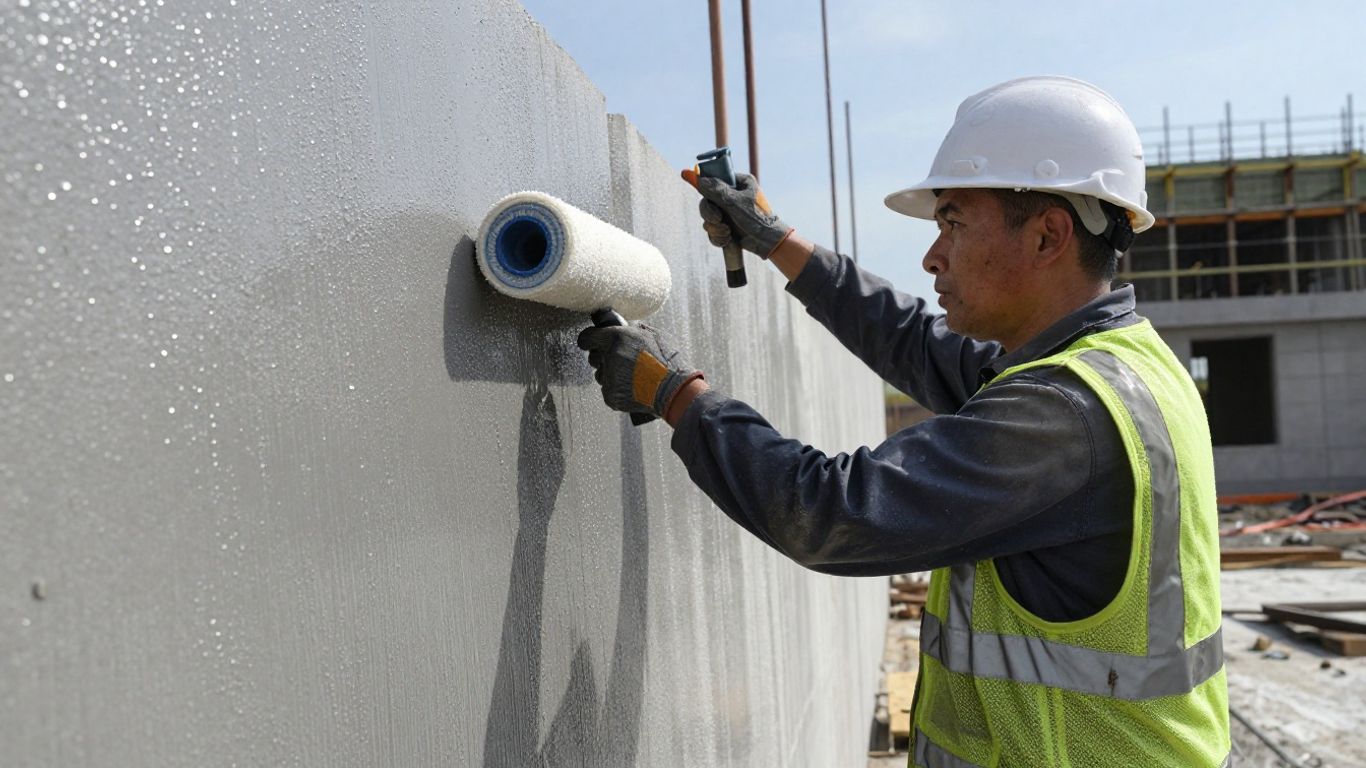
- Membrane Application: Number of coats, thickness, coverage rates, and application method.
- Detailing: How corners, penetrations (like pipes), and junctions are handled – these are often weak spots.
- Lap Joints: Specifying the width of overlaps and the method of sealing for sheet membranes.
Detailing Curing and Protection Periods
Once the waterproofing is applied, it’s not instantly ready for whatever comes next. Membranes need time to cure properly. This means specifying how long they need to dry or cure before they can be walked on, before the next layer of protection is applied, or before tiling or other finishes go on top. It also covers how the newly waterproofed area will be protected from damage during the rest of the construction process. You don’t want someone accidentally dropping tools on your fresh membrane, do you?
- Drying/Curing Times: As specified by the manufacturer for each product.
- Foot Traffic Restrictions: When can people walk on it?
- Protection Measures: How will the membrane be shielded from damage?
- Subsequent Layer Application: When can screeds, tiles, or other finishes be applied?
The sequence of work is critical. Applying a membrane before the substrate is adequately prepared, or covering it before it has cured, will almost certainly lead to failure down the track. Proper sequencing minimises risks and ensures the waterproofing system performs as intended for its service life.
ESTABLISHING QUALITY ASSURANCE AND INSPECTION PROTOCOLS
Making sure the waterproofing is done right from the start is a big deal. It’s not just about slapping on some membrane; it’s about having a solid plan for checking everything along the way. This is where quality assurance and inspection protocols come in. They’re basically your roadmap for making sure the work meets the standards and doesn’t end up causing leaks down the track.
Scheduling Key Stage Inspections
Waterproofing isn’t a one-off job. There are specific points during the installation where checks are absolutely necessary. Missing these can mean problems are hidden until it’s too late to fix them easily. Think of it like building a house – you wouldn’t just pour concrete and hope for the best; you check the formwork, the rebar, and the pour itself.
- Pre-pour inspection: Before any concrete is poured, especially for basements or slabs, the waterproofing membrane needs to be in place and checked for any damage or gaps.
- Before covering inspection: This is a big one. Once the waterproofing is done but before it’s covered up by screed, tiles, or backfill, it needs a thorough inspection. This is your last chance to spot any issues without major demolition.
- Post-installation inspection: After all the finishes are applied, a final check can catch any damage that might have occurred during the tiling or finishing stages.
The timing of these inspections is critical. They need to be scheduled with enough notice for the inspector to attend, but also at a point where the work is ready to be checked and not so far along that it’s already been covered.
Maintaining Detailed Records
Just doing the inspections isn’t enough; you need proof that they happened and what the outcome was. Keeping good records is vital for a few reasons. Firstly, it shows you’ve followed the plan. Secondly, it’s your defence if something goes wrong later on. And thirdly, it helps track the progress and quality of the work.
What should you keep?
- Inspection reports: These should detail what was checked, when, by whom, and the result (pass/fail/conditional pass).
- Photographic evidence: Photos of the work at each inspection stage, especially before and after any remedial work, are incredibly useful.
- Material data sheets: Keep records of the exact products used, including batch numbers if possible.
- Installer qualifications: Proof that the people doing the work are trained and experienced.
Ensuring Traceability of Works
Traceability means you can follow the waterproofing work from the materials used, to the people who installed them, to the inspections that were passed. This creates a clear chain of accountability. If a specific batch of membrane is found to be faulty, you can trace where it was used. If a particular installer made a mistake, you know who it was.
This is often managed through a combination of the detailed records mentioned above and a clear site diary or logbook. It helps build confidence that the waterproofing system has been installed correctly and according to the specifications. It’s about having a clear history of the work, so if questions arise, you have the answers readily available.
IDENTIFYING COMMON WATERPROOFING DEFECTS AND REMEDIAL MEASURES
Even with the best intentions and careful planning, things can go wrong with waterproofing. Spotting these issues early and knowing how to fix them is a big part of keeping a project on track and preventing bigger headaches down the line. It’s not always obvious when a problem starts, but a bit of vigilance goes a long way.
Addressing Typical Failure Points
Waterproofing systems can fail for a bunch of reasons. Sometimes it’s about the materials not being quite right for the job, or maybe the installation wasn’t up to scratch. Other times, it’s the environment throwing a curveball. We often see issues pop up at junctions, penetrations, and changes in substrate. These are the spots where membranes are cut, joined, or stretched, making them more vulnerable.
- Membrane Tears or Punctures: These can happen during installation if tools are dropped, or later due to substrate movement or impact. Even small tears can let water in.
- Poor Adhesion: If the membrane doesn’t bond properly to the substrate, it can lift, creating voids where water can collect and travel.
- Inadequate Lap Joints: Where two pieces of membrane meet, the overlap needs to be sufficient and properly sealed. Gaps or insufficient overlap are common leak points.
- Failed Sealants or Flashings: Around pipes, drains, or window frames, sealants and flashings are critical. If these degrade or aren’t installed correctly, water ingress is almost guaranteed.
- Cracking of Substrate: If the concrete or other substrate cracks, and the waterproofing membrane isn’t flexible enough to bridge it, the crack will transfer through the membrane, creating a pathway for water.
It’s really important to remember that a lot of waterproofing failures aren’t immediately obvious. Water can travel quite a distance behind the membrane before it shows up as a stain or drip, often in a completely different location than the actual breach.
Implementing Proactive Maintenance
Once a building is up and running, a good maintenance plan is your best friend for waterproofing. It’s not just about fixing things when they break; it’s about looking for trouble before it starts. Regular checks can catch minor issues before they become major, costly repairs.
- Scheduled Inspections: Plan to have waterproofing systems checked periodically, especially in high-risk areas like bathrooms, balconies, and roofs. The frequency will depend on the system and exposure, but annually is a good starting point for many.
- Visual Checks: Train building managers or occupants to look for obvious signs of trouble like cracked tiles, efflorescence (white powdery deposits), damp patches, or mould growth.
- Drainage System Maintenance: Keep gutters, downpipes, and roof drains clear of debris. Blocked drains are a major cause of water pooling and subsequent leaks.
- Sealant and Grout Checks: Inspect and maintain sealants around fixtures and tile grout. These are often the first line of defence and can degrade over time.
Recording Rectification Methods
When a defect is found and needs fixing, how you document the repair is just as important as the repair itself. This record becomes part of the building’s history and can be vital if issues reoccur or for future reference.
- Identify the Defect: Clearly describe the problem, its location, and its apparent cause. Photos are a must here.
- Determine the Repair Strategy: Outline the proposed method for fixing the defect. This should include preparing the area, the materials to be used, and the installation process.
- Execute the Repair: Carry out the work according to the agreed method statement.
- Document the Repair: Take detailed photos of the repair process and the finished work. Record the date, who performed the work, and the materials used. This creates a clear trail of what was done.
- Test and Verify: If possible, test the repaired area to confirm the defect has been resolved. This might involve a water test or simply observing the area over time.
Having this information readily available helps demonstrate due diligence and provides a clear history of the building’s maintenance and repair activities.
EMBEDDING SAFETY PRACTICES INTO WATERPROOFING WORKS
When you’re dealing with waterproofing, safety isn’t just a tick-box exercise; it’s a core part of the job. Making sure everyone on site stays safe is just as important as getting the waterproofing right. This means thinking about potential hazards before they become problems and having a clear plan for how to manage them.
Managing High-Risk Activities
Some waterproofing tasks can be a bit more dangerous than others. Think about working at heights, dealing with chemicals, or even just working in tight, enclosed spaces. These are the kinds of things that need extra attention. A Safe Work Method Statement (SWMS) is your best friend here. It breaks down exactly what needs to be done, what could go wrong, and how to stop it from going wrong. It’s not just for the main contractor; everyone involved, including subcontractors, needs to know what’s in it and follow it.
Here’s a quick rundown of what an SWMS for high-risk waterproofing might cover:
- The specific task: What exactly are we doing? (e.g., applying a liquid membrane on a roof).
- The dangers: What could cause harm? (e.g., falling off the roof, chemical burns from the membrane, slips on wet surfaces).
- How to stay safe: What steps will we take? (e.g., using edge protection, wearing gloves and eye protection, ensuring good ventilation, having a first-aid kit ready).
- Who’s responsible: Who’s making sure these safety steps are followed?
Providing Site-Specific Inductions
Everyone who steps onto the worksite needs to know the safety rules. A general ‘white card’ is the minimum, but it doesn’t cover everything specific to your project. A site-specific induction is where you go over the particular risks of this job. This is where you talk about things like where the first-aid station is, emergency procedures, and any specific hazards related to the waterproofing work being done. It’s a good way to make sure everyone, including new workers or subcontractors, is up to speed and doesn’t get complacent about safety.
Documenting Risk Control Measures
It’s not enough to just have safety measures; you need to show that you’re actually using them. This means keeping records. When you identify a risk and decide on a way to control it, write it down. This could be in your SWMS, your site diary, or a separate safety log. If something does go wrong, having this documentation can be really important. It shows you did your homework and took reasonable steps to prevent accidents. This is especially true for things like:
- Working at Heights: Records of harness checks, scaffolding inspections, and guardrail installations.
- Chemical Handling: Documentation of Safety Data Sheets (SDS), appropriate PPE, and spill containment procedures.
- Confined Spaces: Permits to enter, atmospheric monitoring records, and rescue plans.
Keeping good records of safety measures isn’t just about avoiding trouble; it’s about building a culture where safety is taken seriously by everyone, every day. It shows a commitment to looking after your team and subcontractors.
COORDINATING COMMUNICATION WITH RELEVANT PARTIES
Ensuring Certifier Engagement
Getting the certifier involved early and keeping them in the loop is pretty important. They’re the ones who sign off on whether the waterproofing work meets the building code, so you don’t want any surprises for them later on. Make sure they know when key stages of the waterproofing are happening – like before the membrane goes down and definitely before any finishes are applied over the top. Providing them with the method statement and any product data sheets well in advance helps them understand what’s planned. Clear communication here stops headaches down the track.
Coordinating Trades and Subcontractors
Waterproofing often sits between different trades. The plumber might need to finish their work before the waterproofing starts, and the tiler or builder needs to know when they can come in afterwards. It’s about making sure everyone knows the sequence and their part in it. A simple site meeting or a quick call can sort out any timing clashes. You don’t want the tiler starting on a wet membrane, do you? Keeping everyone informed about the waterproofing schedule prevents delays and rework.
Maintaining Transparent Reporting
Keeping records of what’s happening is key. This means documenting any inspections, any issues that pop up, and how they were fixed. If there are any changes to the original plan, make sure those are recorded and communicated. This transparency helps if questions arise later about the work. It’s like keeping a diary for the waterproofing – it shows the whole story.
- Regular Updates: Schedule brief, regular check-ins with site supervisors and relevant trades.
- RFI Management: Have a clear process for handling and responding to Requests for Information (RFIs) related to waterproofing.
- Site Diaries: Ensure waterproofing progress and any site-specific conditions are noted in the general site diary.
A well-documented communication trail is your best defence against disputes. It shows due diligence and a commitment to quality throughout the project lifecycle.
PREPARING DOCUMENTATION AND EVIDENCE FOR DISPUTE RESOLUTION
When things go pear-shaped on a building site, especially with something as tricky as waterproofing, having your ducks in a row with documentation is absolutely key. It’s not just about having a method statement; it’s about having the proof that backs it up if a disagreement pops up. This is where you gather all the bits and pieces that tell the story of the waterproofing work, making sure it’s clear, accurate, and ready if you need it later on.
Collating Essential Records
Think of this as building your case file. You need to collect everything related to the waterproofing aspect of the project. This isn’t just a quick grab of a few papers; it’s a thorough process.
- The original waterproofing method statement: This is your starting point, outlining the planned approach.
- All manufacturer specifications and data sheets: These detail exactly how the products should be used and what their limitations are.
- Site diaries and daily logs: These should record weather conditions, work progress, any issues encountered, and how they were resolved.
- Photographic and video evidence: Documenting the substrate preparation, application stages, and final finish is vital. Before, during, and after shots are best.
- Material delivery dockets and batch numbers: This helps trace the exact products used.
- Inspection and testing records: Any sign-offs from site supervisors, independent inspectors, or specific tests performed (like flood tests).
- Correspondence: Emails, letters, or meeting minutes where waterproofing details, changes, or issues were discussed.
Having a complete set of these records can make a significant difference if a dispute arises. It shows a clear, documented history of the work performed.
Engaging Expert Witnesses
Sometimes, a disagreement gets too technical for the parties involved to sort out. That’s when you might need an expert witness. These are independent professionals who have specialised knowledge in waterproofing and building science. Their job is to provide an objective opinion on the work done, the cause of any problems, and what needs to be done to fix it. They don’t work for you, even though you pay them; their duty is to the court or tribunal to provide impartial advice.
- When to engage: Usually, this happens when negotiations stall, a major defect is discovered, you receive a formal notice, or an insurance claim is denied.
- What they do: They’ll inspect the site, review all your documentation, analyse the cause of failure, and prepare a formal report.
- Finding one: The best way is often through a solicitor who specialises in building and construction law. They’ll know who is credible and respected by the courts.
Engaging an expert witness is a significant step. It means the dispute has escalated beyond a simple disagreement and requires formal, technical evidence to move forward. Their independent assessment provides clarity and weight to your position.
Supporting Insurance Claims
If you’re dealing with an insurance claim related to waterproofing failure, your documentation is your primary tool. Insurers often rely on their own assessments, and a well-prepared case with supporting evidence is your best chance of a fair outcome.
- Formal denial: Make sure you have the insurer’s decision in writing, with reasons.
- Independent assessment: Provide your expert’s report to the insurer.
- Policy details: Ensure all relevant policy documents are readily available.
By meticulously gathering and presenting your documentation, you create a clear and defensible record of the waterproofing works undertaken. This proactive approach can prevent minor issues from becoming major disputes and provides a solid foundation if resolution becomes necessary.
AVOIDING COMMON PITFALLS IN YOUR METHOD STATEMENT WATERPROOFING
Putting together a waterproofing method statement might seem straightforward, but there are a few common traps that can trip you up. Getting these wrong can lead to headaches down the track, from extra costs to actual leaks. It’s all about being thorough and clear from the get-go.
Preventing Ambiguity and Omissions
One of the biggest issues we see is when the documentation isn’t clear enough. Think about it: if a note on a drawing says ‘waterproof membrane to balcony’ but doesn’t specify the exact type of membrane, the required substrate preparation, or the number of coats, what are the installers supposed to do? This kind of vagueness often leads to requests for information (RFIs) on site, which slows things down and can cause confusion. It’s also easy to accidentally leave something out, like a detail about how to handle junctions or penetrations. A method statement needs to be a step-by-step guide, leaving no room for guesswork.
- Be Specific: Instead of ‘apply membrane’, state ‘apply two coats of [Product Name] liquid-applied membrane, ensuring a minimum dry film thickness of X mm per coat’.
- Detail Junctions: Clearly outline how corners, wall-to-floor junctions, and around penetrations (like pipes) will be treated. This often involves specific detailing or the use of reinforcing fabric.
- Specify Materials: List all materials to be used, including primers, membranes, adhesives, and protective coatings, and reference their relevant Australian Standards.
- Include Tolerances: Mention acceptable tolerances for substrate flatness, moisture content, and ambient conditions during application.
A well-written method statement acts as a single source of truth. It minimises the need for on-site clarification and helps ensure everyone involved is working from the same, accurate information. This reduces the chance of errors and rework.
Keeping Documentation Current
Building codes and product specifications change. What was acceptable last year might not be today. If your method statement references an outdated Australian Standard or a product that’s been superseded, your work might not meet current requirements. It’s important to have a system for checking for updates. This isn’t just about the NCC; manufacturers also update their product data sheets and installation guides. Regularly reviewing and updating your documentation is key.
Reviewing for Technical Accuracy
Sometimes, the people writing the method statement might not have the deepest technical knowledge of waterproofing specifically. They might be great at general project management but miss critical waterproofing details. It’s a good idea to have someone with specific waterproofing experience look over the document before it’s finalised. This could be a specialist waterproofing consultant or an experienced contractor. They can spot potential issues with the proposed system, installation sequence, or material compatibility that others might miss. Technical accuracy is non-negotiable when it comes to preventing water ingress.
- Cross-Reference Standards: Ensure all referenced Australian Standards (e.g., AS 3740 for waterproofing of domestic wet areas) are current and correctly applied.
- Verify Product Suitability: Confirm that the selected waterproofing products are suitable for the specific application, substrate, and environmental conditions.
- Check Curing Times: Ensure that specified curing times for primers, membranes, and subsequent finishes are realistic and account for site conditions.
- Assess Compatibility: Double-check that all components of the waterproofing system are compatible with each other and with any adjacent building materials.
KNOWING WHEN TO SEEK PROFESSIONAL ASSISTANCE
Look, sometimes you just hit a wall. Waterproofing, especially on a building site in Australia, can get pretty complicated, pretty fast. It’s not always a DIY job, and pretending it is can lead to bigger headaches down the track. Knowing when to call in the cavalry is actually a sign of smart project management, not weakness.
Engaging Licensed Waterproofing Contractors
For most waterproofing tasks, especially those involving significant areas or complex junctions, you really want a licensed professional on board. These folks have the training, the right gear, and they know the ins and outs of the Australian Standards and the National Construction Code (NCC). Trying to cut corners here can void warranties and, worse, lead to leaks that cost a fortune to fix later.
- Always check for current licensing and insurance before hiring.
- They understand the specific requirements for different substrates and environmental conditions.
- They can provide a warranty on their workmanship, which is gold.
Consulting with Building Consultants
Sometimes, you’re not sure if the waterproofing is even the right solution, or if there’s a bigger issue at play. That’s where a building consultant comes in. They can look at the whole picture, assess the problem objectively, and advise on the best course of action. They’re not necessarily doing the work themselves, but they’re giving you the expert advice you need to make informed decisions.
Think of them as your technical advisor. They can help you:
- Diagnose the root cause of water ingress.
- Review existing plans and specifications for compliance.
- Oversee the work of contractors to ensure quality.
Utilising Expert Reports for Complex Issues
If things have gone pear-shaped and you’re heading towards a dispute, or if you’ve discovered a major defect that needs a deep dive, you might need an expert report. This isn’t just a casual opinion; it’s a formal document prepared by someone with specialised knowledge. These reports are often used in legal settings to help clarify technical matters.
Engaging an expert witness too late can weaken your position significantly. Their report needs time to be properly prepared and integrated into your case. Conversely, bringing one in unnecessarily early can lead to wasted costs.
When you’re looking at a situation that’s technically complex or involves a significant disagreement about what’s gone wrong and how to fix it, getting an independent expert involved is often the only way to get a clear, unbiased assessment. They can provide the evidence needed to resolve the issue, whether that’s through negotiation or, if necessary, a tribunal.
Sometimes, a job is just too big or tricky to handle on your own. If you’re finding yourself stuck or unsure about the best way to tackle a building or repair task, it’s a good sign to get some expert help. Don’t waste time struggling with a problem that a professional can fix quickly and properly. Reach out to us on our website to see how we can lend a hand with your project.
Wrapping Up Your Waterproofing Method Statement
So, putting together a solid waterproofing method statement for your Australian building project might seem like a lot of work upfront. But honestly, it’s the best way to make sure everything goes smoothly. It helps everyone on site know exactly what needs doing and how. Plus, having it all written down means fewer headaches down the track if questions pop up. Stick to the plan, keep good records, and you’ll be well on your way to a watertight finish that lasts. It’s all about being prepared and clear from the start.
Frequently Asked Questions
What exactly is a waterproofing method statement?
Think of a waterproofing method statement as a detailed plan or a step-by-step guide. It explains exactly how the waterproofing will be done on your building project, who’s doing what, and what materials will be used. It’s like a recipe for making sure your building stays dry and protected from water damage.
Why do I need a method statement for waterproofing in Australia?
In Australia, there are strict rules and standards for building, especially when it comes to waterproofing to prevent issues like mould and structural damage. This statement shows you’ve thought about these rules, like the National Construction Code (NCC), and how you’ll follow them. It also helps everyone involved know their job and keeps the project safe and on track.
What kind of information should I include in my waterproofing plan?
You’ll need to gather details about the building itself – like what it’s made of and where it is. Also, think about the weather and environment around the site, as this can affect the waterproofing. It’s also important to identify any tricky spots or areas that might be more likely to have water problems.
How do I choose the right waterproofing materials?
It’s important to pick materials that work well together and are suitable for the Australian climate and the specific parts of the building you’re waterproofing. Always check the manufacturer’s instructions and make sure the products meet Australian standards. Sometimes, talking to a waterproofing expert can help you make the best choice.
What are the most common waterproofing mistakes to avoid?
People often make mistakes by not preparing the surfaces properly before applying the waterproofing, or by not letting the materials cure for long enough. Another common issue is not having clear instructions, which can lead to confusion. It’s also crucial to make sure you’re using the right products for the job and following the steps correctly.
Who needs to be involved in creating and approving the waterproofing method statement?
Usually, the waterproofing contractor or the builder will prepare the statement. It needs to be checked and approved by the project certifier or building surveyor to make sure it meets all the building codes and standards. Communication is key, so keeping everyone – including other trades on site – in the loop is important.
What happens if the waterproofing fails later on?
If waterproofing fails, it can cause leaks and damage. Your method statement should include plans for checking the work and how to fix any problems that pop up. Having good records of the installation process can also be really helpful if you ever need to make an insurance claim or resolve a dispute.
When should I get professional help for waterproofing?
If you’re unsure about the best waterproofing system, the regulations, or if you have a complex building design, it’s always a good idea to get professional advice. Hiring a licensed waterproofing contractor or a building consultant can save you a lot of headaches and potential problems down the track.