
Dealing with building issues can be a real headache, especially when it comes to waterproofing. For Aussie builders, getting the details right on waterproofing, particularly with products like Grace, is super important to avoid future dramas. This guide looks at how to nail those tricky waterproofing details and what happens when things go wrong, often involving expert witnesses and detailed reports.
Key Takeaways
- Properly installed grace waterproofing details are vital for preventing water damage in Australian homes and buildings. Getting it wrong can lead to costly repairs and disputes.
- When waterproofing fails, expert witnesses play a big role. They assess defects against Australian Standards and provide objective reports, often used in legal claims.
- Specific areas like balcony membranes, upstand heights at wall cavities, and around penetrations are critical grace waterproofing details that need careful inspection.
- An expert witness report for waterproofing issues should clearly document defects, link them to Australian Standards, and often includes a Scott Schedule to itemise rectification costs.
- Choosing a credible waterproofing expert witness means looking for hands-on experience, up-to-date knowledge of building codes, and the ability to present findings clearly for legal proceedings.
UNDERSTANDING GRACE WATERPROOFING DETAILS IN AUSTRALIAN CONSTRUCTION
THE IMPORTANCE OF CORRECT WATERPROOFING INSTALLATION
Getting waterproofing right from the start is a big deal in Australian building. It’s not just about keeping water out; it’s about protecting the whole structure from damage that can cost a fortune to fix down the track. Think about our climate – we get everything from heavy downpours to long dry spells, and buildings need to handle it all. Proper installation means the difference between a building that lasts and one that starts falling apart after a few years.
COMMON WATERPROOFING FAILURES AND THEIR CONSEQUENCES
We see a few common slip-ups when it comes to waterproofing. Often, it’s about membranes not being installed correctly, especially around edges and penetrations. Sometimes, the wrong materials are used for the job, or they’re just not applied properly. These mistakes can lead to:
- Water ingress into wall cavities and subfloors.
- Damage to internal finishes like plasterboard and paint.
- The growth of mould and mildew, which is bad for health.
- Corrosion of metal components within the building structure.
- Costly repairs that often involve ripping out finishes.
AUSTRALIAN STANDARDS GOVERNING EXTERNAL WATERPROOFING
Australia has specific rules for waterproofing, and builders need to know them. The National Construction Code (NCC) sets out the basics, but the real detail is in the Australian Standards. For external waterproofing, AS 4654.2 is a key one. It covers things like:
- The types of membranes suitable for different applications.
- How membranes should be installed, including laps and detailing.
- The required height for upstands against walls.
- How to seal around drains and other openings.
Ignoring these standards isn’t just bad practice; it can lead to legal issues if something goes wrong. It’s all about making sure buildings are safe and durable for the people who use them.
EXPERT WITNESSES AND WATERPROOFING DISPUTES
When things go wrong with waterproofing, and a dispute arises, getting an expert involved is often the next step. It’s not just about having someone agree that a problem exists; it’s about having an independent specialist provide a clear, evidence-based opinion. This is particularly important in Australia, where building codes and standards are quite specific.
THE ROLE OF AN EXPERT IN WATERPROOFING CLAIMS
An expert witness in a waterproofing dispute acts as an impartial advisor. Their main job is to look at the technical details of the problem and explain them in a way that’s understandable, whether that’s to a homeowner, a builder, or even a tribunal. They aren’t there to take sides. Their primary duty is to the court or tribunal, providing an objective assessment based on facts and industry standards. They help to cut through the arguments and get to the heart of what actually happened and why.
- Inspection and Analysis: They conduct thorough site inspections, often using specialised tools like moisture meters or thermal imaging cameras to find the source of leaks or defects.
- Report Generation: They compile all their findings into a detailed report, which includes photographic evidence, measurements, and their professional opinion on the cause and extent of the problem.
- Testimony: If the dispute goes to a hearing, the expert may be required to give evidence and answer questions about their report.
In building disputes, especially those involving waterproofing, subjective feelings like ‘it just doesn’t look right’ aren’t enough. An expert’s role is to replace that with objective proof, measured against the National Construction Code and relevant Australian Standards.
ASSESSING WATERPROOFING DEFECTS AGAINST INDUSTRY STANDARDS
Once an expert has identified a waterproofing issue, the next step is to compare the actual work against what the rules say it should be. In Australia, this means looking at the National Construction Code (NCC) and specific Australian Standards, like AS 4654.2 for external waterproofing. The expert will check things like:
- Membrane Integrity: Was the waterproofing membrane installed correctly, without tears or gaps?
- Upstand Heights: Did the membrane extend high enough up walls or around openings to prevent water ingress?
- Flashing and Sealing: Were junctions, penetrations (like pipes), and drainage points properly sealed?
The expert’s report will clearly state whether the installation meets, or fails to meet, these required standards. This comparison is vital for determining liability and the scope of any necessary rectification work.
DOCUMENTING WATERPROOFING ISSUES FOR LEGAL PROCEEDINGS
Proper documentation is key when a waterproofing issue becomes a legal matter. An expert witness report is the cornerstone of this documentation. It needs to be clear, factual, and well-supported by evidence. This often involves:
- Photographic Evidence: Clear photos showing the defects, often with measurements or scale.
- Diagrams and Plans: Illustrating how the waterproofing should have been installed versus how it was.
- Test Results: Any data from moisture meters or other testing equipment.
- Reference to Standards: Explicitly linking observed defects to breaches of specific clauses in the NCC or Australian Standards.
This detailed record provides a solid basis for any claim or defence, helping to resolve disputes more efficiently and fairly.
KEY GRACE WATERPROOFING DETAILS TO INSPECT
When you’re looking at waterproofing, especially with Grace products, there are a few spots that just demand a closer look. It’s not about being difficult; it’s about catching potential problems before they turn into big headaches. Think of it like checking the foundations of a house – you want to be sure everything is solid.
BALCONY AND DECK WATERPROOFING MEMBRANE INTEGRITY
This is probably the most common area where things go wrong. The membrane is the main barrier keeping water out. You need to check that it’s continuous, without any tears, punctures, or gaps. A compromised membrane means water can get straight through to the substrate. This can lead to rot, mould, and structural damage down the track. We’re talking about looking for any signs of lifting, bubbling, or areas where the membrane might have been damaged during tiling or other work.
PROPER MEMBRANE UPSTAND HEIGHTS AT WALL CAVITIES
This is a detail that often gets overlooked, but it’s super important. The waterproofing membrane needs to extend up the wall cavity by a certain height. This creates a sort of ‘tray’ effect, stopping water from running down the face of the wall and into the building. If the upstand isn’t high enough, water can easily bypass the membrane and cause damage inside. The Australian Standards are pretty clear on these heights, and it’s something an inspector will be checking against.
SEALING AROUND PENETRATIONS AND DRAINAGE OUTLETS
Anywhere a pipe or a drain goes through the waterproofing layer is a potential weak spot. These areas need to be sealed meticulously. Think about shower drains, waste pipes, or even the fixings for balustrades. If these seals aren’t done right, water will find its way in. It’s about making sure the membrane is properly integrated with these fittings, often using specific detailing products designed for these junctions. It’s the small details here that make a big difference in the long run.
The integrity of the waterproofing system relies heavily on the correct installation of detailing around penetrations and upstands. These are not areas to rush or cut corners on.
Here’s a quick checklist for these critical areas:
- Membrane Continuity: Is the membrane laid without any visible damage?
- Upstand Height: Does the membrane extend sufficiently up the wall cavity?
- Sealant Quality: Are all penetrations and drainage points properly sealed and integrated?
- Adhesion: Is the membrane well-adhered to the substrate and detailing components?
- Drainage Function: Do drainage outlets allow for free water flow without pooling on the membrane?
THE EXPERT WITNESS REPORT FOR WATERPROOFING FAILURES
ANATOMY OF A COMPREHENSIVE WATERPROOFING REPORT
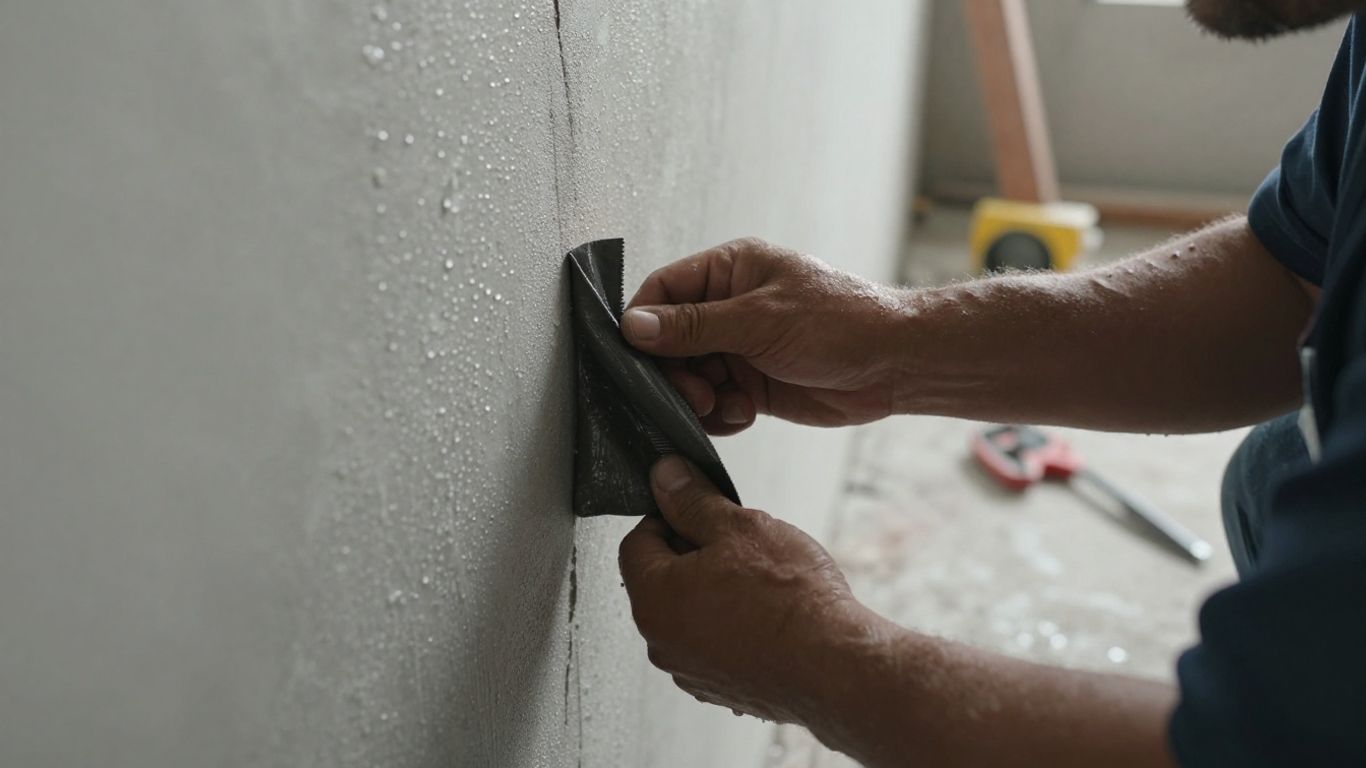
A waterproofing expert witness report is more than just a list of problems; it’s a detailed account of what went wrong, why it happened, and what needs to be done about it. Think of it as the definitive story of the waterproofing issues on a project. It needs to be clear, logical, and backed by solid evidence so that anyone reading it – whether it’s a builder, a homeowner, or a legal professional – can understand the situation without needing to be a waterproofing specialist themselves.
Here’s what you’d typically find in a good report:
- Introduction and Scope: This section sets the scene, outlining who commissioned the report, the property in question, and the specific areas or issues the expert was asked to look at. It defines the boundaries of the investigation.
- Methodology: How did the expert go about their assessment? This might include visual inspections, using moisture meters, thermal imaging, or even destructive testing (with permission, of course) to get to the bottom of things. It shows the rigour of the investigation.
- Findings: This is the core of the report. It details all the defects observed. For waterproofing, this could be anything from membrane tears, inadequate lap joints, incorrect falls to drains, or insufficient upstand heights at walls and penetrations. Each finding needs to be described clearly and precisely.
- Analysis and Causation: It’s not enough to just list defects. The expert needs to explain why they occurred. Was it poor workmanship, faulty materials, incorrect design, or a combination of factors? This section links the observed problems to their root causes.
- Photographic and Documentary Evidence: A picture really is worth a thousand words, especially in construction disputes. The report will include clear, well-captioned photographs and potentially diagrams illustrating the defects. Any relevant documents, like plans or manufacturer instructions, will also be referenced.
- Conclusions and Recommendations: Based on the findings and analysis, the expert draws conclusions about the extent of the failures and their impact. They will then provide recommendations for rectification, often outlining the scope of works required to fix the problems properly.
A well-structured report acts as a neutral, objective assessment. It cuts through the emotion and conflicting opinions that often surround building disputes, presenting a clear, evidence-based picture of the situation. This clarity is what helps parties move towards a resolution.
EVIDENCE-BASED DOCUMENTATION OF DEFECTS
When it comes to waterproofing failures, the documentation needs to be thorough. It’s not just about saying something is wrong; it’s about proving it with facts and figures. This means going beyond a simple visual check.
- Moisture Readings: Using a moisture meter to record specific readings in affected and unaffected areas provides quantitative data. This helps demonstrate the extent of water ingress.
- Photographic Evidence: Photos should be high-resolution, well-lit, and clearly show the defect. Captions should identify the location, the defect, and the date. Close-ups are important, but so are wider shots showing the context.
- Thermal Imaging: This can reveal hidden moisture or temperature differences that indicate water pathways, even when they aren’t visible to the naked eye.
- Material Samples: In some cases, taking samples of the waterproofing membrane or substrate for laboratory testing can confirm material defects or improper installation.
- Measurements: Recording specific measurements, such as the height of a membrane upstand against a wall or the slope of a floor, provides objective evidence against the requirements of Australian Standards.
LINKING FAILURES TO AUSTRALIAN STANDARDS AND CODES
This is where the report gains its legal weight. An expert witness doesn’t just state that a waterproofing job is bad; they demonstrate how it fails to meet the established rules. This involves referencing specific clauses from relevant documents.
- National Construction Code (NCC): The NCC sets out the minimum requirements for building performance, including waterproofing in wet areas and external applications.
- Australian Standards: Standards like AS 4654.2 (Waterproofing of wet areas in buildings – External areas) and AS 3740 (Waterproofing of wet areas within residential buildings) provide detailed technical specifications for materials, design, and installation.
For example, a report might state that a balcony waterproofing membrane upstand was only 50mm high, directly contravening AS 4654.2, which requires a minimum of 100mm. This clear link between the observed defect and the specific requirement of a governing standard is what makes the expert’s opinion so persuasive. It moves the discussion from subjective opinion to objective fact, based on industry-accepted benchmarks.
GRACE WATERPROOFING DETAILS: CASE STUDIES
SYDNEY APARTMENT BALCONY WATERPROOFING FAILURE
We’ve all heard the stories, right? A shiny new apartment, a balcony that looks great, and then, bam – water starts showing up where it shouldn’t. This happened in Sydney, with a homeowner noticing water damage around their balcony door. The builder was quick to point fingers, blaming everything from window cleaners to unusual weather. It got to the point where the owner had to bring in an expert witness.
Using tools like moisture meters and thermal imaging, the expert found the problem wasn’t just a small leak. The waterproofing membrane under the balcony tiles wasn’t installed correctly. Specifically, it didn’t extend high enough up the wall cavity. This created a direct path for water to get inside the building. This kind of oversight is a clear breach of Australian Standard AS 4654.2, which sets out the rules for external waterproofing. The expert’s report, complete with photos and diagrams, made the issue undeniable. Faced with this evidence, the builder couldn’t argue anymore. The case went to tribunal, and the builder was ordered to fix the waterproofing properly.
REGIONAL NEW SOUTH WALES WATERPROOFING COMPLIANCE
Down in regional NSW, a different kind of issue popped up. A couple undertaking a renovation found themselves unhappy with the quality of work. Tiles weren’t straight, plastering was messy, and the floors just didn’t feel level. The builder’s defence? That the work was within ‘acceptable tolerances’. This is where an expert witness really earns their keep. They can take the subjective feeling of ‘something’s not right’ and turn it into objective proof. By measuring against the National Construction Code’s standards for quality and finish, an expert can clearly show whether the work meets the required benchmarks or not. This objective assessment is key in resolving disputes where one party feels the workmanship is simply subpar.
CENTRAL COAST RENOVATION WATERPROOFING ISSUES
On the Central Coast, a renovation project turned into a homeowner’s nightmare. Water ingress became a major concern, leading to significant damage within the property. The builder’s attempts to rectify the situation were unsuccessful, and the dispute escalated. An expert witness was brought in to assess the waterproofing system. The investigation revealed that the membrane had not been properly integrated with the building’s structure, particularly around junctions and penetrations. This allowed water to bypass the intended barrier. The expert’s report detailed the specific failures, referencing the relevant Australian Standards and the National Construction Code. This clear, evidence-based documentation was instrumental in establishing the builder’s liability and guiding the path towards a resolution, ensuring the necessary remedial works were undertaken to a compliant standard.
QUALITIES OF A CREDIBLE WATERPROOFING EXPERT WITNESS
HANDS-ON EXPERIENCE IN WATERPROOFING APPLICATIONS
When you’re looking for someone to give an expert opinion on waterproofing, you want someone who’s actually done the work. It’s not enough to just read about it or have a general building background. A good waterproofing expert witness will have spent years on the tools, installing membranes, dealing with tricky junctions, and seeing firsthand what happens when things go wrong. This practical background gives them an edge; they can spot issues that someone who’s only ever looked at plans might miss. They understand the nuances of different products, the challenges of site conditions, and the real-world implications of shortcuts.
UP-TO-DATE KNOWLEDGE OF CODES AND STANDARDS
Building codes and Australian Standards are always changing. What was acceptable five or ten years ago might not cut it today. A credible expert witness needs to be on top of all the latest requirements, especially those related to waterproofing, like AS 4654.2 for external waterproofing. This means they’re regularly updating their knowledge, attending seminars, and reading the latest publications. Their opinions must be based on current regulations, not outdated practices. It’s about knowing the exact specifications for membrane upstands, correct drainage, and substrate preparation, and being able to reference the specific clauses in the relevant standards.
LEGAL ACUMEN AND REPORTING PROFICIENCY
An expert witness isn’t just a technical advisor; they’re a key part of the legal process. They need to understand how to present their findings in a way that’s clear, logical, and persuasive for a court or tribunal. This involves writing detailed, evidence-based reports that clearly outline defects, their causes, and the relevant standards that have been breached. They also need to be prepared to defend their findings under cross-examination, explaining complex technical issues in plain English without getting flustered. It’s a skill that comes from experience in legal settings, understanding the rules of evidence, and maintaining an objective stance throughout the proceedings.
Here’s a quick look at what makes an expert’s report stand out:
- Clarity: Easy-to-understand language, avoiding unnecessary jargon.
- Evidence: Strong reliance on photos, measurements, and test results.
- Compliance: Direct links made to specific Australian Standards and the NCC.
- Objectivity: An unbiased assessment, even if it’s not what the client wants to hear.
The primary duty of an expert witness is to the court or tribunal, not to the party who engaged them. This means providing honest, impartial opinions based on their specialised knowledge and the evidence available.
THE SCOTT SCHEDULE IN WATERPROOFING DISPUTES
ITEMISING WATERPROOFING DEFECTS AND RECTIFICATION COSTS
When waterproofing issues pop up, especially on a building site, things can get messy. You’ve got the expert’s report laying out exactly what’s wrong, but then what? That’s where the Scott Schedule comes in. It’s basically a detailed ledger that lists every single problem identified and what needs to be done about it. Think of it as the ultimate checklist for sorting out a dispute. It takes all the findings from an expert witness report and organises them into a clear, itemised format. This makes it much easier for everyone involved – the builder, the owner, and any legal folks – to see exactly where the disagreements lie and what needs fixing.
USING THE SCOTT SCHEDULE IN TRIBUNAL CLAIMS
In Australia, tribunals like NCAT often use the Scott Schedule to get a handle on building disputes. It’s a pretty straightforward document, usually a table, where each party lists their position on each defect. You’ll see columns for the defect description, the expert’s findings, the proposed rectification, and the costs associated with that fix. It forces everyone to respond directly to each point, which really helps to narrow down the issues. This structured approach stops arguments from going in circles and helps the tribunal focus on the actual problems that need solving.
ESTABLISHING THE BASIS FOR BUILDER RECTIFICATION ORDERS
The Scott Schedule is more than just a list; it’s the foundation for getting things fixed. By clearly outlining each defect and linking it back to the expert’s findings and relevant Australian Standards, it provides a solid, evidence-based argument. This makes it much harder for a builder to dispute the necessity of repairs. When a tribunal sees a well-prepared Scott Schedule, backed by a thorough expert report, it provides a clear basis for issuing rectification orders. It essentially lays out the roadmap for what needs to be done, by whom, and why, making the resolution process more efficient and fair.
ENSURING COMPLIANCE WITH WATERPROOFING REGULATIONS
Getting waterproofing right in Australian construction isn’t just about following a few steps; it’s about sticking to a whole set of rules and standards. Builders need to be across these to avoid problems down the track. It’s not always straightforward, and sometimes it feels like you need a law degree just to understand it all.
Navigating the National Construction Code (NCC)
The National Construction Code (NCC), formerly the Building Code of Australia (BCA), is the big one. It sets out the minimum requirements for building work across the country. For waterproofing, this means looking at Volume One for Class 2 to 9 buildings and Volume Two for Class 1 and 10 buildings (like houses and sheds). The NCC references Australian Standards, which are the detailed technical documents you actually follow on-site. So, while the NCC tells you what needs to be achieved, the referenced Standards explain how to do it properly. It’s a layered approach, and missing a layer can lead to trouble.
Adherence to Australian Standards for Wet Areas
When we talk about wet areas – think bathrooms, laundries, kitchens, and balconies – Australian Standards are your best mate. The most commonly referenced ones include:
- AS 3740:2021 – Waterproofing of domestic wet areas. This is the go-to for houses and apartments.
- AS 4654.1:2012 and AS 4654.2:2012 – Waterproofing Systems for Concrete Structures. These are for more complex structures like balconies, podium decks, and retaining walls.
These Standards cover everything from the types of membranes you can use, how they should be installed, minimum upstand heights (how high the membrane needs to go up the walls), how to deal with corners and junctions, and what kind of falls are needed for drainage. Ignoring these Standards is a common reason for waterproofing failures.
The Importance of Professional Installation Practices
Even with the best materials and the clearest Standards, it all falls apart if the installation isn’t done by someone who knows their stuff. This means:
- Qualified Tradespeople: Using waterproofers who are trained and experienced in applying the specific membrane systems being used.
- Site Supervision: Having competent supervisors on-site to check that the work is being done correctly at each stage.
- Quality Control: Implementing checks and balances throughout the installation process, not just at the end.
The reality is that waterproofing is often seen as a ‘hidden’ trade. It’s done behind tiles or finishes, so it’s easy for shortcuts to be taken. However, the consequences of poor installation are anything but hidden, often leading to significant water damage and costly repairs later on.
Getting these details right from the start saves a lot of headaches, and more importantly, a lot of money, down the line. It’s about building it right the first time.
STRATEGIC CONSIDERATIONS FOR WATERPROOFING CLAIMS
When you’re facing a waterproofing dispute, how you approach it can make a big difference. It’s not just about pointing fingers; it’s about building a solid case based on facts and standards. Thinking strategically from the start helps sort things out more smoothly.
SELECTING THE APPROPRIATE EXPERT WITNESS
Choosing the right expert witness is a really important step. You want someone who knows their stuff inside and out when it comes to waterproofing and building in Australia. This isn’t just about having a certificate; it’s about practical, hands-on experience. They need to understand the specific Grace products used, how they’re meant to be installed, and, crucially, how they perform in our local climate and building styles. An expert who has actually worked on sites, installing membranes and dealing with tricky details, will have a much better grasp of what went wrong than someone who’s only ever read about it. Their ability to translate complex technical issues into clear, understandable language for a tribunal or court is paramount.
UNDERSTANDING THE EXPERT'S ROLE IN RESOLUTION
An expert witness isn’t there to take sides; their job is to provide an objective assessment. They look at the evidence – the site conditions, the installation methods, the product specifications, and the relevant Australian Standards – and form an opinion based on that. This impartial view is what gives their report weight. Sometimes, a well-reasoned expert report can be enough to encourage the parties to reach an agreement without a lengthy legal battle. It clarifies the issues and points towards a fair solution, often saving everyone time and money.
The goal of an expert witness is to shed light on the technical aspects of a dispute, providing a clear, evidence-based opinion that helps all parties understand the situation and move towards a resolution. Their independence is key to this process.
THE VALUE OF OBJECTIVE, EVIDENCE-BASED REPORTS
What really counts in a waterproofing claim is solid proof. A report that’s just a collection of complaints won’t get you far. An expert witness report needs to be meticulously detailed, linking specific defects directly to breaches of Australian Standards or the National Construction Code (NCC). This means including:
- Clear photographic evidence of the defects.
- Measurements and site data supporting their findings.
- References to the specific clauses in standards or codes that have been contravened.
- An analysis of the cause and effect of the waterproofing failure.
This kind of evidence-based documentation leaves little room for debate. It provides a factual basis for any rectification work or compensation claims, making the process much more straightforward and fair for everyone involved.
When dealing with waterproofing issues, it’s smart to think ahead. Understanding the key factors that can affect a waterproofing claim can save you a lot of hassle down the track. We’ve put together some important points to consider. Want to learn more about making sure your waterproofing is done right? Visit our website today for expert advice and solutions.
Wrapping Up
So, we’ve gone through the ins and outs of getting waterproofing right on Aussie building sites. It’s not just about slapping on some sealant; it’s about doing it properly, following the rules, and making sure it lasts. We’ve seen how things can go wrong when the details are missed, and how important it is to get it right the first time. For builders, this means paying attention to the small stuff, using the right materials, and sticking to the standards. Doing this saves a lot of headaches down the track, not to mention a lot of money and stress for everyone involved. Keep these points in mind on your next project.
Frequently Asked Questions
What's the big deal with waterproofing in Aussie buildings?
Waterproofing is super important because it stops water from getting into places it shouldn’t, like inside walls or under floors. If it’s not done right, it can cause a lot of damage over time, leading to mould, rot, and big repair bills. It’s all about keeping buildings strong and dry.
What happens if waterproofing goes wrong?
When waterproofing fails, you can get serious problems. Water can seep into the building structure, weakening it and causing timber to rot. You might see mould growing, which is bad for health. It can also damage paint, plaster, and even electrical wiring, leading to costly fixes and making the building unsafe.
Are there rules for waterproofing in Australia?
Yes, definitely! Australia has specific rules and standards, like the National Construction Code (NCC) and Australian Standards (like AS 4654.2 for external waterproofing). These rules tell builders exactly how waterproofing needs to be done to make sure it works properly and lasts.
What does an expert witness do in a building dispute?
An expert witness is like a building detective. They have lots of experience and knowledge about building rules. They look closely at a problem, figure out what went wrong, and write a detailed report explaining it. This report helps courts or tribunals understand the issue and decide what needs to be done.
How do experts check for waterproofing problems?
Experts use a few different methods. They might do visual checks, look at plans, and use special tools like moisture meters to find hidden dampness. Sometimes they use thermal cameras to see temperature differences caused by water. They compare what they find to the official building standards.
What's a Scott Schedule?
A Scott Schedule is a special list used in building disputes. It breaks down all the problems found, describes them, and estimates how much it will cost to fix each one. It helps everyone see exactly what needs to be repaired and how much it’ll set the builder back.
Why is it important for waterproofing experts to have hands-on experience?
Having hands-on experience means the expert knows how things are actually built on a construction site, not just how they’re supposed to be built from a book. They understand the challenges and common mistakes that happen, which helps them spot problems that others might miss and give more practical advice.
Can I just use my regular builder as an expert?
It’s usually not a good idea. While your builder knows how to build, they might not have the specific knowledge of building laws, standards, and how to write a report that can be used in court. An expert witness is independent and trained to provide objective evidence that stands up to scrutiny in legal settings.