
So, you’re building or renovating a bathroom and wondering about all that waterproofing stuff? It’s not the most exciting part, I know, but honestly, it’s super important. Getting the right waterproof membrane bathroom setup means you won’t be dealing with leaks and mould down the track. Think of it as the unsung hero of your bathroom. This guide will walk you through what you need to know, keeping it pretty simple so you can make a good choice without getting bogged down in technicalities.
Key Takeaways
- A waterproof membrane is essential for preventing water damage in bathrooms, protecting against mould and structural issues.
- Different types of membranes exist, including sheet, liquid-applied, and self-adhesive, each suited for specific applications.
- Consider project type, location, material compatibility, durability, ease of installation, and cost when selecting a waterproof membrane for your bathroom.
- Proper surface preparation and careful application techniques are vital for the membrane’s effectiveness and longevity.
- Common mistakes like poor seam protection or rushing installation can lead to premature failure, so always follow manufacturer guidelines.
UNDERSTANDING WATERPROOF MEMBRANES FOR BATHROOMS
DEFINITION AND PURPOSE OF BATHROOM WATERPROOFING
A waterproof membrane is essentially a barrier, a layer of material designed to stop water from getting where it shouldn’t. In bathrooms, this is super important because, let’s face it, bathrooms are wet places. Think about showers, baths, sinks – water is everywhere. Without a good membrane, that water can seep into walls, floors, and even the structure of your house. This can lead to all sorts of problems down the track, like mould growth, timber rot, and even damage to the building’s core. The main goal is to keep moisture contained within the wet areas and prevent it from causing damage elsewhere. It’s about protecting your investment and keeping your home healthy.
KEY BENEFITS IN BATHROOM CONSTRUCTION
Using a proper waterproof membrane in your bathroom build or renovation offers a heap of advantages. Firstly, it’s your primary defence against water damage. This means no more worrying about leaks that could cost a fortune to fix later. It also helps prevent mould and mildew, which are not only unsightly but also bad for your health. A well-waterproofed bathroom contributes to the overall longevity of your home, keeping the structure sound for years to come. Plus, it can actually add value to your property because buyers know they’re getting a well-built, durable space. It’s a bit like putting a good quality raincoat on your house – it keeps the bad stuff out.
TYPES OF WATERPROOF MEMBRANES AVAILABLE
There’s a bit of a variety when it comes to waterproof membranes, and the best choice often depends on the specific job. You’ve got sheet membranes, which are like big rolls of tough material you lay down and seal at the seams. These are often made from things like polyethylene or rubber. Then there are liquid-applied membranes, which you paint or roll on. They dry to form a solid, seamless barrier, and come in different types like polyurethane or cementitious coatings. Finally, there are self-adhesive membranes, which are pretty straightforward – you peel off the backing and stick them down. They’re often good for quick jobs or smaller areas.
| Membrane Type | Common Materials | Application Method |
|---|---|---|
| Sheet Membranes | Polyethylene, Rubber, PVC | Laid out, seams sealed |
| Liquid-Applied | Polyurethane, Cementitious, Acrylic | Painted, rolled, or sprayed on |
| Self-Adhesive | Rubberised Asphalt, Modified Bitumen | Peel-and-stick |
Choosing the right type of membrane is key. It’s not a one-size-fits-all situation. You need to think about where it’s going, how much water it will face, and what other materials it needs to stick to. Getting this wrong can lead to problems down the line, so it’s worth doing a bit of homework or talking to someone who knows their stuff.
CHOOSING THE RIGHT WATERPROOF MEMBRANE FOR YOUR BATHROOM
Picking the right waterproof membrane for your bathroom isn’t just about stopping leaks; it’s about protecting your home’s structure for years to come. Think of it as the unsung hero behind your tiles, working hard to keep moisture where it belongs – down the drain, not in your walls or floors. With so many options out there, it can feel a bit overwhelming, but breaking it down makes it much simpler.
PROJECT TYPE AND LOCATION CONSIDERATIONS
First off, where exactly is this membrane going? A shower stall has different needs than a whole bathroom floor or a balcony. For showers and steam rooms, you’ll want something that can handle constant wetness and high humidity. Polyethylene membranes, often installed with a mortar bed, are a solid choice here. They create a really robust barrier. If you’re looking at areas that might get a bit of sun or experience temperature swings, like a balcony, you’ll need a membrane that’s flexible and can handle that movement without cracking. Liquid-applied membranes, like polyurethanes, are great for this because they form a seamless, adaptable layer. It’s all about matching the membrane’s strengths to the specific environment it’ll be living in.
MATERIAL COMPATIBILITY AND DURABILITY
Next up, let’s talk about what the membrane needs to stick to and how long it needs to last. You’ve got to make sure the membrane you choose plays nicely with the substrate – that’s the surface underneath, like concrete or cement board. If they don’t get along, you’ll have adhesion problems, and that’s a recipe for disaster down the track. Durability is also a big one. Are you expecting heavy foot traffic? Is it a high-use family bathroom? For areas that will see a lot of action, you’ll want a membrane that’s tough and can withstand wear and tear. Some membranes are designed for longevity, offering peace of mind that you won’t be redoing this job anytime soon.
EASE OF INSTALLATION AND COST FACTORS
Let’s be honest, some waterproofing systems are trickier to install than others. If you’re a DIYer or have a team with limited experience, a self-adhesive membrane might be your best bet. They’re basically peel-and-stick, which makes things a lot quicker and less complicated. On the flip side, liquid-applied membranes, while potentially more labour-intensive, can offer a superior, seamless finish, especially on irregular surfaces. Cost is always a factor, of course. While it might be tempting to go for the cheapest option, remember that a cheap membrane that fails will cost you a lot more in repairs later. It’s usually worth investing a bit more upfront for a quality product that’s suited to your specific needs and installed correctly. Think long-term value, not just the initial price tag.
The biggest reason waterproofing fails isn’t usually the product itself, but how it’s put on. Rushing the job, not covering corners properly, or applying it too thinly can all lead to problems down the line. Always follow the manufacturer’s instructions to the letter.
Here’s a quick rundown of common membrane types and their typical uses:
- Polyethylene Membranes: Great for showers, steam rooms, and kitchens. Often installed with mortar.
- Liquid-Applied Membranes (Polyurethane, Cementitious): Versatile, good for irregular surfaces, balconies, and internal wet areas.
- Self-Adhesive Membranes: Easy and fast to install, ideal for smaller areas or when time is tight.
TYPES OF WATERPROOF MEMBRANES FOR WET AREAS
When you’re dealing with bathrooms, showers, or even kitchens, keeping water where it belongs is pretty important. You don’t want leaks causing headaches down the track. Luckily, there are a few different types of waterproof membranes designed specifically for these damp spots.
POLYETHYLENE MEMBRANES FOR SHOWERS AND STEAM ROOMS
These are a popular choice for areas that get a lot of moisture, like shower stalls and steam rooms. Polyethylene membranes are tough and do a solid job of stopping water from getting through. They’re usually put in place using a mortar application, which helps them stick really well to the surface underneath. This method creates a strong barrier that can handle the constant dampness you find in these spaces. Think of them as a reliable shield against water damage.
LIQUID-APPLIED MEMBRANES: POLYURETHANE AND CEMENTITIOUS COATINGS
Liquid-applied membranes are like a paint-on waterproofing solution. You’ve got a couple of main types here:
- Polyurethane Coatings: These are great because they dry to form a single, continuous layer with no seams. This makes them really good for areas that might shift a bit or experience temperature changes. They’re flexible and can cover all sorts of odd shapes.
- Cementitious Coatings: These are often used inside bathrooms and kitchens. They’re made from cement and are pretty straightforward to apply. They bond well to concrete and other similar surfaces, making them a solid option for things like shower floors or walls.
Applying liquid membranes requires careful attention to detail, especially around corners and where different surfaces meet. Getting a consistent thickness is key to their performance.
SELF-ADHESIVE MEMBRANES FOR RAPID WATERPROOFING
If you’re looking for a quicker way to waterproof, self-adhesive membranes are worth a look. As the name suggests, they come with their own sticky backing. You just peel off the protective layer and stick them down. This means you don’t need any extra glues or special tools for the adhesion part, which can speed things up considerably. They’re quite versatile and can be a good choice for smaller jobs or when you need to get the waterproofing done fast.
APPLICATION AREAS FOR BATHROOM WATERPROOFING
WET AREAS: SHOWERS, BATHROOMS, AND KITCHENS
When we talk about bathrooms, the obvious places needing waterproofing are showers, around the bath, and even the floor. But don’t forget the kitchen sink splashback or the area behind your dishwasher. These spots get a lot of direct water contact. For these high-moisture zones, you want a membrane that’s tough and reliable. Polyethylene sheets, often installed with a mortar bed, are a solid choice here. They create a continuous barrier that stops water from seeping into your walls or subfloor. Think of it as a second skin for your wettest areas.
BALCONIES AND DECKS EXPOSED TO MOISTURE
It’s not just inside the house where water can cause trouble. Balconies and decks are constantly battling the elements – rain, sun, and temperature changes. This means the waterproofing needs to be flexible enough to handle movement from expansion and contraction, while still keeping water out. Liquid-applied membranes or self-adhesive sheets often work well here because they can bridge small cracks and adapt to the surface.
FOUNDATIONS AND BASEMENTS SUSCEPTIBLE TO INFILTRATION
While this article focuses on bathrooms, it’s worth noting that waterproofing extends to other parts of the house. Foundations and basements are prime candidates for water infiltration, especially in areas with high water tables or heavy rainfall. Membranes applied here prevent dampness from creeping into living spaces, which can lead to mould and structural issues. Different types of membranes, like bitumen-based sheets or liquid-applied coatings, are used depending on the specific needs and soil conditions.
The goal with any waterproofing application is to create a continuous, unbroken barrier. Any gaps, even small ones, can become entry points for moisture, leading to problems down the track. It’s about thoroughness and attention to detail.
INSTALLATION BEST PRACTICES FOR BATHROOM MEMBRANES
Getting the waterproofing membrane installed correctly is pretty important. It’s not really a place to cut corners, or you’ll be dealing with leaks and mould down the track. Think of it like building the foundation of a house – if that’s not solid, nothing else will be.
SURFACE PREPARATION FOR OPTIMAL ADHESION
Before you even think about rolling on or sticking down that membrane, the surface needs to be spot on. Any dust, grease, or old adhesive needs to be completely gone. If the surface is rough or has cracks, you’ll want to fix that up first. A smooth, clean base means the membrane will stick properly and do its job without any weak spots. It’s all about giving it the best chance to bond.
APPLICATION TECHNIQUES FOR SEAMLESS PROTECTION
Different membranes have different ways they need to be put on. For sheet membranes, you’ve got to make sure the seams overlap properly and are sealed tight. Liquid membranes need to be applied at the thickness the manufacturer recommends – too thin and it won’t work, too thick and you’re wasting product. Corners and where pipes come through are always the trickiest bits. Using reinforcing tape or mesh in these areas is a good idea to give them extra strength. The goal is a continuous, unbroken barrier.
QUALITY CONTROL AND TESTING PROCEDURES
Once it’s all on, you can’t just assume it’s perfect. A good visual check is the first step. Look for any gaps or areas that look thin. Some membranes can be flood tested after a certain period, which is a great way to see if water pools or leaks. This is especially important for shower floors. If you’re unsure, getting a professional to do a final inspection or moisture test can give you peace of mind.
SPECIFIC WATERPROOFING SYSTEMS FOR BATHROOMS
SCHLUTER WATERPROOFING SYSTEMS FOR INTEGRATED INSTALLATIONS
Schluter offers a really neat, all-in-one approach to bathroom waterproofing. Their main product, the KERDI membrane, is a flexible sheet that sticks directly onto surfaces like cement board or their own KERDI-BOARD. It’s got a special fleece on both sides, which means tile adhesive sticks to it like glue. This system isn’t just about the membrane; it includes everything from waterproof shower trays and drains to corner pieces. It’s designed so all the parts work together, making it pretty reliable. Professionals often go for Schluter because it’s consistent and makes getting things approved by inspectors a bit easier. Plus, you can usually tile over it pretty quickly after installation.
REDGARD AND HYDRO BAN LIQUID MEMBRANES
If you’re after a liquid-applied option, RedGard and Hydro Ban are popular choices. These are essentially coatings you paint or roll onto the walls and floors. They dry to form a continuous, waterproof barrier. RedGard is known for being pretty versatile and can be used on various surfaces. Hydro Ban, on the other hand, is a bit more flexible, which is handy for areas that might experience minor movement or cracking. Both are good for showers, tub surrounds, and floors, and they generally cure fast enough to keep your project moving along.
WEDI AND HYDRO BLOK PANEL SYSTEMS
Then you’ve got panel systems like Wedi and Hydro Blok. These are usually made from foam and are waterproof right through. They’re a bit different because they combine insulation, a solid surface, and waterproofing all in one go. This can speed things up a lot because you don’t need separate layers for each function. You can build things like shower seats or niches directly out of these panels without needing a lot of complex framing. They’re generally lightweight but quite strong, offering a solid base for tiling.
When choosing between these systems, think about your specific bathroom setup. Are you doing a full gut job or just a refresh? What kind of tiles are you planning to use? Getting the right system installed properly is the most important part, no matter which brand you pick.
Here’s a quick look at what makes them stand out:
- Schluter: Integrated system with sheet membrane, boards, and drains. Known for consistency and professional finish.
- RedGard/Hydro Ban: Liquid-applied membranes that paint on. Offer flexibility and fast curing times.
- Wedi/Hydro Blok: Foam-based panels that provide structure, insulation, and waterproofing in one. Good for speed and custom shapes.
MAINTENANCE AND INSPECTION OF BATHROOM WATERPROOFING
Even the best waterproofing membrane needs a bit of attention now and then to make sure it’s doing its job. Think of it like checking the seals on your car doors – you wouldn’t just ignore them and hope for the best, right? Your bathroom waterproofing is no different. Regular checks can catch small issues before they turn into big, expensive problems.
ROUTINE CHECKS FOR SIGNS OF WEAR
It’s a good idea to give your bathroom’s waterproofing a once-over at least once a year. You’re looking for anything that seems a bit off. This includes checking for:
- Any signs of bubbling or lifting in the membrane, especially around edges and corners.
- Cracks or tears that might have appeared over time.
- Any discolouration or damp spots on walls or floors that weren’t there before.
- Loose or damaged grout or sealant, as this can let water reach the membrane.
Pay extra attention to the areas where water is used most, like around the shower base, the bath, and the sink. These spots are the most likely to show early signs of wear.
REPAIR STRATEGIES FOR MEMBRANE FAILURES
If you do spot a problem, don’t panic. Most minor issues can be fixed without ripping out your entire bathroom. For small cracks or small areas of lifting, you might be able to patch it up with a compatible repair product. This usually involves cleaning the area thoroughly, applying a suitable sealant or patch, and making sure it bonds well.
For more significant damage, like widespread bubbling or large tears, it’s often best to call in a professional. They have the tools and knowledge to properly assess the damage and carry out repairs that will last. Trying to patch up major issues yourself could lead to further problems down the track.
IMPORTANCE OF REGULAR INSPECTIONS
Honestly, skipping inspections is a bit like playing with fire. Water damage in bathrooms can spread quickly and cause mould, rot, and structural issues that are a real headache and costly to fix. Catching problems early means simpler, cheaper repairs. It also helps to prolong the life of your waterproofing system, giving you peace of mind that your bathroom is protected for years to come. It’s all about being proactive rather than reactive when it comes to keeping your bathroom dry and sound.
COMMON MISTAKES IN BATHROOM WATERPROOFING
Even with the best materials, things can go wrong in the bathroom if you’re not careful. A lot of problems pop up because of simple oversights during the waterproofing stage. It’s not always about picking the wrong product; often, it’s how it’s put on that causes trouble down the track.
INADEQUATE CORNER AND SEAM PROTECTION
This is a big one, and honestly, it’s probably the most common reason waterproofing fails. Corners and seams are the natural weak spots. If you don’t give them extra attention, like using reinforcing tape or fabric, water will find its way in. It’s like building a house and forgetting to seal the joins in the roof – you’re just asking for leaks.
- Corners: These need to be fully covered and reinforced. Don’t just slap membrane on; make sure it wraps around and overlaps properly.
- Seams: Where two pieces of membrane meet, they need to be sealed securely. This often involves a specific overlap or using a compatible sealant.
- Penetrations: Around pipes, drains, and shower fixtures, these areas are prone to leaks. They require careful sealing and often special detailing.
Skipping reinforcement at these critical junctures is a shortcut that rarely pays off. The cost of extra tape or fabric is minimal compared to fixing water damage later.
RUSHING CURE TIMES BETWEEN COATS OR BEFORE TILING
Another common pitfall is impatience. Liquid-applied membranes need time to dry and cure properly. Applying a second coat before the first one is ready, or tiling over a membrane that hasn’t fully cured, can cause serious issues.
- Between Coats: Rushing this step means the solvents in the second coat can react with the first, compromising its integrity and adhesion. This can lead to blistering or delamination down the line.
- Before Tiling: Liquid membranes need to reach their full strength and flexibility before they bear the weight and stress of tiles. Tiling too soon can cause the membrane to crack or pull away from the substrate.
| Membrane Type | Typical Cure Time Before Tiling |
|---|---|
| Liquid-Applied | 24-72 hours |
| Sheet Membrane | Immediately after installation |
Always check the manufacturer’s instructions for specific cure times. They’re there for a reason.
REDUCING MEMBRANE THICKNESS TO SAVE COSTS
This is a really bad idea. Manufacturers specify a certain thickness for their membranes for a reason – it’s the minimum needed to provide reliable waterproofing. Trying to save a bit of money by applying thinner coats, especially with liquid membranes, directly compromises the protection. You might save a few dollars upfront, but you’re setting yourself up for expensive repairs later. It’s better to get it right the first time.
THE CRITICAL ROLE OF THE WATERPROOF MEMBRANE
THE MEMBRANE AS THE PRIMARY PROTECTIVE BARRIER
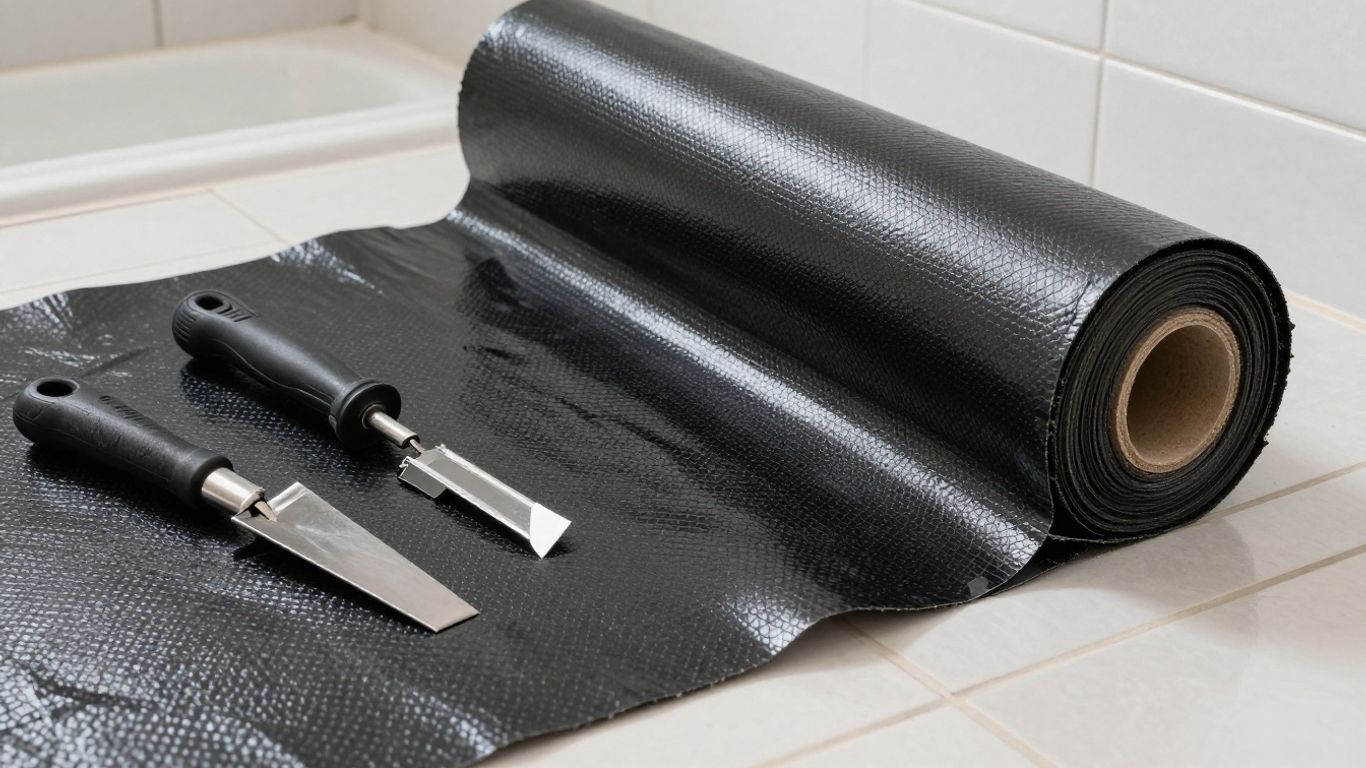
Look, when you’re building or renovating a bathroom, there’s a lot going on. Tiles, grout, fixtures, paint – it all adds up. But underneath all that, there’s one unsung hero that’s doing the real heavy lifting: the waterproof membrane. This isn’t just another layer; it’s the actual shield protecting your home’s structure from water damage. Think of it like this: the tiles and grout look nice, but they’re not designed to stop water from seeping through. The membrane, however, is. It’s the barrier that stops moisture from getting into your walls, floors, and ceilings, which can cause all sorts of nasty problems like mould, rot, and structural weakening down the track.
UNDERSTANDING THE DIFFERENCE BETWEEN LIQUID AND SHEET MEMBRANES
When you start looking into membranes, you’ll quickly see there are two main types: liquid-applied and sheet membranes. They both do the same job – keeping water out – but they get there in different ways, and each has its own pros and cons.
- Liquid-Applied Membranes: These are basically like a thick paint or coating that you roll or trowel onto the surface. Once it dries, it forms a solid, continuous, rubbery layer. The big plus here is that there are no seams or joints, so you get a really uniform, watertight finish, especially good for tricky corners or complex shapes like shower niches.
- Sheet Membranes: These come in rolls, kind of like a big, heavy-duty plastic sheet. You lay them out over the surface and then seal the overlaps and edges. They can be quicker to install in some situations, particularly on large, flat areas, but you’ve got to be really careful with those seams to make sure they’re properly sealed.
ENSURING COMPLETE COVERAGE FOR TOTAL PEACE OF MIND
No matter which type of membrane you choose, the absolute key to it working properly is making sure it covers everything it’s supposed to. We’re talking about all the walls in the shower area, the floor, and especially those tricky spots like corners, around pipes, and where the wall meets the floor. Even a tiny gap or a missed spot can become a weak point where water can sneak in. It’s worth taking the time to get this right, maybe even doing a visual check after application if it’s a liquid membrane, or a flood test before you tile, just to be absolutely certain.
Skipping corners or not applying enough thickness in certain areas might seem like a way to save time or money, but it’s a false economy. The cost of fixing water damage later on will far outweigh any savings made during the initial installation.
Keeping water out is super important for any building. A good waterproof membrane acts like a shield, stopping moisture from getting in and causing damage. It’s a key part of making sure your home stays strong and dry for years to come. Want to learn more about how we can protect your property? Visit our website today!
Wrapping Up Your Waterproofing Choice
So, picking the right waterproof membrane for your bathroom might seem like a small detail, but it’s actually a pretty big deal for keeping your place dry and sound for years to come. We’ve looked at different types, from the roll-on liquids to the stick-on sheets, and each has its place. The main thing is to think about your specific bathroom – how much water it sees, what kind of tiles you’re using, and how quickly you need the job done. Don’t skimp on this part; a little extra effort now can save you a heap of trouble and cash down the track. Get it right, and your bathroom will be a leak-free zone for ages.
Frequently Asked Questions
What exactly is a waterproof membrane and why do I need one in my bathroom?
Think of a waterproof membrane as a special, thin skin you put on your bathroom walls and floor before the tiles go on. Its main job is to stop water from getting through to the stuff behind the tiles, like wood or plaster. Without it, water can sneak in, causing mould, rot, and big repair bills down the track. It’s like wearing a raincoat to stop yourself from getting soaked!
What are the main types of waterproof membranes available?
There are a few main kinds. You’ve got sheet membranes, which are like big, flexible sheets you stick down, kind of like a giant sticker. Then there are liquid membranes, which you paint or roll on, and they dry into a solid, waterproof layer. Some are self-adhesive, meaning they stick on by themselves, making them super quick to put up.
Which type of membrane is best for my shower?
For showers and steamy areas, polyethylene sheet membranes are often a top pick. They’re really good at handling lots of moisture. Liquid membranes, like polyurethane or cement-based ones, are also great because they form a seamless barrier with no weak spots, which is perfect for tricky corners and shapes.
How thick does the waterproof membrane need to be?
It depends on the type. Liquid membranes usually need to be applied in a few coats to reach a certain thickness, often around 0.75 to 1.5 millimetres when dry. Sheet membranes come in a standard thickness. The important thing is not to skimp on this – making it thinner to save money is a recipe for disaster!
Can I start tiling straight after applying the membrane?
Not always! If you use a liquid membrane, you have to wait for it to dry and harden properly, which can take a day or two, sometimes longer if it’s damp. Sheet membranes are usually good to go straight away, which can save a lot of time on a job.
What's the most common mistake people make with bathroom waterproofing?
A really common blunder is not paying enough attention to corners and where walls meet floors or other walls. These spots need extra care and often extra reinforcement material. Another big mistake is rushing the drying times between coats or before tiling, which stops the membrane from sticking properly and doing its job.
Do I really need waterproofing if I'm just having a bath, not a shower?
Even with just a bath, there’s still a lot of moisture and steam. Water can splash, and if there are any tiny gaps or cracks, it can still get through. It’s always safer to waterproof those wet areas properly, especially around the bath, to prevent problems later on.
How do I know if my bathroom waterproofing is still working okay?
You should keep an eye out for any signs of trouble, like mould appearing on walls or ceilings, paint peeling, or if you notice any damp spots. It’s a good idea to give your bathroom a good check-up every now and then, especially in places like around the shower or bath, to catch any issues early.