All posts by SealBuild

NCC 2025: Industry Gears Up for Significant Building Code Changes

The Australian Building Codes Board (ABCB) has released the public comment draft for the National Construction Code (NCC) 2025, signaling a wave of significant updates for the building industry. These proposed changes span crucial areas including energy efficiency, electrification, condensation management, and waterproofing, aiming to modernize building standards across Australia. Industry stakeholders are urged to review and provide feedback on these extensive amendments before the July 1st deadline.

Key Takeaways

  • Mandatory photovoltaic panels for commercial buildings.
  • Pre-provisioning for electric vehicle charging in residential and commercial properties.
  • Stricter condensation management requirements for various building classes.
  • Reintroduction of enhanced waterproofing provisions for commercial and apartment buildings.
  • Concerns raised about the compressed timeline for industry feedback and implementation.

Energy Efficiency and Electrification

NCC 2025 introduces more stringent energy efficiency requirements for commercial buildings (Class 3, 5-9, and common areas of Class 2). The proposals outline three increasing levels of stringency, with higher levels mandating photovoltaic panels on a majority of roof space. Level 3 specifically requires additional solar capacity to offset gas appliances, necessitating increased electrical capacity and space for future retrofits. This push towards "net-zero ready" buildings reflects a broader industry trend.

For Class 1 housing, the draft includes pre-provisioning for electric vehicle charging in one parking space, mirroring changes made for Class 2 buildings in NCC 2022. This involves a dedicated circuit and pathway to a suitable outlet. Additionally, the draft proposes recognizing centralized electric hot-water supply as an alternative for sanitary hot-water systems in Class 2 buildings, offering a solution where space or rooftop PV might be constrained, especially as some jurisdictions move to ban gas in new developments.

Condensation Management and Waterproofing

Following previous iterations, NCC 2025 proposes further specific provisions for condensation management, impacting building costs, materials, and design. The requirements for vapor-permeable materials will be expanded to all climate zones and Class 3 (motels) and Class 9c (aged care) buildings. A notable change for buildings in cooler climates (zones 6-8) is the potential ban on direct-fix cladding solutions, mandating ventilated and drained cavities for walls. These changes are also proposed to apply to Class 2, 3, and 9c buildings.

The draft also sees the return of enhanced waterproofing requirements for commercial and apartment building concrete balconies, roofs, podiums, Class 7 carparks, and Class 8 factories. These proposals aim to consolidate performance requirements for surface water management, rising damp, and external waterproofing. The scope is expanded to include irrigation, groundwater, and sub-surface overflow from water services. Implications for slab design, mandatory falls, and narrow tolerances are expected, potentially leading to increased costs and delays.

Industry Concerns and Next Steps

A significant concern for the Housing Industry Association (HIA) is the timing of the NCC 2025 consultation, which overlaps with the implementation of NCC 2022 changes in several states and territories. This compressed timeline may limit the industry’s ability to provide informed feedback based on practical experience with the current code. HIA advocates for a longer transition period, ideally proposing a commencement date of May 1, 2026, or later for NCC 2025.

Industry members are strongly encouraged to review the draft proposals available on the ABCB Consultation Hub. Feedback must be submitted directly to the ABCB via their hub by 11:59 pm on July 1, 2024. The HIA also invites members to share their views by emailing HIA Technical Services.

Sources

Top Waterproofing Solutions for Australian Homes in 2026

Australian weather is a bit of a wild card, isn’t it? One minute it’s scorching hot, the next it’s bucketing down. If your home isn’t properly protected, water can sneak in through the smallest gaps, causing damp patches, mould, and some seriously hefty repair bills. Picking the right defence against all that moisture is a big deal. This guide is here to cut through the confusion and show you the top waterproofing solutions that are built tough for Aussie conditions in 2026.

Key Takeaways

  • Polyaspartic Polyurea products like FW-11, SH-502, and SCW-01 offer super tough, fast-curing protection for various surfaces, from garage floors to basements.
  • Grout options, including Polyurea and Epoxy, are vital for sealing tile lines in wet areas, preventing water ingress and staining.
  • Bituminous Membranes provide a dependable, time-tested barrier, especially useful for foundations and areas with constant ground moisture.
  • Liquid membranes like Polyurethane and Acrylic create flexible, seamless coatings ideal for roofs, balconies, and exterior walls.
  • Cementitious and Crystalline waterproofing offer robust, long-lasting protection for concrete structures, foundations, and underground areas.

1. FW-11 Polyaspartic Polyurea

When you’re looking for a seriously tough coating that can handle a lot of action, FW-11 Polyaspartic Polyurea is definitely one to consider. This stuff is built to last, forming a really durable surface that’s great for areas that see a lot of foot traffic or need to resist chemicals. Think of your garage floor, a workshop, or even a commercial space that needs to be back in use quickly after application.

FW-11 is known for its rapid curing time, meaning less downtime for your property. It creates a seamless barrier that’s resistant to things like oil spills and general wear and tear. It’s also pretty good at filling in small cracks in concrete, which helps prevent water from getting in where it shouldn’t. This makes it a solid choice for protecting concrete slabs and other surfaces from damage.

Here’s a quick rundown of why it stands out:

  • Durability: It forms a hard, resilient surface that can take a beating.
  • Fast Curing: Gets you back to using the space much sooner than traditional coatings.
  • Chemical Resistance: Stands up well against common household and workshop chemicals.
  • Crack Filling: Helps seal minor imperfections in concrete.

It’s a high-performance option that provides a robust shield against water and wear. For challenging roof barriers, FW-11 Polyaspartic Polyurea is a reliable solution for leak protection. You can explore more options like PM-21 Repair Primer for comprehensive waterproofing needs.

2. SH-502 Polyaspartic Polyurea

When you’re dealing with vertical surfaces or even overhead work, SH-502 Polyaspartic Polyurea really shines. Unlike some coatings that might sag or drip, this stuff is formulated to stick tight, no matter the orientation. It’s a solid choice for sealing up interior feature walls that need a durable finish, or for protecting the underside of balconies from the weather. Think about plant rooms too, where humidity can be a real pain – SH-502 can handle that environment.

This polyaspartic formulation is designed for superior adhesion on vertical applications. It creates a tough, seamless barrier that’s resistant to a lot of common issues. It cures quickly, which is always a bonus when you’re trying to get a job done efficiently.

Here’s a quick look at where it fits:

  • Interior Walls: Provides a robust, washable surface.
  • Balcony Undersides: Protects against rain and general wear.
  • Plant Rooms/Utility Areas: Resists moisture and potential chemical splashes.
  • Car Parks (Walls): Offers protection in high-traffic areas.

It’s a good idea to check out Zocoo Australia’s range for options that are built for our climate. Getting the right product for the job means it’ll last longer and do a better job of keeping water out, which is pretty important for the long-term health of your home, especially with the unpredictable Australian weather.

3. SCW-01 Polyaspartic Polyurea

When you’re dealing with water pressure pushing from the outside in, especially in areas like basements or retaining walls, SCW-01 Polyaspartic Polyurea really shines. This stuff is designed to act as a solid barrier against groundwater, which is a big deal for keeping those below-ground spaces completely dry. It’s a key solution for anyone worried about dampness seeping in from the earth.

SCW-01 is specifically formulated to combat external water ingress. It forms a tough, flexible membrane that can handle the constant pressure from soil and groundwater. Unlike some other materials that might degrade over time or become brittle, polyaspartic technology offers excellent longevity and resistance to environmental factors.

Here’s a quick look at why it’s a good choice for these challenging areas:

  • Superior Adhesion: Sticks well to various surfaces, meaning fewer worries about it peeling away.
  • Water Pressure Resistance: Built to withstand the force of groundwater pushing against it.
  • Flexibility: Can handle minor ground movement without cracking, which is common in many Australian soil types.
  • Fast Curing: While not as critical for below-ground applications as for trafficable surfaces, it still means a quicker project completion.

For projects where keeping water out from the ground up is the main goal, SCW-01 Polyaspartic Polyurea is definitely worth considering. It’s a robust option that provides reliable protection. If you’re looking into professional installation and compliance with Australian Standards, companies like Seal Build can offer certified solutions.

This type of waterproofing is particularly effective for foundations, underground car parks, and any structure that sits below the natural ground level. It creates a reliable shield against moisture that can cause significant damage over time if left unchecked.

4. Polyurea Grout

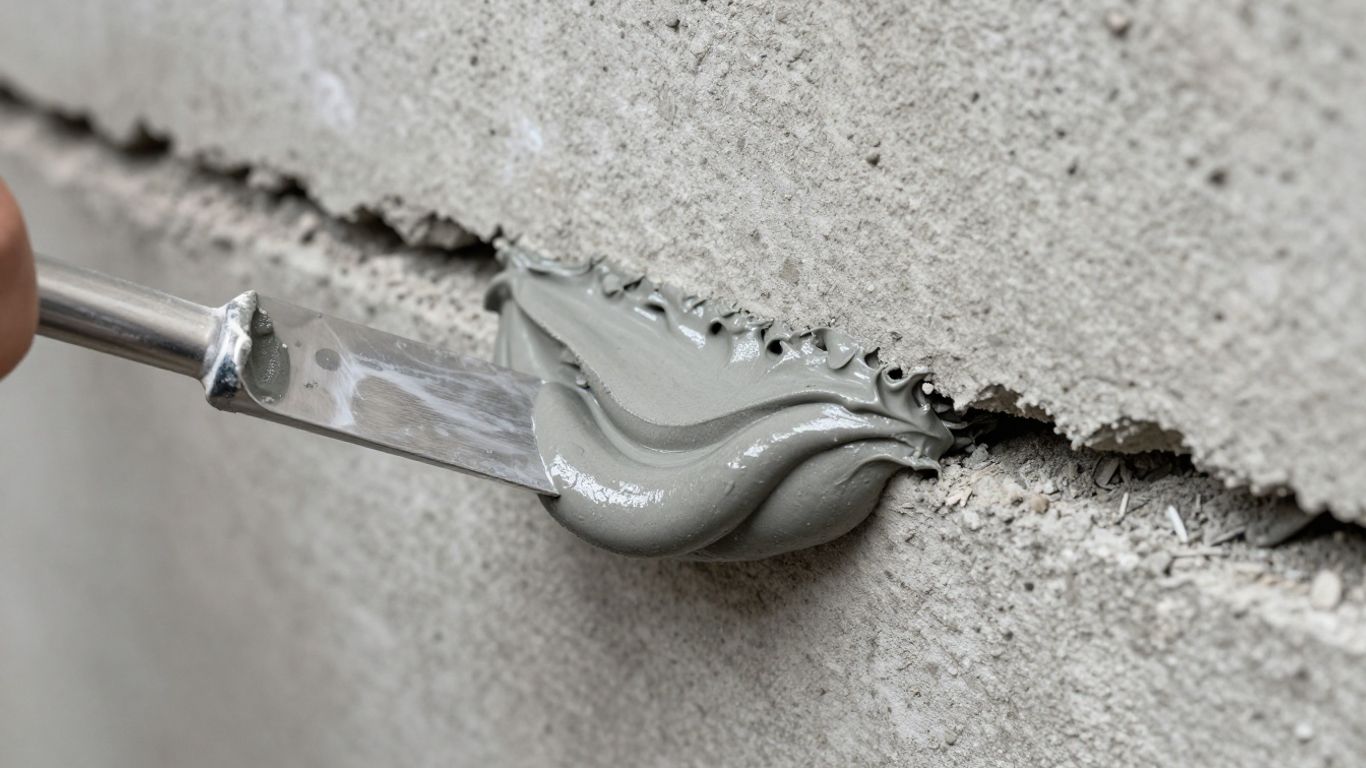
Polyurea grout filling a crack in a concrete wall.

When you’re looking at sealing up those tricky gaps, especially around tiles, polyurea grout is a pretty solid option to consider. It’s a bit of a step up from your standard grout, offering a really tough finish that’s also surprisingly easy to work with. One of its biggest wins is its flexibility; it doesn’t tend to crack if the floor decides to shift a little, which can happen, especially with our Aussie weather and building materials. Plus, it’s really good at resisting stains and chemicals, so spills aren’t going to be a big drama.

This makes it a great choice for areas that get a lot of use, like bathroom floors, especially if you’ve got underfloor heating, or even large-format tiles where you want a clean, long-lasting look without much fuss. It’s a bit of an investment upfront, but the low maintenance and durability really pay off over time. You can find affordable polyurea grout options that don’t break the bank, making it accessible for many renovation projects.

Key benefits of polyurea grout:

  • Excellent flexibility, reducing the risk of cracking.
  • High resistance to stains and common household chemicals.
  • Durable finish suitable for high-traffic areas.
  • User-friendly application process compared to some alternatives.

It’s a good idea to look into products that are specifically designed for the Australian climate, as they’ll be better equipped to handle the temperature fluctuations and moisture we often experience. For example, some polyurea membranes are built to withstand harsh conditions, offering robust waterproofing for various applications.

Choosing the right grout is more than just picking a colour; it’s about selecting a material that contributes to the overall integrity and longevity of your wet areas. Polyurea grout offers a modern solution that balances performance with practicality.

5. Epoxy Grout

When you’re looking at sealing up those tile gaps in wet areas, epoxy grout is a really solid option to consider. It’s not like the old cement-based stuff that can get grubby and porous over time. Epoxy grout forms a really tough, non-porous barrier that water, soap scum, and even oils just can’t soak into. This makes it a top pick for places like shower floors, kitchen splashbacks, or around swimming pools where things get wet and messy regularly.

Because it doesn’t absorb liquids, it’s much easier to keep clean and looking good. You won’t get those annoying dark stains that can appear in grout lines over time. It’s also quite resistant to chemicals, which is a bonus if you’re using strong cleaning products. For Australian homes, especially in bathrooms and kitchens, this kind of durability and ease of maintenance is a big win. It helps maintain the overall look of your tiled areas and contributes to a more hygienic environment. When choosing materials, it’s always good to check against the latest Australian waterproofing standards to make sure everything is up to scratch.

Here’s a quick rundown of why epoxy grout stands out:

  • Non-Porous: Prevents stains and water absorption.
  • Durable: Resists wear and tear in high-traffic zones.
  • Low Maintenance: Easy to clean and keeps its appearance.
  • Chemical Resistant: Stands up to common household cleaners.

While it might cost a bit more upfront than some other grouts, the longevity and reduced cleaning effort often make it a more economical choice in the long run. It’s a key part of creating a truly waterproof tiled area, especially when paired with appropriate membranes and sealants. For a truly robust finish in your wet areas, epoxy grout is an excellent choice.

6. Bituminous Membranes

Bituminous membranes, often made from asphalt or tar-based products, have been a go-to for waterproofing in Australia for ages. They’re pretty reliable, especially for areas that are constantly dealing with moisture, like foundations and retaining walls. You’ll find them in a few forms, like cold-applied liquids, rubberised asphalt sheets, and even the torch-on kind. They offer a solid barrier against water ingress.

When it comes to performance, bituminous systems are known for handling sustained moisture pretty well. They tend to provide a consistent thickness across the surface, which is a big plus for creating a dependable waterproof layer. Plus, they generally stick well to properly prepared concrete, making them a solid choice for structural elements where you really can’t afford leaks. For new builds or areas with stable foundations, they can be a good option.

However, it’s not all smooth sailing. Older tar-based coatings could get brittle over time and might start to peel or crack, especially if they weren’t put on perfectly. While modern rubberised asphalt versions are much better, professional installation is still key. Getting the seams sealed right and making sure there are no gaps is super important to stop water from finding its way through. It’s one of those things where the quality of the job makes a huge difference to how long it lasts.

Proper planning is a must when considering bituminous membranes. Deciding on your waterproofing strategy early in the design phase helps align it with the overall structure and site conditions, avoiding costly rework later on.

When you’re planning renovations or new construction for 2026, thinking about bituminous waterproofing early on is a smart move. It helps make sure your home is protected from the ground up. If you’re unsure about the best approach for your specific situation, talking to experts can help you specify the right solution from the start, giving you peace of mind for years to come. For more on protecting your home’s structure, understanding wall waterproofing is also a good idea [9175].

Key considerations for bituminous membranes:

  • Application: Can be liquid-applied or sheet-based.
  • Durability: Generally good, but older types can become brittle.
  • Installation: Requires skilled professionals for optimal performance.
  • Cost: Often considered an affordable option.
  • Best Use: Foundations, retaining walls, and areas with consistent water exposure.

7. Liquid Polyurethane Waterproofing

Liquid polyurethane waterproofing is a pretty solid choice for keeping water out, especially when you’ve got tricky spots to cover. It’s basically a liquid that you paint or spray onto surfaces, and it dries into a tough, flexible skin. This makes it great for areas that might move a bit, like foundations or balconies, because it can stretch without cracking.

Think of it like a really good raincoat for your house. It forms a continuous barrier, which means there are no seams for water to sneak through. This is a big deal compared to some other methods where joins can be weak points. It’s particularly useful for complex shapes and corners where getting a good seal can be a challenge.

Here’s a quick rundown of why it’s a good option:

  • Flexibility: It can handle movement in the building structure.
  • Seamless Application: Creates a continuous, watertight layer.
  • Adhesion: Sticks well to most building materials like concrete and timber.
  • Durability: Offers good resistance to wear and tear and environmental factors.

When you’re looking at protecting your home from water damage, especially in areas prone to moisture, liquid polyurethane is definitely worth considering. It’s a modern solution that offers reliable protection. For those concerned about water damage in Australian homes, understanding these options is key to keeping your property sound. Protecting your home from leaks is always a smart move.

This type of waterproofing is applied in layers, and the thickness can be adjusted depending on how much protection you need. It’s a versatile system that can be used on roofs, balconies, retaining walls, and even below-ground structures. The key is getting a good, even coat to ensure it performs as it should.

8. Cementitious Waterproofing

Cementitious waterproofing is a pretty common method, especially for concrete and masonry. It’s basically a cement-based coating that you apply directly to the surface. When you mix it up, it forms a rigid barrier that’s pretty good at stopping water in its tracks. It’s often used on new builds with stable foundations and retaining walls.

This type of waterproofing works by creating a physical barrier. It’s not flexible, though, so if there’s any movement in the structure, like minor settlement, it can crack. This is something to consider, especially in areas with reactive soils. It’s a bit like plastering a wall – you get a solid finish, but it doesn’t bend.

Here’s a quick rundown of what it’s good for:

  • Foundations and basement walls
  • Retaining walls
  • Areas that don’t experience much structural movement
  • New construction projects

While it’s a traditional and often cost-effective option, its rigidity means it’s not always the best choice for every situation. For areas that might shift or move, you’d probably want to look at something more flexible. It’s important to get the surface preparation just right for it to bond properly. You can find more details on cement-based coatings if you want to dig a bit deeper.

When planning your waterproofing, think about the specific conditions of your property. What works well in one area might not be ideal in another, especially with Australia’s varied climate and soil types. Getting the right system in place early on saves a lot of headaches down the track.

9. Crystalline Waterproofing

Crystalline waterproofing is a pretty neat system that works from the inside out. Instead of just sitting on the surface, the special chemicals in crystalline products actually penetrate the concrete itself. Once inside, they react with moisture and the by-products of cement hydration to form insoluble crystals. These crystals grow and fill up the tiny pores and micro-cracks within the concrete structure.

This means the concrete itself becomes waterproof, not just the surface. It’s a bit like giving the concrete a built-in defence against water. This method is particularly good for areas where water pressure might be an issue, like basements or underground structures. Because the waterproofing is part of the concrete matrix, it’s not easily damaged by surface abrasion or wear and tear. It also means that if small new cracks form over time, the system can actually reactivate in the presence of moisture and form more crystals to seal them up.

Here’s a quick rundown of why it’s a solid choice:

  • Internal Protection: Works within the concrete, not just on top.
  • Self-Healing: Can seal minor new cracks that appear later.
  • Durability: Generally offers long-term protection, often lasting the life of the structure.
  • Reduced Permeability: Significantly blocks water from getting through the concrete mass.

Crystalline waterproofing is a remedial waterproofing technology that provides internal protection. It doesn’t rely on surface adhesion, which is a big plus for longevity. The chemicals actively reduce water permeability throughout the entire concrete mass, making it a really robust and effective way to waterproof and fix existing concrete issues.

When you’re looking at options for your home, especially for foundations or areas that are hard to access later, crystalline waterproofing is definitely worth considering. It’s a different approach to many surface-applied membranes and offers a unique kind of protection. You can find more information on waterproofing for Australian homes to see how it fits into the bigger picture.

10. Acrylic Liquid Waterproofing

Acrylic liquid waterproofing is a popular choice for many Australian homes, and for good reason. It’s a water-based coating that dries into a flexible, seamless membrane. Think of it like a tough, rubbery skin for your house that stops water in its tracks. It’s pretty straightforward to apply, usually with a roller or a sprayer, making it a bit of a DIY-friendly option for some smaller jobs, though for larger areas or critical spots, getting a professional in is always a good idea.

One of the big pluses is its UV resistance. Our Aussie sun can be brutal, and acrylics generally hold up well against it, meaning they won’t break down or become brittle too quickly. They’re also quite good at stretching, which is important because houses do move a bit, especially with temperature changes. This flexibility helps prevent cracks from forming in the waterproofing layer.

Acrylics are particularly well-suited for above-ground applications where water pressure isn’t a major concern. They work great on roofs, balconies, decks, and exterior walls. You’ll often see them used as a protective coating over other waterproofing systems too, adding an extra layer of defence.

Here’s a quick rundown of where acrylics shine:

  • Roofs: Especially flat or low-slope roofs that might collect water.
  • Balconies and Decks: Providing a durable, waterproof surface that can handle foot traffic.
  • Exterior Walls: Protecting against general weather exposure and rain.
  • Planter Boxes: Keeping moisture contained and preventing leaks into the structure below.

While they’re a solid option, it’s worth noting that their performance can vary depending on the specific product and how it’s applied. For areas with significant water pooling or constant submersion, you might need something a bit more heavy-duty. However, for general protection against the elements, acrylic liquid waterproofing offers a good balance of performance and ease of use for many exterior waterproofing needs.

When considering acrylics, always check the manufacturer’s specifications for expected lifespan and suitability for your specific climate zone within Australia. Some formulations are better suited to intense UV exposure than others.

Looking for a tough shield for your building? Our acrylic liquid waterproofing is a fantastic choice. It creates a strong, flexible layer that keeps water out, protecting your home or business from leaks and damage. It’s easy to apply and lasts for ages. Want to learn more about how this can help your property? Visit our website today for all the details!

Wrapping Up Your Waterproofing Plan

So, we’ve looked at some solid ways to keep your place dry and sound. Whether you’re dealing with our wild weather on a balcony, in the bathroom, or down in the basement, picking the right stuff makes a big difference. It’s not just about avoiding leaks; it’s about looking after your home for the long haul and saving yourself headaches down the track. Taking the time to choose and apply good waterproofing now means you can relax a bit more, knowing your home is better protected against whatever the Aussie climate throws at it.

Frequently Asked Questions

Why is waterproofing so important for Aussie homes?

Australia’s weather can be pretty wild, going from super hot and dry to heavy rain really fast. Without good waterproofing, water can sneak into your house through tiny cracks. This can cause damp patches, mould, and even damage the building’s structure over time, which costs a lot to fix. It’s like giving your home a raincoat to keep it safe and dry all year round.

What’s the difference between Polyurea and Epoxy grout?

Think of Polyurea grout as a super flexible and tough option that won’t crack if floors move a bit. It’s also great at fighting off stains and chemicals, making it ideal for busy areas or places with underfloor heating. Epoxy grout, on the other hand, is like a super-sealant for wet spots. It doesn’t let water or dirt soak in, making it perfect for showers, kitchens, or around pools to keep things clean and looking good.

How long do these waterproofing solutions usually last?

The lifespan can really vary depending on the type of product and where it’s used. Some of the newer, high-tech options like certain polyureas can last for 10-15 years or even longer, especially when protected from direct sunlight. More traditional methods like bituminous membranes might offer around 8-12 years of protection. For foundations, crystalline waterproofing can last a really long time, sometimes 20-30 years, because it actually becomes part of the concrete.

Can I use these waterproofing products on my balcony?

Definitely! Balconies get a lot of weather, so they need something tough. Products like liquid polyurethane or acrylic coatings are often used because they dry into a flexible, seamless layer that can handle walking on and the sun’s rays. Some polyurea coatings are also excellent for balconies because they are super durable and can be walked on quickly after application.

What’s the best waterproofing for a bathroom floor?

For bathrooms, you need something that can handle constant moisture and soap. Liquid membranes are a must for shower bases, walls, and the whole floor. Using a good quality grout, like epoxy grout, between your tiles is also super important because it seals up all those little gaps where water could otherwise get through.

Is waterproofing only for bathrooms and kitchens?

Not at all! While bathrooms and kitchens are key wet areas, waterproofing is crucial in many other parts of your home too. Think about balconies, terraces, laundries, basements, retaining walls, and even flat roofs. Anywhere water might sit or seep in, good waterproofing is needed to protect the building’s structure and keep your home healthy.

What does ‘cementitious waterproofing’ mean?

Cementitious waterproofing uses cement mixed with special chemicals or polymers. When you mix it with water, it forms a hard, waterproof layer. It’s often used on concrete walls, foundations, or even water tanks because it bonds well with concrete and provides a solid barrier against water getting through.

Do I need a professional to do the waterproofing?

While some products might be okay for a DIY job, waterproofing is really important for protecting your home. For critical areas like bathrooms, balconies, or basements, it’s often best to get a professional. They know the Australian Standards (like AS 3740) and have the right tools and experience to make sure it’s done perfectly, giving you peace of mind and long-lasting protection.

Why Waterproofing is Crucial for Your Australian Home

Living in Australia means dealing with some pretty wild weather, right? From scorching sun to heavy rain, our homes really cop a beating. That’s where waterproofing comes in. It’s not just about stopping a bit of dampness; it’s a serious job that protects your place from damage, keeps your family healthy, and even helps your home hold its value. Let’s chat about why getting this right is so important for Aussie homes.

Key Takeaways

  • Waterproofing stops water getting into your home’s structure, preventing things like mould, rot, and costly repairs down the track.
  • Wet areas like bathrooms, laundries, and kitchens are prime spots for leaks if not properly waterproofed.
  • Good waterproofing keeps your indoor air cleaner by stopping mould and mildew, which is better for everyone’s health.
  • A well-waterproofed home is more appealing to buyers and can significantly boost its resale value.
  • While DIY might seem cheaper, professional waterproofing uses the right products and methods for Australian conditions, offering better long-term protection and peace of mind.

Safeguarding your home against the Australian climate

Understanding the necessity of waterproofing in Australia

Australia’s climate can be pretty wild, right? We get everything from scorching heatwaves to torrential downpours, sometimes all in the same week. This unpredictable weather really puts our homes to the test. Without proper protection, water can sneak into places it shouldn’t be, causing all sorts of headaches down the track. It’s not just about keeping the rain out; it’s about protecting the very bones of your house. Think of it like giving your home a good raincoat and sturdy boots for whatever the weather throws at it. This is why looking into waterproofing materials and solutions is a smart move for any Aussie homeowner.

How unpredictable weather impacts your property

Those sudden downpours or even just prolonged periods of high humidity can do more than just make things feel a bit damp. Water finds its way through tiny cracks and gaps, and over time, this can really weaken your home’s structure. We’re talking about potential rot in timber, corrosion of metal supports, and damage to brickwork. It’s a slow burn, but the consequences can be serious and expensive to fix. It’s like a persistent drip in the tap; you might ignore it for a while, but eventually, it causes bigger problems.

The constant battle between sun, rain, and humidity in Australia means that even well-built homes need a solid defence against water ingress. Ignoring this can lead to a cascade of issues, from minor cosmetic damage to major structural compromises that are costly and time-consuming to repair.

The role of professional contractors in climate adaptation

Trying to tackle waterproofing yourself can be a bit of a gamble, especially with the unique challenges our climate presents. Professional waterproofing contractors know the local conditions inside out. They understand which waterproofing products work best here and how to apply them correctly to stand up to our harsh weather. They’re not just following a manual; they’re using their experience to make sure your home is properly protected, covering all those vulnerable spots that you might not even think of. It’s about getting it done right the first time.

Preventing costly structural damage

Water might seem harmless, but unchecked, it’s a real menace to your home’s structure. We’re not just talking about a bit of dampness here; we’re talking about slow, steady damage that can weaken your house from the inside out. Ignoring water ingress is like playing a game of chance with your property’s integrity.

The hidden threat of water ingress

Water finds its way in through the smallest openings. Think hairline cracks in concrete, poorly sealed joints, or even just old, degraded seals around windows and doors. Once inside, it doesn’t just sit there. It can start to break down building materials, corrode metal components like reinforcing bars, and create a breeding ground for issues you can’t see until it’s too late. This silent invasion is often the most damaging because it goes unnoticed for extended periods. It’s the unseen enemy that slowly chips away at your home’s foundation and framework.

Consequences of weakened structural integrity

When water gets into the structure, it can cause a cascade of problems. For timber, it means rot and decay, making it soft and weak. For concrete and brickwork, prolonged exposure can lead to degradation and a loss of strength. Metal elements, like the steel reinforcing bars in concrete, can rust and expand, causing further cracking and damage. This gradual weakening compromises the overall stability of your home. In severe cases, it can lead to sagging floors, cracked walls, and even pose safety risks. Addressing these issues often involves extensive and expensive repairs that could have been avoided with proper waterproofing. It’s why getting a professional assessment for water damage in homes is so important.

Protecting materials from water deterioration

Different materials react differently to water. Timber, for instance, is highly susceptible to rot and insect infestation when consistently damp. Bricks and mortar can absorb moisture, leading to efflorescence (salt deposits) and spalling (surface flaking). Concrete, while seemingly robust, can be compromised by freeze-thaw cycles if saturated, and its internal steel reinforcement is prone to rust. Effective waterproofing acts as a barrier, preventing moisture from reaching these vulnerable materials. This protection is vital for maintaining the longevity and soundness of your home’s construction. It’s about keeping everything from the foundations to the roof in good condition, year after year.

Maintaining a healthy living environment
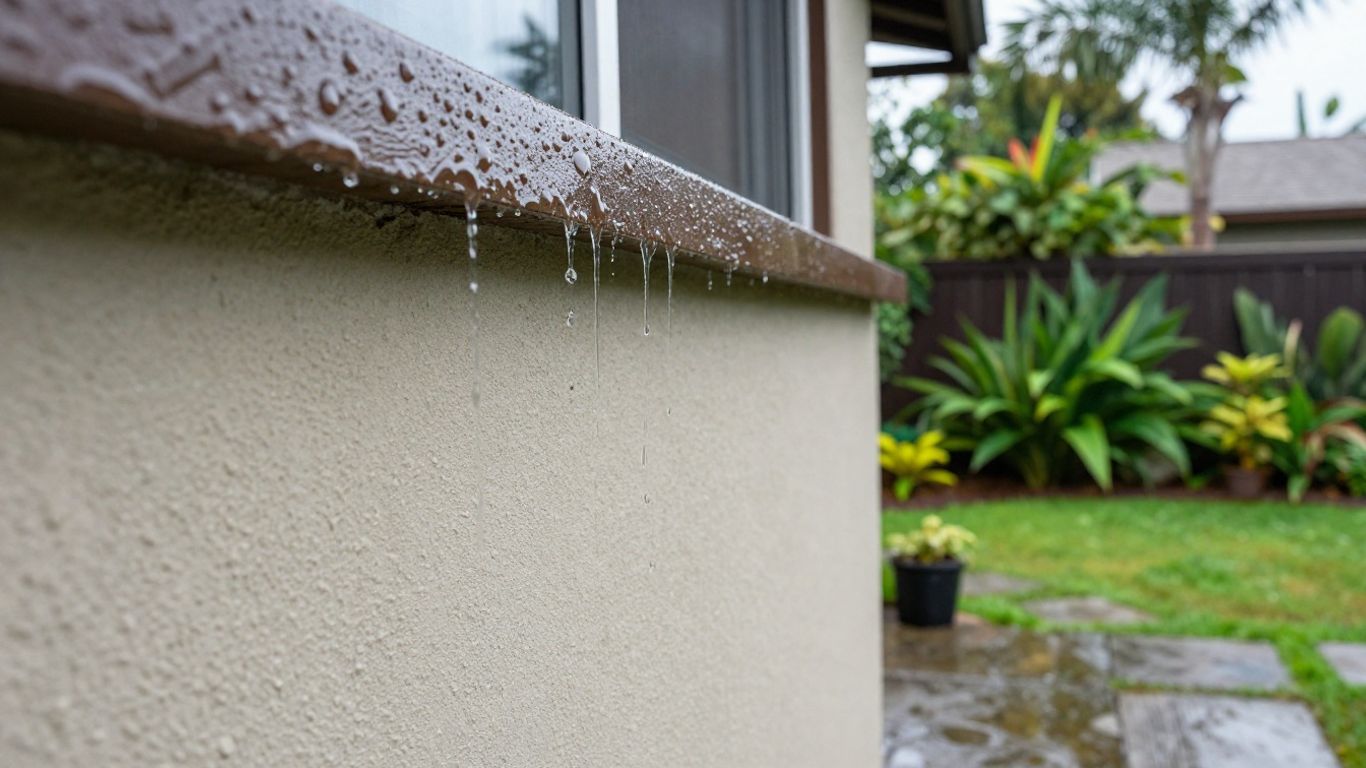
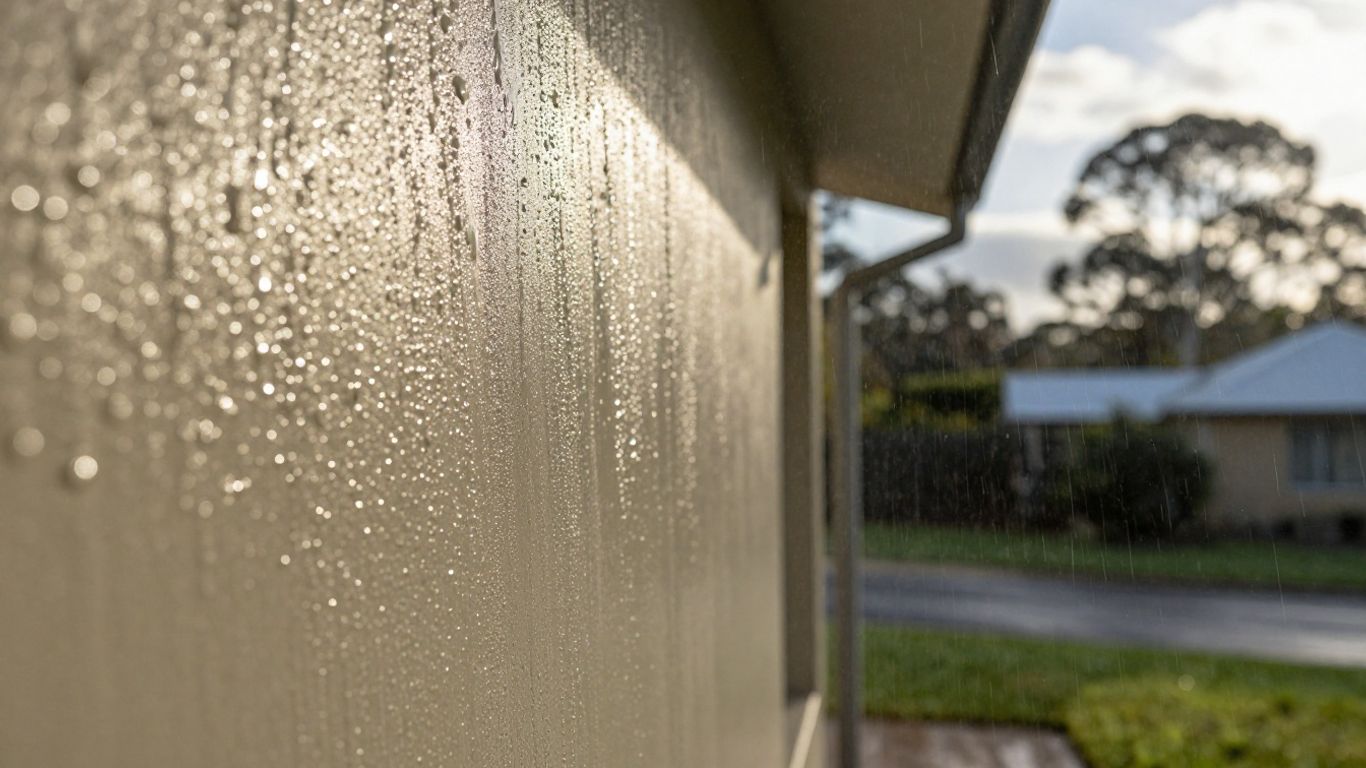
Waterproofed house wall repelling rain, healthy garden.

The link between dampness and respiratory issues

It’s easy to overlook how much moisture can build up in our homes, especially in areas like bathrooms and laundries. But this dampness isn’t just a minor annoyance; it can actually have a real impact on your health. When water sits around, it creates the perfect breeding ground for mould and mildew. These aren’t just unsightly; their spores can become airborne and cause all sorts of problems for people, particularly those with asthma or allergies. You might find yourself dealing with more frequent coughs, sneezes, or even skin irritations. Keeping your home dry is a direct way to keep your family healthier.

How waterproofing inhibits mould and mildew growth

This is where good waterproofing really shines. By creating a solid barrier, it stops water from getting into the nooks and crannies where mould loves to grow. Think of it like putting on a raincoat before you head out in the rain – it keeps the water out. Proper application means moisture can’t seep into walls or under floorboards, which significantly cuts down the chances of mould and mildew taking hold. It’s a proactive step that prevents a much bigger, and often more expensive, problem down the track. For those looking for environmentally conscious options, there are even eco-friendly waterproofing materials available that don’t compromise on effectiveness.

Ensuring clean indoor air quality

Ultimately, all of this comes down to the air you breathe inside your home. When you prevent water ingress and stop mould from growing, you’re directly contributing to better indoor air quality. No one wants to live in a home that smells musty or damp. Beyond just the smell, those mould spores can really affect the air. Waterproofing helps maintain a dry environment, which means fewer allergens and irritants floating around. It’s a simple concept, but the benefits for your living space and your well-being are significant. It’s about creating a comfortable and safe sanctuary, free from the hidden nasties that dampness can bring. If you’re just starting out with home maintenance, understanding the basics of waterproofing is a good first step, much like learning how to manage comments on a new blog.

Here’s a quick rundown of why it matters:

  • Prevents mould and mildew: Stops the growth of these common irritants.
  • Reduces allergens: Less mould means fewer triggers for asthma and allergies.
  • Eliminates musty odours: Keeps your home smelling fresh and clean.
  • Protects surfaces: Stops water damage that can degrade building materials over time.

Protecting vulnerable areas of your home

Essential waterproofing for bathrooms and laundries

Bathrooms and laundries are the obvious places where water is used daily. Think about it – showers, baths, sinks, washing machines. It’s a lot of moisture in one spot. Without proper waterproofing, water can easily find its way into walls, floors, and even under the foundations. This isn’t just about a bit of dampness; it can lead to serious structural issues down the line, not to mention mould growth which is bad for your health. We’re talking about making sure the shower recess, the floor, and even the walls up to a certain height are all sealed up tight. It’s about preventing those sneaky leaks that can cause big problems later on. Getting the waterproofing done right in these wet areas is a big part of keeping your home sound.

Securing balconies and retaining walls

Balconies and retaining walls often get overlooked when people think about waterproofing, but they’re actually quite exposed. Balconies are constantly dealing with rain, sun, and general wear and tear. If the waterproofing underneath the tiles or paving fails, water can seep down into the building structure, causing rot and weakening the materials. Retaining walls, on the other hand, are designed to hold back soil and are constantly under pressure from moisture in the ground. Without a good barrier, this water can cause the wall to degrade, crack, and eventually fail. It’s a bit like giving these external parts of your home a protective coat against the elements and the ground itself. For balconies, ensuring proper drainage is also key, so water doesn’t just sit there.

Basement and rooftop water defence

Basements and rooftops present unique waterproofing challenges. Basements are below ground, meaning they’re susceptible to groundwater seepage and hydrostatic pressure. If not properly waterproofed, they can become damp, musty spaces prone to flooding. This can ruin stored items and even affect the structural integrity of the lower levels of your home. Rooftops, especially flat ones, are directly exposed to all sorts of weather. They need robust waterproofing to prevent leaks that can travel down through the building. Think of it as the first line of defence for your entire house. Getting these areas sorted means you’re protecting a lot of your home’s core structure from water damage. It’s a big job, but one that pays off in the long run by preventing major repair bills and keeping your home dry and safe. For more on wet areas, check out waterproofing requirements for wet areas.

Waterproofing is more than just a preventative measure; it’s an investment in the longevity and health of your home. Addressing these vulnerable areas proactively saves significant costs and headaches in the future, especially with Australia’s varied climate.

The importance of waterproofing in wet areas

Why kitchens require diligent waterproofing

Kitchens might not seem like they get as much water as bathrooms, but think about the sink, the dishwasher, and even the fridge. Water can splash, pipes can leak, and spills happen. Without proper waterproofing, this moisture can sneak into your cabinets, under your floors, and into your walls. This can lead to mould, rot, and even damage to the building structure itself. It’s about protecting not just the surfaces you see, but the hidden parts of your home too. Making sure the areas around your sink and dishwasher are properly sealed is a smart move to avoid future headaches. It’s a bit like giving your kitchen an invisible shield against everyday spills and potential leaks.

Preventing leaks in showers and bathrooms

Showers and bathrooms are the obvious places where water is used daily. We’re talking about constant moisture, steam, and direct water contact. If the waterproofing isn’t done right, water will find its way through grout lines, around fixtures, and under tiles. This can cause serious damage to the walls and floors, leading to mould growth and structural issues. The shower area, including the walls up to a certain height and the floor, needs thorough attention. It’s not just about the shower screen; it’s about the entire wet zone. Getting this right means your bathroom stays dry, healthy, and free from those nasty water-related problems. For external balconies and decks, adhering to standards like AS 4654.1 & 4654.2 is key for effective protection against water damage external waterproofing for balconies.

Addressing moisture in laundry spaces

Laundry rooms are another spot where water is a regular feature. Washing machines can leak, pipes can burst, and there’s often a sink for handwashing or soaking. Just like in the kitchen and bathroom, moisture can seep into floors and walls if not properly managed. This can lead to dampness, mould, and damage to your flooring and cabinetry over time. Waterproofing the floor and lower parts of the walls in your laundry is a sensible precaution. It helps keep the area dry and prevents water from causing hidden damage. It’s a simple step that makes a big difference in maintaining the health and longevity of your home. Understanding and following local regulations, such as those outlined in AS 3740, is vital for protecting these wet areas homeowners must adhere.

Here are some key areas in wet zones that need careful waterproofing:

  • Bathrooms: Shower bases, floors, walls around showers and baths, and up to a certain height on other walls.
  • Kitchens: Around sinks, dishwashers, and potentially under refrigerators.
  • Laundries: Floors and lower sections of walls, especially around washing machines and sinks.

Skipping waterproofing in these areas is a false economy. The cost of fixing water damage and mould later on will almost always be far greater than the initial investment in proper waterproofing.

Enhancing your property’s value and appeal

How waterproofing impacts resale value

When it comes to selling your home, potential buyers are often looking for a property that’s move-in ready and free from hidden problems. A home that shows signs of water damage, even minor ones, can be a major red flag. This can lead to a lower offer or even scare buyers away entirely. Proper waterproofing, on the other hand, signals a well-maintained home and can significantly boost its appeal and perceived value. It suggests that the property has been looked after, reducing the buyer’s perceived risk of future costly repairs. Think of it as an investment that pays off when it’s time to move on.

Avoiding musty odours and dampness

Nobody wants to walk into a home and be greeted by a damp, musty smell. This odour is a tell-tale sign of moisture issues, often stemming from inadequate waterproofing in areas like bathrooms, laundries, or even basements. This persistent dampness can create an unpleasant living environment and is a major turn-off for anyone considering buying your place. Addressing these issues through effective waterproofing not only makes your home more pleasant to live in day-to-day but also removes a significant barrier to a successful sale. It’s about creating a fresh, clean atmosphere that buyers will appreciate.

Making your home market-ready

Preparing your home for the market involves more than just a fresh coat of paint. For homes in Australia, with its varied climate, ensuring all wet areas are properly waterproofed is a key step. This means checking bathrooms, laundries, balconies, and any other areas prone to moisture. A professional assessment can identify any weak spots.

Here’s a quick checklist for market readiness:

  • Inspect all wet areas for any signs of leaks or dampness.
  • Check for discoloured paint or plaster, especially around showers and sinks.
  • Ensure there are no lingering musty smells.
  • Consider a professional waterproofing inspection for peace of mind.

Proactive waterproofing demonstrates a commitment to the property’s long-term health. It’s a practical measure that protects against the unpredictable Australian weather and reassures potential buyers that they are investing in a sound structure. This attention to detail can make a real difference in how quickly your home sells and for what price.

Addressing potential water ingress issues before listing can save you a lot of hassle. It’s much easier and often cheaper to fix these problems before they become major issues. For areas like bathrooms and laundries, ensuring the waterproofing is up to standard is particularly important, as these are high-moisture zones. This diligence not only protects your home but also makes it a more attractive prospect for buyers looking for a solid investment.

Understanding Australian waterproofing standards

When it comes to keeping water out of your home, Australia has some pretty specific rules. It’s not just about slapping on some sealant; there are actual standards to follow, and they’re there for good reason. Think of them as the blueprint for making sure water stays where it’s supposed to.

Adhering to AS 3740 Requirements

The main document you’ll hear about is AS 3740, which is the Australian Standard for waterproofing domestic wet areas. This standard lays out the nitty-gritty details for places like bathrooms, laundries, and kitchens. It covers things like how high the waterproofing needs to go up the walls in a shower – generally, it’s a minimum of 1800 mm above the floor level. It also specifies how to handle floors, junctions, and penetrations like pipes. Following these guidelines is key to preventing water from seeping into your home’s structure. The National Construction Code (NCC) also plays a role, incorporating these standards to ensure a consistent level of protection across the country. It’s worth noting that these standards get updated, so it’s important to be aware of the latest version, especially if you’re planning renovations.

The Significance of Compliance for Insurance

Getting your waterproofing done right isn’t just about avoiding leaks today; it’s also about your peace of mind down the track. If something goes wrong, like a major leak causing damage, your insurance company will likely want to see proof that the work was done to the Australian Standards. Without a certificate of compliance, especially in states like NSW and QLD where licensed professionals are mandatory for waterproofing, your claim could be rejected. This certificate basically says that a qualified person has checked the work and confirmed it meets the required standards. It’s a bit like having a warranty for your waterproofing, protecting your investment and your home. You can find more details on these requirements on the Australian Building Codes Board website.

Ensuring Professional Application Meets Local Codes

While the AS 3740 standard provides a national framework, there can be slight variations or specific requirements depending on your state or territory. Some states, for instance, mandate that waterproofing must be carried out by a licensed professional, while others allow for DIY work under certain conditions. It’s always a good idea to check with your local council or building authority to understand any specific local codes or regulations that might apply to your project. Using a professional contractor means they’re not only familiar with the general standards but also any local nuances. They can provide that all-important certificate of compliance, confirming the work meets all relevant regulations and giving you confidence in the job.

The benefits of professional waterproofing services

Expertise in Australian conditions

Look, doing things yourself can be tempting, especially when you see those DIY videos online. But when it comes to waterproofing your home in Australia, especially with our wild weather, it’s a different ballgame. Professionals know what works here. They understand the specific challenges our climate throws at us, from intense sun to heavy rain. They’re not just slapping on some sealant; they’re using methods and products designed for our environment. This means they can properly protect vulnerable spots like bathrooms, basements, and balconies, which are often overlooked but can cause big problems down the track if not done right. Getting it wrong can lead to mould, rot, and serious structural damage that’s a real headache to fix later on. Hiring someone who knows the local conditions is a smart move to avoid those costly surprises. It’s about getting that peace of mind that your home is truly protected.

Utilising advanced waterproofing products

Professionals have access to and know how to use the latest and greatest in waterproofing technology. We’re talking about high-quality membranes, advanced sealants, and modern vapour barriers that you won’t find at your average hardware store. These aren’t just fancy names; they’re materials that are proven to last and provide a robust shield against water. They know the right product for the right job, whether it’s a wet area in the house or an external wall. Using these superior products means a more durable and effective barrier, which ultimately saves you money in the long run by preventing leaks and damage. It’s about making sure the job is done right the first time with materials that stand up to the test.

Ensuring seamless and complete protection

When you hire a professional, you’re not just paying for their time; you’re paying for their thoroughness. They have a checklist and a keen eye for detail that most of us just don’t possess. They’ll check all the tricky spots – the junctions, the corners, around pipes, and where different materials meet. These are the places where water loves to sneak in if not properly sealed. A professional application means that every inch is covered, creating a continuous barrier. This prevents those annoying little leaks that can turn into big problems. They also often provide a certificate of compliance, which is important for insurance and resale value. It’s about getting a complete job that gives you confidence your home is safe from water damage.

Skipping waterproofing or doing a half-baked job is a false economy. The cost of fixing water damage later, not to mention the potential health impacts from mould, far outweighs the initial expense of professional waterproofing. It’s an investment in the longevity and health of your home.

Here’s a quick look at what professionals bring to the table:

  • Compliance: They know and follow Australian Standards (like AS 3740).
  • Quality Materials: They use products built to last.
  • Warranty: Most offer a guarantee on their work, giving you extra security.
  • Efficiency: They get the job done properly and often quicker than a DIY attempt.

Choosing a professional means you’re getting a reliable waterproofing solution that protects your biggest asset.

Waterproofing as a long-term investment

When you’re thinking about your home, especially here in Australia with our sometimes wild weather, it’s easy to focus on the shiny new things. But honestly, the stuff you don’t see, like good waterproofing, is where the real value lies for the future. It might not be the most exciting part of home ownership, but it’s definitely one of the smartest.

Comparing upfront costs to future expenses

Let’s be real, getting things waterproofed properly isn’t always the cheapest option upfront. You might look at the price tag and think, ‘Oof, that’s a bit steep.’ But here’s the thing: compare that to what happens when water gets in where it shouldn’t. We’re talking about mouldy walls, damaged floorboards, weakened structures – the works. Fixing those problems down the track can cost a small fortune, way more than getting it right the first time. It’s like buying a cheap tool that breaks after one use versus a good one that lasts for years. Waterproofing is about preventing those big, nasty bills later on.

Protecting your home and your finances

Think of waterproofing as a shield for your property. It stops water from creeping into the foundations, walls, and wet areas, which can cause all sorts of structural issues over time. This protection means your home stays sound and secure. For homeowners, this translates directly into protecting their biggest asset. A well-maintained home, thanks to good waterproofing, is less likely to suffer from expensive damage, meaning your savings stay in your bank account rather than going into emergency repairs. It’s a smart move for long-term property value.

The value of proactive waterproofing

Being proactive with waterproofing is key. Instead of waiting for a leak to appear or for mould to start growing, getting it done properly from the start, or as part of renovations, makes a huge difference. It’s about peace of mind, knowing that your home is protected against the elements. This foresight saves you stress and money. It also means that when it comes time to sell, your home will be in better condition, potentially fetching a higher price because buyers won’t have to worry about hidden water issues. For those building or renovating, working with professionals who understand Australian conditions is a good idea, like those at Seal Build.

Here’s a quick look at why being proactive pays off:

  • Prevents costly repairs: Avoids expenses related to structural damage, mould remediation, and water-logged materials.
  • Maintains property value: A dry, well-maintained home is more attractive to buyers and holds its value better.
  • Healthier living environment: Stops mould and mildew, which can cause respiratory problems.
  • Extends home lifespan: Protects building materials from deterioration, making your home last longer.

Sometimes, the most important work on a house is the work you can’t see. Good waterproofing is one of those things. It’s the quiet guardian that keeps your home safe and sound, saving you a heap of trouble and money in the long run.

Improving home efficiency through waterproofing

Reducing drafts and moisture variations

Waterproofing does more than just keep the rain out; it actually plays a pretty big part in how comfortable your home feels year-round. When your home is properly sealed, you’re cutting down on those annoying drafts that sneak in through tiny gaps and cracks. This means less cold air getting in during winter and less hot air in summer. A well-sealed home is a more stable home, temperature-wise. It helps keep the inside temperature more consistent, so your heating and cooling systems don’t have to work overtime trying to catch up. Think of it like putting a good quality jacket on your house – it keeps the elements out and the comfort in. This consistency is a big win for making your living space feel just right, no matter what the weather’s doing outside.

Optimising heating and cooling systems

Because waterproofing helps stabilise indoor temperatures, it directly impacts how your heating and cooling systems perform. When there are fewer drafts and less moisture getting into your walls and floors, your air conditioner or heater doesn’t have to run as much. This is because the air it heats or cools stays inside for longer, rather than escaping or being replaced by outside air. This means your systems are more efficient, using less energy to maintain a comfortable temperature. Over time, this can lead to noticeable savings on your energy bills. It’s a simple concept: a more sealed home means less work for your climate control, which is good for your wallet and the environment. For more on how waterproofing contributes to sustainable building, check out sustainable high-rise design.

Contributing to a sustainable lifestyle

Making your home more energy-efficient through good waterproofing is a solid step towards a more sustainable lifestyle. When your home uses less energy for heating and cooling, you’re reducing your carbon footprint. This is because a lot of our energy still comes from sources that produce greenhouse gases. By minimising energy waste, you’re doing your bit for the planet. Plus, a home that’s less reliant on energy-guzzling systems is generally a healthier and more pleasant place to live. It’s about creating a comfortable living space that also respects the environment. It’s a win-win, really. This approach to home maintenance is a good starting point for any homeowner looking to make greener choices, much like starting a Hello world! blog post is a start for a new writer.

Waterproofing isn’t just about preventing leaks; it’s about creating a more stable internal environment. This stability reduces the workload on your home’s climate control systems, leading to lower energy consumption and a more comfortable living space throughout the year.

Keeping your home dry and safe is super important! Waterproofing stops water from getting in where it shouldn’t, which can save you a lot of trouble and money down the track. Want to learn more about how we can help protect your place? Visit our website today!

Wrapping Up: Your Home’s Best Defence

So, when it comes down to it, waterproofing isn’t just a fancy add-on for your home; it’s pretty much a necessity, especially here in Australia with our wild weather. Skipping it or doing a half-baked job can lead to all sorts of headaches down the track – think mould, rot, and seriously expensive repairs. Getting a professional on board means you’re using the right gear and methods for our climate, giving you peace of mind. It’s an investment that protects your property, keeps it healthy, and even adds to its value. Don’t leave your home’s structure to chance; make sure waterproofing is a priority.

Frequently Asked Questions

Why is waterproofing so important for homes in Australia?

Australia has a pretty wild climate with heavy rain and sometimes long dry spells. Waterproofing acts like a raincoat for your house, stopping water from getting into places it shouldn’t. This stops mould from growing, stops your house from getting weak, and stops expensive repairs down the track. It’s basically about keeping your home safe and sound from the weather.

What happens if my home isn’t waterproofed properly?

If water gets in where it’s not supposed to, it can cause a lot of trouble. It can weaken the building’s structure, making it unsafe. It also creates damp spots perfect for mould and mildew, which are bad for your health, especially if you have breathing problems. Plus, fixing water damage can cost a fortune, way more than doing the waterproofing right in the first place.

Which parts of my house need waterproofing the most?

Areas that get wet a lot are the most important. Think bathrooms, showers, laundries, and kitchens. Balconies, retaining walls, basements, and even roofs also need good waterproofing because they’re exposed to the weather or are below ground. These spots are where water likes to sneak in if it’s not blocked.

Can I do the waterproofing myself?

You can try DIY waterproofing, but it’s tricky. Professional waterproofing services use special skills and products that are made for Australian conditions. Getting it wrong can lead to big problems later, and fixing those mistakes can cost a lot more than hiring someone to do it right the first time. It’s usually best to get pros involved, especially for important areas.

How does waterproofing affect the value of my home?

A well-waterproofed home is much more appealing to buyers. It means they won’t have to worry about costly repairs or health issues like mould. Homes that are properly protected from water damage are generally worth more and sell faster. It shows you’ve looked after your property.

Are there any Australian standards for waterproofing?

Yes, there are! The main one is AS 3740, which sets out the rules for waterproofing wet areas like bathrooms. Following these standards is super important. It helps make sure the job is done correctly, can be important for your insurance, and means your home is protected according to official guidelines.

How does waterproofing help with the air quality inside my home?

Dampness and mould are big causes of bad indoor air quality. They can make allergies and breathing problems worse. By stopping water from getting in and causing dampness, good waterproofing prevents mould and mildew from growing. This means cleaner air for you and your family to breathe.

Is waterproofing an expensive thing to do?

While there’s an upfront cost for waterproofing, it’s really an investment. The price of fixing water damage, mould removal, and structural repairs later on is usually much, much higher. So, spending a bit more on waterproofing now saves you a lot of money and stress in the long run.

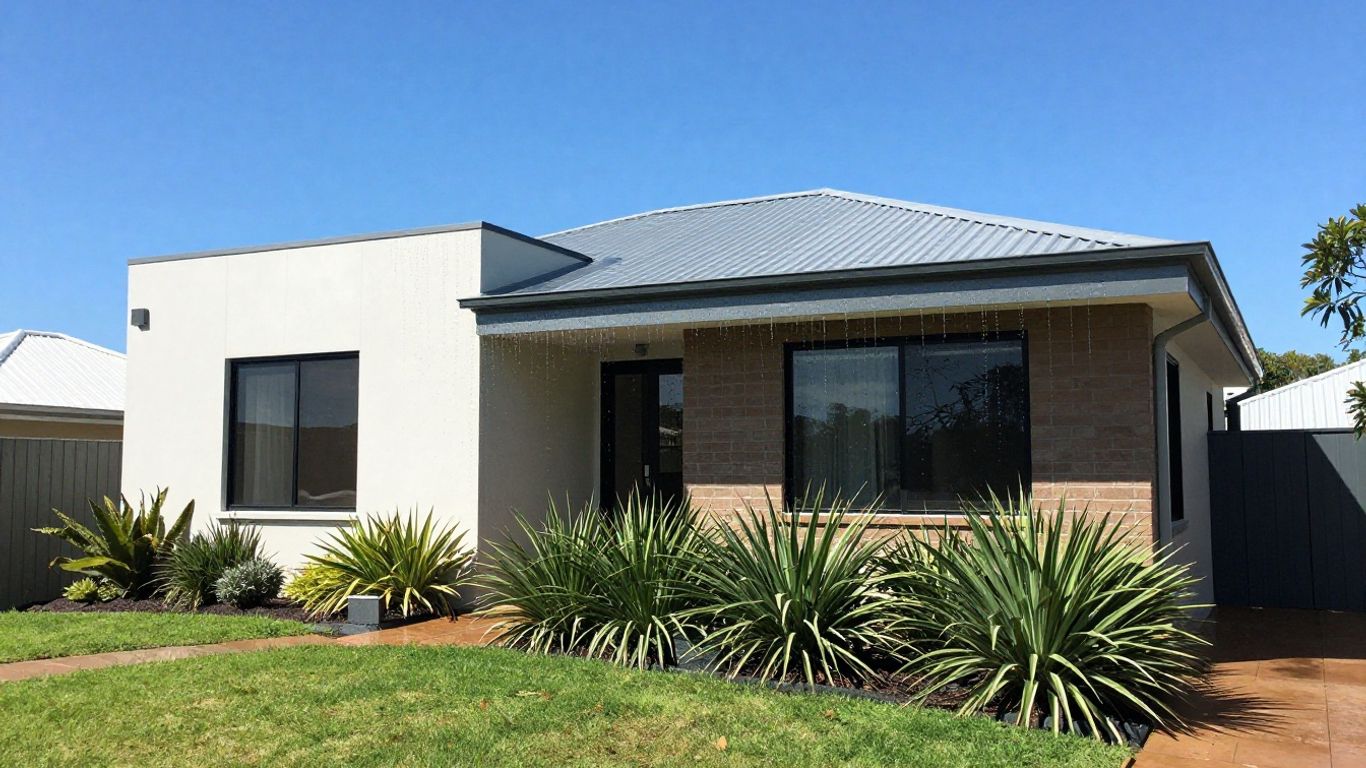
Expert Guide to Injection Waterproofing Solutions for Australian Homes

Water damage can be a real headache for homeowners, turning a dream house into a bit of a nightmare. It’s not just about those ugly stains; it can mess with your home’s structure and even your health if mould starts growing. That’s why understanding wall waterproofing is so important to protect your place. We’ve put together a guide to help you figure out the best ways to keep your walls dry and your home safe, looking at everything from common causes of leaks to the different solutions available, including injection waterproofing.

Key Takeaways

  • Water can sneak in through tiny cracks, especially with Perth’s weather, and issues with drainage or old mortar joints are common culprits.
  • Injection waterproofing, using things like epoxy or polyurethane, is a solid way to fix concrete cracks and stop water in its tracks.
  • Interior waterproofing can give quick results for leaks but doesn’t fix the main water source, while exterior solutions offer more complete, long-term protection.
  • When picking a waterproofing method, think about your specific property, the local climate, and whether you need a quick fix or a long-term solution.
  • While some minor DIY waterproofing is possible, complex jobs like foundation waterproofing are best left to professionals who can spot hidden problems and do the job right.

Understanding Wall Water Leakage Causes

Water getting into your walls can be a real headache, turning a comfy home into a damp, mouldy mess. It’s not just about unsightly stains, either; persistent leaks can seriously damage your home’s structure over time. So, what’s actually causing these unwelcome leaks?

Climate’s Impact on Water Intrusion

Australia’s climate, with its hot, dry spells and sometimes intense rainfall, plays a big role. During heavy downpours, surfaces that aren’t properly protected can struggle. Even tiny cracks in walls can let water seep in, and over time, these cracks can get bigger. Think about blocked gutters or dodgy downpipes – they can’t direct water away effectively, meaning it sits around your foundations or walls for longer than it should. This constant exposure to moisture, especially in regions with significant seasonal rainfall, puts a lot of stress on your home’s exterior.

Foundation Drainage and Mortar Joints

Often, the root of the problem lies below ground. Poor drainage around your home’s foundation is a major culprit. If water can’t escape the soil surrounding your foundation walls, it builds up pressure. This hydrostatic pressure can force water through even small openings. Older homes, in particular, might have mortar joints that have started to crumble or crack over the years. This degraded mortar acts like a sponge, soaking up water and letting it travel into your home. It’s a common issue, especially with brick or block construction that hasn’t been properly sealed or maintained.

Internal Factors: Ventilation and Plumbing

Sometimes, the issue isn’t coming from outside at all. Inside your home, things like poor ventilation can trap moisture. This is especially true in bathrooms, kitchens, or laundry rooms where a lot of steam is generated. If this humid air can’t escape, it can condense on cooler surfaces, like behind furniture or in wall cavities, creating damp spots and encouraging mould growth. Then there are plumbing leaks. A slow drip from a pipe hidden within a wall might go unnoticed for ages, but it’s constantly introducing water into your home’s structure. By the time you see a stain or feel dampness, significant damage might have already occurred. Identifying these internal sources is just as important as looking at the outside of your house. It’s often a combination of these factors that leads to persistent water problems, and understanding them helps in picking the right fix.

It’s easy to blame a single leaky pipe or a storm, but water intrusion is usually a complex issue. Multiple factors, from the weather patterns battering your roof to the way water drains around your foundation, can work together to find a way inside. Getting to the bottom of it means looking at the whole picture, not just the obvious signs.

Here are some common causes:

  • Weather: Heavy rain, humidity, and even extreme temperature changes can stress building materials.
  • Drainage: Ineffective gutters, downpipes, and ground slope can direct water towards your walls and foundation.
  • Building Materials: Deteriorated mortar, cracked render, or old sealant can create entry points for water.
  • Plumbing: Leaking pipes within walls or under floors can cause hidden water damage.
  • Ventilation: Insufficient airflow traps moisture, leading to condensation and dampness.

If you’re noticing damp patches or suspect a leak, it’s worth investigating these potential causes. For issues like leaking basement walls, the problem often starts with ground moisture. Similarly, problems with roof tiles or flashing can let water in from above, which then travels down into your walls.

Effective Injection Waterproofing Solutions

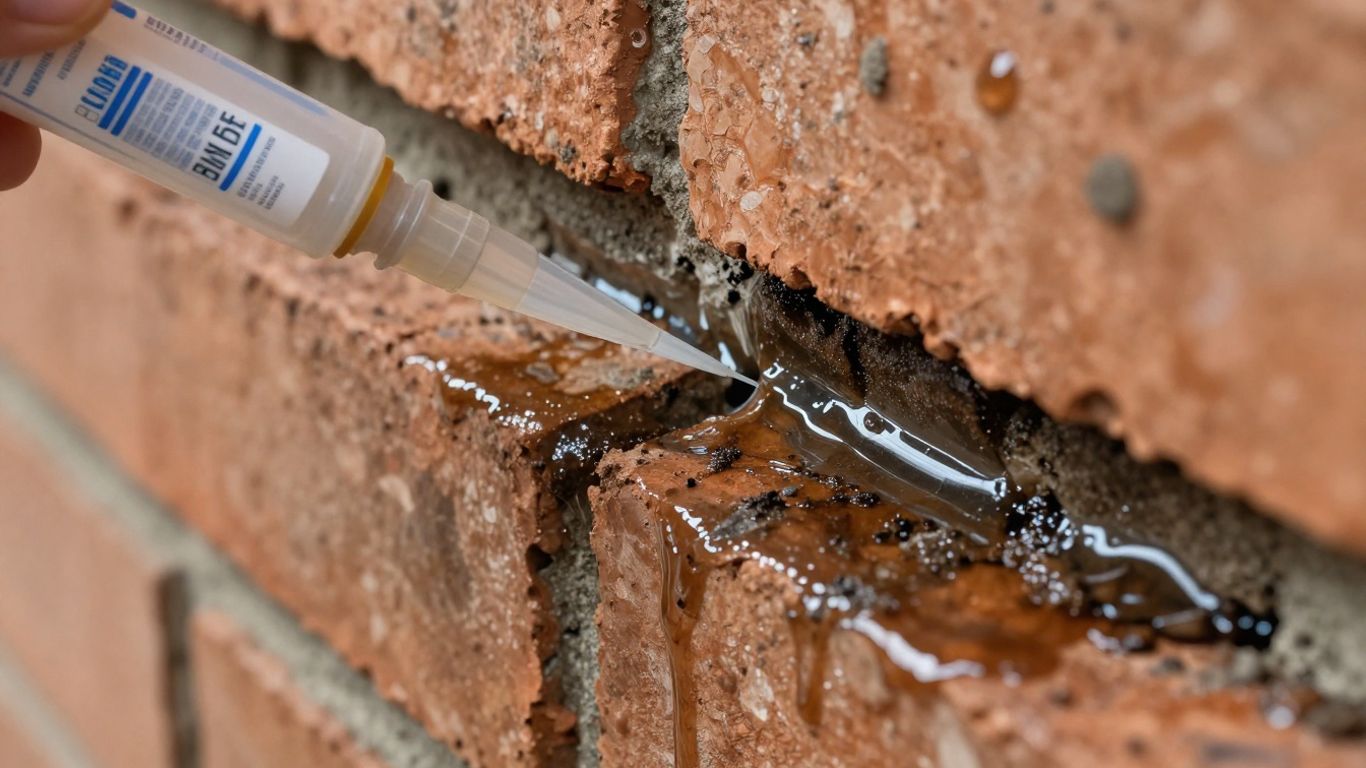
Waterproofing injection into a brick wall.

When water finds its way into your home’s structure, it’s not just an annoyance; it can lead to bigger problems down the track. Thankfully, there are some clever ways to tackle these leaks using injection methods. These aren’t your average DIY fixes; they’re more specialised techniques designed to get right into the heart of the problem.

Concrete Crack Injection Techniques

Cracks in concrete, whether they’re from settling, stress, or just age, are prime entry points for water. The good news is we can inject special materials directly into these cracks. We’re talking about things like polyurethane or epoxy resins. Polyurethane is great because it can expand and fill the entire void, even if it’s a bit irregular. Epoxy is super strong and bonds well, making it ideal for structural repairs. The key is getting the right material into the crack to form a solid, waterproof barrier. It’s a bit like getting a sealant right into the nitty-gritty of the damage. For more complex jobs, you might need to look at advanced waterproofing systems that are built for these kinds of remedial works.

Crystalline Waterproofing Compounds

These are pretty neat. Crystalline compounds are added to concrete or applied to its surface. What they do is react with moisture and the concrete itself to grow tiny crystals within the pores. These crystals effectively block water from getting through, but the concrete can still ‘breathe’, which is important. It’s a bit like giving the concrete its own internal defence system against water. They’re often used in basements and underground structures where water pressure can be a real issue.

Specialised Injection Systems

Beyond the basic crack injection, there are more advanced systems. Some use flexible cementitious grouts that can handle movement, while others are designed for very specific situations, like stopping active leaks under pressure. These systems often involve multiple injection points and careful monitoring to make sure the whole area is sealed. It’s about using the right tool for the job, and sometimes that means a specialised approach. For instance, some chemical injection waterproofing uses materials that expand on contact with water to create a seal.

Here’s a quick rundown of what these solutions aim to achieve:

  • Stop leaks at their source: Getting the waterproofing material right into the crack or void.
  • Prevent future water ingress: Creating a durable barrier that stops water from getting in again.
  • Maintain structural integrity: By stopping water damage, you help keep the building strong.

When dealing with water intrusion, especially in concrete structures, injection methods offer a targeted way to fix the problem. They work by filling voids and cracks with specialised materials that prevent water from passing through. It’s a more involved process than just slapping on a coating, but it can be much more effective for certain types of leaks and damage.

Choosing the right injection method depends a lot on the type of crack, the material of the wall, and how much water is getting through. It’s often best to get a professional opinion to make sure you’re using the most effective solution for your specific situation.

Interior Wall Waterproofing Approaches

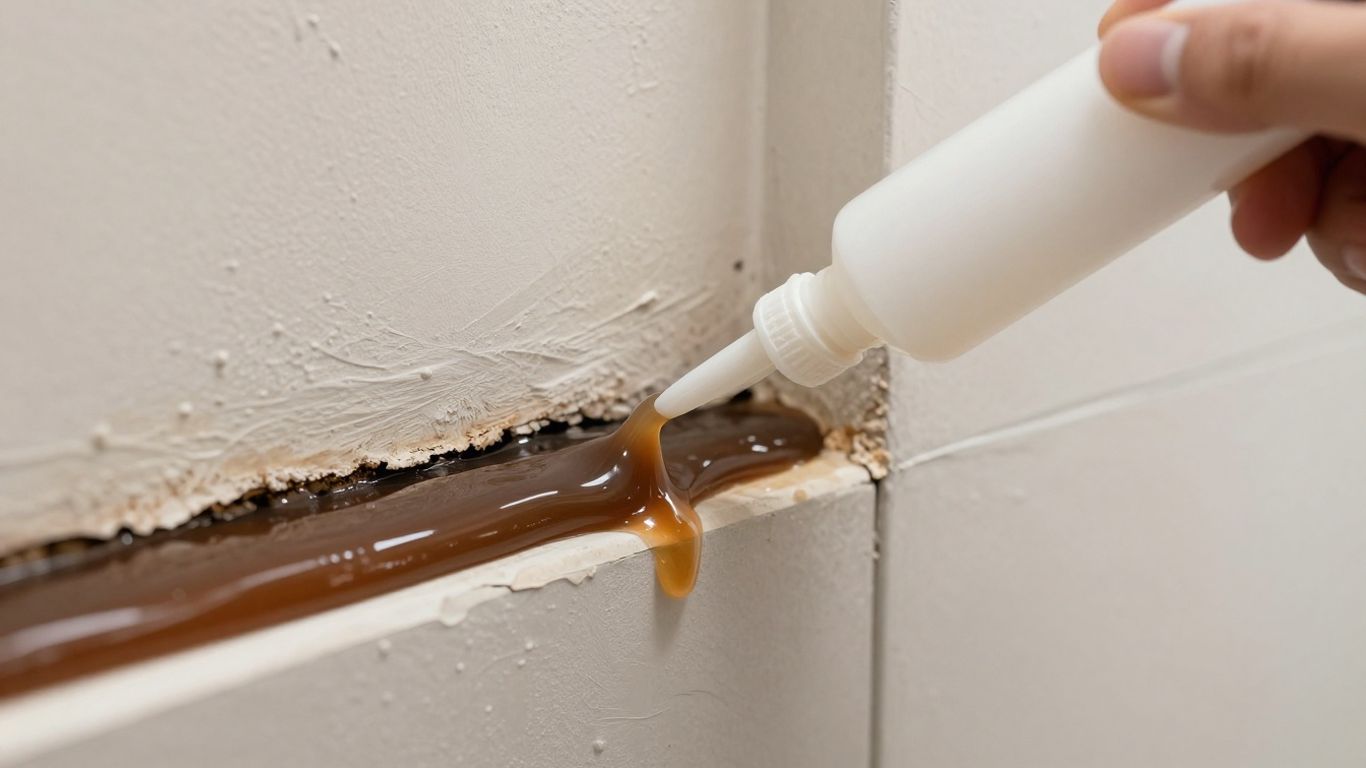
Applying liquid waterproofing to an interior wall.

When water has already made its way into your walls, interior waterproofing is the go-to. It’s all about managing that moisture that’s already inside. This approach usually involves getting some specialised injection systems or membranes onto the affected interior surfaces. Think of it as putting up a barrier from the inside.

Moisture Management Strategies

Dealing with moisture from the inside means we’re often playing catch-up. The main goal here is to stop existing leaks and prevent further damage. This can involve a few different tactics:

  • Crack Repair: Small cracks are often injected with special resins or epoxies. These fill the void and stop water from seeping through.
  • Surface Treatments: Applying waterproof coatings or sealers directly to the interior surface can create a barrier.
  • Ventilation Improvement: Sometimes, just improving airflow can help reduce condensation, which is a common culprit for damp interior walls.

Application of Injection Systems and Membranes

Injection systems are pretty neat. They work by injecting materials, like polyurethane or epoxy, directly into cracks or voids within the wall structure. These materials expand and harden, effectively sealing the pathway for water. Crystalline waterproofing compounds are another option; they penetrate concrete pores and form crystals that block water while still letting the wall breathe. For more persistent issues, specialised membranes might be applied to the interior surface after proper preparation.

It’s important to remember that while interior waterproofing can offer quick fixes for active leaks, it doesn’t always address the original source of the water intrusion. This means hydrostatic pressure might still be building up outside the wall, potentially causing bigger problems down the track.

Limitations of Interior Waterproofing

While interior waterproofing can be a lifesaver for immediate leaks, it’s not a perfect solution for everything. It’s often more of a band-aid than a cure for the root cause of the water problem. Because you’re working from the inside, you can’t always see or access the full extent of the damage or the original entry point. This means:

  • Doesn’t Stop External Pressure: It won’t stop water being pushed against the wall from the outside.
  • Potential for Hidden Damage: You might be sealing a leak without fully knowing what’s happening behind the plasterboard.
  • Maintenance Needs: These solutions might need reapplication more often than exterior methods, so think about ongoing maintenance cycles.

It’s generally best suited for situations where getting to the outside of the wall is just too difficult or expensive. For a more permanent fix, addressing the exterior is usually the way to go, but interior methods have their place, especially when you need results fast.

Exterior Wall Waterproofing for Comprehensive Protection

When we talk about keeping your home dry and sound, tackling water from the outside is a big deal. It’s all about stopping water before it even gets a chance to think about seeping into your walls. This approach is generally the most effective for long-term protection because you’re dealing with the problem right at the source. Think of it like putting on a raincoat before you go out in a downpour – much better than trying to dry off once you’re soaked through.

Liquid Membrane Systems

These are pretty neat. They create a continuous, flexible barrier that can handle all sorts of movement in your house without cracking. They’re great for tricky surfaces and can really stand up to the weather we get here in Australia. They bond well and don’t leave any gaps for water to sneak through. For areas prone to standing water, high-performance, waterborne synthetic rubber membranes are a top pick, offering permanent waterproofing. These membranes are designed for areas susceptible to ponding and immersion.

Elastomeric Coatings and Sheet Membranes

Elastomeric coatings are like a stretchy paint that sticks really well and can expand and contract with temperature changes. They’re tough and weather-resistant. Then you’ve got sheet membranes, which are often made of rubber or bitumen. These are usually for areas that get a lot of exposure to the elements and need a really robust shield. Getting these installed properly is key, though.

Cementitious Coatings for Masonry

If you’ve got brick or block walls, cementitious coatings are a solid choice. They chemically bond with the masonry, becoming part of the wall itself. This makes them really strong and a good option for structural walls that need that extra bit of defence against water.

Exterior waterproofing solutions are designed to stop water intrusion before it compromises your home’s structure. They work by creating a barrier on the outside of the building, preventing moisture from reaching the interior walls and foundations. This proactive approach is vital for preventing long-term damage and maintaining a healthy living environment.

Here’s a quick rundown of what to consider:

  • Wall Material: Is it brick, concrete, or something else? Different materials need different treatments.
  • Exposure: How much rain, sun, or wind does that particular wall face?
  • Building Age: Older homes might have different construction methods that affect waterproofing needs.
  • Surrounding Landscape: How does the ground slope away from the house? Poor drainage outside can put extra pressure on your waterproofing.

When it comes to protecting your home from the elements, especially in areas like the Gold Coast, advanced materials and techniques are used. These often include polymer-modified base coatings, bentonite secondary barriers, and dimpled drainage membranes to ensure effective perimeter protection and prevent water damage. This type of protection is crucial for homes in coastal regions.

Choosing the right exterior waterproofing method is about creating a robust defence system. It’s not just about slapping on a coat of paint; it’s about understanding how water moves and how to best prevent it from causing trouble down-the-track problems.

Choosing the Right Waterproofing Strategy

Picking the best way to keep water out of your home can feel a bit overwhelming, can’t it? It’s not just about slapping on some sealant; you’ve got to think about what’s actually going on with your place. The right strategy stops leaks before they even start, saving you heaps of hassle down the track.

Assessing Your Property’s Needs

First things first, you need to figure out where the water’s coming from and what kind of damage you’re already seeing. Is it a slow seep from the garden beds, or are you dealing with a full-blown downpour getting in somewhere? Look for:

  • Visible cracks in walls or foundations.
  • Damp patches or mould growth.
  • Water pooling around the house after rain.
  • Any signs of efflorescence (white powdery deposits) on masonry.

Understanding these signs helps you pinpoint the problem areas. It’s like being a detective for your own home!

Considering Climate and Building Materials

Australia’s climate is pretty varied, right? What works in Darwin might not be the best bet for Hobart. You’ve got to think about:

  • Rainfall intensity and frequency: Are you in a flood-prone area or somewhere that gets occasional heavy bursts?
  • UV exposure: Intense sun can degrade some materials over time.
  • Temperature fluctuations: Extreme heat and cold can cause materials to expand and contract, potentially opening up small gaps.

Also, the materials your house is made of matter. Brick, concrete, timber – they all behave differently and need different types of protection. For instance, some products are great for brick walls, while others are better suited for concrete structures.

The Value of Professional Consultation

Honestly, trying to guess the best solution can lead to costly mistakes. That’s where getting a professional opinion comes in handy. Experts can spot issues you might miss and recommend systems that are built to last. They know the local building codes and have seen pretty much every waterproofing problem imaginable. It’s often worth the investment to get it right the first time, especially when dealing with complex issues like roof leaks or foundation problems.

Long-Term Value of Foundation Waterproofing

Investing in proper foundation waterproofing is more than just a fix for current leaks; it’s a smart move for the future of your home. Think of it as future-proofing your biggest asset. A well-waterproofed foundation does a lot more than keep the damp out. It actively protects the very bones of your house.

Protecting Structural Integrity

Water is relentless. When it finds its way into your foundation, it can cause all sorts of trouble over time. Freezing and thawing cycles can widen cracks, and constant moisture can weaken concrete and masonry. This can lead to serious structural issues down the track, costing a fortune to fix. Keeping your foundation dry is key to maintaining its strength and stability for decades. It stops water from getting in and causing that slow, insidious damage that’s hard to see until it’s a big problem. This is why getting leak detection and remedial waterproofing sorted early is so important.

Preventing Mould and Improving Air Quality

Nobody wants mould or mildew in their home. It looks bad, smells worse, and is definitely not good for your health, especially if you have respiratory issues. Damp foundations are a breeding ground for these nasty growths. By stopping water ingress, you cut off the mould’s food source. This means cleaner air inside your home and a healthier environment for everyone. It’s a simple step that makes a big difference to your day-to-day living.

Enhancing Property Value and Usable Space

A dry basement or lower level isn’t just a storage space anymore. With proper waterproofing, these areas can be transformed into valuable living areas – think a home office, a rumpus room for the kids, or even an extra bedroom. This adds significant square footage and appeal to your home. Plus, when it comes time to sell, a home with a demonstrably dry and well-maintained foundation is a huge selling point. Buyers are increasingly aware of the potential problems water damage can cause, so a waterproofed foundation can definitely boost your property’s appeal and resale price. It’s a solid investment in foundation waterproofing that pays dividends.

Here’s a quick look at what you can expect:

  • Structural Protection: Prevents concrete degradation and cracking.
  • Health Benefits: Stops mould and mildew growth.
  • Increased Livability: Creates dry, usable space.
  • Resale Value: Makes your home more attractive to buyers.

The upfront cost of waterproofing might seem like a lot, but when you weigh it against the potential expenses of major structural repairs, mould remediation, and the loss of usable space, it’s clear that it’s a worthwhile investment. It’s about protecting your home and your wallet in the long run.

Professional vs. DIY Waterproofing

So, the big question: can you tackle waterproofing yourself, or is it a job best left to the pros? Honestly, it really depends on the situation. For minor leaks or small cracks, a DIY approach might be tempting, and sometimes it works out. You can grab some sealant from the hardware store and give it a go. But when it comes to serious water issues, especially with foundations or large sections of walls, it gets a lot trickier.

When to Hire Expert Waterproofing Services

If you’re seeing persistent dampness, mould, or even just water pooling around your house after a bit of rain, it’s probably time to call in the cavalry. These aren’t usually simple fixes. Persistent dampness, mould, or water pooling are clear signs you need professional help. Think about those hairline cracks that might be letting in more water than you realise, or drainage issues that are slowly undermining your home. These problems often need specialised knowledge and equipment to sort out properly. For active leaks or structural cracks, professional installation of negative hydrostatic pressure waterproofing is recommended.

Benefits of Professional Application

Look, the main advantage of hiring professionals is peace of mind. They know what they’re doing, they have the right gear, and they usually offer a warranty on their work. This means if something goes wrong, they’ll come back and fix it. They also understand building codes and can spot problems you might miss. It’s about getting it done right the first time, which can save you a heap of cash and stress down the track. Investing in professional application minimises the risk of failure.

Identifying Hidden Issues with Expert Assessment

Even if you’re leaning towards a DIY job, getting a professional assessment first is a smart move. They can help you pinpoint the exact source of the water problem and identify any hidden issues that you might not even know exist. This way, you can choose the right products and methods for your specific situation, rather than just guessing. It’s like getting a doctor’s diagnosis before you start taking medication, you know?

Here’s a quick rundown of when DIY might be okay versus when you really need a pro:

  • DIY Might Work For:
    • Sealing minor surface cracks.
    • Applying a basic sealant to a small, dry area.
    • Minor cosmetic repairs after a leak is fixed.
  • Call a Professional For:
    • Active water leaks or significant dampness.
    • Cracks in foundations or structural walls.
    • Persistent mould or musty smells.
    • Poor drainage around the property.
    • Waterproofing large areas or entire homes.

While some minor waterproofing tasks might seem straightforward, underestimating the complexity of water intrusion can lead to costly mistakes. Professionals bring a level of experience and diagnostic capability that’s hard to replicate, especially when dealing with the unique challenges of Australian homes and their environments.

Wrapping It Up: Keeping Your Aussie Home Dry

So, there you have it. Dealing with water getting into your home can be a real headache, but thankfully, there are solid ways to sort it out. Whether it’s a bit of dampness creeping in or a more serious leak, injection waterproofing offers some pretty effective fixes. We’ve looked at different methods, from sealing up cracks with special stuff to putting up barriers. Remember, catching problems early is key, and sometimes, getting a pro in is the smartest move. It’s all about protecting your place, keeping it healthy, and making sure it’s a solid investment for years to come. Don’t let water worries get you down – there are solutions out there to keep your home safe and dry, no matter what the weather throws at us down under.

Frequently Asked Questions

How long do waterproofing solutions usually last on walls?

Good quality outdoor waterproofing can stick around for about 15 to 25 years. Indoor fixes might need a touch-up every 5 to 10 years to keep working well.

Can I get my walls waterproofed when it’s raining?

Most waterproofing stuff needs dry weather to stick properly and dry out. It’s best to do the work when it’s not raining so it can set perfectly.

Will waterproofing change how my walls look?

Sometimes, coatings can slightly change the colour or add a bit of shine. If you use sealers that soak in, they usually don’t change the way the wall looks at all.

What’s the difference between waterproofing and damp-proofing?

Waterproofing completely stops water from getting through. Damp-proofing just slows down moisture from getting into the air. For the best protection, waterproofing is the way to go.

How do I look after my waterproofed walls?

Keep an eye on them for any small cracks and fix them quickly. Reapplying the waterproofing when it’s recommended will help keep your walls in top shape.

When should I call a pro for waterproofing?

If you see big cracks, your basement is always damp, there’s a musty smell, or water is pooling around your house, it’s time to call an expert. They can find hidden problems and fix them properly.