All posts by SealBuild

Australia’s Housing Crisis: Industry Reform and Tech Adoption Key to Unlocking Productivity

Australia’s persistent housing construction issues are being tackled through a dual approach of industry reform and technological adoption. Experts and government bodies are highlighting the urgent need to move beyond traditional building methods to address productivity shortfalls, cost overruns, and slow delivery times that have plagued the sector for decades.

KEY TAKEAWAYS

  • The construction industry faces a long-standing productivity decline, lagging behind other economic sectors.
  • Digitalisation, including Building Information Modelling (BIM), digital twins, and AI, offers significant potential for improvement.
  • Government reforms are underway but require more comprehensive strategies and support, especially for small and medium-sized enterprises (SMEs).
  • Innovation across all phases of the building lifecycle – from development and design to construction and operation – is crucial.

THE PRODUCTIVITY PROBLEM: ANALOGUE PRACTICES HOLDING BACK PROGRESS

The construction sector is one of Australia’s largest economic contributors, yet it remains one of the least digitalised. A heavy reliance on manual processes, fragmented supply chains, and the use of outdated documentation formats like PDFs hinder accuracy, collaboration, and efficiency. Experts note that over 70% of documentation is still submitted in non-structured formats, and a significant portion of organisations offer minimal or no digital training.

This analogue approach leads to significant issues, including delays in approvals, avoidable cost overruns, and contractual disputes. While digital tools like BIM and AI-enabled analytics show immense promise, their adoption is slow, particularly among the numerous micro and SME firms that dominate the industry. Barriers such as limited investment capacity, legacy systems, skills gaps, and high implementation costs need to be addressed.

GOVERNMENT REFORMS AND THE NEED FOR DIGITALISATION

Government initiatives, such as the Design and Building Practitioners Act 2020 and various digitalisation strategies, acknowledge the role of technology in boosting productivity. However, these measures are often seen as focusing more on regulatory controls than on driving performance uplift. There’s a call for more comprehensive support for integrating digital capabilities at scale and tailored assistance for smaller contractors.

Globally, countries like the UK and Singapore have established national bodies and mandated standards for digital construction. Australia, while adopting some standards like ISO 19650, often does so voluntarily. Recommendations for Australia include establishing a national coordinating body, mandating open standards and interoperability, embedding digital requirements in procurement contracts, and investing in workforce capability and innovation incentives.

AI AND INNOVATION: THE PATH FORWARD

Artificial intelligence (AI) is emerging as a key tool to address construction’s productivity drag. Recent research indicates a significant adoption of AI by Australian construction leaders, nearly double the global average. AI-powered scheduling, design-checking software, and data-driven forecasting can help reduce downtime, minimise rework, and better anticipate disruptions.

Beyond AI, a broader embrace of innovation is essential. This includes exploring new business and ownership models like housing-as-a-service and co-housing, designing more efficient and flexible homes, and adopting modern construction methods such as prefabrication and modular building. These approaches can increase capacity, reduce costs, and improve quality across the entire building lifecycle, from development to operation and end-of-life.

CONCLUSION: A CALL FOR COORDINATED ACTION

Addressing Australia’s housing crisis requires a fundamental shift in how the construction industry operates. A coordinated effort involving government, industry, and academia is needed to drive digitalisation, foster innovation, and build the necessary workforce capabilities. Without these changes, the industry risks remaining stuck in a cycle of low productivity and high costs, further exacerbating the housing affordability challenge.

SOURCES

Mastering Bathroom Waterproofing Details: A Comprehensive Australian Guide

Getting bathroom waterproofing details right is a big deal, honestly. It’s not the flashiest part of building or renovating, but if you get it wrong, you’re in for a world of hurt later on. We’re talking leaks, mould, structural damage – the whole lot. This guide cuts through the jargon and gets straight to what you need to know to nail bathroom waterproofing in Australia, making sure your wet areas stay dry and sound for years to come.

Key Takeaways

  • Always follow the National Construction Code (NCC) Volume Two and Australian Standard AS 3740:2021. These are your rulebooks for bathroom waterproofing in Australia.
  • Surface prep is king. Make sure your walls and floors are clean, dry, and smooth before you even think about applying any membrane. Priming is usually a must.
  • Don’t skimp on junctions and penetrations. Corners, pipes, and floor wastes are common leak spots, so pay extra attention to sealing them properly with bond breakers and fabric.
  • Apply your waterproofing membrane in at least two coats, making sure you get the required upturn heights on walls and that there’s no missed spots. Let each coat cure properly.
  • Get it checked! Book a building surveyor for inspections at the right stages, especially after waterproofing and before tiling. Have all your documentation ready.

UNDERSTANDING AUSTRALIAN BATHROOM WATERPROOFING STANDARDS

NATIONAL CONSTRUCTION CODE (NCC) VOLUME TWO

The National Construction Code (NCC) Volume Two is the big one, setting the minimum requirements for building work across Australia. For bathrooms, it basically says wet areas need to be waterproofed properly to stop water getting where it shouldn’t and damaging the building. The key performance requirement, H1D7, is pretty clear: "Wet areas in a building must be waterproofed or water resistant in accordance with AS 3740 and suitable for the intended use, to prevent the escape of water from the wet area and to prevent the degradation of structural elements." This means you can’t just wing it; you need to follow the rules.

AUSTRALIAN STANDARD AS 3740:2021

This is the standard that the NCC points to for how to actually do the waterproofing. AS 3740:2021, ‘Waterproofing of domestic wet areas’, is the detailed instruction manual. It covers everything from what materials you can use to how you prepare surfaces, apply membranes, and even how high they need to go up the walls. Following AS 3740 is generally how you demonstrate compliance with the NCC. It specifies things like:

  • Minimum membrane heights for showers, baths, and general wet areas.
  • How to treat corners, junctions, and penetrations like pipes.
  • The need for bond breakers and reinforcing fabric in critical spots.
  • Requirements for falls to floor wastes so water actually drains away.
  • Construction details for shower hobs.

PERFORMANCE REQUIREMENTS OF AS/NZS 4858:2004

While AS 3740 tells you what to do, AS/NZS 4858:2004, ‘Wet area membranes’, focuses on the materials themselves. This standard sets out the performance criteria that waterproofing membranes must meet. It’s about making sure the membrane you choose is actually up to the job of holding back water over time. Most liquid-applied membranes used in domestic bathrooms will need to conform to this standard, often being classified as Class III flexible membranes.

STATE-SPECIFIC REGULATORY VARIATIONS

Even though we have national standards, it’s worth remembering that each state and territory can have its own little quirks or additional requirements. While AS 3740 is the benchmark, always double-check with your local council or state building authority. Sometimes there are minor variations or specific interpretations that apply in your area. It’s better to know upfront than to find out later that something wasn’t quite right for your specific location.

PREPARING SURFACES FOR WATERPROOFING

Right, before we even think about slathering on any waterproofing goo, we need to get the actual surfaces ready. This isn’t just a quick wipe-down; it’s a proper prep job. Get this wrong, and your fancy membrane is basically useless.

SUBSTRATE CLEANLINESS AND DRYNESS

First things first, everything needs to be spotless. We’re talking no dust, no grease, no random bits of plaster or anything else that might have fallen on it during construction. A good vacuum is your best mate here, followed by a damp cloth if needed, but make sure it dries out completely afterwards. Seriously, dryness is key. Any moisture trapped under the membrane will cause problems down the track, guaranteed.

REPAIRING SUBSTRATE IMPERFECTIONS

Got any cracks, holes, or dodgy bits in your sheeting or concrete? They need fixing. Small gaps and cracks (usually anything over 3mm) should be filled with a suitable repair compound. Think of it like patching up a wall before you paint it – you want a nice, even surface. If there are any really high spots, you might even need to give them a quick grind down. The goal is a smooth, solid base.

PRIMING FOR OPTIMAL ADHESION

Most waterproofing systems need a primer. This stuff acts like a sticky base layer, helping the membrane stick properly. It’s super important to use the exact primer recommended by the membrane manufacturer. They’re formulated to work together. Apply it evenly with a roller or brush, making sure you cover everything that’s going to get waterproofed. Check the manufacturer’s instructions for drying times – you want it tacky, not soaking wet, before the first coat of membrane goes on.

ENSURING SUBSTRATE EVENNESS

Beyond just filling holes, the whole surface needs to be reasonably flat and even. This isn’t about making it perfectly smooth like glass, but you don’t want big dips or humps. Unevenness can lead to thin spots in the membrane, especially in corners or around edges, which is exactly where water likes to sneak in. A level surface also makes applying the membrane much easier and more consistent.

CRITICAL JUNCTIONS AND PENETRATIONS

Right, let’s talk about the bits that usually cause the most grief in bathroom waterproofing: the junctions and penetrations. These are the spots where different surfaces meet, or where pipes and fixtures poke through the walls and floors. Get these wrong, and you’re pretty much asking for trouble down the track.

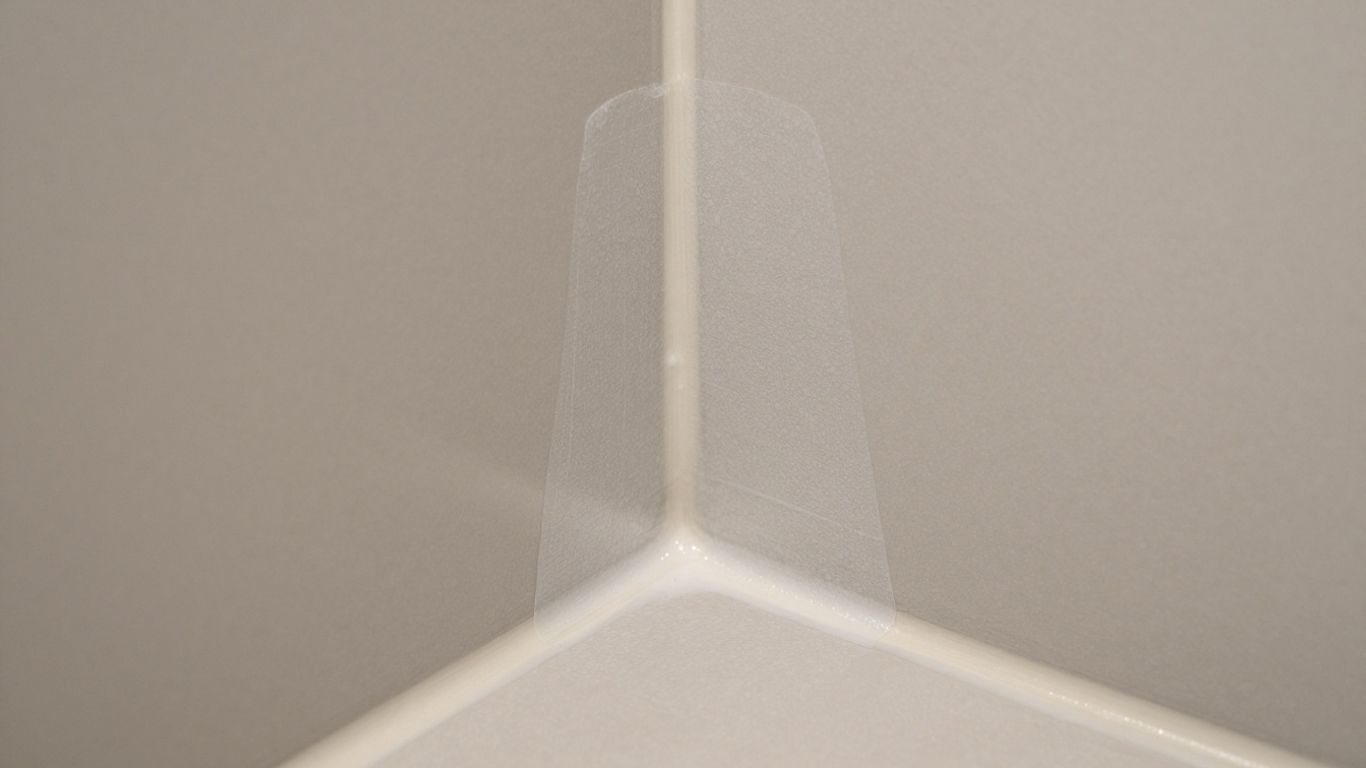
SEALING INTERNAL CORNERS AND WALL-TO-FLOOR JUNCTIONS

Think of these as the ‘inside’ corners, like where your shower wall meets the floor, or where two walls join up. These areas are prone to flexing and cracking, so they need a bit of extra attention. The key here is to create a flexible bridge that can handle movement without splitting.

  • First up, apply a flexible sealant. This usually goes into the corner itself, creating a neat, slightly rounded bead. It acts as a base for the next step.
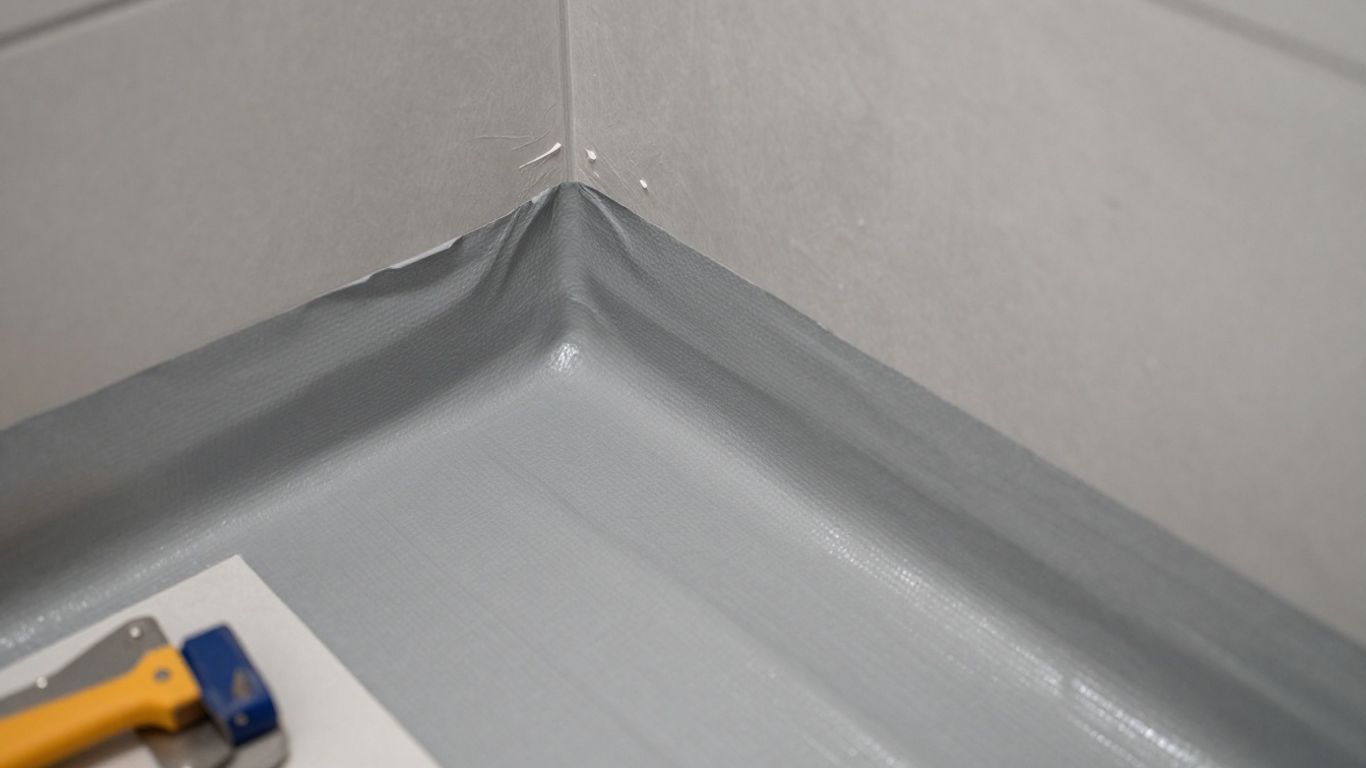
  • Then, you’ll typically embed a reinforcing fabric or tape. This is usually a non-woven polyester or fibreglass material. You lay it into the wet membrane (we’ll get to that later) in the corner, making sure it’s fully saturated and there are no wrinkles.
  • This combination of sealant and fabric creates a strong, yet flexible, joint that can absorb minor building shifts without compromising the waterproof barrier.

TREATING PIPE PENETRATIONS AND FIXTURE OUTLETS

Every pipe that comes through the wall – think shower mixers, toilet cistern connections, vanity taps – and every floor waste needs careful sealing. It’s not just about slapping some sealant around it.

  • Clean the area thoroughly. Any dust or grime will stop the sealant and membrane from sticking properly.
  • Apply a flexible sealant around the pipe or outlet. Make sure it fills any gaps.
  • Often, a bond breaker or reinforcing fabric is used here too. This is wrapped around the penetration, embedded into the sealant or the first coat of membrane, to prevent stress cracking.
  • The membrane itself must then be carefully dressed up and over the sealed penetration, creating a continuous waterproof surface. Don’t leave any gaps or sharp folds.

BOND BREAKERS AND REINFORCING FABRIC APPLICATION

We’ve touched on these already, but they’re worth a separate mention because they’re so important. A bond breaker is basically a flexible material that allows for movement between two surfaces without tearing the main waterproofing membrane. Reinforcing fabric adds strength to these critical areas.

  • Bond breakers are often flexible sealant beads or specific tapes applied at junctions before the main membrane goes on.
  • Reinforcing fabric is usually a non-woven material that gets embedded into the liquid membrane, particularly at corners, junctions, and around penetrations.
  • The goal is to create a continuous, flexible, and strong waterproof barrier that can withstand the stresses and strains of a bathroom environment.

CONSTRUCTING STABLE SHOWER HOBS

Shower hobs (the little step or curb at the entrance to your shower) are a common weak point. They need to be solid and properly integrated with the waterproofing.

  • Ensure the hob is built securely. It needs to be stable and not move independently of the floor or walls.
  • The waterproofing membrane must extend up and over the hob, typically to a specified height (check the standards!), and be properly sealed to the wall membrane.
  • Pay attention to the internal corner where the hob meets the shower floor. This junction needs the same treatment as any other internal corner – sealant and reinforcing fabric.

These critical junctions and penetrations are where most waterproofing failures occur. It’s not the big flat areas that leak; it’s these detailed spots. Taking the time to get them right, following the manufacturer’s instructions and the relevant Australian Standards, will save you a massive headache and a lot of money later on.

WATERPROOFING MEMBRANE APPLICATION TECHNIQUES

FIRST COAT APPLICATION AND COVERAGE

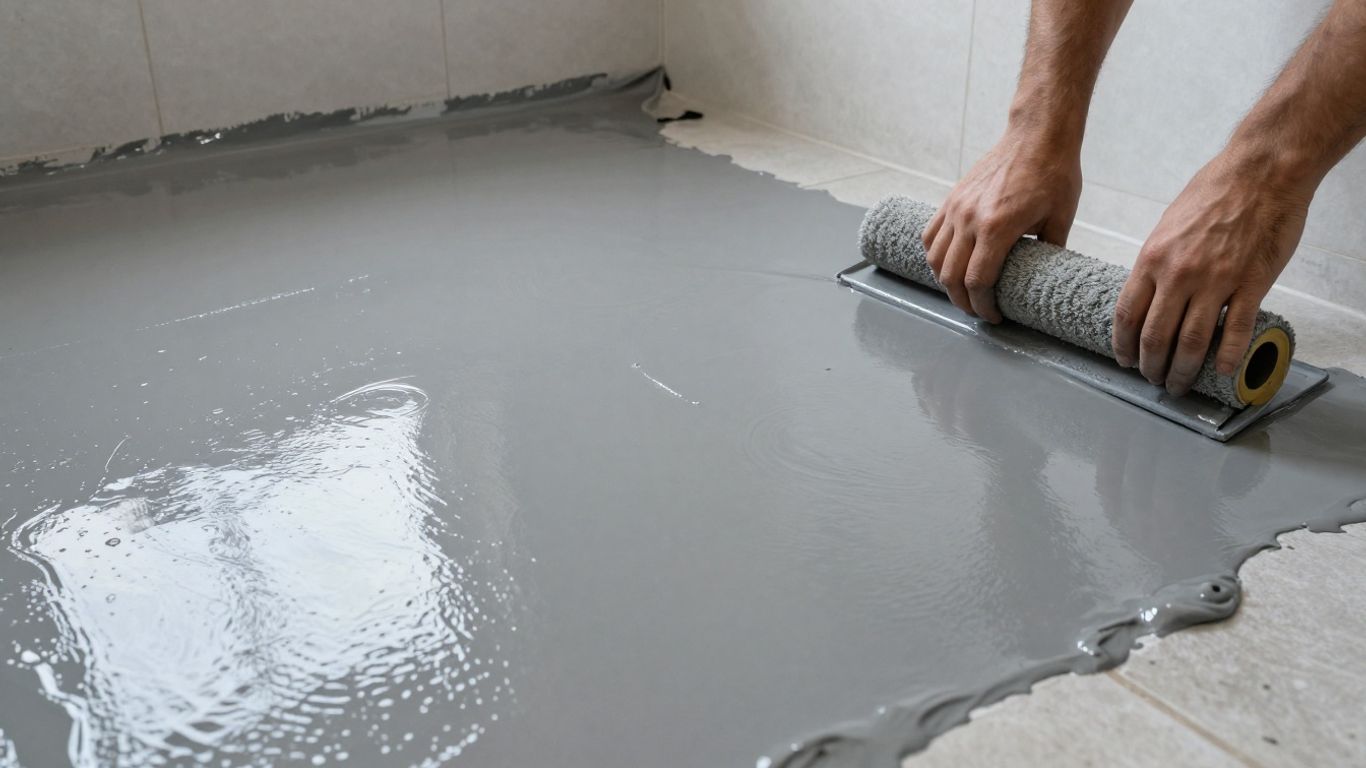
Applying the first coat of your waterproofing membrane is where the real barrier starts to form. It’s all about getting a good, even spread across the prepared surface. You want to avoid any thin spots or gaps, as these are the first places water will try to sneak through. Think of it like painting – you need consistent strokes and good coverage. The manufacturer will give you a coverage rate, usually in square metres per litre. It’s really important to stick to this. If you spread it too thin, you won’t get the full protection you need, and if you go too thick in places, you might run out or it might not cure properly.

  • Always follow the manufacturer’s recommended coverage rate.
  • Use the right tools – a roller or brush designed for the membrane type works best.
  • Work methodically, covering the entire surface without missing any areas.

SECOND COAT APPLICATION AND OVERLAP

Once the first coat has had a chance to dry properly – and don’t rush this bit, check the product’s instructions – it’s time for the second coat. This coat is just as important as the first. Often, the second coat is applied in a different direction to the first, which helps to ensure you’ve covered any tiny spots you might have missed. If you’re using a liquid-applied membrane, you’ll want to overlap the edges of the first coat slightly. This creates a continuous, seamless barrier. If you’re using a fabric-reinforced system, this second coat will often embed the fabric fully.

ACHIEVING MANDATORY UPTURN HEIGHTS

This is a big one, especially in shower areas and around the edges of wet areas. The membrane needs to turn up the walls by a specific height. This ‘upturn’ acts like a dam, stopping water from getting behind the wall tiles or down the back of the hob. The National Construction Code (NCC) and AS 3740:2021 specify these heights, and they are non-negotiable. For showers, this usually means turning the membrane up at least 150mm above the finished floor level, but it’s often higher, especially at the hob. Make sure you’re using the correct height for your specific situation.

Area Type Minimum Upturn Height (from finished floor) Notes
Shower Recess 150mm Often higher at hob and up to ceiling
Bath Edges 150mm
Laundry Tubs 150mm
General Wet Area 100mm Check specific requirements for walls

MEMBRANE CURE TIMES BETWEEN COATS

Patience is a virtue, especially when it comes to waterproofing. Each layer of membrane needs time to cure properly before the next step. Applying a second coat too soon, or trying to tile over a membrane that hasn’t fully cured, can trap moisture. This can lead to blistering, delamination, and ultimately, a failed waterproofing job. Always check the manufacturer’s technical data sheet for the exact drying and curing times. These times can vary depending on the product, temperature, and humidity, so it’s not always a fixed number of hours.

Rushing the drying and curing stages is a common mistake that can compromise the entire waterproofing system. Always allow adequate time between coats and before proceeding to the next stage of construction, such as tiling or fixture installation.

SPECIFIC WET AREA WATERPROOFING REQUIREMENTS

Shower Recess Membrane Extent

When you’re waterproofing a shower recess, the membrane needs to go up the walls quite a bit. We’re talking at least 150mm above the finished floor level, but that’s just the bare minimum. For better protection, especially if you’ve got a hob, it’s recommended to extend the membrane up to the ceiling height or at least 1800mm from the floor, whichever is less. This covers all the areas where water is likely to splash around. Don’t forget the floor too – it needs to be fully covered and fall correctly towards the drain.

Bath and Laundry Area Membrane Heights

For areas like baths and laundry tubs, the rules are a bit different but still important. The membrane needs to extend at least 150mm up the walls from the finished floor level. If the bath or laundry tub is installed against a wall, the membrane should go up behind the fixture and extend at least 150mm above the top edge of the fixture. This stops water from getting behind and under the tub or machine. It’s all about creating a continuous barrier.

General Wall and Floor Waterproofing

Beyond the immediate shower or bath area, other parts of the bathroom also need attention. All floor surfaces in wet areas must be waterproofed. For walls, the requirements depend on their proximity to water sources. Walls within the shower area need full coverage. Walls adjacent to showers, baths, and laundry troughs typically require waterproofing up to at least 150mm from the floor. Some areas, like behind vanities or toilets, might have less stringent requirements, but it’s always best to check the specific details in AS 3740:2021.

Falls to Floor Wastes and Drainage

This is a big one that often gets missed. The floor in any wet area, especially shower recesses, must be graded so that water naturally flows towards the floor waste. AS 3740 specifies a minimum fall of 1:100 (1cm drop over 1 metre) for at least 1.2 metres from the shower opening or the fixture. For shower floors, the fall needs to be between 1:80 and 1:100. This ensures water doesn’t pool on the floor, which can lead to leaks and damage over time. Getting these falls right is critical for the whole system to work properly.

WATERPROOFING APPLICATION AND INSPECTION CHECKLISTS

PRE-WATERPROOFING SITE READINESS

Before you even think about rolling on that first coat of membrane, a bit of prep work is absolutely key. It’s like getting ready for a big exam – you wouldn’t just show up without studying, right? Same deal here. You need to make sure the site is ready to go.

  • Check your plans: Have you got the latest versions of your architectural and plumbing drawings? Make sure they align with AS 3740 and the NCC. No point waterproofing if the design isn’t right.
  • Materials on hand: Is everything you need actually on site? We’re talking primer, the membrane itself, bond breakers, reinforcing fabric – the works. Ideally, get it all from the one manufacturer to avoid compatibility headaches.
  • Substrate sorted: The surfaces you’re waterproofing need to be spot on. Think clean, dry, and solid. If you’re using fibre cement sheeting or water-resistant plasterboard, it needs to be securely fixed, with no gaps or damage. Any joins should be taped and filled if the membrane maker says so.
  • Drains and pipes: Floor wastes and puddle flanges need to be installed correctly and firmly. Same goes for any pipe penetrations – they should be neat, stable, and not wobbly.
  • Clean up: Give the whole area a good sweep and vacuum. Dust and debris are the enemies of good adhesion. And seriously, make sure it’s completely dry.

Skipping these steps is a fast track to problems down the line. A bit of extra time now saves a lot of grief later.

DURING WATERPROOFING APPLICATION CHECKS

Alright, the prep is done, and you’re ready to apply the membrane. This is where the real action happens, but you still need to be vigilant. It’s not just about slapping it on; it’s about doing it right.

  • Primer first: Apply the primer evenly, as per the manufacturer’s instructions. Let it cure properly before moving on. This step is vital for adhesion.
  • Corners and joints: These are the weak spots. Make sure you’ve used bond breakers or reinforcing fabric at all internal corners, wall-to-floor junctions, and around penetrations. This allows for slight movement without tearing the membrane.
  • First coat: Apply the first coat of membrane. Pay attention to coverage – you don’t want thin spots. And crucially, get that mandatory upturn height. For showers, it’s usually 1800mm up the wall. For baths and laundries, it’s typically 150mm, and 100mm for general walls.
  • Cure time: Let that first coat cure completely. Check the manufacturer’s datasheet for the exact times. Rushing this can ruin the whole job.
  • Second coat: Apply the second coat, making sure you overlap correctly and achieve full, even coverage. Again, check that upturn height is maintained.

POST-WATERPROOFING AND FLOOD TESTING

So, the membrane is on. Looks good, right? But we’re not quite done yet. There are a couple more critical checks before you can even think about tiling.

  • Full cure: Allow the final coat of membrane to cure fully. This can take a few days, depending on the product and the weather. Don’t guess; check the specs.
  • Flood test (showers): This is a non-negotiable for shower recesses. Block the drain and fill the shower base with water to the height of the hob or the finished floor level. Leave it for at least 24 hours, ideally 48. Check for any leaks or drops in water level.
  • Visual inspection: Even if you don’t do a flood test (though you really should for showers), give the entire waterproofed area a thorough visual inspection. Look for any pinholes, tears, or areas that look thin.

A flood test is your best friend. It’s the ultimate way to catch leaks before they become a massive, expensive problem hidden behind tiles.

DOCUMENTATION FOR SURVEYOR INSPECTION

When the building surveyor comes to check your waterproofing, you need to be ready. They’re not just there to look; they need proof that the job was done correctly and to standard.

  • Material data sheets: Have the technical data sheets for your primer, membrane, and any other associated products readily available. These show what you used and how it’s supposed to perform.
  • Manufacturer’s warranty: Keep the warranty information for the waterproofing system. This shows you’ve used products that are designed to work together and come with a guarantee.
  • Application records: If you’ve kept notes or photos of the application process, especially at critical junctions or during the flood test, have them handy. This can help demonstrate due diligence.
  • Compliance certificates: Any relevant certificates for the products used, or for the work itself if performed by a licensed contractor, should be organised.

Being organised with your paperwork makes the inspection process smoother and gives the surveyor confidence in your work.

POST-WATERPROOFING AND TILING INTEGRITY

Right, so you’ve got your waterproofing all done and dusted, looking like a solid barrier against any rogue water. But hold on a sec, the job isn’t quite finished. The next bit, tiling, is where things can go sideways if you’re not careful. It’s all about protecting that membrane you just spent ages applying and making sure it stays put and does its job.

PROTECTING THE MEMBRANE DURING TILING

This is a big one. You’ve got this lovely, cured membrane, and now you’re going to be walking on it, dropping tools, and sticking tiles to it. It’s pretty easy to accidentally nick or damage it. Think about where you’re placing your buckets of adhesive or grout, and try not to drag anything heavy across the floor. If you need to drill holes for things like shower screen frames or towel rails later on, you absolutely must plan for this. Ideally, you’d have put blocking in the walls before waterproofing, or you’re using glues that don’t need screws. If you do have to drill, make sure you use the right backing and plenty of waterproof sealant to seal up any new holes properly. Don’t just wing it; a small hole can turn into a big problem down the track.

ENSURING CORRECT TILE ADHESIVE COVERAGE

When it comes to sticking your tiles down, you can’t just slap adhesive on in blobs. That old ‘dot and dab’ method? Yeah, that’s a no-go according to the Australian Standards (AS 3958.1). You need full coverage. This means the entire back of the tile, or at least the substrate, should have adhesive on it. Why? Because gaps under tiles are like little water traps. Water can sit there, potentially finding its way through grout lines and stressing the waterproofing underneath. Plus, tiles with poor adhesive coverage are more likely to crack or come loose.

Here’s a quick rundown on what to aim for:

  • Full Bed Application: Aim to cover at least 90% of the back of the tile or the substrate.
  • Consistent Thickness: Use the right trowel size to get an even layer of adhesive.
  • No Gaps: Avoid leaving large voids, especially around the edges of tiles.

PROPER GROUTING AND SEALANT APPLICATION

Once the tiles are in, it’s time for grout. Grout isn’t waterproof, but it does help keep water out of the tile joints. Make sure you pack the grout in properly, so there are no gaps. After grouting, you’ll have some joints that need sealing, especially corners and where tiles meet fixtures like the bath or shower base. Use a good quality, flexible sealant (like silicone or polyurethane) for these areas. This flexible sealant is your last line of defence, accommodating minor movement and preventing water from getting behind the tiles.

FINAL FIXTURE INSTALLATION AND TESTING

Before you call it a day, there are a few final checks. Make sure all your fixtures – taps, shower heads, toilets – are installed correctly and sealed around their bases. Any leaks here can also cause issues. And remember that flood test you (hopefully) did before tiling? It’s worth doing a quick check again after everything is installed, especially if you had to drill any holes for fixings. A final look around for any obvious issues is always a good idea.

Skipping the flood test before tiling is a massive gamble. It’s your final chance to catch any leaks before they’re hidden forever. Always, always do it, especially in shower areas, and leave it for at least 24 hours.

COMMON WATERPROOFING MISTAKES AND RECTIFICATION

Bathroom waterproofing membrane detail

Look, waterproofing a bathroom isn’t rocket science, but it’s definitely one of those jobs where getting it wrong can cost you a fortune down the track. We see it all the time – people cutting corners or just not knowing the right way to do things, and then boom, leaks. Let’s talk about the usual suspects and what you’ll have to do to fix them.

Inadequate Surface Preparation Errors

This is probably the most common reason waterproofing fails. If you slap your membrane onto a dusty, oily, or uneven surface, it just won’t stick properly. You might not notice it straight away, but eventually, it’ll start to peel or blister, and water will find its way through. It’s like trying to glue a sticker onto a dirty window – it just doesn’t hold.

  • Cleaning: All surfaces must be free of dust, grease, and any loose bits.
  • Drying: The substrate needs to be completely dry before you start.
  • Repairing: Any cracks, holes, or uneven spots need to be filled and smoothed.
  • Priming: Use the primer recommended by your membrane manufacturer. This helps the membrane stick.

Rectifying this usually means ripping up tiles, stripping back the old waterproofing, prepping the surface all over again, and then re-waterproofing and re-tiling. It’s a massive headache and a big hit to the wallet.

Incorrect Membrane Application or Coverage

Sometimes, people just don’t use enough membrane, or they miss spots. The membrane needs to be applied at the thickness specified by the manufacturer to do its job. Applying it too thinly or not covering all the required areas, especially corners and junctions, leaves weak points.

  • Coat Thickness: Always follow the manufacturer’s instructions for coverage rates to achieve the correct dry film thickness (DFT).
  • Coverage: Ensure the entire area, including corners, upstands, and penetrations, is fully covered.
  • System Compatibility: Use primers, membranes, and accessories from the same manufacturer to avoid issues.

If the membrane isn’t applied correctly, you’re looking at a similar fix to surface prep errors – strip out, re-do. It’s a real pain, and honestly, it’s often cheaper to get it right the first time.

Failure to Address Falls to Floor Wastes

This is a big one, especially in showers. If the floor doesn’t slope correctly towards the drain, water will just sit there. This can lead to mould growth and eventually find its way through grout lines or around the drain, stressing the waterproofing.

  • Gradient: The floor needs a consistent fall of at least 1:80 (12.5mm per metre) towards the floor waste.
  • Drainage: Water must always be directed to the drain, never pooling on the surface.
  • Compliance: This is a requirement under the National Construction Code (NCC).

Fixing this often involves removing tiles and either grinding the substrate to create the correct fall or applying a screed. Sometimes, if the substrate itself is the problem, a full strip-out might be needed.

Compromised Membrane Integrity During Fit-Out

This happens after the waterproofing is done but before the tiles are fully finished. It’s when things like shower screens, towel rails, or vanity brackets are drilled directly through the waterproofed membrane without proper sealing. You’ve done all that work, and then someone puts a hole in it!

  • Planning: Identify all fixing points before waterproofing. Ideally, install blocking within the wall cavity for fixings.
  • Sealing: If drilling is unavoidable, use appropriate backing and a generous amount of waterproof sealant around the penetration.
  • Flood Testing: Always conduct a flood test for at least 24 hours before tiling. This is your last chance to catch leaks before they’re hidden.

Rectification here depends on the damage. Minor penetrations might be sealed, but significant damage could mean localised repairs or, in the worst case, a larger section needing to be redone. It highlights why careful planning and communication on site are so important.

RESOURCES FOR BATHROOM WATERPROOFING DETAILS

AUSTRALIAN BUILDING CODE AND STANDARDS ACCESS

Getting your hands on the official documents is the first step. You’ll want to check out the National Construction Code (NCC) Volume Two for the overarching rules. Then, for the nitty-gritty on waterproofing, grab a copy of Australian Standard AS 3740:2021, ‘Waterproofing of domestic wet areas’. It’s the main guide for bathrooms, laundries, and the like. Also, AS/NZS 4858:2004, ‘Wet area membranes’, is important for understanding the performance requirements of the membranes themselves. These documents are your primary reference points. You can usually find them online through the Australian Building Codes Board (ABCB) website for the NCC, and Standards Australia for the AS standards. Be aware that purchasing standards can cost a bit, but it’s a necessary investment for getting it right.

MEMBRANE MANUFACTURER TECHNICAL SUPPORT

Every waterproofing membrane product comes with its own set of instructions and specifications. It’s really important to follow these to the letter. Most manufacturers have technical support teams you can call or email if you’re unsure about anything. They can clarify application methods, coverage rates, cure times, and what primers or accessories you need to use with their specific product. Don’t guess; ask the experts who made the stuff. They often have detailed technical data sheets and installation guides available on their websites too, which are super helpful.

STATE-SPECIFIC REGULATORY GUIDANCE

While the NCC and AS 3740 provide a national framework, individual states and territories can have their own specific building regulations or interpretations. For example, you might find variations in inspection requirements or specific clauses that need attention. It’s a good idea to check the websites of your local building authority. These are often called things like Fair Trading in NSW, the Victorian Building Authority (VBA) in Victoria, or the Queensland Building and Construction Commission (QBCC) in Queensland. They usually have sections dedicated to owner-builders or home renovations that can point out local nuances.

ENGAGING BUILDING PROFESSIONALS AND SURVEYORS

Sometimes, you just need a bit of professional backup. Engaging a licensed building surveyor early on is a smart move. They are the ones who will be signing off on your work, so understanding their inspection stages and requirements from the start saves a lot of headaches. They can also offer advice on compliance. If you’re feeling overwhelmed or unsure about a specific aspect, consider hiring a building consultant or a qualified waterproofing professional for a site visit or a second opinion. They can spot potential issues you might miss and provide practical solutions. Their experience can prevent costly mistakes down the track.

Here’s a quick rundown of who might be helpful:

  • Building Surveyor: For official inspections and compliance checks.
  • Waterproofing Specialist: For advice on application and product selection.
  • Plumber: To ensure drains and penetrations are installed correctly before waterproofing.
  • Building Consultant: For general advice and troubleshooting.

Remember, while DIY is rewarding, getting professional advice when you need it is a sign of good planning, not weakness. It’s about making sure the job is done right the first time.

Looking for tips on how to waterproof your bathroom properly? We’ve got you covered with all the essential details. Don’t leave your bathroom’s protection to chance; explore our expert advice and ensure a long-lasting, water-tight space. Visit our website today for all the information you need!

Wrapping Up Your Waterproofing Project

So, we’ve gone through the ins and outs of getting your bathroom waterproofing sorted, the Australian way. It’s a bit of a process, no doubt about it, with plenty of details to keep track of. But by following the standards like AS 3740 and the NCC, and paying close attention to things like surface prep and membrane application, you’re setting yourself up for a bathroom that won’t cause headaches down the track. Remember to use those checklists and don’t hesitate to get in touch with manufacturers or your building surveyor if you’re unsure about anything. Getting this right means a drier, longer-lasting bathroom for your home.

Frequently Asked Questions (FAQs)

What exactly is a ‘wet area’ in a house, and why does it need special waterproofing?

A ‘wet area’ is basically any room in your house where water is regularly used, like bathrooms, laundries, or kitchens with sinks. Think showers, baths, toilets, and sinks – anywhere water splashes around. These areas need special waterproofing because if water gets behind the walls or under the floor, it can cause a lot of damage over time, like rot, mould, and even weaken the building’s structure. Waterproofing acts like a protective shield to keep that water where it belongs.

Which Australian rules do I need to follow for waterproofing bathrooms?

In Australia, the main rulebook is the National Construction Code (NCC), specifically Volume Two. For waterproofing, you’ll also need to follow Australian Standard AS 3740:2021, which is all about waterproofing domestic wet areas. It lays out exactly how to do it properly, from preparing surfaces to applying the waterproofing materials and checking everything’s sealed up tight.

What’s the most common mistake people make when waterproofing a bathroom?

One of the biggest blunders is not preparing the surfaces properly before starting. This means not cleaning them well enough, not fixing any cracks or holes, or not using the right primer. If the surface isn’t clean and smooth, the waterproofing won’t stick properly, and it’s likely to fail down the track. Another common mistake is not sealing all the tricky bits, like corners, pipe openings, and where the walls meet the floor.

How high do I need to waterproof the walls in a shower area?

For shower areas, the waterproofing membrane needs to go up the walls to a height of 1800mm from the finished floor level. This is to make sure that even if water splashes around a lot, it’s contained within the shower recess and won’t escape behind the walls or tiles.

Do I really need to do a flood test, and how long does it take?

Yes, a flood test is super important, especially for shower areas. It’s like a final check to make sure your waterproofing is totally leak-proof before you cover it all up with tiles. You usually block the drain and fill the shower base with water, leaving it for at least 24 hours, sometimes up to 48 hours. If you see any water drops or leaks anywhere below, you know there’s a problem that needs fixing straight away.

What’s a ‘bond breaker’ and why is it used in waterproofing?

A bond breaker is usually a flexible tape or fabric that’s used at junctions, like where a wall meets the floor, or around pipes. It’s put in place before the main waterproofing membrane is applied. Its job is to allow for tiny movements between different building parts without cracking or tearing the waterproofing membrane itself. Think of it as a flexible joint that stops the waterproofing from being stressed out by normal building shifts.

Can I just use any old sealant around the edges, or does it have to be special?

You can’t just use any old sealant. For waterproofing, you need to use a flexible sealant that’s specifically designed for wet areas and is compatible with your waterproofing system. It needs to be able to handle moisture and movement without breaking down. Always check the product details or ask the waterproofing manufacturer what they recommend.

What happens if my waterproofing fails after the tiles are on?

If your waterproofing fails after tiling, it’s a really big and expensive problem to fix. You’ll likely have to remove all the tiles in the wet area, and possibly the waterproofing membrane underneath, to find and repair the leak. Then, you’ll have to re-waterproof and re-tile the whole area. It’s much, much cheaper and easier to get the waterproofing right the first time!

NSW Strata Laws Undergo Major Overhaul: What Owners and Developers Need to Know

New South Wales is implementing significant amendments to its strata legislation, aiming to enhance transparency, owner protection, and developer accountability. These reforms, rolled out in stages, are designed to foster greater trust in the strata sector and support its crucial role in the state’s housing market, particularly in affordable housing.

KEY TAKEAWAYS

  • Owners corporations must now offer payment plans for overdue levies before pursuing debt recovery.
  • Financial hardship information must accompany strata levy notices.
  • Building managers face new obligations and penalties, including disclosure of conflicts of interest.
  • NSW Fair Trading gains expanded powers to issue compliance notices for common property repairs.
  • Future stages will introduce increased long-term planning, stronger developer accountability, mandatory training for strata committee members, and disclosure of embedded networks.

RECENT AMENDMENTS AND THEIR IMPACT

The latest stage of strata reforms, effective from 27 October 2025, introduces crucial changes for owners and owners corporations. A key development is the requirement for owners corporations to offer payment plans to owners falling behind on strata levy payments before initiating debt recovery actions. This is complemented by the obligation to provide a Financial Hardship Information Statement with each levy notice, offering support to those facing financial difficulties.

Furthermore, building managers are now subject to new duties and penalties, mandating them to act in the best interests of their clients and disclose any conflicts of interest or benefits received. This aims to improve the professionalism and transparency in strata management services.

NSW Fair Trading’s powers have also been broadened, enabling them to issue compliance notices and enter into enforceable undertakings with owners corporations that fail to maintain common property. This provides a vital alternative pathway for owners seeking to compel repairs, reducing the need for costly litigation.

UPCOMING REFORMS AND FUTURE PROVISIONS

Further significant changes are anticipated in 2026. These include enhanced long-term planning requirements for owners corporations, aiming for more sustainable and forward-thinking management of strata schemes. Developer accountability is also being strengthened, with new obligations for providing essential handover documents, such as initial maintenance schedules and financial projections, for new strata schemes.

To improve governance and expertise within strata communities, mandatory training requirements for strata committee members will be introduced. Additionally, exclusive supply networks, often referred to as embedded networks, will need to be disclosed in off-the-plan contracts of sale, ensuring buyers are fully informed about these arrangements.

These ongoing reforms underscore a commitment to modernising strata regulation in NSW, providing greater confidence and security for the state’s many strata residents and stakeholders.

SOURCES

Choosing the Right Liquid Waterproofing Solution for Your Australian Home

Choosing the right waterproofing for your place in Australia can feel like a puzzle. We get a lot of sun, and then BAM! Rain. So, what’s the best way to keep the water out without creating a whole new set of problems? This guide is all about liquid waterproofing, looking at why it’s a good bet for Aussie homes and what you need to think about before you slap it on.

Key Takeaways

  • Liquid waterproofing creates a solid, flexible shield that’s great for tricky spots and our changing weather.
  • When picking a liquid waterproofing, think about where it’s going, how much water risk there is, and how long you need it to last.
  • Our climate is harsh, so choose liquid waterproofing that can handle the heat, sun, and heavy rain we get.
  • Getting the surface ready is super important for liquid waterproofing to stick properly and do its job.
  • Liquid waterproofing is a top choice for bathrooms, balconies, and roofs, giving you a strong barrier against leaks.

UNDERSTANDING LIQUID WATERPROOFING SOLUTIONS

When you’re thinking about protecting your home from water damage, especially here in Australia with our varied weather, liquid waterproofing solutions are a pretty big deal. They’re basically coatings you paint or roll onto surfaces, and they dry to form a protective barrier. It’s not just about stopping leaks; it’s about keeping your home sound and preventing those annoying damp patches and mould from showing up.

THE ROLE OF LIQUID APPLIED MEMBRANES

Liquid applied membranes are like a second skin for your house. They’re designed to be flexible and form a continuous, watertight layer. This is super handy because, unlike pre-formed sheets, they don’t have seams where water can sneak through. Think of it like painting a waterproof coat onto your walls or roof. They can adapt to the shape of whatever they’re covering, which is a big plus.

  • They create a seamless barrier, meaning no weak spots for water to exploit.
  • Flexibility is key, allowing them to handle minor building movements without cracking.
  • They offer good adhesion to a variety of building materials when applied correctly.

SEAMLESS PROTECTION FOR COMPLEX SURFACES

Many parts of a house aren’t just flat walls or floors. You’ve got corners, pipes, drains, and all sorts of nooks and crannies. This is where liquid membranes really shine. Because you can apply them with a brush, roller, or spray, they can get into all those tricky spots that other waterproofing methods might miss. This means you get a more complete and reliable protection, especially in areas like bathrooms or around balconies.

Applying a liquid membrane means you’re not relying on overlapping sheets or taped joints. Instead, you’re building up a continuous film that conforms to the surface, providing a more robust defence against water ingress, particularly in areas with complex geometry.

DURABILITY AGAINST AUSTRALIAN CLIMATES

Australia’s climate can be tough on buildings. We get intense sun, heat, and sometimes heavy rain. A good liquid waterproofing solution needs to stand up to all of that. Many modern products are formulated to be UV resistant and flexible enough to cope with the expansion and contraction of building materials as temperatures change throughout the day and across the seasons. This means they’re less likely to crack or degrade over time, offering long-term protection for your home.

KEY FACTORS IN CHOOSING YOUR WATERPROOFING

ASSESSING YOUR HOME’S WATER DAMAGE RISKS

Before you even start looking at products, take a good hard look at your place. Have you noticed any damp patches on walls, especially after a big rain? Are there any musty smells lingering in certain rooms? These are all signs that water might be finding its way in where it shouldn’t be. It’s not just about the obvious leaks; sometimes, moisture can seep in through tiny cracks you can’t even see. Understanding where your home is most vulnerable is the first step to picking the right fix. Think about areas like bathrooms, laundries, and kitchens – they’re naturally wetter. Also, consider the age of your home and the materials it’s built from, as older homes might have less robust waterproofing.

CONSIDERING THE AREA OF APPLICATION

Not all waterproofing solutions are created equal, and what works brilliantly for a bathroom floor might be a disaster on a roof. You need to think about where you’re applying the product. Is it a high-traffic area like a balcony that needs to withstand people walking on it? Or is it a more static area like a wall behind a shower? The surface type also matters – concrete, timber, or brick will all have different needs. Some products are designed for horizontal surfaces, while others are better suited for vertical applications. It’s also worth noting if the area will be exposed to direct sunlight or harsh weather conditions, as this will influence the type of membrane you should choose.

EVALUATING LONG-TERM DURABILITY NEEDS

When you’re waterproofing, you’re generally looking for a solution that lasts. While it might be tempting to go for the cheapest option, it often ends up costing more in the long run when you have to repair or reapply it sooner than expected. Think about how long you want the waterproofing to last. Are you planning on selling the house in a few years, or are you settling in for the long haul? For most homeowners, a durable, long-lasting solution is preferable. This means looking at products that are flexible enough to handle the natural movement of a building due to temperature changes and don’t become brittle over time. A good quality membrane should provide protection for many years, saving you hassle and money down the track.

LIQUID WATERPROOFING FOR AUSTRALIAN HOMES

Suitability for Diverse Climates

Australia’s weather can be pretty wild, swinging from scorching heat to heavy rain, sometimes in the same week. Liquid waterproofing solutions are a good choice here because they’re designed to handle these shifts. They can cope with the expansion and contraction that happens when materials heat up and cool down, which is a big deal in places like Perth or Alice Springs. This flexibility means they’re less likely to crack or peel away when the temperature goes wild.

Adaptability to Temperature Fluctuations

Think about how hot your roof gets on a summer’s day or how cold a concrete slab can get overnight. Liquid membranes are formulated to stay pliable through these changes. Unlike rigid materials that might split when they expand or contract, these liquids cure into a flexible barrier. This adaptability is key for keeping water out, especially on surfaces that experience a lot of movement due to temperature swings. It’s about creating a shield that moves with your home, not against it.

Resistance to UV and Weathering

Our sun can be pretty harsh, and constant exposure to rain, wind, and dust takes its toll on building materials. Good quality liquid waterproofing products are made to resist this. They often have additives that protect them from the damaging effects of ultraviolet (UV) radiation, so they don’t break down or become brittle over time. This means the protection they offer lasts much longer, saving you hassle and money down the track. It’s about picking something that can stand up to the elements year after year.

APPLYING LIQUID WATERPROOFING EFFECTIVELY

Getting liquid waterproofing applied properly is pretty important if you want it to actually do its job. It’s not just about slapping it on; there’s a bit more to it than that. Proper preparation and application are key to a long-lasting, water-tight result.

EASE OF APPLICATION FOR DIY PROJECTS

Some liquid waterproofing products are designed with the home handy-person in mind. These are often water-based or single-component systems that you can apply with a brush or roller. They usually don’t require a lot of specialised gear, making them a good choice if you’re looking to tackle smaller jobs yourself. However, even with DIY-friendly products, it’s always best to read the manufacturer’s instructions carefully. They’ll tell you exactly how to mix it (if needed), how many coats to apply, and what drying times to expect between coats. For larger or more complex areas, or if you’re unsure, calling in a professional is usually the smarter move.

PREPARATION FOR OPTIMAL ADHESION

This is where a lot of people cut corners, and it’s a big mistake. The surface you’re waterproofing needs to be clean, dry, and sound. That means getting rid of any dust, dirt, grease, old paint, or loose bits. If you’re applying it to concrete, you might need to patch up any cracks or holes first. For porous surfaces like brick or concrete blocks, a primer is often recommended. This primer helps the liquid membrane stick properly and stops it from soaking into the substrate too quickly. Skipping this step can lead to the membrane peeling or failing down the track.

ENSURING A UNIFORM, WATER-TIGHT BARRIER

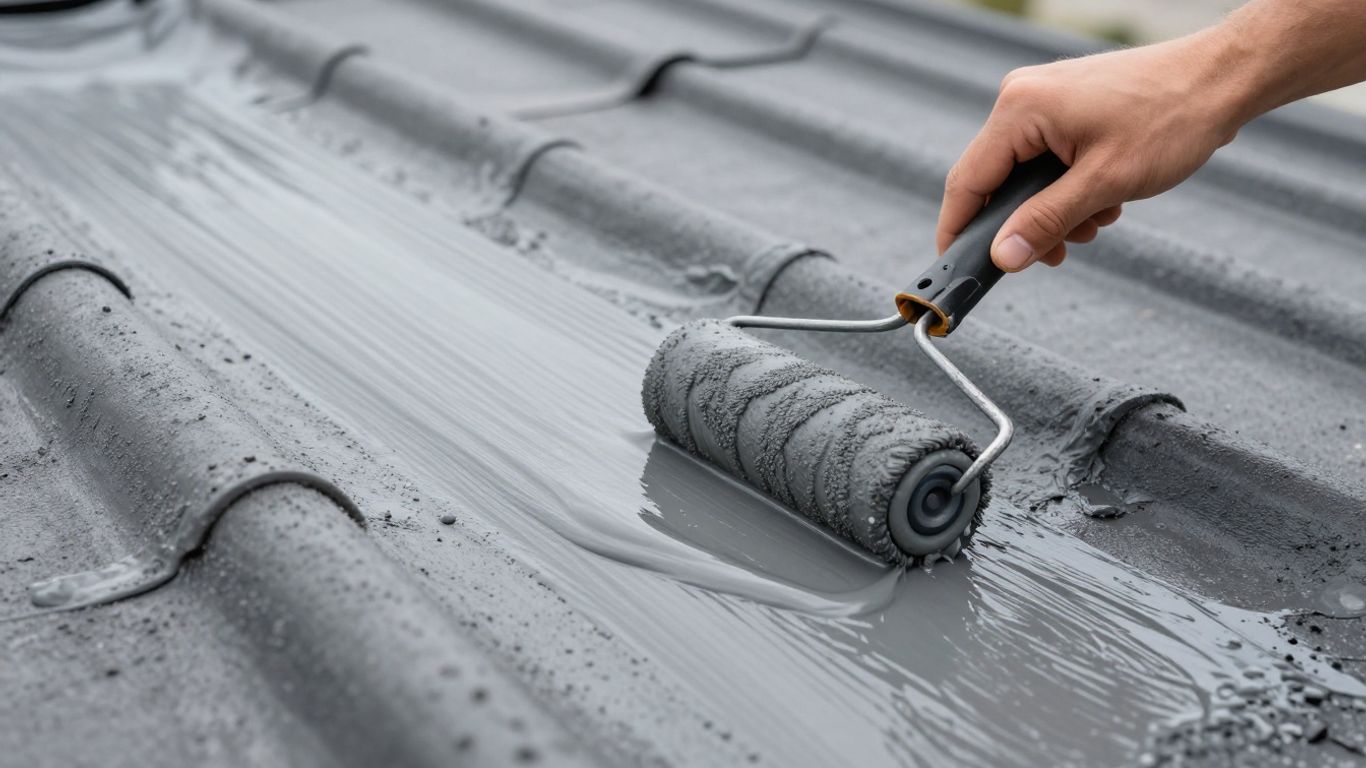
Once your surface is prepped and primed, it’s time for the main event. You’ll typically apply the liquid waterproofing in multiple coats. This builds up the thickness needed to create a proper barrier. It’s important to apply each coat evenly, without missing any spots. Pay extra attention to corners, edges, and any joints or penetrations – these are common weak points where water likes to sneak in. Using a roller or brush for the main areas and a smaller brush for the tricky bits usually works well. Some products can be sprayed on, which can be quicker for large areas, but requires specific equipment and skill to get an even finish. The goal is a continuous, flexible membrane with no gaps or thin spots.

SPECIFIC APPLICATIONS FOR LIQUID MEMBRANES

WATERPROOFING BATHROOMS AND WET ROOMS

When it comes to bathrooms and other wet areas in your home, like ensuites or laundry rooms, getting the waterproofing right is pretty important. Liquid-applied membranes are a top choice here because they can create a completely sealed barrier. Think about all those nooks and crannies – showers, around the bath, and where the walls meet the floor. Liquid membranes can get into all those tricky spots, forming a continuous, watertight layer. This is especially good for preventing water from seeping behind tiles and causing bigger problems down the track. They’re applied in a liquid form, often with a roller or brush, and then they cure into a flexible, rubber-like sheet. This flexibility means they can handle small movements in the building without cracking, which is a common issue with rigid materials. For bathrooms, you’ll typically see them applied up to a certain height on the walls, particularly in shower areas, and across the entire floor before tiling.

PROTECTING BALCONIES AND TERRACES

Balconies and terraces are exposed to the elements pretty much all the time. Rain, sun, and temperature changes can really take a toll. Liquid waterproofing is a great way to protect these outdoor living spaces. It forms a tough, flexible skin over the concrete or other substrate. This membrane needs to be able to handle foot traffic, so durability is key. It also needs to cope with water pooling and draining away effectively. Many liquid membranes are UV stable, meaning they won’t break down when exposed to sunlight, which is a big plus for Australian conditions. The application usually involves preparing the surface thoroughly, applying a primer, and then rolling or spraying on multiple coats of the liquid membrane. Special attention is paid to edges and drainage points to make sure water is directed away from the building structure.

SEALING ROOFS AND PODIUM DECKS

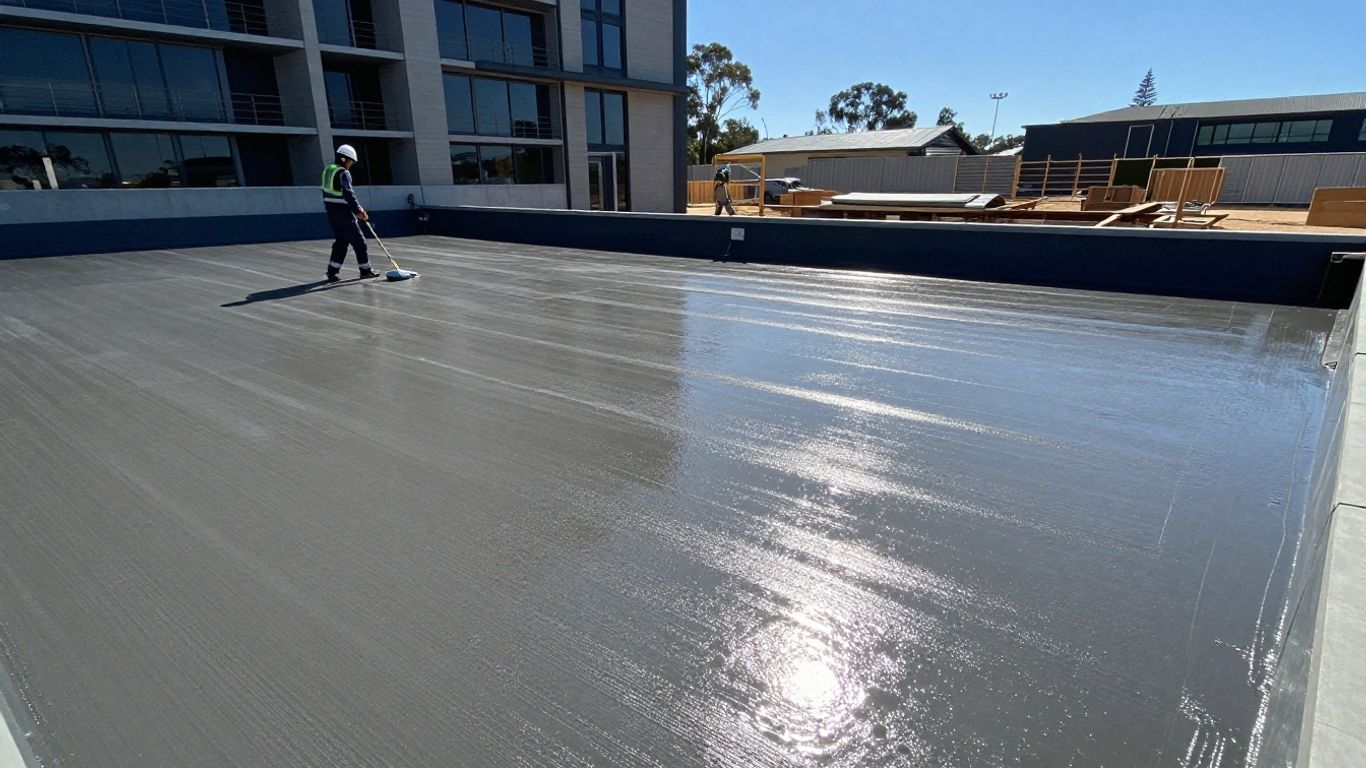
Roofs and podium decks are essentially the ‘hats’ and ‘caps’ of your home, and they need serious protection from water. Liquid membranes are really useful for these areas, especially on flat or low-slope roofs where water can sit for a while. They create a seamless, monolithic layer that water just can’t get through. Unlike some other methods, liquid membranes don’t have seams or joints that can become weak points. This is a big advantage when you’re dealing with large expanses. For roofs, you’ll want a membrane that’s not only waterproof but also resistant to UV rays and temperature extremes – think scorching summer days and cooler nights. Some systems can even be walked on, making them suitable for accessible roof areas or podium decks. The key is a good bond to the substrate and a consistent thickness across the entire surface to guarantee a long-lasting seal.

ADVANTAGES OF LIQUID APPLIED WATERPROOFING

Liquid applied waterproofing systems really do offer some solid benefits, especially when you’re trying to keep your Australian home dry and protected. They’re not just another product on the shelf; they’re a smart choice for a few key reasons.

Creating a Flexible, Crack-Resistant Membrane

One of the biggest pluses with liquid waterproofing is how it forms a continuous, flexible barrier. Unlike some other methods that rely on joining separate sheets, liquid membranes cure into a single, solid layer. This flexibility is a real game-changer, particularly in climates like ours that can experience significant temperature swings.

  • Adapts to building movement: Homes settle and shift, especially with our hot summers and cooler winters. A flexible membrane can stretch and move with the building structure without cracking.
  • Bridges minor cracks: If small hairline cracks appear in the substrate over time, the liquid membrane can often bridge them, maintaining its waterproof integrity.
  • Reduces stress points: The continuous nature means there are fewer weak spots compared to systems with seams or overlaps.

Preventing Water Seepage Through Seams

This is where liquid waterproofing really shines. Think about all those tricky corners, pipe penetrations, and junctions in a bathroom, on a balcony, or around a roofline. Traditional methods often involve overlapping materials, and these overlaps can become weak points where water eventually finds its way through. Liquid membranes, when applied correctly, create a completely monolithic surface. This means there are no seams, no laps, and therefore, no obvious places for water to start seeping in. It’s like painting on a second skin for your building.

Offering a Long-Lasting Protective Layer

When you invest in waterproofing, you want it to last. Liquid applied membranes, particularly the polyurethane and polyurea types, are known for their resilience and longevity. They’re designed to withstand the harsh Australian environment, including prolonged exposure to UV radiation and varying weather conditions.

  • Durability: They form a tough, durable surface that resists wear and tear.
  • Weather resistance: Many formulations are specifically designed to handle our intense sun and rain.
  • Chemical resistance: Some types also offer good resistance to common household chemicals or environmental pollutants.

Choosing a liquid waterproofing solution means you’re opting for a system that can adapt to the dynamic nature of building structures and environmental stresses. Its ability to form a continuous, unbroken barrier is a significant advantage in preventing water ingress, especially in areas prone to movement or complex detailing. This translates to a more reliable and enduring protection for your home against the elements.

While the initial application might require careful preparation and specific conditions, the long-term benefits of a seamless, flexible, and durable waterproof barrier are substantial for any Australian home owner looking to safeguard their property.

CONSIDERING POLYURETHANE LIQUID MEMBRANES

The Benefits of Polyurethane Flexibility

Polyurethane liquid membranes are a bit of a standout when it comes to waterproofing. What really sets them apart is their flexibility. Think about it – our Aussie climate can throw some serious curveballs, with temperatures swinging wildly from scorching hot to surprisingly cool. Polyurethane membranes are designed to handle this. They can expand and contract along with the building as the temperature changes, which means they’re far less likely to crack or split over time. This flexibility is a big deal for creating a truly waterproof barrier that lasts.

Suitability for Extreme Weather

Because of that inherent flexibility, polyurethane membranes are a solid choice for areas that experience harsh weather. They hold up well against things like intense UV exposure and significant temperature fluctuations, which are pretty common across many parts of Australia. This makes them a reliable option for protecting roofs, balconies, and other exposed surfaces that take a beating from the elements. They offer a robust defence against water ingress, even when conditions get tough.

Durability for Residential and Commercial Use

When you’re looking for a waterproofing solution that’s going to go the distance, polyurethane membranes are definitely worth a look. They create a tough, durable layer that resists wear and tear. This makes them suitable for all sorts of applications, from protecting your own home to larger commercial projects where longevity is key. While they might involve a bit more prep work and can be a bit pricier upfront compared to some other options, the long-term performance and peace of mind they offer are often well worth the investment.

UNDERSTANDING WATERPROOFING STANDARDS

When you’re dealing with waterproofing in Australia, there are specific rules and guidelines you need to be aware of. It’s not just about slapping on some goo and hoping for the best. These standards are in place to make sure your home is actually protected from water damage, which can get pretty serious and expensive here with our varied weather.

Navigating Australian Standards for Wet Areas

In Australia, the main document you’ll hear about is AS 3740, which is the standard for waterproofing domestic wet areas. This standard basically tells you where waterproofing needs to go and how high it needs to be in places like bathrooms, laundries, and ensuites. For instance, in a shower recess, the entire floor needs to be waterproofed, and the walls need to be sealed up to at least 1800mm, or 150mm above the shower rose, whichever is higher. It’s pretty detailed stuff, and getting it wrong can lead to big problems down the track.

The Importance of Compliance

Why bother with all these standards? Well, compliance is key for a few reasons. Firstly, it’s about making sure your home is actually protected. Following AS 3740 means you’re using a system that’s been tested and proven to work against water ingress in typical wet areas. Secondly, if you ever need to make an insurance claim related to water damage, or if you’re selling your home, having work done to the Australian Standards can be a big deal. It shows the work was done correctly and professionally. Not complying with these standards can void warranties and lead to significant repair costs later on.

Licensed Applicators and Certification

This is where things can get a bit tricky, especially if you’re thinking of doing it yourself. In many parts of Australia, particularly for new builds or major renovations, waterproofing needs to be signed off by a licensed professional. This means a qualified and licensed waterproofing applicator will do the work, and then provide you with a certificate of compliance. This certificate is your proof that the waterproofing meets the required standards. While it might seem like an extra cost, having a licensed applicator and the correct certification gives you peace of mind and protects your investment. It’s always best to check with your local council or building certifier about the specific requirements in your area before you start any work.

Understanding and adhering to waterproofing standards isn’t just a bureaucratic hurdle; it’s a fundamental step in safeguarding your home against the persistent threat of water damage. It ensures that the solutions you choose and the way they are applied provide genuine, long-lasting protection, especially important given Australia’s diverse and often harsh environmental conditions.

ADDRESSING WALL WATER LEAKAGE ISSUES

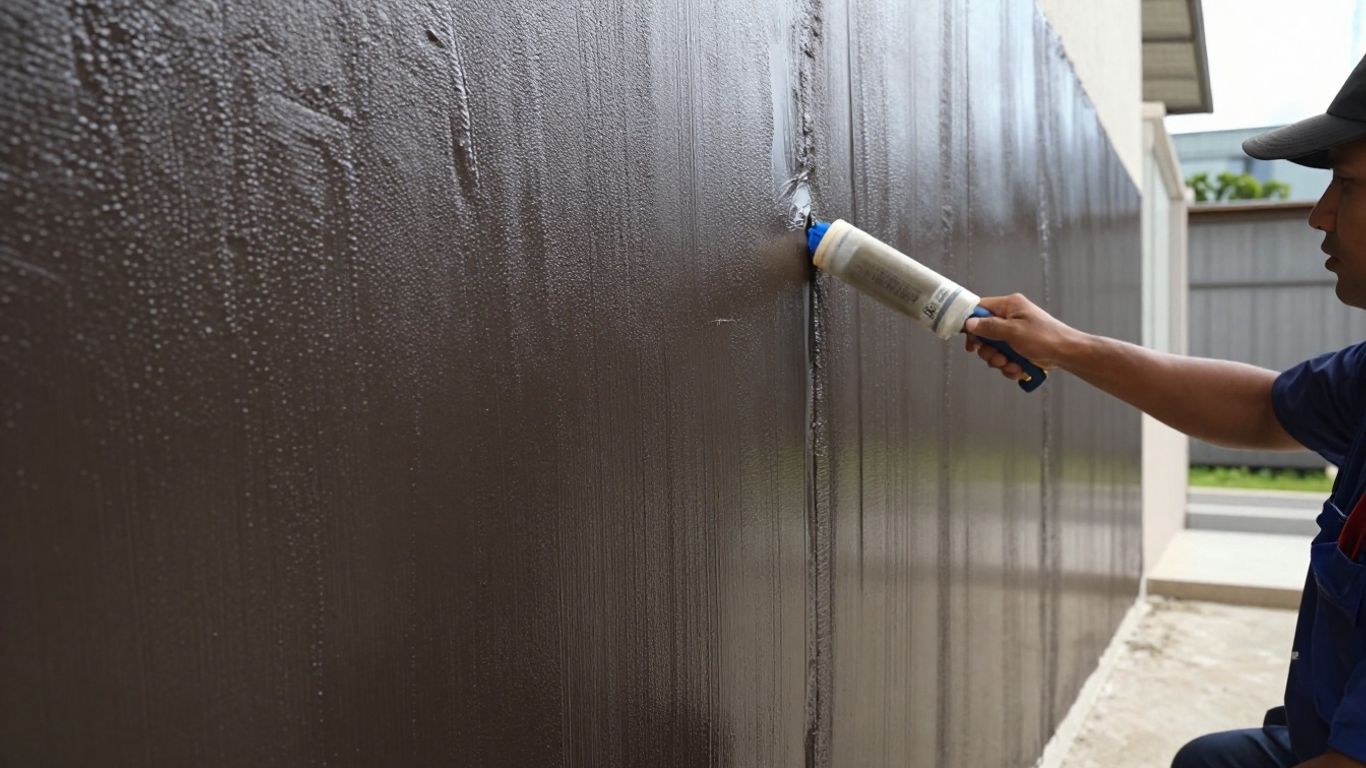
Homeowner applying liquid waterproofing to exterior wall.

Water damage to walls can be a real headache, turning a comfortable home into a source of constant worry. It’s not just about the unsightly stains; unchecked leaks can compromise the structural integrity of your home and lead to mould growth. Understanding the common culprits behind wall seepage is the first step to tackling the problem effectively.

COMMON CAUSES OF WALL SEEPAGE

Wall leaks often stem from a combination of external and internal factors. Externally, issues with your home’s drainage system are frequent offenders. Blocked gutters or downpipes can cause water to overflow and pool around your foundations, putting pressure on walls. Poorly graded landscaping that directs water towards the house also contributes significantly. Over time, even small cracks in mortar or render can allow moisture to penetrate, especially during heavy rainfall common in many parts of Australia.

THE IMPACT OF EXTERIOR DRAINAGE

Your home’s exterior drainage is its first line of defence against water ingress. When gutters are clogged with leaves and debris, rainwater can’t flow away freely. Instead, it spills over the sides, saturating the ground near your walls. This constant dampness can weaken building materials and create pathways for water to seep into the wall cavity. Similarly, if the ground slopes towards your house, water will naturally gravitate towards your foundations and walls, exacerbating any existing vulnerabilities.

INTERIOR FACTORS CONTRIBUTING TO MOISTURE

It’s not always about what’s happening outside. Inside your home, inadequate ventilation is a major contributor to moisture buildup. In bathrooms, kitchens, and laundry areas, steam and humidity can get trapped, especially if there’s poor airflow. This moisture can condense on cooler surfaces, like behind furniture or in poorly ventilated corners, creating ideal conditions for mould and mildew. Plumbing leaks within walls, though often hidden, can also cause significant water damage over time, only becoming apparent when stains appear or damp patches form.

Identifying the root cause of wall water leakage is paramount. Simply treating the symptom, like painting over a stain, won’t solve the underlying problem and will likely lead to recurring issues. A thorough assessment, considering both external drainage and internal moisture sources, is key to selecting the right waterproofing solution.

MAINTAINING YOUR HOME’S WATERPROOFING

Keeping your home’s waterproofing in good nick is pretty important, not just for stopping leaks but for the overall health of your place. Think of it like regular check-ups for your house – they catch little issues before they turn into big, expensive headaches.

Preventing Mould Growth and Dampness

Mould and dampness aren’t just unsightly; they can actually affect the air quality inside your home and even damage building materials over time. Regular checks, especially in areas prone to moisture like bathrooms and kitchens, can help spot early signs.

  • Ventilation is key: Make sure bathrooms and laundries have working exhaust fans.
  • Wipe down wet surfaces: After showers, give shower screens and walls a quick wipe.
  • Check for leaks: Keep an eye out for any drips or damp patches, even small ones.

Protecting Foundations from Water Infiltration

Your home’s foundations are its bedrock, literally. Water pooling around the base of your house can cause serious structural problems down the track. This is where good external drainage and well-maintained waterproofing membranes come into play.

  • Clear gutters and downpipes: Ensure they’re free of leaves and debris so water can flow away from the house.
  • Check soil levels: The ground around your foundation should slope away from the house.
  • Inspect external walls: Look for any cracks or gaps where water might be getting in.

The Role of Waterproofing in Home Maintenance

Waterproofing isn’t a ‘set and forget’ job. It’s an ongoing part of looking after your property. Regular inspections and prompt repairs are far more cost-effective than dealing with major water damage. Think of it as an investment in your home’s longevity and your own peace of mind.

A proactive approach to waterproofing maintenance can save you a fortune in the long run. It’s about being observant and addressing minor issues before they escalate into significant structural concerns.

Keeping your home dry is super important, and that means looking after its waterproofing. Regular checks can catch small problems before they become big, leaky headaches. Don’t wait for water damage to strike; make sure your home is protected. Visit our website today to learn more about how we can help keep your home safe and dry.

Wrapping Up Your Waterproofing Choice

So, picking the right waterproofing for your place can feel like a big job, but it’s definitely worth the effort. We’ve looked at different options, from liquid membranes that seal up nicely to other types that might suit different spots around your home. Remember to think about our Aussie weather, where it’s going to go, and how long you want it to last. Getting this right means fewer headaches down the track and a home that’s protected from whatever the sky throws at it. Don’t skimp on this – a solid waterproofing job is a smart move for any homeowner.

Frequently Asked Questions

What exactly is liquid waterproofing?

Think of liquid waterproofing like a special paint or coating you put on surfaces. Once it dries, it turns into a strong, rubbery layer that stops water from getting through. It’s great because it can cover tricky shapes and corners without leaving any gaps for water to sneak in.

Why is waterproofing so important for homes in Australia?

Australia has some wild weather! We get scorching heat and heavy rain. Without good waterproofing, water can seep into your walls and foundations, causing mould, damage, and expensive repairs. Proper waterproofing keeps your home dry and safe from these problems.

Can I do liquid waterproofing myself?

For smaller jobs, yes! Liquid waterproofing is often easier to apply than other types. You usually just need to prepare the surface well and then paint or roll it on. However, for big areas or if you’re unsure, it’s always best to get a professional.

Which areas of my house need waterproofing the most?

Bathrooms and wet rooms are number one because of showers and baths. Balconies, terraces, and roofs also need protection from rain. Even laundry rooms and kitchens can benefit from waterproofing to guard against spills and leaks.

How long does liquid waterproofing last?

Good quality liquid waterproofing can last for many years, often decades! It’s designed to be tough and flexible, so it can handle the ups and downs of temperature without cracking. Choosing a durable product means long-term protection for your home.

What’s the difference between polyurethane and other liquid membranes?

Polyurethane is a type of liquid membrane known for being super flexible and strong. It can stretch and shrink with temperature changes, which is perfect for Australia’s climate. This makes it really good at preventing cracks and lasting a long time, even in tough weather.

Do I need to follow any rules or standards for waterproofing in Australia?

Yes, you do. Australia has specific standards, like AS 3740, that tell you how and where waterproofing needs to be done, especially in wet areas. It’s important to follow these rules to make sure your waterproofing is done correctly and safely. Sometimes, you’ll need a licensed professional to check the work.

What if my walls are already leaking?

Leaking walls can happen for many reasons, like bad drainage outside, cracks in the walls, or even plumbing issues inside. Before you waterproof, it’s important to figure out why the wall is leaking. Sometimes, fixing the outside drainage or repairing cracks is the first step before applying a waterproofing solution.

NSW Building Law Overhaul Sparks Fierce Opposition: Consumer Protections Under Threat?

New South Wales is navigating a complex landscape of building law reforms, with recent amendments to strata legislation and broader building regulations drawing significant attention and criticism. While the government aims to streamline processes and enhance accountability, opposition parties and industry stakeholders are raising concerns about potential impacts on consumer protections and the increased risk of shoddy workmanship.

KEY TAKEAWAYS

  • Proposed changes to NSW building laws are facing strong opposition, with critics arguing they weaken consumer protections.
  • Amendments to strata legislation aim to improve governance and developer accountability but have also introduced complexities.
  • Concerns exist regarding reduced timeframes for pursuing claims against faulty building work and potential exposure to unqualified labour.
  • The government maintains the reforms are necessary to modernise the industry and hold parties accountable.

CONSUMER PROTECTIONS UNDER SCRUTINY

The introduction of new building laws in NSW has ignited a debate, with the Opposition labelling them a "backwards step" that could leave property owners vulnerable. A key point of contention is the reduction in the timeframe for homeowners to pursue claims against shoddy work and building faults from six years to two years, unless the fault is deemed a "major defect." This change, according to critics, makes it significantly harder for homeowners to seek recourse for issues that may not become apparent within the shorter window.

Furthermore, concerns have been raised about the relaxation of licensing rules for general construction work valued under $5,000. While specialist trades like plumbing and electrical work still require a licence, the opposition fears this could open the door to unqualified labour, potentially leading to issues with dangerous materials and substandard work.

STRATA LAW AMENDMENTS AND DEVELOPER ACCOUNTABILITY

Recent amendments to strata legislation are also a focal point. These changes, implemented in stages, aim to enhance transparency and accountability within strata schemes. Key reforms include requiring owners corporations to offer payment plans for overdue levies before debt recovery and introducing financial hardship information statements for owners. Building managers now face new obligations to act in the best interests of owners corporations, with disclosure requirements for conflicts of interest.

Developer accountability is also being strengthened, with new duties related to initial maintenance and handover of construction documents. Penalties are being introduced for failing to provide these crucial records to owners corporations at the first Annual General Meeting. However, a significant proposed change to Section 106 of the Strata Schemes Management Act 2015 aims to extend the limitation period for owners to bring claims against owners corporations for failure to repair common property from two years to six years. This extension, while aligning with some warranty periods, significantly increases the potential exposure for owners corporations, particularly concerning latent defects.

GOVERNMENT’S RESPONSE AND INDUSTRY IMPLICATIONS

Fair Trading Minister Matthew Mason-Cox has defended the new laws, stating they send a strong message to the industry and will ensure accountability for those who hide behind company structures. He highlighted clarified definitions of major defects, including waterproofing and fire safety systems, which will now have a six-year protection period, while minor defects will be covered for up to two years.

The ongoing reforms signal a significant shift in NSW’s building and strata management landscape. While the government’s intent is to modernise the sector and protect consumers, the opposition and industry bodies are urging for more robust consultation and a greater focus on ensuring that these changes do not inadvertently compromise the quality of construction and the rights of property owners.

SOURCES

Keep Your Home Dry: Essential Tips for a Waterproof Basement in Australia

Living in Australia means dealing with some pretty unpredictable weather, and our homes, especially the basements, can take a beating. If you’ve ever found damp patches or that musty smell creeping in after a big rain, you know the drill. Keeping your basement dry isn’t just about making it look nice; it’s about protecting your home’s structure and your belongings. This guide is here to walk you through how to get a waterproof basement, covering everything from spotting the early signs of trouble to sorting out the best ways to keep water out for good. We’ll look at what causes the problems and what you can actually do about them, especially with our unique Aussie conditions.

Key Takeaways

  • Water damage costs a lot to fix, so getting a waterproof basement is a smart move to avoid bigger bills down the track.
  • Look out for common water entry points like cracks in walls and poor soil grading, as these let water in easily.
  • Exterior waterproofing, like digging down and adding membranes, is often the best way to stop water before it even reaches your walls.
  • Sump pumps and drainage systems are important backups, especially if water does get close, and they need to be kept clear.
  • While DIY fixes can handle small jobs, professional help is usually needed for serious waterproofing to make sure it’s done right for our climate and soil types.

Understanding why your basement needs waterproofing
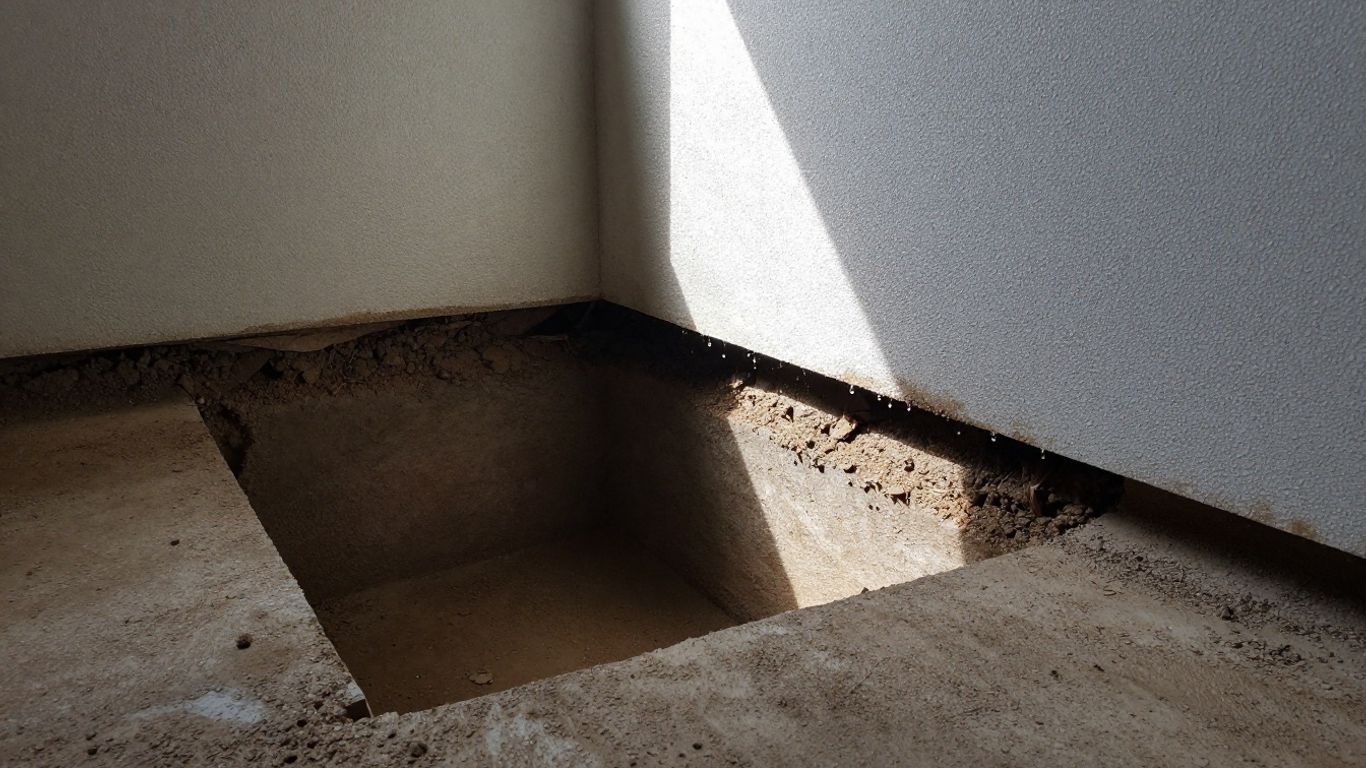
Dry basement with water protection in Australia.

The impact of Australian rainfall on basements

Australia’s weather can be pretty unpredictable, and that includes some serious rainfall. When heavy rain hits, especially in areas like Illawarra, it puts a lot of pressure on your home’s foundation. Basements, being the lowest part of your house, are right in the firing line. Water doesn’t need a big crack to get in; it’s pretty good at finding any weak spot. We’ve seen it happen time and again – water damage in basements can end up costing a fortune to fix.

Identifying common water entry points

Water can sneak into your basement in a few different ways. One of the most common is through cracks in the foundation walls. Even tiny ones, like those wider than 3 mm, can let water in. Over time, these cracks can get bigger, especially with the constant push and pull from soil moisture and what we call hydrostatic pressure. Another big culprit is poor grading around your house. If the ground slopes towards your foundation instead of away from it, water just pools up against the walls, forcing its way in. It’s a bit like leaving the tap running against your house. We often see issues with gutters too; if they’re overflowing or don’t extend far enough from the house, they just dump water right where you don’t want it.

The role of soil grading in water management

Soil grading is a really important, but often overlooked, part of keeping your basement dry. Basically, it’s about shaping the ground around your home so that water naturally flows away from the foundation. The general rule of thumb is that the ground should slope downwards, about one inch for every foot you move away from the house, for at least 5 to 10 feet. If your yard slopes towards the house, you’re basically creating a little pool that constantly pushes water against your basement walls. This can lead to serious problems down the track, so getting the grading right is a smart move for preventing future damage.

Assessing existing basement water issues

Before you can fix a leaky basement, you need to figure out what’s causing the problem. It’s not always obvious, and sometimes the signs are subtle. Ignoring them can lead to bigger headaches down the track, so it’s worth taking the time to look around.

Signs of water damage and moisture

Keep an eye out for anything unusual. Damp patches on walls or floors are a pretty clear indicator, especially if they’re spreading. You might also notice discolouration or even white, powdery deposits called efflorescence, which is basically minerals left behind after water has evaporated. A persistent musty smell is another red flag – it usually means mould or mildew is starting to grow. If you’re seeing warped floorboards or paint peeling off the walls, that’s water getting in somewhere.

  • Damp spots or discolouration on walls and floors.
  • Lingering musty odours.
  • Efflorescence (white, powdery mineral deposits).
  • Warped flooring or peeling paint.
  • Increased humidity levels, often above 60%.

Inspecting for cracks and structural weaknesses

Water loves a good crack to sneak through. Take a good look at your basement walls and floor. Even small hairline cracks can let water in, especially when the soil outside gets saturated. Settling of the house or movement in the soil can cause these cracks to appear over time. It’s not just about the visible cracks, though. Sometimes, the problem might be with the way the ground slopes away from your house. If water is pooling near the foundation, it’s going to find a way in eventually. Checking your gutters and downpipes is also important; blockages or poor drainage here can direct water right where you don’t want it.

Water follows the path of least resistance. If your foundation has any openings, even tiny ones, water will exploit them. This is why a thorough inspection of the entire foundation structure is so important.

Understanding hydrostatic pressure

This is a big one, especially after heavy rain. Basically, when the soil around your foundation gets waterlogged, it creates a lot of pressure pushing against your basement walls and floor. Think of it like a heavy weight pressing in. This hydrostatic pressure can force water through even tiny pores in the concrete or through existing cracks. If you live in an area with a high water table or experience a lot of rainfall, this is something you definitely need to consider. Addressing this pressure is key to long-term waterproofing, and sometimes it requires looking at exterior waterproofing solutions to manage the water before it even gets near your foundation.

Potential Cause Description
Poor Drainage Gutters overflowing or downpipes directing water towards foundations.
Foundation Cracks Settling soil or earth movement creates entry points for water.
High Water Table Groundwater levels rise during periods of heavy rain.
Inadequate Ventilation Trapped humidity leads to condensation and mould growth.
Surface Water Pooling Water not draining away from the foundation due to grading issues.

If you’re unsure about what you’re seeing or suspect a serious issue, getting a professional assessment is a good idea. They have the tools and experience to pinpoint the exact source of the problem, which can save you a lot of guesswork and money in the long run. Understanding the risks associated with hydrostatic pressure is a vital part of this assessment.

Exterior waterproofing solutions for lasting protection

When we talk about keeping your basement dry for good, tackling water from the outside is really the most effective way to go. It’s all about stopping the water before it even gets a chance to push against your foundation walls. Think of it like building a strong shield around your home’s base.

Excavation and membrane application

This method involves digging around your foundation, exposing the exterior walls. Then, a waterproof membrane is applied directly to the wall. These membranes act as a physical barrier. Some are liquid-applied, while others are sheet membranes, often made from materials like synthetic rubber. The goal is to create a continuous, watertight seal. After the membrane is in place, protective layers like dimpled sheets or geofabric are added, followed by backfill. This whole process needs to be done carefully, paying attention to how the membrane is terminated above ground level and how seams are joined to ensure no water can sneak through. It’s a bit more involved than painting a wall, but it addresses the problem at its source. For lasting protection, consider high-performance membranes.

Installing external drainage systems

Even with a good membrane, managing water around your foundation is key. External drainage systems, often called French drains or weeping tiles, are installed at the footing level. These systems collect groundwater and channel it away from your home, usually to a stormwater drain or a designated discharge point. They work by having perforated pipes laid in a trench filled with gravel, all wrapped in geofabric to stop soil and silt from clogging the system. This helps relieve the pressure of water building up against your foundation. Proper slope is vital here, so the water actually moves away and doesn’t just sit there.

The benefits of stopping water at the source

Stopping water before it reaches your basement walls is the gold standard for a reason. Interior fixes, like sealants or paints, are really just treating the symptoms. They might slow down moisture for a bit, but the water pressure from the soil outside is still there, constantly pushing. This can lead to bigger problems down the track, like structural damage or mould growth that’s hard to get rid of. Exterior solutions, on the other hand, deal with the root cause. They prevent water from ever saturating your foundation, which means a drier basement and a healthier home structure overall. It’s an investment that pays off by avoiding costly repairs later on.

The effectiveness of exterior waterproofing lies in its proactive approach. By creating a barrier and managing water flow away from the foundation, it significantly reduces the risk of water ingress and the associated damage. This method is generally considered more robust and longer-lasting than interior treatments alone.

Here’s a quick look at what’s involved:

  • Excavation: Digging around the foundation to expose the walls.
  • Membrane Application: Installing a waterproof barrier.
  • Drainage Installation: Laying pipes to collect and divert water.
  • Protection Layers: Adding geofabric and drainage cells before backfilling.

While it might seem like a big job, getting exterior waterproofing done right the first time can save a lot of headaches and money in the long run. It’s about building a resilient home that can handle whatever the Australian weather throws at it.

Interior waterproofing methods and materials

While tackling water issues from the outside is generally the most effective long-term strategy, sometimes you need to focus on what’s happening inside your basement. Interior waterproofing methods and materials are often used as a secondary defence or when external work isn’t feasible. They work by managing water that has already found its way through your foundation walls or floor.

Applying sealants and masonry paints

Waterproof paints and sealants are probably the most common DIY approach for interior basement waterproofing. You can find these at most hardware stores. They’re designed to create a barrier on your interior walls, stopping minor dampness from seeping through. Think of it like putting a fresh coat of paint on a leaky bucket – it might hold a bit of water for a while, but it’s not going to fix the hole.

These products are great for dealing with light moisture or condensation. You’ll want to make sure your walls are clean and dry before you start applying them. Any dirt or old paint can stop the sealant from sticking properly. You usually need a few coats to get decent coverage. While they can make your basement look a lot nicer and help with musty smells, they don’t actually stop water pressure from the outside. So, if you’ve got a serious leak or water pushing against your foundation, these might only be a temporary fix.

The function of interior drainage systems

Interior drainage systems are a more robust solution for managing water that gets into your basement. These systems are installed around the perimeter of your basement floor. They work by collecting water that seeps through the walls or up through the floor and directing it to a sump pump, which then pumps the water away from your house. It’s a bit like installing gutters on the inside of your basement.

There are a few types, but a common one involves cutting a channel in the concrete floor around the edges. A perforated pipe is laid in this channel, covered with gravel, and then sealed over with new concrete. This pipe connects to a sump pit where the water gathers. When the water level in the pit gets high enough, the sump pump kicks in automatically. This setup is really good at managing significant water intrusion and preventing flooding. It’s a more involved process than just painting walls, and often requires professional installation to get it right.

Choosing the right waterproofing materials

When you’re looking at interior waterproofing, the materials you choose really matter. For paints and sealants, look for products specifically designed for basements and concrete. Some are cement-based, while others are acrylic or epoxy. Each has its pros and cons depending on the type of moisture you’re dealing with. For example, an epoxy coating might be tougher and more resistant to chemicals than a basic masonry paint.

For drainage systems, the quality of the pipe, gravel, and the sump pump itself is important. A good quality sump pump, for instance, is less likely to fail when you need it most. You might also consider materials that are resistant to corrosion, especially if you live in an area with mineral-rich groundwater. If you’re unsure, it’s always a good idea to get some advice from a professional. They can help you select high-quality membranes and other materials suited to your specific situation and Australian conditions. Some advanced options, like FW-11 Polyaspartic Polyurea, are known for their extreme durability and quick application, offering robust protection for your basement.

Essential drainage and water removal systems

Even with the best exterior waterproofing, sometimes water finds a way in, or your site just has a lot of groundwater. That’s where drainage and water removal systems come into play. They’re like your basement’s backup plan, working to get water out before it causes real damage.

The importance of sump pumps

A sump pump is basically a pump installed in a pit, usually at the lowest point of your basement. Its job is to collect any groundwater that seeps in and pump it away from your home. Think of it as the last line of defence against a flooded basement. For areas with heavy rainfall, like parts of Queensland, it’s a good idea to have a battery backup for your sump pump. This way, it keeps working even if the power goes out during a storm.

Maintaining external drainage effectiveness

Your external drainage system, like French drains or weeping tiles around your foundation, needs to work properly for the sump pump to be effective. This system needs to slope correctly so water naturally flows towards the collection point. Blockages from dirt, roots, or debris can stop this flow. Regularly checking and clearing these drains is key. It’s a simple task that can prevent a lot of bigger problems down the track. Keeping gutters clear is also a big part of this; overflowing gutters dump way too much water right next to your foundation.

How interior drains collect water

Interior drainage systems, often called interior perimeter drains or French drains, are installed inside your basement along the walls. They catch water that might seep through the foundation walls or floor before it can spread and pool. This collected water then flows into the sump pit, where the pump takes over. These systems are particularly useful when external excavation isn’t feasible or as an added layer of protection. They work by creating a channel for water to follow, directing it safely away from your living space. For long-term protection, combining these interior systems with exterior waterproofing methods, like a good membrane installation, provides the most robust defence against water intrusion. You can find expert help for these kinds of solutions from companies specialising in basement leak waterproofing.

Water management in a basement isn’t just about stopping water from getting in; it’s also about having a plan for the water that inevitably collects. A well-maintained drainage system, coupled with a reliable sump pump, can save your basement from significant damage and costly repairs. It’s about being prepared, especially in Australia’s varied climate.

Addressing specific Australian climate challenges

Managing moisture in humid conditions

Living in many parts of Australia means dealing with sticky, humid air, especially during the warmer months. This isn’t just uncomfortable; it’s a real problem for basements. High humidity means there’s a lot of moisture in the air, and this can lead to condensation forming on your basement walls and floors. Over time, this dampness can encourage mould and mildew growth, which is bad for your health and can damage your belongings. To combat this, good ventilation is key. Think about installing exhaust fans or even a simple air vent to keep the air moving. A dehumidifier is also a really good idea for basements in these conditions. It actively pulls moisture out of the air, keeping things dry and preventing that musty smell. Regularly checking your basement for any signs of dampness, like water stains or a musty odour, is a good habit to get into.

Dealing with reactive clay soils

Many Australian regions, particularly around Brisbane, have what we call reactive clay soils. These soils are a bit like a sponge – they swell up when they get wet and shrink when they dry out. This constant expanding and contracting puts a lot of stress on your home’s foundation. When the soil swells, it pushes against your basement walls, creating significant hydrostatic pressure. This pressure can force water through even tiny cracks in the concrete. If you have clay soil, it’s really important to make sure your exterior waterproofing is top-notch. This often involves using robust membranes and ensuring your drainage systems are working perfectly to divert water away from the foundation before the soil has a chance to absorb it. Sometimes, adding a layer of geofabric during backfilling can help prevent the soil from clogging up your drainage systems.

Extending downpipes for better water diversion

This might sound like a small thing, but it makes a huge difference. Downpipes from your gutters are designed to carry rainwater away from your house. However, if they just dump water right next to your foundation, you’re essentially creating a mini-waterfall that soaks into the ground right where you don’t want it. Properly extending your downpipes so they discharge water at least a metre, preferably more, away from your home’s foundation is a simple yet incredibly effective way to prevent water from pooling around your basement. This stops excess water from building up against your walls and reduces the load on your drainage systems. It’s a basic step that many homeowners overlook, but it’s vital for keeping your basement dry, especially during those heavy Australian downpours. It’s a proactive measure that can save a lot of trouble down the line, and it’s something you can often do yourself or have a plumber handle relatively easily. For more information on foundation waterproofing services, you might want to look into expert foundation waterproofing.

DIY versus professional basement waterproofing

Deciding whether to tackle basement waterproofing yourself or call in the pros can be a tough call. While some smaller jobs might seem manageable for a keen DIYer, many basement waterproofing projects in Australia, especially with our varied soil types and rainfall, really benefit from professional know-how.

When to consider a DIY approach

For minor issues, like sealing up a few small cracks on an interior wall, a DIY approach might be suitable. You can pick up hydraulic cement or epoxy fillers from your local hardware store. The key here is preparation: make sure the area is clean and dry before you apply the product. It’s a good idea to keep an eye on the spot afterwards to see if the problem pops up again. This kind of fix is usually more about cosmetic touch-ups than a long-term solution for serious water problems.

  • Clean the affected area thoroughly.
  • Apply filler or sealant according to product instructions.
  • Monitor the area for any signs of recurring moisture.

The advantages of professional expertise

When you’re dealing with more significant water ingress or potential structural issues, bringing in a professional is often the smarter move. They have the experience to figure out exactly where the water is coming from and what the best way to stop it is. Professionals also have access to better tools and higher-quality materials that aren’t always available to the general public. This means they can often provide a more robust and lasting solution. Plus, they’re usually familiar with local building codes and standards, which can save you a lot of hassle down the track. For instance, understanding negative hydrostatic pressure waterproofing in Brisbane and the Gold Coast requires specific knowledge that a professional will have.

A professional assessment is key. It helps identify the full scope of the problem, including any hidden damage, before work begins. This prevents unexpected costs and ensures the right solution is applied from the start, saving you money in the long run compared to fixing bigger issues later.

Understanding the scope of professional services

Professional waterproofing services cover a wide range of solutions. They can handle everything from external excavation and membrane application to installing complex internal drainage systems and sump pumps. They’ll assess your specific situation, considering factors like soil type and the age of your home, to recommend the most effective strategy. This tailored approach means you’re not just patching a symptom; you’re addressing the root cause of the water problem. This kind of preventative work is vital for protecting your property’s structural integrity and value.

Budgeting for basement waterproofing

Figuring out the costs for waterproofing your basement can feel a bit daunting, but it’s a really important step to protect your home. Think of it as an investment rather than just an expense. The price can swing quite a bit depending on what needs to be done. For a typical basement project that involves fixing cracks, putting up a membrane, and installing some drainage, you might be looking at around $3,600 AUD. Of course, if there’s already significant structural damage, that figure will climb.

Estimating costs for different methods

When you’re looking at prices, remember that different methods have different price tags. Exterior waterproofing, which stops water before it even gets to your walls, often involves excavation and can be more costly upfront. Interior solutions, like sealants or drainage systems, might seem cheaper initially, but they often address the symptoms rather than the root cause. It’s worth getting a few quotes to compare. For instance, waterproofing costs in Sydney can range from $70 to $100 per square meter for basements, which is higher than for simpler areas like bathrooms [25d3].

Here’s a rough idea of what you might expect:

  • Exterior Waterproofing: Excavation, membrane application, and drainage systems. Generally the most effective but also the most expensive upfront.
  • Interior Waterproofing: Sealants, paints, and interior drainage. Can be a more budget-friendly option for minor issues, but less effective long-term.
  • Drainage Systems: Sump pumps and French drains. These are often part of a larger waterproofing plan but can be installed separately.

The long-term value of preventive spending

It might be tempting to go for the cheapest option, but that often leads to more expensive repairs down the track. Water damage can cause mould, weaken your foundation, and lead to a whole host of problems that cost a fortune to fix. Spending money on proper waterproofing now can save you thousands in the long run. It’s about protecting your property value and avoiding the stress of dealing with major water damage.

Investing in professional waterproofing is about more than just preventing leaks; it’s about safeguarding the structural integrity of your home and maintaining a healthy living environment. The cost of inaction, measured in structural repairs, mould remediation, and potential health issues, far outweighs the initial investment in a quality waterproofing system.

Understanding insurance and waterproofing

Most home insurance policies don’t cover preventive waterproofing. They might cover damage caused by water leaks, but they usually won’t pay for the waterproofing itself. This is why it’s so important to budget for waterproofing as a proactive measure. It’s a bit like getting your car serviced regularly – you do it to prevent bigger, more costly breakdowns later on. If you’re looking for guidance on making these decisions, contacting a group like the Home Owners Association can provide tailored advice [41d2].

Maintaining your waterproof basement

So, you’ve gone through the effort and expense of waterproofing your basement. That’s fantastic! But here’s the thing: it’s not a ‘set it and forget it’ kind of job. Think of it like owning a car; you wouldn’t just drive it forever without any checks, right? Your basement waterproofing system needs a bit of attention too, especially here in Australia with our varied weather. Keeping things in good working order means you won’t be facing a soggy mess down the track.

Regular inspections and checks

This is probably the most straightforward part of keeping your basement dry. You don’t need to be a waterproofing expert to do this. Just a bit of your time every so often. The goal is to catch small issues before they become big, expensive problems.

Here’s a simple checklist to run through:

  • Visual scan: Walk around your basement. Look for any new damp spots on walls or the floor. Check around pipes and window frames where water might try to sneak in.
  • Smell test: Does it smell musty or damp? That’s a sign moisture is present, even if you can’t see it easily.
  • Check the waterproofing system: If you have an interior drainage system or a sump pump, give them a quick look. Are they clear of debris? Does the sump pump look like it’s ready to go?
  • Exterior check: When it’s not actively raining, take a look outside around your foundation. Is the soil sloping away from the house? Are there any obvious blockages in the drainage channels?

Doing this a couple of times a year, maybe once before the wet season and once after, can make a huge difference. It’s about being proactive, not reactive. For more on preventative maintenance, check out this guide on keeping your basement dry.

Keeping gutters and drains clear

This might sound like it belongs to general home maintenance, and it does, but it’s critically important for your basement’s dryness. Blocked gutters and downpipes are one of the most common culprits for water finding its way to your foundation. When gutters overflow, water pools right next to your house, giving it plenty of opportunity to seep into the ground and then into your basement.

  • Gutters: Clear out leaves, dirt, and any other gunk that accumulates. If you have mesh guards, check those too.
  • Downpipes: Make sure they aren’t blocked at the top or bottom. Water needs a clear path to flow away from your home.
  • Surface drains: If you have any drains around your property, especially near the house, ensure they are clear and functioning.

It’s a simple task, but often overlooked. A quick clean-out can prevent a lot of headaches. Remember to extend your downpipes so they discharge water well away from the foundation.

Ongoing humidity control with dehumidifiers

Even with the best waterproofing systems in place, basements can sometimes be a bit damp. This is especially true in Australia’s more humid regions. High humidity can lead to condensation on walls and pipes, which can then drip and create damp spots, encouraging mould growth. This is where a dehumidifier comes in handy.

  • Purpose: A dehumidifier removes excess moisture from the air, making the environment less hospitable to mould and mildew.
  • Placement: Position it in the lowest part of the basement, where moisture tends to collect.
  • Maintenance: Regularly empty the water tank and clean the filter according to the manufacturer’s instructions. A clogged filter won’t work efficiently.

Running a dehumidifier, particularly during humid periods, helps maintain a healthy air quality in your basement and protects your stored items. It’s a good idea to monitor the humidity levels with a simple hygrometer to know when the unit needs to run. For advice on maintaining waterproofing components, resealing grout and checking drains is a good start.

Ensuring compliance and quality in waterproofing

When it comes to keeping your basement dry, especially here in Australia, making sure the waterproofing job is done right is a big deal. It’s not just about slapping on some paint; it’s about using the right stuff and making sure it’s installed properly to meet local standards. This is where compliance and quality really come into play.

The importance of Australian standards

Australia has specific standards for waterproofing, and they’re there for a good reason. For internal wet areas like bathrooms and laundries, AS 3740 is the go-to standard. It covers things like making sure shower floors are fully waterproofed, walls are protected up to a certain height, and junctions between floors and walls are sealed tight. For external membranes, AS 4654.2 sets out the requirements. Following these standards means your waterproofing system is designed to handle our climate and building practices. It’s about preventing leaks and damage down the track, which can save you a lot of headaches and money.

Warranties on materials and workmanship

When you hire a professional for basement waterproofing, always ask about warranties. A good warranty covers both the materials used and the quality of the work itself. This gives you peace of mind knowing that if something goes wrong, the company stands by its service. Warranties can vary, so understand what’s included and for how long. For example, some might cover materials for 10 years, while workmanship might have a shorter period. It’s wise to get this in writing before any work begins. This is a key part of protecting your investment.

Choosing licensed waterproofing professionals

While some minor DIY fixes might seem tempting, for proper basement waterproofing, especially dealing with significant water issues or complex soil types common in Australia, it’s usually best to bring in the pros. Look for professionals who are licensed and have experience with basement waterproofing in your specific region. They’ll know about local building codes and the best methods for our weather conditions. A licensed professional can assess your situation accurately, recommend the right solutions, and carry out the work to a high standard, often backed by a solid warranty. They have access to better materials and techniques than most homeowners, which can make all the difference in the long run. Getting advice from your Home Owners Association can also point you in the right direction for finding quality services.

Making sure your waterproofing is done right and meets all the rules is super important. We help you get it sorted, so you don’t have to worry. Want to learn more about how we keep things up to scratch? Visit our website today!

Keeping Your Basement Dry: A Final Word

So, there you have it. Keeping your basement dry here in Australia isn’t just about avoiding a bit of dampness; it’s about protecting your home’s structure and your wallet. We’ve talked about why water gets in, from those sneaky cracks to dodgy drainage, and what you can actually do about it, whether it’s sealing things up from the inside or getting serious with exterior work. Remember, a little bit of effort now, like checking your gutters or getting a professional opinion, can save you a whole lot of hassle and money down the track. Don’t wait for the next big downpour to find out your basement isn’t up to scratch. Take these tips on board and give your home the protection it deserves.

Frequently Asked Questions

Why is basement waterproofing so important in Australia?

Australia gets some pretty heavy rain, and basements are like the bottom floor of your house, making them super vulnerable. If water gets in, it can ruin your stuff, cause mould, and even damage the building’s foundations, costing a lot to fix. Waterproofing keeps your basement dry and your home safe.

What are the main ways water gets into a basement?

Water usually sneaks in through cracks in the walls or floor, especially if the soil around your house is really wet and pushing against the walls. Sometimes, if the ground isn’t sloped away from your house properly, water just pools up and finds its way in.

Can I fix basement leaks myself?

For tiny cracks, you might be able to use a sealant yourself. But for bigger problems, like water coming through the walls because of pressure from the soil, it’s best to get a professional. They have the right tools and know-how to fix it properly so it doesn’t happen again.

What’s the difference between fixing from the outside and the inside?

Fixing from the outside, like putting a special waterproof layer on the foundation walls, is usually the best way because it stops water before it even reaches your basement. Fixing from the inside, like painting walls with waterproof paint, is more like a patch-up job. It helps, but the water is still trying to get in from the outside.

How much does basement waterproofing usually cost?

The price can change a lot depending on how big your basement is and what needs to be done. Simple fixes from the inside might be cheaper at first, but fixing it properly from the outside often costs more upfront. However, it’s usually cheaper in the long run than dealing with water damage later.

How long does basement waterproofing last?

If it’s done really well, a waterproofed basement can last for about 10 to 15 years, sometimes even longer. Keeping an eye on it and doing little bits of maintenance, like cleaning out gutters, helps it last much longer.

What’s a sump pump and do I need one?

A sump pump is like a little helper that sits in a pit in your basement. If water does get in, it pumps it out and away from your house. You’ll likely need one if your basement is prone to flooding, especially if you live in an area with lots of rain or a high water table.

How does the Australian climate affect basement waterproofing?

Australia has some pretty tough weather! We get heavy rain, especially in certain seasons, and some areas have soils that swell up when wet. This means more pressure on your basement walls. Also, our humid weather can cause mould if there’s any dampness, so good waterproofing and ventilation are super important.

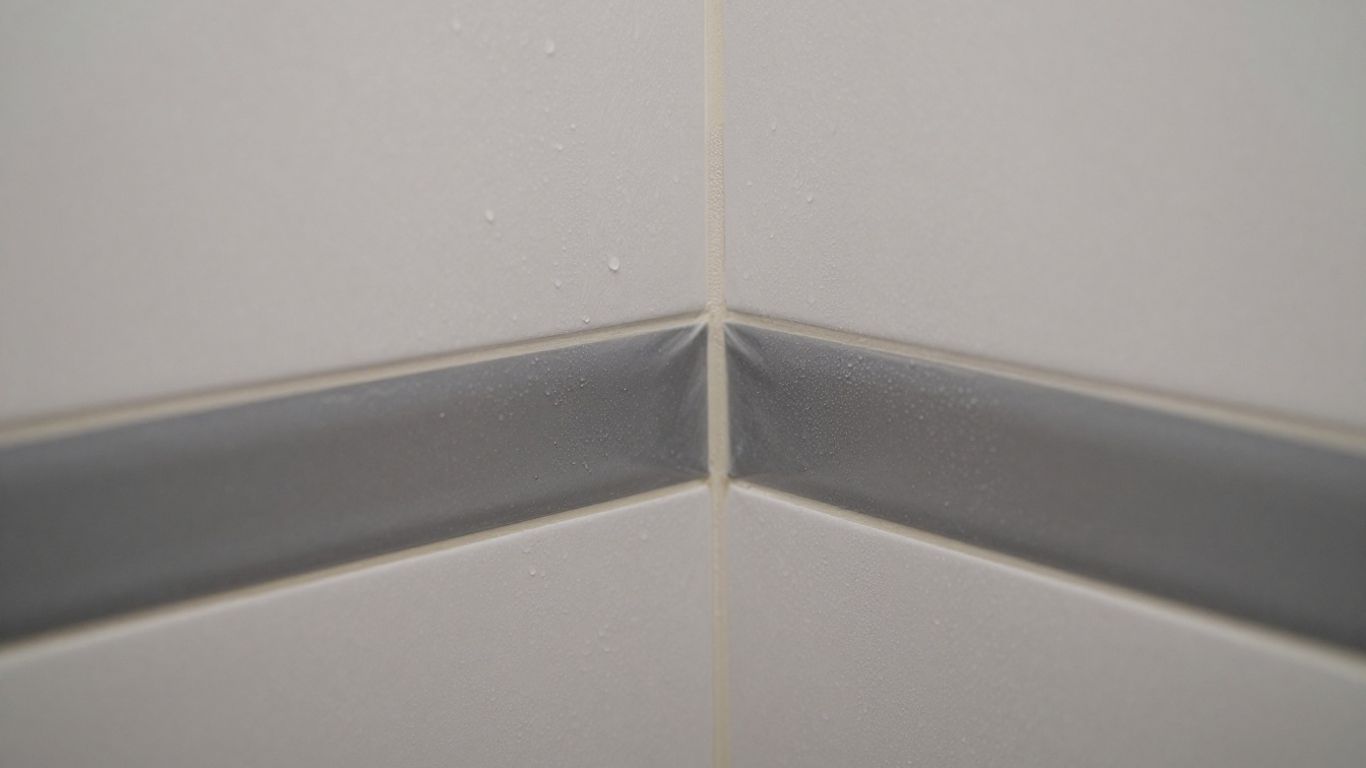
NCC 2025 Draft Unveiled: Key Changes for Energy Efficiency, Electrification, and Building Standards

The Australian Building Codes Board (ABCB) has released the public comment draft for the National Construction Code (NCC) 2025, proposing significant updates across energy efficiency, electrification, condensation management, and waterproofing. These changes, ranging from minor edits to substantial overhauls, aim to reshape Australia’s building landscape.

Key Takeaways

  • Significant updates are proposed for commercial energy efficiency, including mandatory photovoltaic (PV) arrays and pre-provisioning for electric vehicle (EV) charging.
  • Condensation management provisions are being revisited for the third time since 2019, with expanded requirements for vapor permeability and potential mandates for ventilated and drained cavities.
  • Waterproofing requirements for commercial buildings and apartment concrete elements are set to return in an amended form.
  • The proposed implementation date of May 1, 2025, overlaps with NCC 2022 changes, raising concerns about industry transition periods.

Energy Efficiency Enhancements

NCC 2025 introduces more stringent energy efficiency requirements for commercial buildings (Class 3, 5-9, and common areas of Class 2). The draft outlines three increasing levels of stringency. The higher levels mandate the installation of photovoltaic panels on a majority of the building’s roof space. Level 3 further requires additional PV or equivalent capacity to offset the use of gas appliances for heating or hot water, necessitating increased electrical capacity and space for potential retrofits. The highest stringency level aims for ‘net-zero ready’ buildings.

Electrification Focus

The draft also emphasizes supporting electrification. For commercial classes (excluding Class 7a carparks), chargers are proposed for internal and external carparks, with an estimated net cost of at least $1.5 billion. For Class 1 housing, pre-provisioning for electric vehicle charging to one parking space is proposed, mirroring changes made for Class 2 buildings in NCC 2022. This includes the requirement for a dedicated circuit and pathway to a suitable outlet. Additionally, the draft proposes recognizing centralized electric hot-water supply as an alternative to sanitary hot-water systems in Class 2 buildings, offering a solution where space or rooftop PV constraints exist, and aligning with jurisdictional bans on gas in new developments.

Condensation and Waterproofing Revisions

Condensation management provisions are being updated for the third time since NCC 2019. The proposals expand the types of materials required to be vapor permeable across all climate zones and for Class 3 motels and Class 9c aged care buildings. A notable change for buildings in cooler climates (zones 6-8) is the potential ban on direct-fix cladding solutions, mandating the use of ventilated and drained cavities for walls. Changes to roof cavity dimensions and ventilation calculations are also proposed to address existing confusion. These updates are intended to apply to Class 1, 2, 3, and 9c buildings.

Waterproofing requirements for commercial and apartment building concrete balconies, roofs, podiums, Class 7 carparks, and Class 8 factories, previously removed from NCC 2022, are set to return in an amended form. The proposals include a consolidated Performance Requirement F1 for surface water management, rising damp, and external waterproofing, alongside F3 Roof and wall cladding. The scope of water management is expanded to include irrigation, groundwater, and sub-surface overflow from water services. Implications for slab design, mandatory falls, and narrow tolerances are expected, potentially impacting materials, design, and costs.

Industry Concerns and Consultation

The consultation for NCC 2025 proposals occurs while many in the industry are still implementing NCC 2022 changes, raising concerns about the potential for unintended consequences due to a lack of practical experience with the latest code. The proposed May 1, 2025, commencement date also overlaps with NCC 2022 implementation timelines in Victoria and Queensland. The Housing Industry Association (HIA) advocates for a longer transition period, ideally May 1, 2026, or later, to provide the industry with more time. Members are encouraged to review the draft proposals and submit comments to the ABCB by July 1, 2024, via the ABCB’s Consultation Hub.

Sources

Modular construction and innovative technologies proposed to boost housing supply

Australia is grappling with a severe housing crisis, marked by escalating rental costs and a widening gap between homeownership dreams and reality. A significant factor contributing to this crisis is a persistent productivity slump within the construction industry. To address this, there’s a growing push towards modular construction and innovative technologies as potential solutions to accelerate building times and increase housing supply.

Key takeaways

  • Australia faces a critical housing shortage driven by declining construction productivity.
  • Modular and prefabricated construction offer faster build times and potential cost savings.
  • Governments are exploring reforms to streamline approvals and encourage modern construction methods.
  • Investment in technology and workforce training is crucial for scaling these innovations.

The productivity crisis in construction

Despite an increase in construction workers, Australia’s construction productivity has significantly declined over the past decade. This slump means fewer homes are being built per hour worked, leading to increased housing costs and delays. The financial impact is substantial, costing the economy billions annually. This isn’t a temporary issue but a systemic problem that requires innovative solutions beyond traditional approaches.

Embracing modular and prefabricated building

Modular construction, where homes are built in sections in a factory before assembly on-site, is gaining traction. This method can reduce construction costs by up to 20% and speed up building times by up to 50%. Several states, including New South Wales and Western Australia, are implementing reforms to remove barriers to prefabricated homes, aiming for a more streamlined approval process and increased industry certainty. The federal government is also supporting this shift through initiatives like the National Productivity Fund, which incentivises states to adopt modern construction methods.

Technological innovation in building

Beyond modular construction, advancements like Artificial Intelligence (AI), Building Information Modelling (BIM), and robotics are poised to transform the industry. Technologies such as AI-driven design, 3D concrete printing, and automated brick-laying robots offer the potential for greater efficiency, reduced errors, and more sustainable building practices. However, the successful adoption of these technologies hinges on significant investment in both the technology itself and the education and training of the workforce to adapt to these new roles.

The path forward: innovation and education

Addressing Australia’s housing crisis requires a multi-faceted approach that prioritises innovation and productivity improvements in the construction sector. This includes not only embracing new building methods like modular construction but also fostering a culture of entrepreneurial thinking within construction education. By investing in technology, streamlining regulations, and upskilling the workforce, Australia can begin to overcome its productivity challenges and build the homes needed for its growing population.

Sources

Choosing the Right Waterproof Membranes for Your Australian Bathroom

Choosing the right waterproof membranes for bathrooms in Australia is a big deal. It’s not just about keeping things dry; it’s about saving yourself a heap of trouble and cash down the track. Water damage can sneak up on you, causing all sorts of problems from mould to structural issues. This article will walk you through what you need to know about picking the best waterproofing membranes for your bathroom, keeping those pesky leaks at bay.

Key Takeaways

  • Waterproofing is vital for Australian homes to prevent costly water damage, mould, and structural problems.
  • Different areas need different waterproofing membranes – bathrooms have unique moisture challenges.
  • Liquid-applied membranes are great for tricky bathroom shapes and offer a seamless finish.
  • Sheet membranes are tough and good for larger areas, but require careful seam sealing.
  • Always check that your chosen waterproof membranes for bathrooms comply with Australian Standards, and consider professional installation for peace of mind.

Understanding the importance of bathroom waterproofing

Protecting your home from costly water damage

Water can be a bit of a sneaky problem in bathrooms. It doesn’t take much of a gap for it to find its way through, and before you know it, you’ve got leaks. A bathroom that hasn’t been waterproofed properly can lead to water seeping into walls, floors, and even ceilings. I remember a friend who skipped proper waterproofing during a reno, and within a year, damp patches started showing up. It ended up costing them a fair bit to fix. When done right, waterproofing acts as a shield, keeping your bathroom dry and preventing those expensive repairs down the track. For those of us living in areas that get a lot of rain, like parts of Sydney, this is especially important. Moisture can cause structural problems, like weakening timber floors, which can become a real headache.

Why area-specific waterproofing matters

Not all parts of a bathroom are the same when it comes to water exposure. Showers, for instance, get a direct soaking, while areas around the vanity might only deal with splashes. This is why waterproofing needs to be tailored to each specific zone. For example, a shower area needs a more robust system than, say, the wall behind a towel rack. Getting this right means you’re not over- or under-protecting different parts of your bathroom. It’s about making sure every vulnerable spot has the right level of defence against moisture. This approach helps avoid issues like mould growth, which loves damp, enclosed spaces. I’ve seen how quickly mould can spread if the dampness isn’t controlled, affecting air quality and even health. Proper waterproofing creates a barrier that stops moisture from getting into walls and floors, which is key to preventing mould.

Consequences of inadequate waterproofing

If waterproofing isn’t up to scratch, the consequences can be pretty serious. Beyond the obvious leaks, you can end up with structural damage, like rotting floor joists or weakened wall frames. This isn’t just an aesthetic issue; it can compromise the safety of your home. Then there’s the mould. It thrives in damp conditions, and a poorly waterproofed bathroom is a breeding ground. This can lead to health problems and make your home smell musty. On top of that, water damage can affect your home’s value. If you’re thinking of selling, a bathroom with known water issues will be a major red flag for buyers. Some home insurers can also be quite strict. If your bathroom’s waterproofing fails and causes damage, you might find that your insurance claim isn’t covered. I’ve heard stories of people having to redo their entire bathroom just to satisfy insurance requirements, which is a huge cost and a massive inconvenience. It really highlights why getting shower waterproofing done correctly the first time is so important.

Here are some common issues that arise from poor waterproofing:

  • Visible mould or damp patches
  • Musty odours
  • Damage to adjacent walls or ceilings
  • Structural decay in floors or walls
  • Reduced property value
  • Voided insurance claims

The reality is, water damage is a slow-moving disaster. It starts small, often unseen, and can escalate into major structural problems and health hazards if not addressed promptly. Investing in quality waterproofing is not just about preventing immediate leaks; it’s about safeguarding the long-term integrity and health of your home. It’s a proactive measure that saves significant stress and expense later on. Protecting your home from these issues starts with a solid waterproofing strategy.

Exploring different types of waterproof membranes

When it comes to keeping your bathroom dry and preventing water damage, the type of waterproof membrane you choose is pretty important. It’s not a one-size-fits-all situation, you know? Different areas of your home face different challenges, and bathrooms, with all that steam and water, need something specific. Understanding the main categories of membranes available is the first step to making a good choice.

Liquid-applied membranes: a seamless solution

These are applied like paint, and once they dry, they form a continuous, flexible layer. They’re really good for bathrooms because they can get into all the nooks and crannies, like corners and around pipes, without leaving any gaps. This means no weak spots for water to sneak through. They’re a popular choice for residential bathrooms here in Australia because they’re relatively easy to put on and give a smooth finish. Plus, they can stretch a bit, which is handy because buildings do move slightly, especially where the floor meets the wall.

  • Benefits:
    • Great for wet areas like bathrooms.
    • Forms a continuous, joint-free barrier.
    • Flexible enough to handle minor building movement.
    • Good adhesion to most common building surfaces.

Applying liquid membranes correctly is key. You need to make sure you get the right thickness all over and let it cure properly according to the manufacturer’s instructions. If it’s too thin in spots or hasn’t dried right, it won’t do its job.

Sheet membranes for large surfaces

These come in rolls, kind of like big stickers or underlayment, and are made from materials like PVC or rubber. They’re really tough and durable, which makes them a good option for larger, flatter areas where you need a consistent thickness. Think balconies or maybe large roof areas. The main thing with sheet membranes is how the seams are joined. You need someone skilled to seal or weld them properly, otherwise, that’s where leaks can start. They’re not usually the best for fiddly bits and complex shapes.

Cementitious membranes for rigid applications

These are often used on concrete surfaces, like basement walls or sometimes in bathrooms where you need a really rigid, strong barrier. They’re usually a two-part system – a powder mixed with a liquid – that you apply to the surface. They bond well to concrete and are quite durable, especially in areas that don’t experience a lot of movement. They can also handle the general Australian climate pretty well. They’re often seen as a simpler option for certain jobs.

Choosing the right membrane is all about matching its strengths to the specific needs of the area you’re protecting. For bathrooms, liquid-applied membranes are often the go-to because of their flexibility and ability to create a truly watertight seal. You can find a good range of these products at places like H2O Supplies. Remember, getting the application right is just as important as picking the right product to avoid future problems.

Key considerations when selecting a membrane

Choosing the right waterproofing membrane for your bathroom isn’t just about picking something that looks good; it’s about making sure it actually does its job, especially here in Australia with our unique weather. You’ve got to think about a few things before you commit.

Assessing exposure and substrate suitability

First off, consider where the membrane will be. Is it a shower recess that gets constantly wet, or just a splash zone around the vanity? This affects how much water it needs to handle. Then there’s the surface it’s going onto – the substrate. Is it concrete, timber, or maybe fibre cement sheeting? Different membranes stick better and perform differently on various materials. For instance, a liquid-applied membrane might be great for a shower floor, but you need to make sure it’s compatible with the screed underneath. Getting this wrong can lead to peeling or failure down the track. It’s all about matching the membrane to the specific conditions it will face. You can find a good range of options for different situations here.

Evaluating movement and weather resistance

Australia’s climate can be pretty extreme, right? We get scorching heat, heavy downpours, and sometimes big temperature swings. Your bathroom membrane needs to cope with this. Think about how much the building might move. Areas like balconies, which are exposed to the elements and can expand and contract with heat, need a membrane that’s flexible enough to handle that movement without cracking. Liquid membranes often offer good flexibility, which is a plus for complex bathroom layouts. On the flip side, if you’re dealing with a very stable, rigid surface, other types might be more suitable. It’s important that the membrane can adapt to thermal expansion and contraction to avoid future problems.

Understanding compliance with Australian standards

This is a big one. You can’t just use any old product. Waterproofing in Australia is governed by specific standards, like those outlined by the Australian Institute of Waterproofing. Using membranes that meet these standards means they’ve been tested and proven to perform under certain conditions. It’s not just about preventing leaks; it’s about ensuring the long-term integrity of your home and avoiding issues like mould or structural damage. Always check that the product you choose complies with the relevant Australian Standards for waterproofing. This gives you peace of mind that you’re building it right and protecting your investment.

Liquid-applied membranes in detail

Bathroom floor coated with liquid waterproof membrane.

Benefits for complex shapes and wet areas

Liquid-applied membranes are a top pick for bathrooms, and it’s easy to see why. They’re applied like paint, but they cure into a flexible, solid barrier. This makes them brilliant for all those tricky spots in a bathroom – think corners, around pipes, and where the floor meets the wall. Unlike sheet membranes, they create a continuous, joint-free surface, which is exactly what you want when dealing with constant moisture and steam. This adaptability means you get really thorough protection, even in the most complex bathroom layouts. They’re a great choice for areas that get consistently wet, like shower floors and hob surrounds.

Ensuring correct application thickness and curing

While liquid membranes are flexible and forgiving in application, getting the thickness right is pretty important. Too thin, and you might not get the full waterproofing protection you need. Too thick in one spot and not enough in another, and you could end up with weak points. Most manufacturers specify a minimum dry film thickness, and it’s usually best to apply it in a couple of coats to achieve this. Also, pay attention to the curing times. This is when the membrane hardens and becomes effective. Applying the next coat too soon, or tiling over it before it’s fully cured, can cause problems down the track. Always follow the product’s instructions for application and curing, as this is key to a long-lasting result. You can explore suitable bathroom membranes at wallboulevard.com.au/collections/waterproofing.

Their role in preventing leaks and mould

Because liquid membranes form a continuous, unbroken barrier, they’re excellent at stopping water from getting where it shouldn’t. This is a big deal in bathrooms, where steam and splashes are common. By preventing water from seeping into the substrate, you significantly reduce the risk of mould growth and rot. Mould loves damp, dark spaces, and a properly waterproofed bathroom denies it that opportunity. This not only keeps your bathroom looking good but also contributes to a healthier home environment. A well-applied liquid membrane is your first line of defence against those annoying leaks and the unpleasant smell of mould.

Sheet membranes: durability and application

Ideal use for large, flat areas

Sheet membranes are a really solid choice when you’ve got big, flat surfaces to cover. Think of areas like balconies or even parts of a roof where you need a consistent, tough barrier. They come in large rolls, kind of like a heavy-duty carpet, and are laid out and then stuck down. This makes them particularly good for large areas because you end up with fewer joins compared to piecing together smaller bits.

They’re known for their high tensile strength, meaning they can handle a good amount of pulling and stretching without breaking. This is a big plus when you’re dealing with things like structural movement or even just the general wear and tear that outdoor areas face. For balconies, for instance, they offer great protection against UV rays and constant rain, which is a big deal in Australia’s climate. You can find reliable sheet membrane options that are made for our local conditions, helping to keep your home dry even when the weather gets rough.

The importance of skilled seam sealing

While sheet membranes are tough, the joins between the sheets are the most vulnerable spots. If these aren’t sealed properly, water can find its way through, and that’s exactly what you’re trying to prevent. This is why having someone who knows what they’re doing is so important. They’ll use specific methods, like heat welding for some types or special adhesives for others, to make sure those seams are completely watertight. It’s not a place to cut corners, as a poorly sealed seam can lead to leaks down the track. Getting this right is key to the whole system working as it should.

High tensile strength against water pressure

One of the standout features of sheet membranes is their impressive tensile strength. This means they can resist being pulled apart, which is really beneficial in areas that might experience some movement or pressure. For bathrooms, while liquid membranes are often preferred for their flexibility around pipes and corners, sheet membranes can be a good option for larger floor areas, especially if they’re designed to handle significant water exposure. Their ability to withstand water pressure without failing makes them a durable choice for long-term protection. The lifespan of these membranes can vary, but quality installations often last for many years [e81b].

Cementitious membranes: simplicity and rigidity

Cementitious membranes are a popular choice in Australia, largely because they’re pretty straightforward to apply and offer a good, solid finish. Basically, they’re made from cement mixed with other compounds, which gives them a really rigid and durable quality once they’ve set. You’ll often find these used in areas like bathrooms, kitchens, and even swimming pools – places where moisture is a regular visitor.

While they don’t have the same give as liquid or sheet membranes, they’re fantastic for areas where flexibility isn’t the main concern. They stick well to concrete and other rigid surfaces, creating a strong barrier against water. Plus, they hold up well against our sometimes harsh Australian weather, meaning they can last for a good while.

Ease of application for wet areas

One of the big wins for cementitious membranes is how simple they are to get onto the surface. They usually come as a powder you mix with water, or sometimes as a pre-mixed paste. This makes them quite user-friendly for tradespeople working in wet areas like bathrooms. You can often apply them with a brush or roller, much like paint, which helps cover surfaces quickly.

  • Mix the two-part system (powder and liquid) according to manufacturer instructions.
  • Apply the first coat evenly over the prepared substrate.
  • Allow the first coat to cure before applying subsequent coats.
  • Ensure all corners and junctions are adequately covered and reinforced if required.

Durability for areas without significant movement

These membranes are known for their toughness. Because they set hard and rigid, they’re great for surfaces that don’t move around much. Think concrete floors or walls that aren’t going to flex or shift. This rigidity means they can handle a fair bit of wear and tear without breaking down easily. They’re a solid option when you need a dependable barrier that won’t easily crack under normal conditions. For areas that need robust protection and aren’t subject to a lot of structural movement, cementitious membranes are a reliable choice.

When choosing a cementitious membrane, it’s important to consider the substrate. While they bond well to concrete, preparation is key. The surface needs to be clean, sound, and free from dust or contaminants to ensure the best adhesion and long-term performance. This preparation step is vital for the membrane to do its job effectively.

Resistance to the Australian climate

Our climate can throw a lot at our homes, from intense sun to heavy rain. Cementitious membranes generally stand up well to these conditions. They don’t tend to degrade quickly when exposed to UV rays or fluctuating temperatures, which is a big plus for longevity. This makes them a sensible option for many parts of Australia where buildings need to cope with a range of weather. They offer a good level of protection that can withstand the elements over time, contributing to the overall durability of your bathroom’s waterproofing. You can find suitable products for Australian conditions that are designed to perform well.

Factors influencing membrane choice for bathrooms

Choosing the right waterproofing membrane for your bathroom isn’t a one-size-fits-all situation. You’ve got to think about a few things to make sure it does its job properly for years to come. It’s not just about slapping something on; it’s about picking the right stuff for the specific conditions your bathroom faces.

Climate resilience for Australian conditions

Australia’s climate can be pretty varied, and your bathroom needs to handle it. We get intense heat, high humidity in some areas, and coastal salt spray. A membrane that can cope with these environmental stresses is key. For instance, membranes need to resist UV degradation if they’re exposed to any sunlight, and they shouldn’t become brittle in the heat or lose their grip in the damp. Considering the local climate ensures the membrane won’t break down prematurely. This is especially important in tropical areas where humidity is a constant battle, or in the west where the sun can be relentless. You want something that stays flexible and strong, no matter the weather.

Durability for long-term protection

When you’re waterproofing a bathroom, you’re looking for a solution that lasts. This means thinking about how much wear and tear the area will get. Bathrooms, especially family ones, see a lot of use. The membrane needs to be tough enough to handle foot traffic, cleaning products, and the general moisture that comes with daily use. A membrane that’s too thin or not robust enough might start to fail after a few years, leading to leaks and damage. It’s about getting that long-term peace of mind. Think about the substrate too; some membranes bond better to certain materials than others, which affects their overall durability. For example, a liquid-applied membrane that can create a seamless barrier is often preferred for its ability to handle complex shapes and prevent leaks at joints, which are common failure points. You can find suitable bathroom membranes here.

Installation process considerations

The way a membrane is installed makes a huge difference to its performance. Some membranes are easier to apply than others, and some require very specific conditions to cure properly. For bathrooms, which often have lots of nooks, crannies, and plumbing penetrations, a liquid-applied membrane can be a good choice because it can be painted into all those tricky spots, creating a continuous barrier. Sheet membranes, while durable, can be harder to get right around corners and pipes, and the seams need meticulous sealing. The Australian Standard AS3740 provides clear guidelines on waterproofing requirements, including minimum heights for wall waterproofing in shower areas, which influences how you’ll apply the membrane.

The success of any waterproofing system hinges not just on the product itself, but on the meticulous attention paid during its application. Correct surface preparation, adequate film thickness, and proper curing are non-negotiable steps that dictate the membrane’s ability to perform under pressure and over time.

Here are some points to keep in mind regarding installation:

  • Surface Preparation: The substrate must be clean, dry, and free from dust, grease, or any contaminants. Any imperfections need to be smoothed out.
  • Application Thickness: Most liquid membranes have a specified minimum thickness (often measured in mils or microns) that must be achieved to provide adequate waterproofing. This usually requires multiple coats.
  • Curing Conditions: Temperature and humidity play a big role in how a membrane cures. Applying it in extreme conditions can compromise its final properties.
  • Detailing: Junctions between walls and floors, around pipes, and in corners are critical areas. These often require reinforcement with mesh tape embedded in the membrane.

Professional installation versus DIY

The importance of licensed waterproofing contractors

When it comes to waterproofing your bathroom, especially here in Australia, you’ve got a couple of paths you can take: DIY or hiring a professional. While the idea of saving a few bucks by doing it yourself might sound good, it’s really worth thinking about the potential downsides. In some Australian states, like NSW and Queensland, you actually need to be a licensed professional to legally do waterproofing work. If you’re not, you could be looking at some serious trouble down the track. A licensed contractor not only knows the ins and outs of the job but also provides a certificate of compliance. This little piece of paper is pretty important, especially if you ever need to make an insurance claim. It basically says the work meets all the required Australian standards and was done correctly. Without it, your insurer might not cover any water damage, which could end up costing you way more than you saved by going DIY.

Ensuring compliance with Australian Standards

Getting the waterproofing done right is all about following the rules, and in Australia, that means AS 3740. This standard lays out exactly how bathroom waterproofing should be done to prevent water from getting where it shouldn’t. Professionals are trained to know these standards inside and out. They understand things like the correct thickness for membranes, how to properly seal junctions, and what materials to use for different situations. For example, they know that skipping a puddle flange around the drain is a big no-no and can lead to leaks. They also make sure the membrane thickness is right – not too thin, not too thick – so it can handle the building’s natural movement without cracking. It’s these details that make all the difference in the long run.

Potential risks of DIY installations

Look, I’m all for a bit of DIY, but waterproofing a bathroom isn’t like assembling flat-pack furniture. There are some pretty significant risks if you get it wrong. One of the biggest is simply not meeting the Australian Standards. This can lead to failed inspections, and as mentioned, it can really mess with your insurance. You might also end up with common waterproofing failures, like insufficient membrane thickness or missing bond breakers at corners. These might seem like small things, but they can lead to leaks and mould down the line. And let’s be honest, fixing those problems later is a much bigger, more expensive headache than getting it right the first time. It’s often better to get a professional involved, especially for critical areas like wall waterproofing.

Here’s a quick look at what you might expect:

  • Compliance: Professionals guarantee work meets AS 3740.
  • Certification: You get a certificate of compliance for insurance and peace of mind.
  • Quality: Experienced tradespeople use the right techniques and materials.

While DIY can save money upfront, the potential for costly mistakes and non-compliance often makes hiring a licensed professional the more sensible choice for bathroom waterproofing. The long-term protection and assurance it provides are hard to beat.

Signs indicating a need for membrane repair

Sometimes, the first sign of a problem isn’t a dramatic leak, but a collection of smaller, more subtle clues. Ignoring these early warnings can lead to much bigger headaches and repair bills down the track. It’s always better to catch potential issues early.

Visible mould or damp smells

That persistent musty odour that just won’t go away? It’s often a sign that moisture is trapped somewhere it shouldn’t be. You might also start noticing mould or mildew appearing on walls, ceilings, or around grout lines, especially in less-ventilated areas of the bathroom. This isn’t just unsightly; it can also be a health concern.

Cracked grout or lifting tiles

Tiles and grout are the first line of defence, but they can also tell a story. If you notice grout cracking, crumbling, or even lifting away from the tiles, it could mean moisture is getting underneath. Similarly, tiles that start to feel loose or appear to be lifting can indicate that the substrate beneath them is compromised by water. This is a clear sign that the waterproofing layer might be failing.

Stains on adjacent walls or ceilings

Water doesn’t always stay contained. If you spot discoloured patches, water stains, or even bubbling paint on walls or ceilings outside the immediate bathroom area, it’s a strong indicator that water is finding its way through. These stains are like a warning light, showing where moisture has travelled from the wet area. Addressing these issues promptly can prevent further damage and costly repairs to your home.

The financial impact of water damage can be significant. What might start as a minor leak, costing a few thousand dollars to fix, can escalate into tens of thousands if structural elements, flooring, and extensive mould remediation are required. It’s a classic case where a small investment in timely repairs saves a much larger sum later on.

Choosing a reliable waterproofing membrane provider

Looking for solutions tailored to Australian homes

When you’re picking out the waterproofing membrane for your bathroom, it’s not just about grabbing any old tub off the shelf. You really want to find a supplier that gets what it’s like to build and live in Australia. Our climate is pretty wild, right? We’ve got scorching summers and sometimes some serious downpours. So, the products need to be tough enough to handle all that. A good provider will stock membranes that are specifically designed to stand up to our unique weather conditions, from the humid tropics to the dry outback fringes. They’ll know which ones are best for bathrooms, which are good for balconies, and so on. It’s about getting a product that’s built for the long haul here.

Understanding product warranties and reputation

Before you hand over your cash, have a good look at the warranty. What exactly does it cover, and for how long? A decent warranty is a sign that the manufacturer actually stands behind their product. It’s like a promise that they believe it’ll do its job properly. Also, check out what other people are saying about the brand. Have they been around for a while? Are they known for quality stuff? You don’t want to end up with something that fails after a couple of years, leaving you with a bigger mess than you started with. A solid reputation usually means you’re getting a product that’s been tested and proven.

Where to find quality waterproofing products

Finding the right place to buy your waterproofing membranes is key. You can often find a good range of options at dedicated building supply stores. Some suppliers even specialise in waterproofing solutions, which can be really helpful. For example, places like Seal Build offer certified waterproofing systems and training, which is a good sign they know their stuff. It’s worth doing a bit of homework to see who’s got a good selection and a solid track record. You might even find that some suppliers offer advice on which products are best suited for different parts of your home, like your bathroom. Remember, getting the right product from a reputable source is half the battle won. You can explore a wide variety of waterproofing membranes at places that stock solutions for every home application, including liquid and sheet membranes, plus all the necessary primers and accessories. Vicmembrane is one such supplier known for its durable materials.

Picking the right company for your waterproofing needs is super important. You want someone you can trust to do a great job that lasts. We’re here to help you make that choice easy.

Ready to find out more about how we can protect your building? Visit our website today!

Wrapping Up Your Waterproofing Choice

So, picking the right waterproofing membrane for your Australian home really comes down to the job at hand. Whether it’s a steamy bathroom or an exposed balcony, there’s a membrane designed for it. Liquid membranes are great for tricky spots and give you that seamless finish, while sheet membranes offer tough protection for bigger areas. Don’t forget about cementitious options for solid, durable coverage where flexibility isn’t the main worry. Always check that whatever you pick meets Australian standards and suits your climate. Getting this right means avoiding headaches and costly repairs down the track, keeping your place dry and sound for years to come.

Frequently Asked Questions

Why is waterproofing so important in Australian bathrooms?

Bathrooms are constantly exposed to water and steam. Proper waterproofing acts like a raincoat for your bathroom walls and floors, stopping water from getting into the building structure. Without it, you risk mould, damaged timber, and really expensive repairs down the track.

What happens if my bathroom waterproofing fails?

If the waterproofing isn’t done right or wears out, water can leak through. This can cause mould to grow, make your walls and ceilings look stained, weaken the building’s structure, and even lead to tiles lifting. It’s a big headache and can cost a lot to fix.

Are there different types of waterproofing membranes?

Yes, there are a few main kinds. Liquid-applied membranes are painted on and dry to a seamless rubbery layer, great for tricky shapes. Sheet membranes are like big rolls of tough material, good for large, flat areas. Cementitious membranes are cement-based and are strong and rigid, often used in areas like pools.

Which type of membrane is best for a shower?

Liquid-applied membranes are usually the top pick for showers because they create a seamless barrier, meaning there are no joints for water to sneak through. They can also stretch a bit, which is good because buildings can move slightly.

Do I need to worry about Australian Standards?

Absolutely! Australia has specific standards (like AS 3740) for waterproofing, especially in bathrooms. Using the right materials and methods that meet these standards is crucial to ensure your waterproofing is effective and legal.

Can I waterproof my bathroom myself?

While you can technically do it yourself, it’s often best left to the professionals. Waterproofing requires precision, especially at corners and joints. If it’s not done perfectly, you could face costly mistakes. Licensed waterproofers know the standards and have the right tools.

How long do waterproofing membranes last?

Good quality waterproofing membranes, when installed correctly, can last for many years, often decades. However, factors like the quality of the product, the installation job, and the conditions it’s exposed to can affect its lifespan.

What are signs my bathroom might need re-waterproofing?

Keep an eye out for things like mould or a musty smell, grout that’s cracked or falling out, tiles that sound hollow when tapped, or water stains appearing on walls or ceilings near the bathroom. These are red flags that your waterproofing might be failing.

Finding Reliable Waterproofing Companies Near Me in Australia

Finding good waterproofing companies near me in Australia can feel like a bit of a quest. You know you need the job done right, whether it’s a leaky shower or a bigger project, but sorting through the options? That’s where it gets tricky. We’ve all heard stories, right? So, let’s break down what you actually need to look for to make sure you pick someone reliable.

Key Takeaways

  • When looking for waterproofing companies near me, check their experience with similar projects in Australia.
  • Ask about the specific services they provide, like leak detection or applying membranes.
  • Look for professionals who are licensed and have good reviews from past clients.
  • Understand the different waterproofing methods and materials they use, and if they meet Australian standards.
  • Good communication and a clear plan for the work are signs of a professional waterproofing company.

Understanding your waterproofing needs

Before you start looking for a waterproofing company, it’s a good idea to get a handle on what you actually need. This isn’t just about slapping on some sealant; it’s about figuring out where the problems are and what the best fix will be.

Assessing existing waterproofing issues

Sometimes, you know there’s a problem because you can see it – a damp patch on the ceiling, mould growing in a corner, or water pooling where it shouldn’t. Other times, the signs are more subtle. You might notice a musty smell, peeling paint, or even just a general feeling of dampness in the air. It’s important to address these issues early because small problems can quickly turn into big, expensive ones. If you’re unsure about what you’re seeing, getting a professional inspection is a smart move. They can help identify the source of the leak and assess the extent of any damage. This initial assessment is key to recognizing the indicators of water damage.

Identifying common waterproofing problems

Waterproofing issues pop up in a few common places. Think about bathrooms and showers – these are wet areas, and if the waterproofing isn’t done right, leaks are almost guaranteed. Balconies and planter boxes are another common culprit, especially if they’re exposed to the elements. Basements and below-ground areas can also suffer from water ingress due to hydrostatic pressure. Even roofs and walls can develop leaks over time due to wear and tear or poor initial installation.

Here are some typical problem areas:

  • Shower recesses and wet areas
  • Balconies and decks
  • Planter boxes
  • Basements and retaining walls
  • Roof leaks
  • Window and door seals

Planning for new waterproofing installations

If you’re building new or renovating, planning for waterproofing from the start is much easier and cheaper than fixing problems later. You need to think about the specific areas that will require protection. For instance, in bathrooms, there are now specific requirements to consider, like ensuring the waterproofing extends to a certain height on the walls according to Australian standards. It’s about choosing the right materials for the job and making sure the application is done correctly. A well-planned waterproofing strategy protects your building’s structure and keeps it healthy for years to come.

Finding local waterproofing companies

When you’ve got a water issue, finding the right help nearby is the first big step. It’s not just about picking any company; you want someone who knows what they’re doing and is actually close enough to get to your place without a massive travel fee. This section will help you figure out how to track down these local experts.

Searching for waterproofing companies near me

Your first port of call is usually a quick online search. Typing in "waterproofing companies near me" or "local waterproofing services" will bring up a list. Don’t just go for the first one you see. Look at their websites, see what services they advertise, and check if they mention servicing your specific area. Sometimes, local directories or even asking neighbours for recommendations can be a good way to find established businesses in your community. It’s also worth checking if they have a physical address listed, which can give you a bit more confidence.

Evaluating local service providers

Once you have a few names, it’s time to do a bit of digging. Check their reviews on Google, Facebook, or other platforms. See what past clients have said about their work, punctuality, and professionalism. A company with consistently good feedback is usually a safe bet. Also, look for any accreditations or memberships they might have with industry bodies. This shows they’re serious about their trade. You might want to get a few quotes too, just to compare prices and what’s included. Remember, the cheapest option isn’t always the best, especially when it comes to something as important as waterproofing.

Considering regional expertise

Australia is a big place, and different regions have different weather patterns and building styles. A company that’s been operating in your specific area for a while will likely have a better understanding of common issues. For example, coastal areas might face different challenges than inland regions. They’ll know the local building codes and the types of materials that work best in your climate. If you’re in Sydney, looking for a company with local experience might be more beneficial than one based solely in Perth. This regional knowledge can make a big difference in the effectiveness and longevity of the waterproofing work.

Here’s a quick checklist to help you evaluate potential companies:

  • Check online reviews and testimonials.
  • Verify their licence and insurance details.
  • Ask for references from similar projects.
  • Get detailed quotes in writing.
  • Confirm they service your specific suburb or town.

When you’re looking for a waterproofing company, think about their experience with the specific type of problem you have. A company that specialises in bathroom leaks might not be the best fit for a leaking basement, and vice versa. It pays to ask them directly about their track record with issues similar to yours.

Key services offered by waterproofing experts

When you’re dealing with water issues, whether it’s a new build or an existing problem, you’ll want to know what a waterproofing expert can actually do for you. They offer a range of services designed to pinpoint, fix, and prevent water damage. It’s not just about slapping on some sealant; it’s a more involved process.

Leak detection and investigation

This is often the first step. If you’ve got a leak but can’t see where it’s coming from, these professionals have the tools and know-how to find it. They might use things like thermal imaging cameras to spot temperature differences caused by moisture, or electronic leak detectors. Pinpointing the exact source is key to an effective repair. Sometimes, it’s not as obvious as a dripping tap; it could be a hidden crack in a foundation or a faulty seal in a roof.

Remedial design and specification

Once a problem is found, it needs a proper fix. This service involves designing the best way to repair the damage and prevent it from happening again. It’s about creating a plan, or a specification, that outlines the materials and methods to be used. This is particularly important for larger or more complex issues, where a one-size-fits-all approach just won’t cut it. Getting this right means the repair will last.

Waterproofing membrane application

This is the actual ‘doing’ part. Waterproofing membranes are the barriers that stop water from getting into places it shouldn’t. There are different types, like liquid-applied membranes, sheet membranes, or even cementitious coatings. The choice depends on the specific area being waterproofed – think balconies, bathrooms, or foundations. A professional will know which type is best suited for your situation and apply it correctly to create a continuous, watertight seal. This is a core part of professional waterproofing services.

The application of waterproofing membranes requires precision. Improper installation can lead to premature failure, creating more problems down the line. It’s about creating a seamless barrier that can withstand environmental stresses.

Specialised waterproofing applications

Different parts of a building present unique challenges when it comes to keeping water out. It’s not a one-size-fits-all situation, and specialised approaches are often needed.

Basement and below-ground waterproofing

Basements and other below-ground structures are particularly vulnerable to water ingress because they’re surrounded by soil that can hold moisture. This moisture can exert hydrostatic pressure against the walls and floor, pushing water into the building. Effective basement waterproofing often involves a combination of external barriers and internal drainage systems. For new builds, external membranes are common. In existing structures, or where external work is difficult, internal cavity drain membranes are a popular choice. These systems collect any water that penetrates the structure and channel it away to a sump pump. This approach is often considered one of the most reliable methods for dealing with basement water issues, especially in remedial situations. You can find more information on advanced waterproofing systems suitable for these high-risk projects here.

Balcony and planter box waterproofing

Balconies and planter boxes are exposed to the elements and require robust waterproofing to prevent water damage to the structure below and surrounding areas. Cracks in tiles, failed grout, or inadequate falls can all lead to water pooling and seeping through. Proper installation involves applying a waterproof membrane beneath the tiling or paving. For planter boxes, it’s important to consider drainage to prevent waterlogging, which can damage both the plants and the waterproofing. The membrane needs to be flexible enough to handle movement and temperature changes.

Bathroom and shower area waterproofing

Bathrooms and shower areas are high-moisture zones. Water needs to be contained effectively to prevent damage to walls, floors, and the building structure. This involves waterproofing the shower base, hob, and walls up to a certain height, as well as the floor area. Key areas to focus on include corners, junctions between walls and floors, and around plumbing penetrations. Using appropriate membranes and ensuring they are correctly applied, with proper detailing at joints and penetrations, is vital. A failure here can lead to costly repairs down the line.

Common issues in these areas include:

  • Cracked tiles or grout
  • Water pooling due to poor falls
  • Leaks around shower screens and fixtures
  • Penetrations through walls and floors
  • Damage to adjacent rooms or the structure below

Experience and qualifications to look for

When you’re looking for a waterproofing company in Australia, it’s not just about finding someone who can slap on some sealant. You want to make sure they actually know what they’re doing, right? That’s where checking their experience and qualifications comes in. It’s a bit like choosing a doctor; you want someone with a good track record and the right credentials.

Years of industry experience

Experience counts for a lot in this game. A company that’s been around for a while, say 30 years or more, has likely seen it all. They’ve probably dealt with all sorts of tricky situations, from old buildings with hidden problems to brand-new constructions that need top-notch protection. This kind of long-term experience means they’ve refined their methods and understand the nuances of different building materials and environmental conditions across Australia. It’s not just about how long they’ve been in business, but the breadth of projects they’ve tackled. Have they worked on residential homes, large commercial buildings, or even infrastructure projects? A diverse portfolio suggests a well-rounded skill set.

Licensed and qualified professionals

This is a big one. In Australia, there are specific training pathways for waterproofing professionals. Many will have completed formal qualifications, like a Certificate III in Construction Waterproofing, which you can often find through TAFE institutions. This training ensures they understand the technical aspects, safety procedures, and Australian standards. Always ask if their technicians are licensed and qualified. It’s not just a formality; it means they’ve met a certain standard of competency and are legally permitted to perform the work. A licensed professional is more likely to adhere to best practices and provide a reliable service.

Client testimonials and reviews

What are other people saying about them? Online reviews and testimonials can give you a real insight into a company’s reliability and the quality of their work. Look for consistent positive feedback regarding their professionalism, punctuality, and the effectiveness of their waterproofing solutions. If you see a lot of complaints about leaks reappearing or poor customer service, that’s a red flag. It’s also helpful if they can provide references from past clients, especially for projects similar to yours. Hearing directly from satisfied customers can be very reassuring.

Choosing a waterproofing company is an investment in your property’s future. Taking the time to vet their experience and qualifications can save you a lot of headaches and money down the line, preventing issues like water damage and mould that can affect structural integrity and health.

Here’s a quick checklist to help you evaluate potential companies:

  • Years in Business: How long have they been operating?
  • Project Portfolio: Have they worked on similar projects (residential, commercial, etc.)?
  • Certifications: Are their technicians licensed and qualified?
  • Insurance: Do they have adequate public liability insurance?
  • Reviews: What do past clients say about their work?
  • Warranties: What kind of warranty do they offer on their workmanship and materials?

Advanced technologies in waterproofing

When it comes to keeping your property dry, the old ways aren’t always the best. Modern waterproofing relies on some pretty clever tech to find and fix leaks, often without tearing down walls. It’s all about being smarter, not just harder, when dealing with water.

Non-destructive testing methods

Imagine finding a leak without having to break open a wall or floor. That’s the idea behind non-destructive testing (NDT). These methods use specialised equipment to detect moisture or structural issues without causing any damage. It saves time, money, and a whole lot of mess. Professionals use tools like electrical resistance meters and acoustic sensors to pinpoint problems accurately. This means less guesswork and more precise repairs. It’s a big step up from just poking around and hoping for the best.

Moisture detection and thermal imaging

Thermal imaging cameras are like X-ray vision for water damage. They can see temperature differences on surfaces, which often indicate hidden moisture. Areas that are cooler might be wet, even if you can’t see any stains. Moisture meters are also handy tools. They measure the water content in building materials, giving a clear reading of where the dampness is and how bad it is. These technologies help identify the source of leaks quickly and accurately. This is particularly useful for large buildings or complex structures where finding the exact spot of a leak can be a real challenge. It’s a bit like being a detective for your house.

Cavity drain waterproofing systems

Cavity drain membranes are a bit different. Instead of trying to stop water from getting in, they manage it once it’s there. These systems involve installing special membranes with dimples or channels on the inside of walls or floors. Any water that seeps through the structure flows down these channels to a sump pump, which then pumps it away. It’s a really effective way to deal with damp basements or underground areas. These systems are often used in conjunction with other waterproofing methods for a complete solution. They’re a popular choice for basement waterproofing projects because they offer a reliable way to keep below-ground spaces dry and usable. You can find out more about specific applications, like for swimming pools.

Using these advanced techniques means that waterproofing professionals can offer more targeted and effective solutions. It’s about getting it right the first time and protecting your property for the long haul.

The importance of quality waterproofing

When it comes to protecting your property, good waterproofing isn’t just a nice-to-have; it’s a really big deal. Skipping out on proper waterproofing or using sub-par materials can lead to a whole heap of problems down the track. It’s about more than just stopping a few drips; it’s about the long-term health and safety of your building.

Protecting structural integrity

Water is surprisingly persistent. If it finds a way in, it can start to break down the very bones of your building. Think about concrete and steel – water can cause them to corrode and weaken over time. This isn’t something you can easily see from the outside, but it can seriously compromise the stability of your home or commercial property. Getting the waterproofing right from the start, or fixing it properly when issues arise, is key to keeping your structure sound for years to come.

Preventing water damage and mould

This is probably the most obvious consequence. Leaks can cause unsightly stains on walls and ceilings, damage your belongings, and create a damp environment. Worse still, that dampness is a perfect breeding ground for mould and mildew. Mould isn’t just an aesthetic problem; it can affect indoor air quality and lead to health issues for occupants, especially those with respiratory problems. Dealing with mould infestations can be costly and time-consuming.

Ensuring building durability

Ultimately, good waterproofing contributes to the overall lifespan and value of your property. A well-protected building will stand up better to the elements and require less maintenance over time. It means fewer emergency repairs and a more comfortable living or working environment. For those looking at property investment, this durability is a significant factor. If you’re considering a basement waterproofing project in areas like the Illawarra, getting it done right is vital for long-term value waterproofing basements in Illawarra.

Here’s a quick look at what can happen without adequate protection:

  • Structural Weakening: Corrosion of steel reinforcements, degradation of concrete.
  • Interior Damage: Ruined paintwork, damaged plaster, warped floorboards, ruined furniture.
  • Health Hazards: Growth of mould, mildew, and bacteria leading to respiratory issues.
  • Increased Costs: Expensive repairs, potential need for structural work, higher energy bills due to dampness.

Investing in quality waterproofing upfront, or addressing existing issues with professional help, is far more cost-effective than dealing with the extensive damage and health concerns that water ingress can cause later on. It’s a proactive measure that safeguards your investment and the well-being of those who use the building.

Choosing the right professionals for the job makes a big difference. They have the knowledge and the right materials to get it done properly, often providing peace of mind with warranties professional waterproofing services.

Choosing the right waterproofing solutions

Picking the correct waterproofing approach for your building project is pretty important. It’s not a one-size-fits-all situation, and what works for one place might not be the best bet for another. You’ve got to think about what you’re trying to protect, the specific conditions it will face, and what Australian standards say you need to do.

Tailored solutions for unique projects

Every building is a bit different, right? Whether it’s a new build or an older structure needing some work, the waterproofing needs can vary a lot. A company that really knows its stuff will look at your specific situation – like the building materials, the climate in your area, and any past issues – before suggesting a plan. They won’t just slap on a standard fix; they’ll figure out a solution that’s made just for you. This might involve looking at remedial design and specification if you’re dealing with an existing problem.

Material selection and product performance

There’s a whole heap of waterproofing products out there, and they all do slightly different things. Some are better for wet areas like bathrooms, while others are designed for external walls or underground structures. It’s about picking the right stuff for the job. You want materials that are known to perform well in Australian conditions, which can be pretty harsh with intense sun and heavy rain. Think about things like durability and how long the product is expected to last. Reputable companies will often use products from manufacturers known for quality, like Soudal.

Compliance with Australian standards

This is a big one. All waterproofing work in Australia needs to meet specific building codes and standards. These are in place to make sure the work is done correctly and will actually do its job. A good waterproofing company will be up-to-date with all the latest regulations and will make sure their work complies. This gives you peace of mind knowing that the job is not only done right but also meets all the legal requirements.

Getting the waterproofing wrong can lead to a whole lot of headaches down the track, from structural damage to mould growth. It’s definitely worth investing in the right solutions from the start.

Here’s a quick look at some common areas and what might be considered:

  • Wet Areas (Bathrooms, Showers): Often requires flexible membranes that can handle movement and constant moisture.
  • Balconies and Decks: Needs UV-resistant and durable membranes that can withstand weather exposure.
  • Basements and Retaining Walls: Typically involves robust systems designed to resist hydrostatic pressure and ground moisture.
  • Roofs and Gutters: Focuses on seamless application and materials that can handle direct weather impact.

Working with waterproofing professionals

Once you’ve found a waterproofing company that seems like a good fit, the next step is to actually work with them. This involves clear communication and a good project plan. It’s not just about getting the job done; it’s about making sure you understand what’s happening and that the work is done right.

Communication and project management

Good communication is key. You want to know what’s going on with your project. A professional company will keep you in the loop about timelines, any unexpected issues, and what they’re doing. They should be able to explain things in a way that makes sense to you, not just use technical terms.

  • Regular updates: Expect to hear from them regularly, whether it’s a quick call or an email.
  • Clear scope of works: Make sure you both agree on exactly what needs to be done before work starts.
  • Problem-solving: If something unexpected comes up, they should discuss it with you and propose solutions.

Reporting and maintenance planning

After the work is finished, you should receive a report. This report details what was done, the materials used, and any warranties. It’s also a good idea to discuss a maintenance plan. Some waterproofing systems need regular checks or minor upkeep to keep them working effectively. This is especially true for larger projects or complex systems. A good report can be a valuable document for future reference, especially if you ever need to sell your home or deal with insurance claims. It’s always wise to keep these documents safe, as they prove the quality of the work done and the materials used, which is important for the long-term health of your building protecting Australian homes.

Technical advice and support

Reputable waterproofing companies don’t just do the work; they can also offer advice. They might help you understand why a problem occurred in the first place and how to prevent it in the future. This kind of support is really helpful, especially if you’re dealing with an ongoing issue or planning future renovations. They can provide insights into the best waterproofing solutions for your specific situation, drawing on their years of experience and knowledge of different products and techniques. This technical support can save you a lot of headaches down the line.

Australian waterproofing industry leaders

Waterproofing crew working on Australian building exterior.

When you’re looking for the best in the business, it pays to know who’s setting the standard. In Australia, a few names consistently pop up when it comes to top-notch waterproofing.

Companies with extensive experience

Some companies have been around for ages, building up a serious amount of know-how. Take Australian Waterproofing Consultants, for instance. They’ve got over 30 years under their belt, tackling everything from hotels to big commercial jobs across Australia and New Zealand. That kind of history means they’ve seen pretty much every waterproofing problem imaginable and have figured out how to fix it. Their long-standing presence in the industry speaks volumes about their reliability and the quality of work they consistently deliver. It’s not just about fixing leaks; it’s about understanding the building’s structure and how water interacts with it over the long haul.

Manufacturers of quality products

It’s not just about the installers, though. The materials used are a massive part of the equation. Companies that manufacture their own high-quality products often have a deeper understanding of how those products perform in real-world conditions. For example, Projex offers roof waterproofing solutions using durable PVC membranes. When a manufacturer also provides the installation or works closely with installers, you often get a more cohesive and reliable outcome. They stand behind their products because they made them.

Contractors with proven track records

Beyond just experience, you want to see proof. This often comes in the form of client testimonials, case studies, and a solid portfolio. Companies like H2OFF Waterproofing, for example, highlight their commitment to honesty and integrity. Looking at projects they’ve completed, especially those with complex challenges, can give you a good sense of their capabilities. It’s about finding contractors who don’t just talk the talk but have a history of walking the walk, successfully completing projects and leaving clients satisfied. A good contractor will also be transparent about their processes and the materials they use, giving you peace of mind.

Choosing a leader in the field often means opting for a company that combines deep technical knowledge with a strong commitment to customer satisfaction and ethical practices. They understand the unique challenges of the Australian climate and building codes.

Australia’s waterproofing scene is buzzing with innovation! We’re seeing some truly top-notch companies leading the way, making sure our buildings stay dry and strong. These experts are setting the standard for quality and reliability across the country. Want to know who’s making waves? Check out our website to discover the leaders in Australian waterproofing.

Wrapping Up Your Waterproofing Search

So, you’ve looked into finding a waterproofing company in Australia. It can feel like a big job, but remember, a good waterproofing job protects your home for years. Take your time to check out a few different businesses, see what they’ve done before, and ask plenty of questions. Getting a few quotes is always a smart move. Don’t be afraid to ask about their experience, especially with the type of problem you’re facing. A bit of research now can save you a lot of hassle down the track. Good luck with your project!

Frequently Asked Questions

What exactly is waterproofing and why is it important for my home in Australia?

Waterproofing is like giving your home a special raincoat! It’s a way to stop water from getting into places it shouldn’t be, like your bathroom, balcony, or basement. In Australia, where we can have heavy rain, this is super important. It stops your house from getting damaged, prevents mould from growing (which is bad for your health!), and makes sure your building lasts a really long time.

How do I find a good waterproofing company near me?

To find a good company, start by searching online for ‘waterproofing companies near me’ or ‘waterproofing services in [your suburb]’. Look at their websites to see what services they offer and if they have experience with jobs like yours. Reading reviews from other customers is also a great way to see if they do a good job.

What kind of problems can waterproofing fix?

Waterproofing can fix a bunch of annoying issues! It can stop leaks in bathrooms and showers, prevent water from seeping into basements, fix damp walls, and stop water damage on balconies or around planter boxes. Basically, if water is causing trouble, a waterproofing expert can help sort it out.

How do I know if a waterproofing company is trustworthy and skilled?

A good sign is if they have been doing this for a while – maybe 30 years or more, like some Australian companies! Check if they are licensed and qualified. Also, see if they have good reviews or testimonials from people they’ve helped before. They should also be happy to explain exactly what they’re going to do.

What are some common areas in a house that need waterproofing?

The most common spots are bathrooms, especially showers and around toilets, as well as laundries. Balconies and decks are also important, and if you have a basement or underground areas, they definitely need to be waterproofed. Even planter boxes on your balcony can cause problems if not waterproofed properly.

Do waterproofing companies use special tools or technology?

Yes, they do! Good companies use advanced tools to find leaks without having to break walls. This can include things like thermal imaging cameras that see heat differences caused by moisture, or special meters to check how wet materials are. They also use high-tech materials to create a strong waterproof barrier.

What should I expect when a waterproofing company comes to my home?

First, they’ll likely assess the problem – maybe by looking at the area or using their special tools. Then, they’ll explain what needs to be done, what materials they’ll use, and how long it will take. Good communication is key! They should also give you a report and maybe some advice on how to maintain the waterproofing.

Are there Australian standards for waterproofing?

Absolutely! Australia has specific building standards, including for waterproofing. Reputable companies will always make sure their work follows these rules. This ensures the job is done safely and effectively, and that your home is protected according to the best practices in the country.